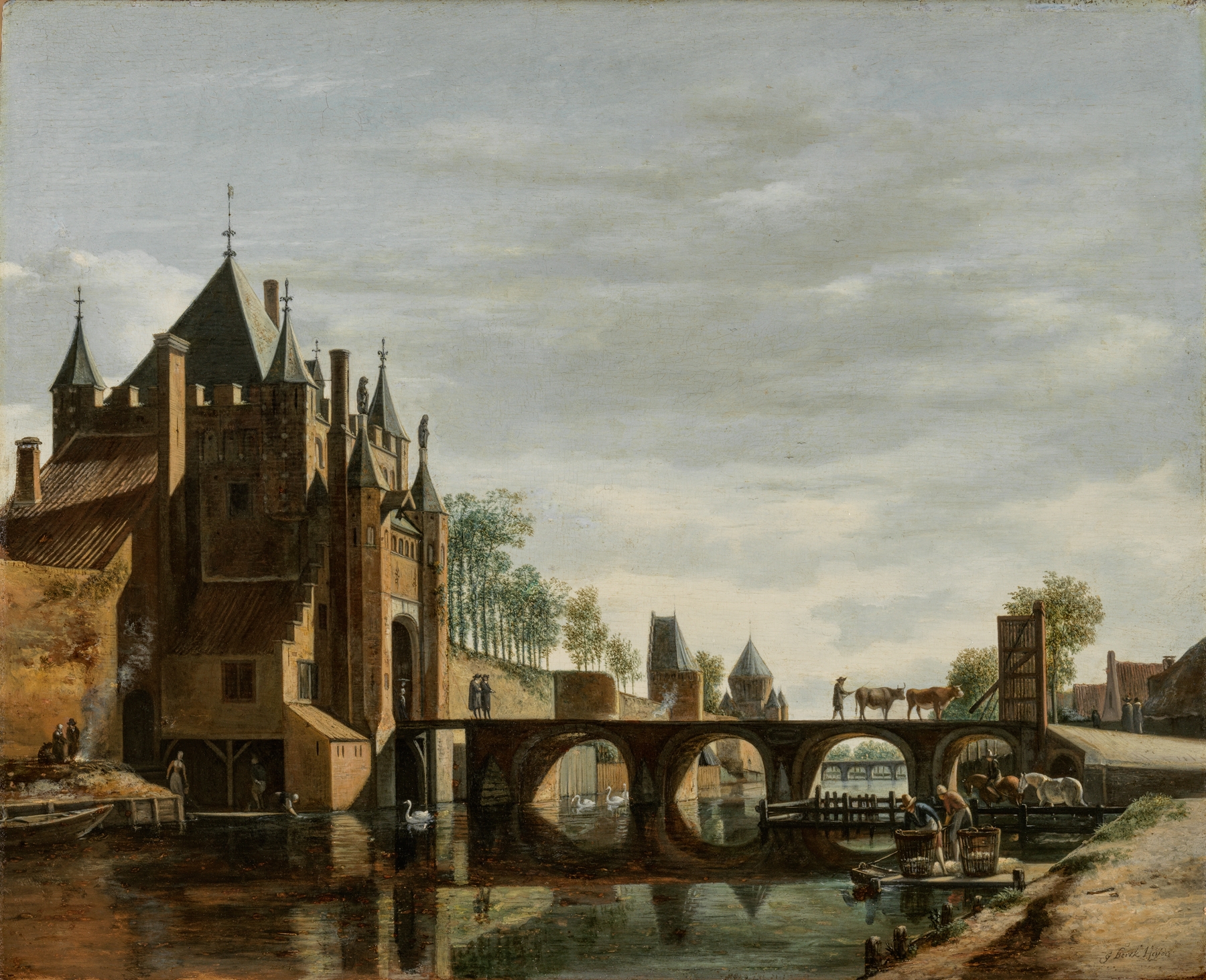
De grote houtpoort te Haarlem. — History & Analysis
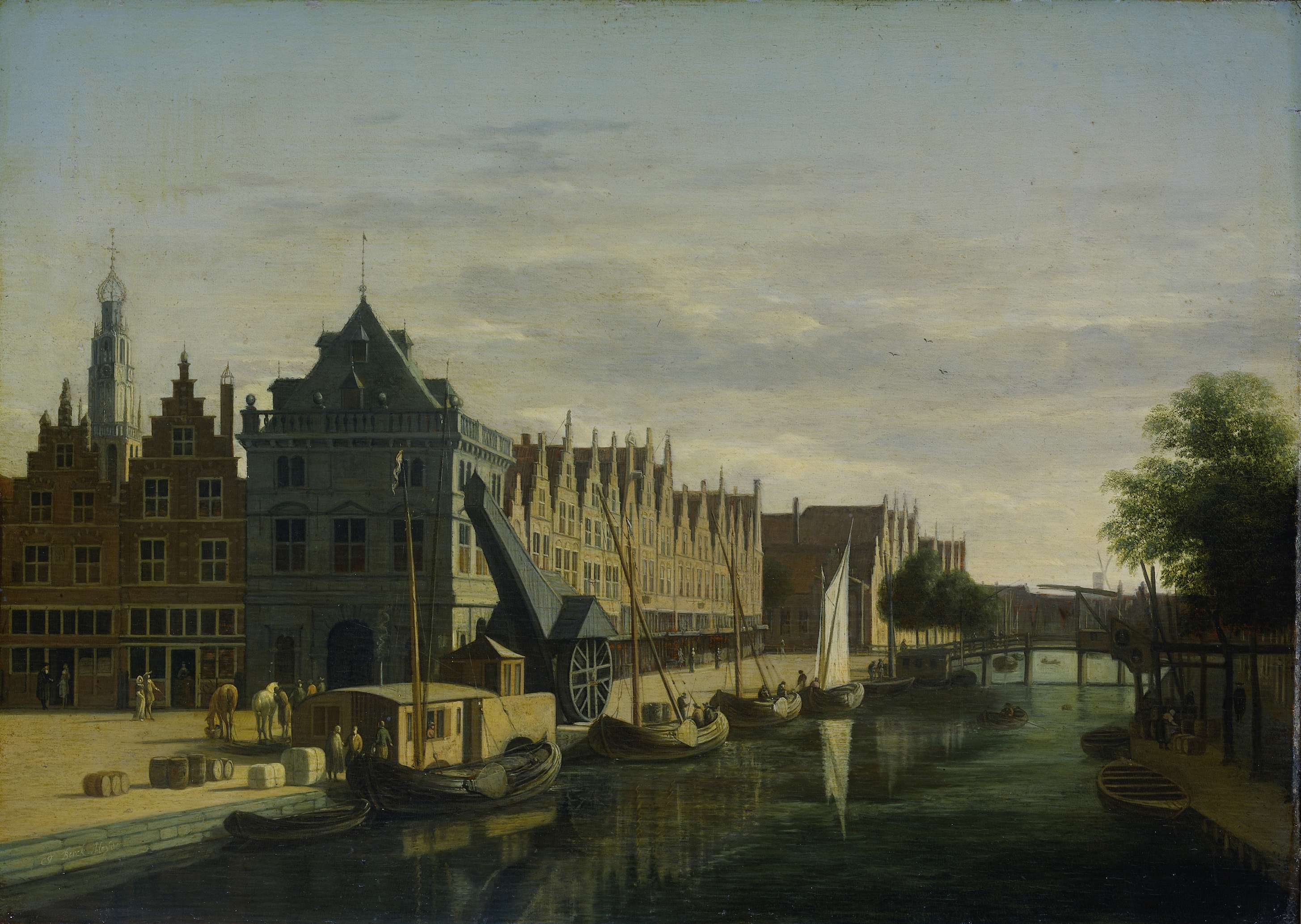
Did the painter know this moment would outlive them? In a fleeting world, where each breath feels fragile, art holds time in its delicate grasp. Look closely at the grand wooden gate, the focal point of De grote houtpoort te Haarlem. The craftsmanship of the door, with its rich textures and intricate details, commands your attention. Notice the warm light spilling onto its surface, highlighting the imperfections that speak to its age—each scar a testament to countless stories.
Surrounding the gate, the buildings recede softly, their muted tones contrasting with the vibrant wood, creating a balance that invites contemplation. Within this scene lies an emotional tension between strength and vulnerability. The sturdy gate stands resilient against the backdrop of gentle shadows, symbolizing both protection and the inevitable passage of time. The calm yet attentive presence of the figures alongside it hints at the interplay of human life and architectural permanence, suggesting that while we may seek to immortalize moments, they remain ever fleeting.
The artist captures this fragile dichotomy beautifully, evoking a sense of nostalgia. Gerrit Berckheyde painted this work during a period of burgeoning Dutch realism, likely in the late 17th century, a time when artists began to focus on everyday life and architecture. Living in Haarlem, Berckheyde was deeply influenced by the city's thriving art community, which championed detailed and lifelike depictions. This period saw a growing appreciation for the mundane, revealing the significance of everyday moments through a meticulous lens, just as he does here.