De zanderij — History & Analysis
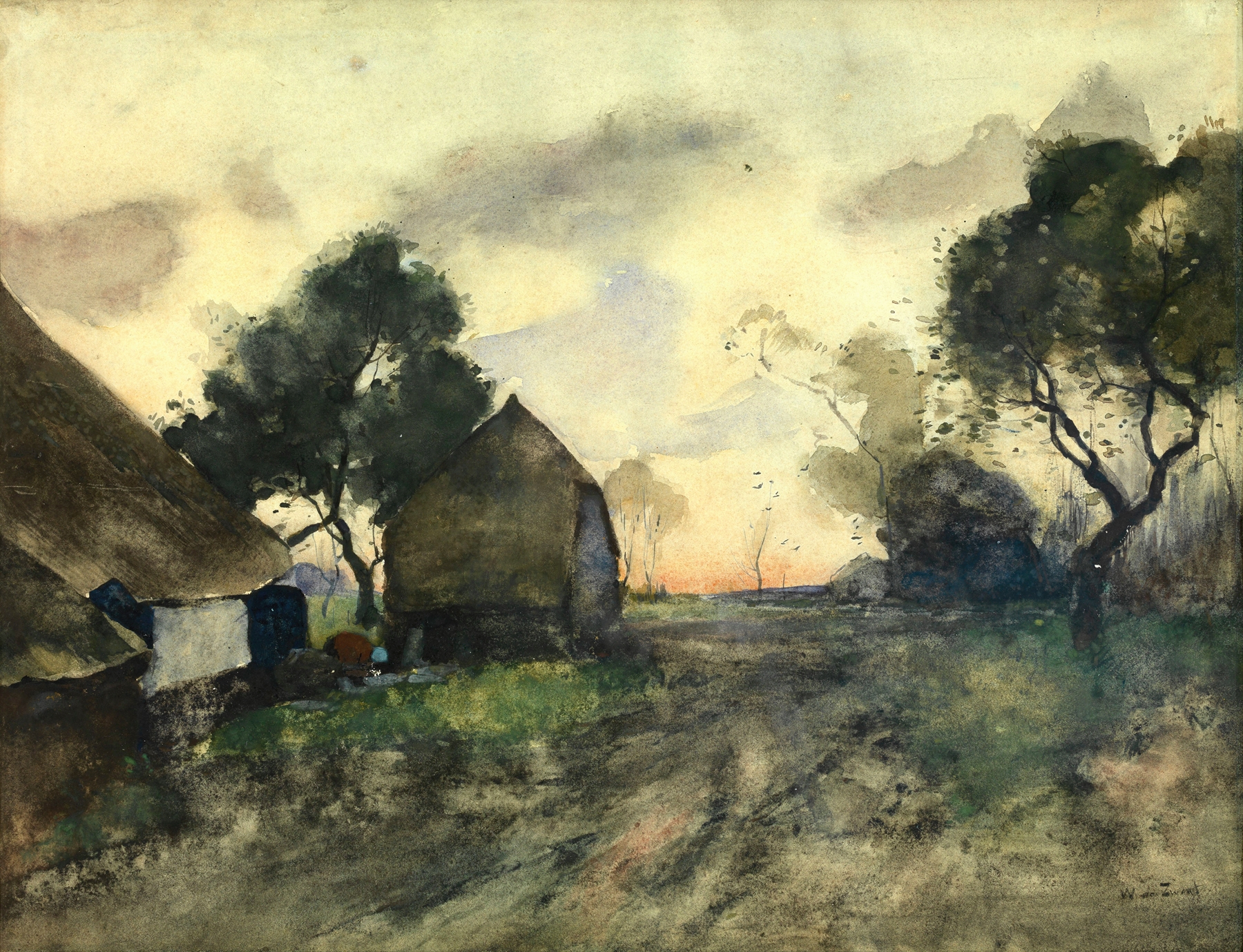
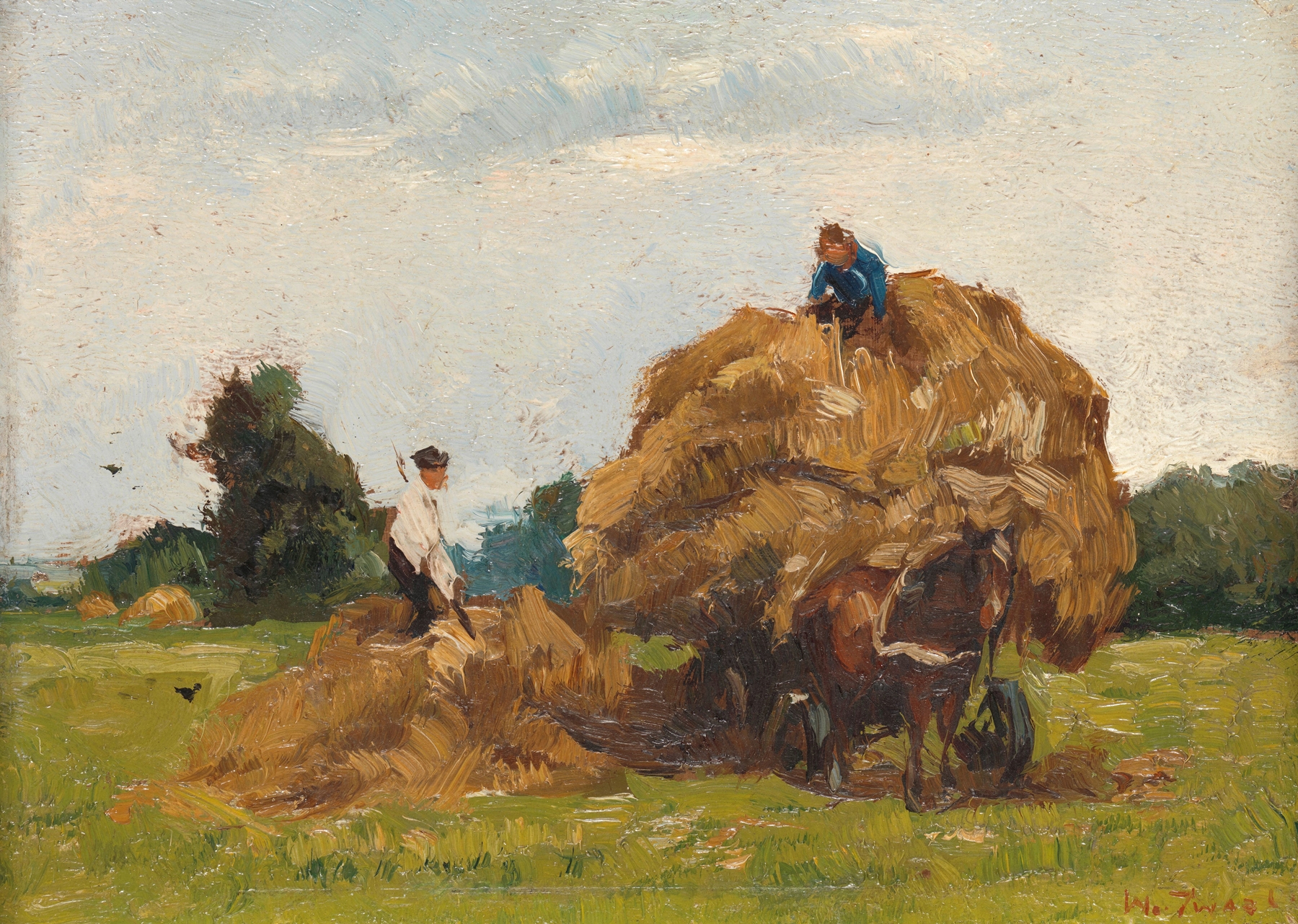
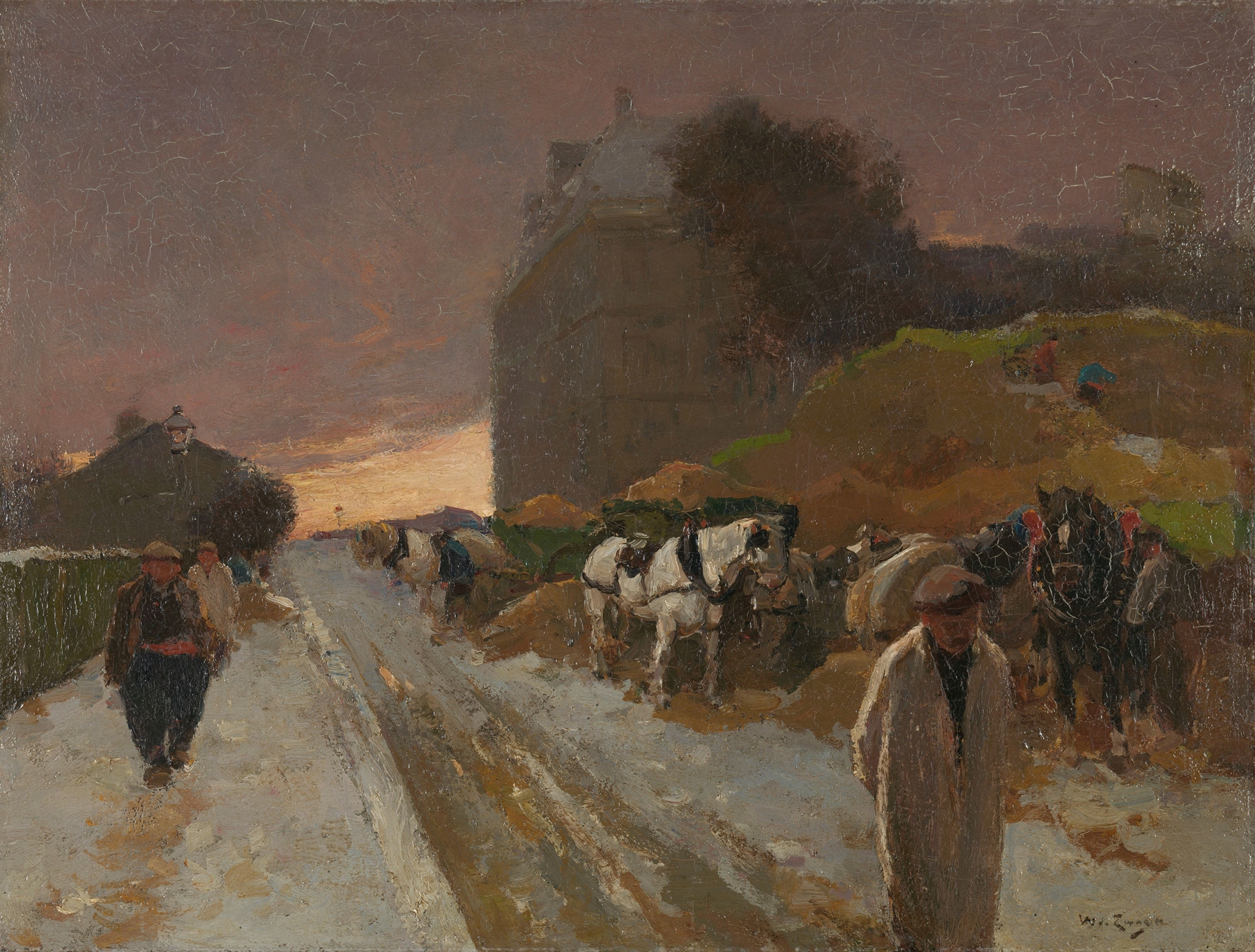
What secret hides in the quiet of the canvas? Beneath the still surface of De zanderij, the essence of movement whispers through the brushstrokes, inviting the viewer to look closer and feel the vitality of the moment captured. Look to the lower section of the painting, where soft dunes of sand rise and fall like gentle waves. The textured application of paint creates a tactile quality that almost allows you to feel the surface beneath your fingers. Notice the subtle shifts of light across the landscape — warm amber tones play against cooler greys, suggesting the interplay of time and nature.
It’s as if the scene breathes, revealing its dynamic layers through the skillful use of color and form. Yet, beneath this serene depiction lies an undercurrent of tension between stillness and motion. The wind seems to sculpt the sandy terrain, hinting at the inexorable passage of time. Tiny footprints etched into the surface evoke a fleeting presence, a reminder that life is both transient and eternal.
The artist’s choice to present such a quiet scene also raises questions about solitude — is there a sense of peace, or is it an echo of longing for connection? Willem de Zwart painted De zanderij during a period when he was exploring landscapes in the Netherlands, specifically around the early 1900s. At the time, he sought to capture the interplay of light and shadow in natural settings, reflecting the broader Impressionist movement. This period in his life was characterized by a deepening commitment to the outdoors, as he delved into the intricacies of nature and sought to convey its beauty through his art.