Hay Wagon — History & Analysis
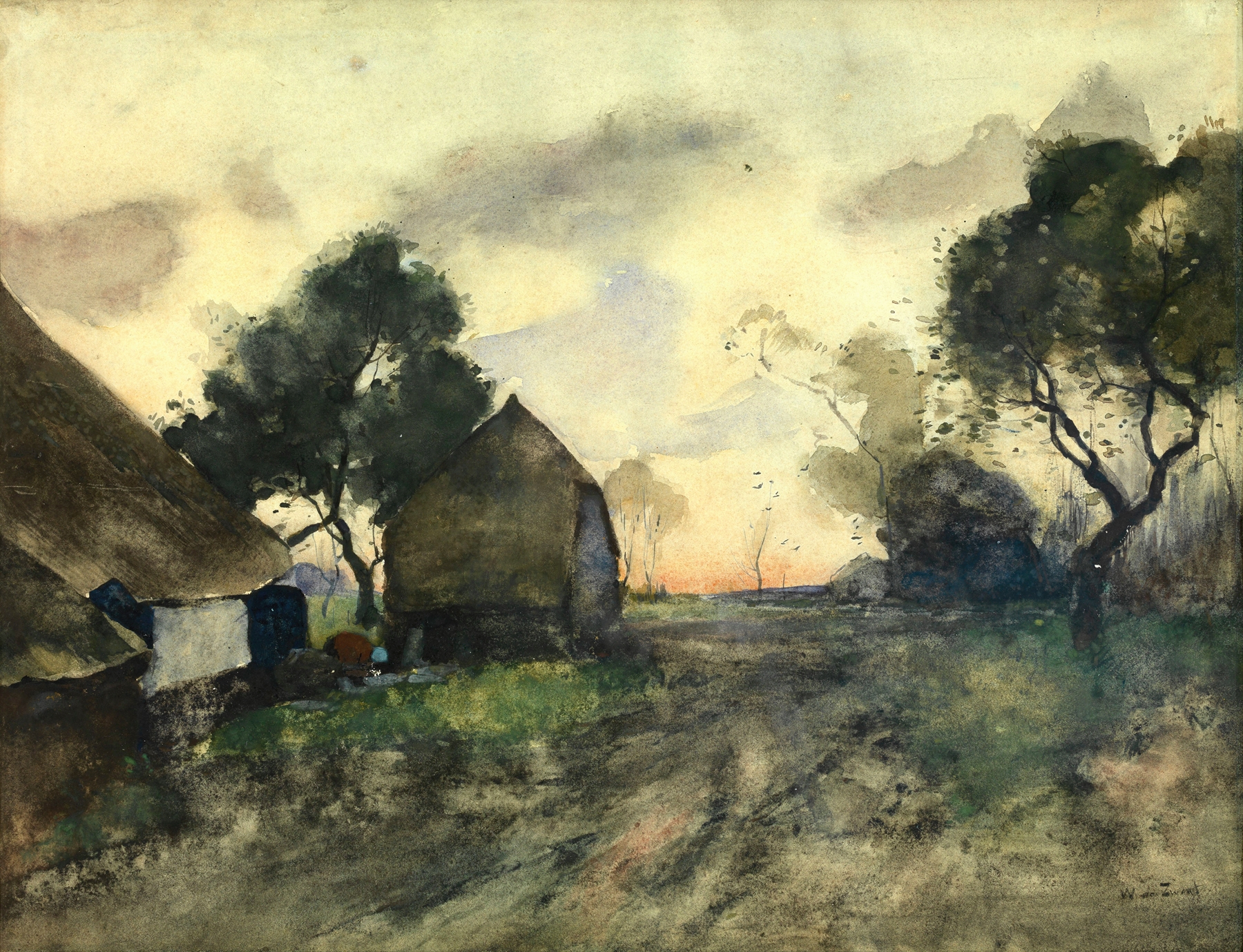
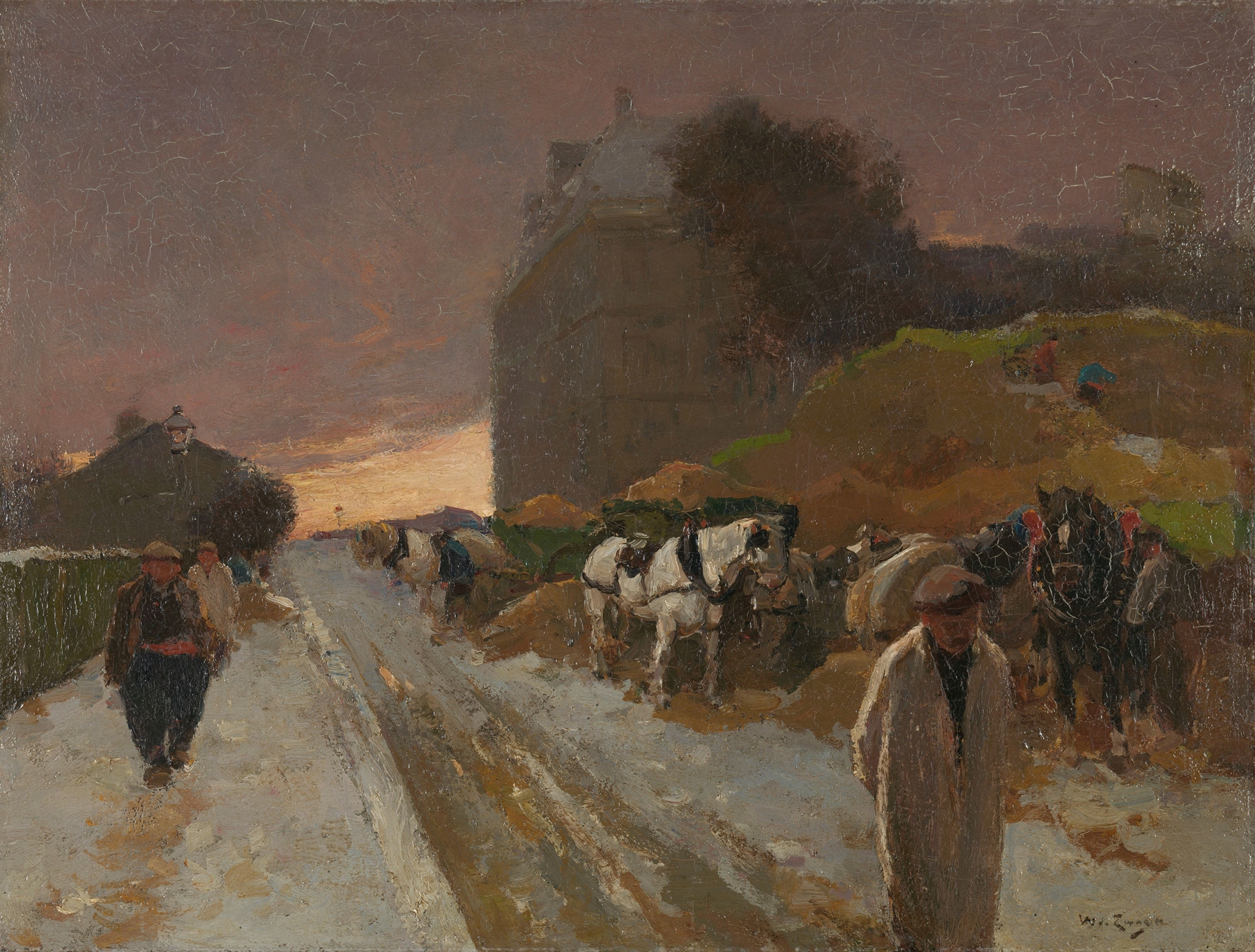
Who listens when art speaks of silence? In the stillness of Hay Wagon, a moment is preserved that invites reflection on trust, toil, and the often unspoken burdens of life. Look to the center of the canvas where the weathered wagon stands, its wooden frame heavy with golden bales of hay. The brushstrokes are confident yet gentle, suggesting the artist's intimate relationship with the subject. Notice how the rich earth tones contrast with the vivid blue of the sky, creating a sense of grounding beneath the expansive, open air.
The light filters through branches overhead, casting intricate shadows that dance across the soil, grounding the scene in a palpable reality. Yet, within this serene depiction lies a deeper narrative of betrayal. The wagon, while full of promise, also symbolizes the weight of labor and expectation—a reminder of how trust can feel heavy when it goes unrecognized. The delicate interplay of light and shadow hints at the quiet struggles of those who toil, suggesting that beneath the simplicity of rural life, there are layers of complexity and unresolved conflicts.
The seemingly peaceful scene belies the silent tensions of the human experience. Willem de Zwart created Hay Wagon during a period of artistic transition in the late 19th to early 20th century, a time when Dutch realism was evolving. Working in the Netherlands between 1885 and 1931, his art became a reflection of the changing agricultural landscape and the growing disconnect between rural traditions and modern life. This piece embodies a moment of nostalgia, capturing the essence of hard work amidst the shadows of emerging industrialization.