Street in Montmartre, Paris, in the Winter — History & Analysis
“To paint is to remember what time wants us to forget.” In the hushed embrace of winter, a lone street in Montmartre whispers tales of the past, evoking an ache for the warmth of lost moments. Look closely at the foreground, where a solitary figure trudges through a tapestry of fresh snow, the white blanket contrasting sharply with the muted browns and grays of the buildings. The gentle strokes of the artist’s brush mirror the chill in the air and the stillness of a Parisian morning. Notice how the soft light glimmers on the rooftops, creating a shimmering effect that dances across the scene, suggesting both isolation and quiet contemplation.
The emotional tension lies between the starkness of the winter landscape and the warmth of human presence. This contrast draws the viewer into an intimate dialogue about solitude and the transient nature of life. The figure, though small, embodies a poignant narrative—each step taken in the snow becomes a metaphor for the journeys we undertake, even in the void of silence. There’s a haunting beauty in the untouched snow, hinting at what is lost yet cherished.
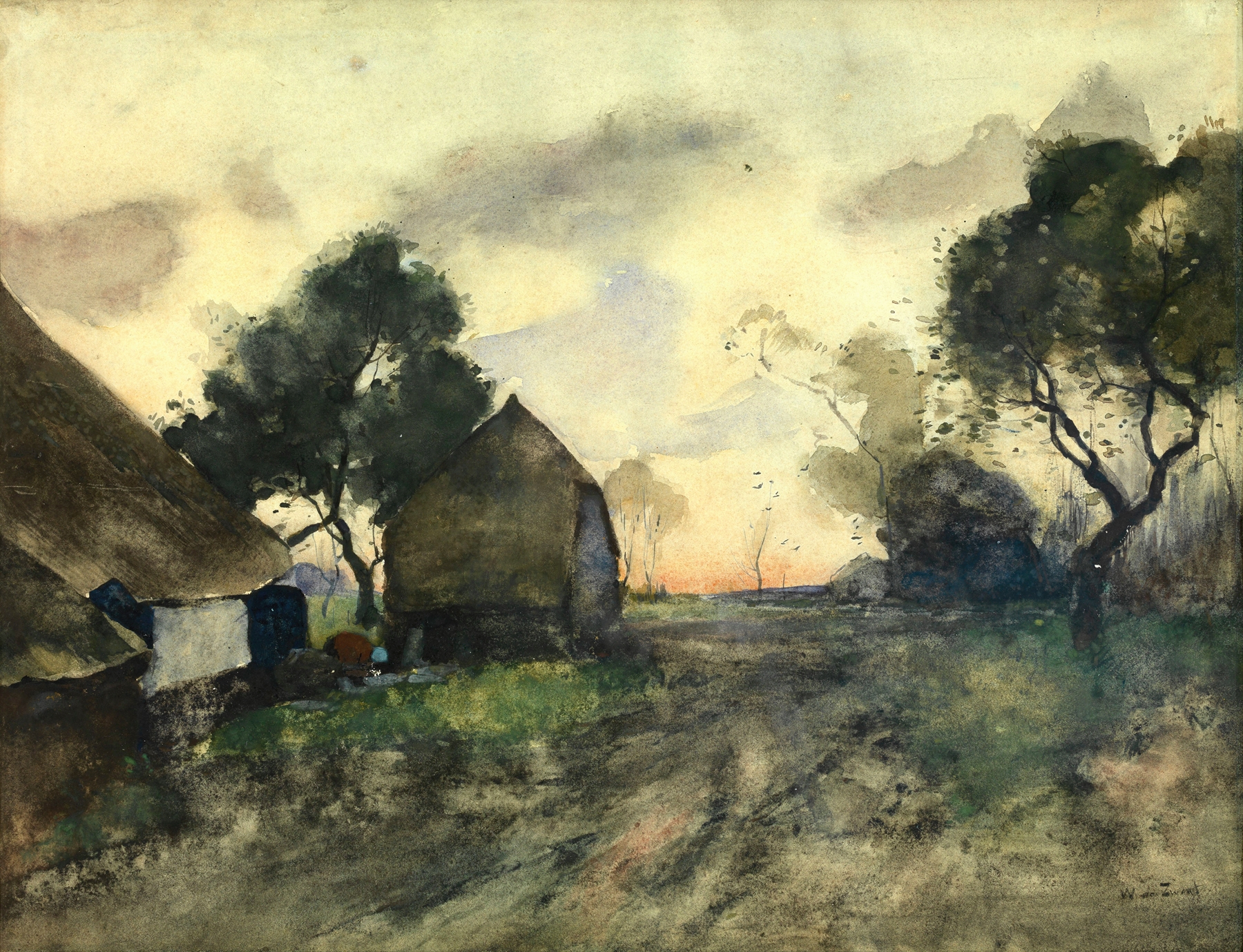
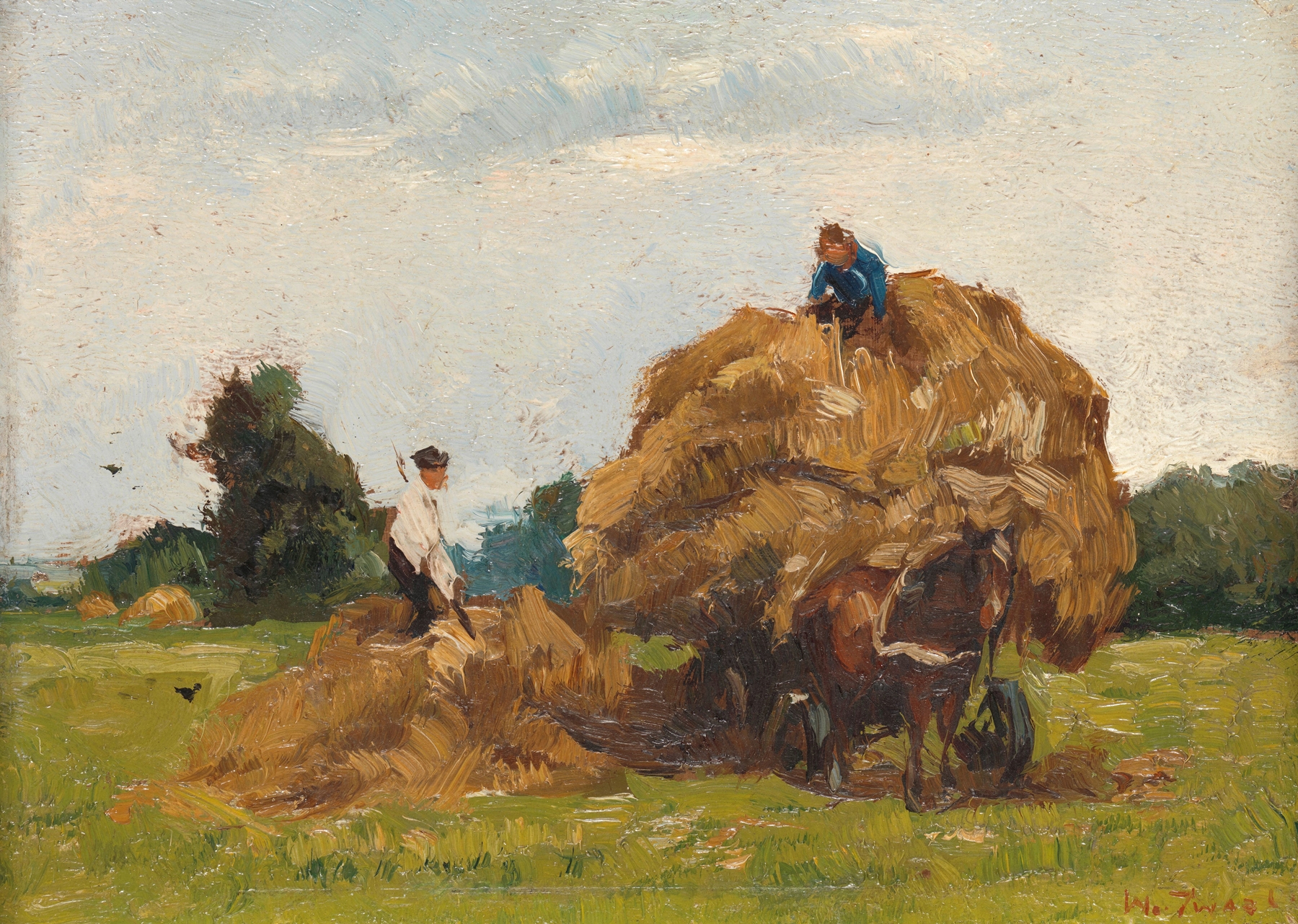
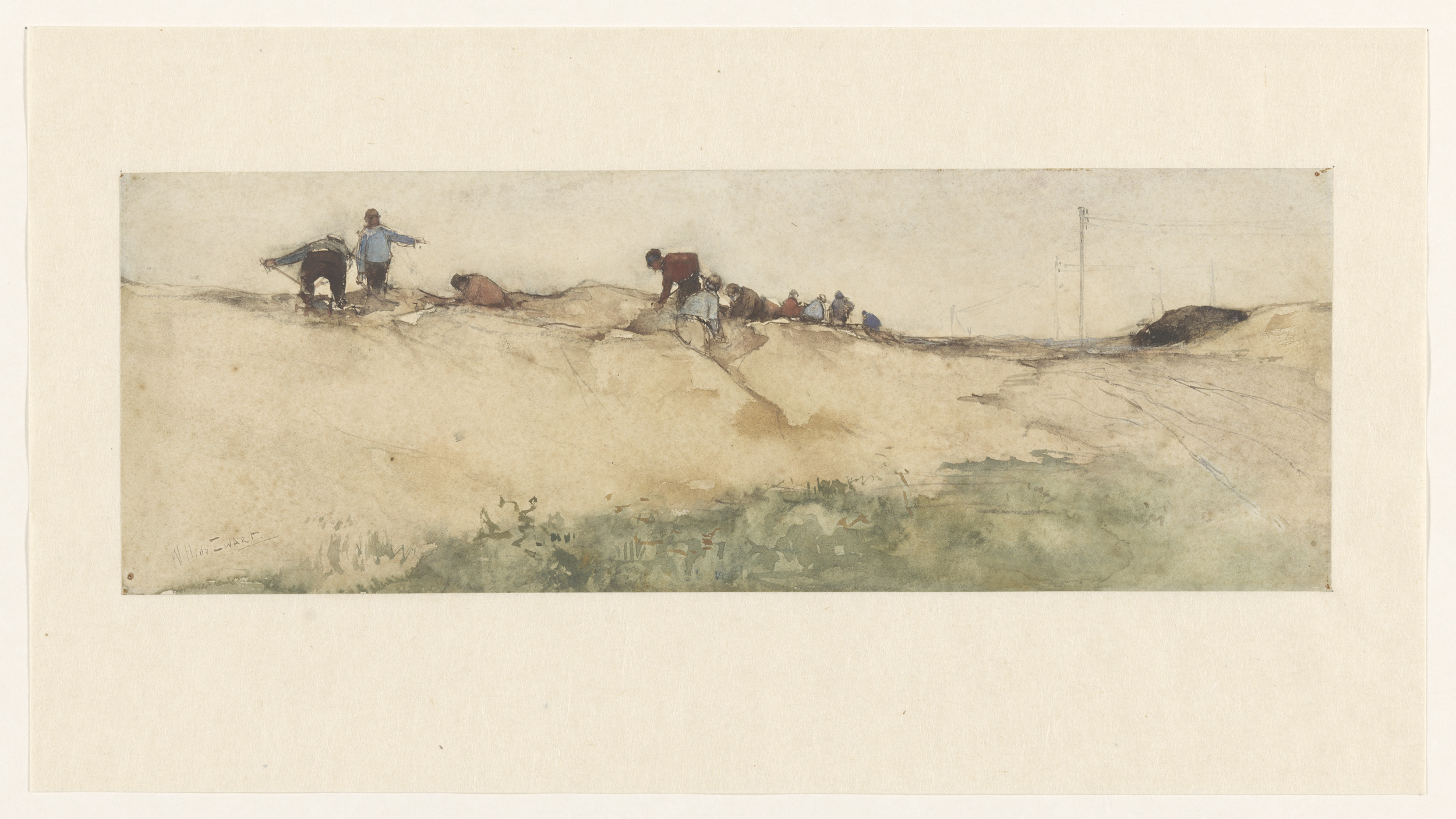
Willem de Zwart painted this evocative piece during a transformative period for both himself and the art world, between the late 19th and early 20th centuries. Living in Amsterdam but often inspired by Paris, he found himself navigating the realms of Impressionism and Post-Impressionism, melding a personal style that reflects the rhythms of urban life. At this time, the burgeoning modern art movement was reshaping perceptions, urging artists to explore new emotional depths and experimental techniques.