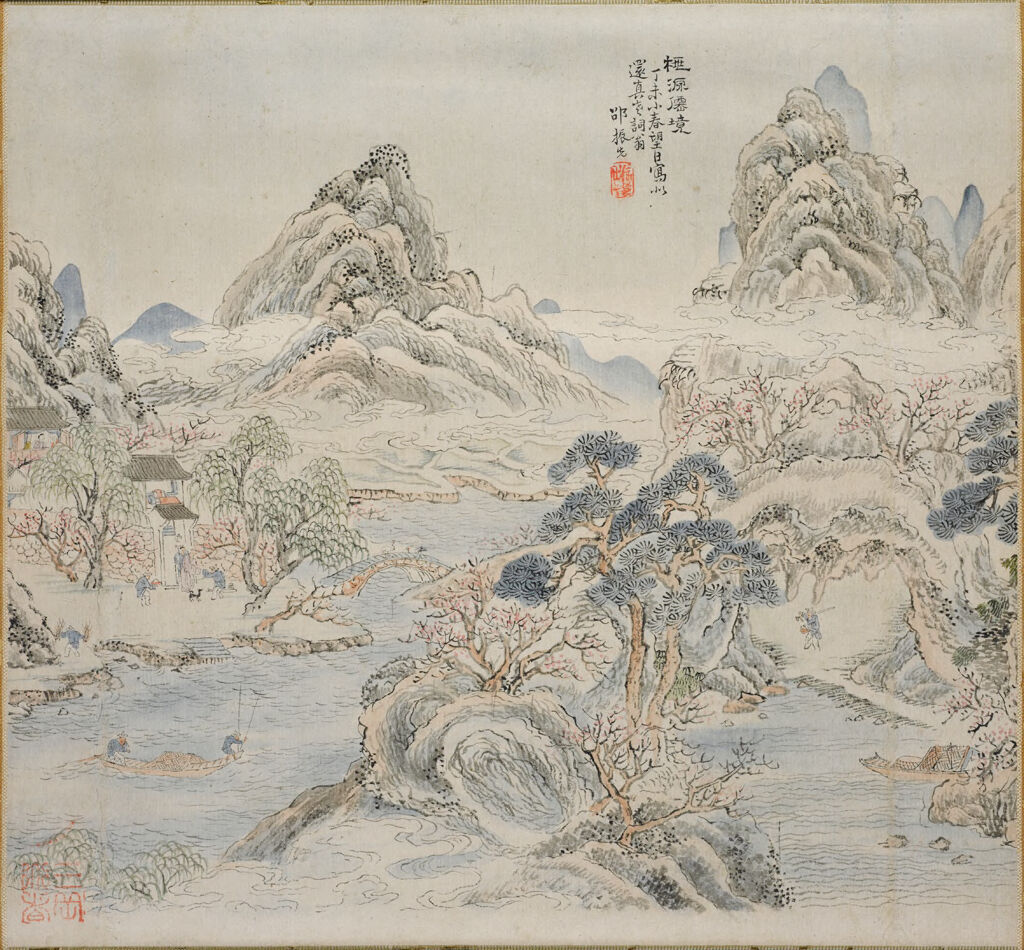
Deep Mountains in Autumn Rain — History & Analysis
“Under the brush, chaos becomes grace.” In the delicate strokes of the past, yearning intertwines with nature’s fleeting beauty, evoking the poignant nostalgia of a moment lost to time. To appreciate the artwork, look closely at the myriad hues of autumn. Warm ochres and deep greens bleed into each other, while gentle washes of gray suggest a soft, persistent rain. Notice how the mountains rise majestically in the background, almost ethereal beneath layers of mist.
The composition draws your gaze upward, as if inviting you to lose yourself in the tranquil embrace of nature, where each brushstroke whispers of harmony and introspection. Yet, juxtaposed within this serene landscape is a profound longing. The heavy clouds loom above, embodying the weight of unexpressed emotions—a reminder of the impermanence of beauty. The rain not only enriches the scene but also serves as a metaphor for cleansing and renewal, hinting at the transient nature of existence.
Each element, from the rugged mountains to the delicate falling rain, speaks to the balance between strength and vulnerability. In the mid-18th century, Ikeno Taiga created this masterpiece during Japan's Edo period, a time marked by artistic flourishing and cultural introspection. Residing in Kyoto, Taiga was deeply influenced by the principles of Zen, where nature harmonizes with the human spirit. This period’s societal stability allowed for introspective artistry, as artists like Taiga sought to encapsulate fleeting moments of beauty and emotion, giving rise to landscapes that continue to resonate with viewers today.
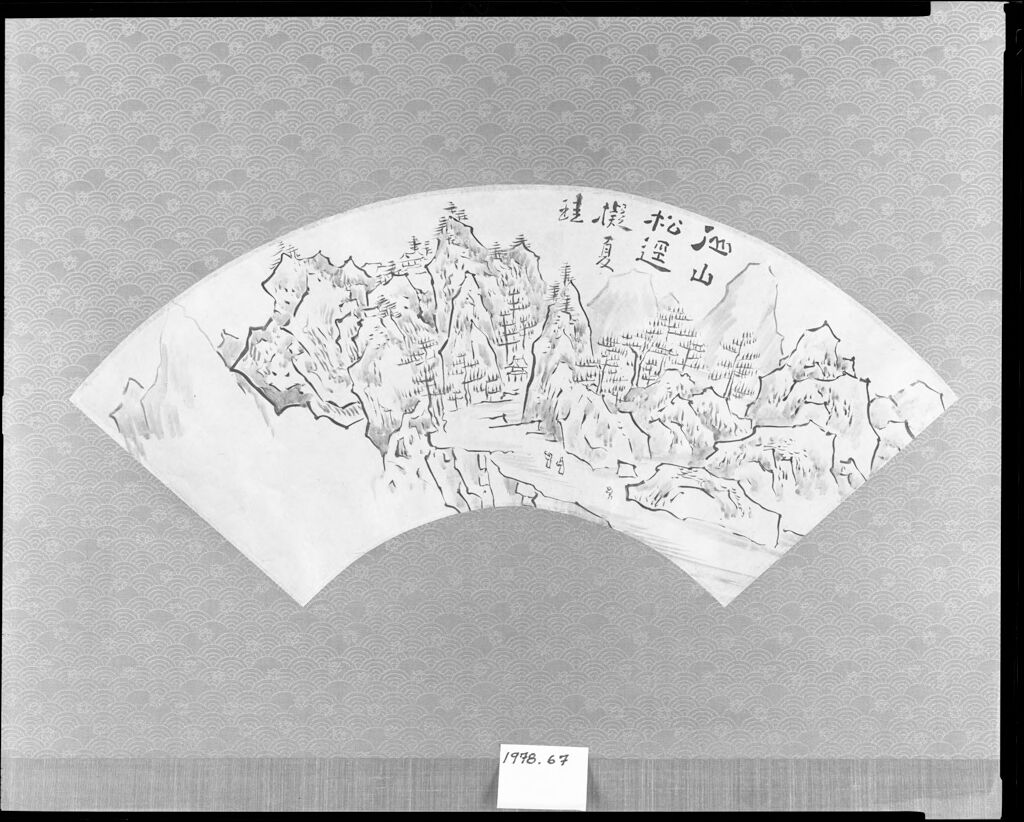
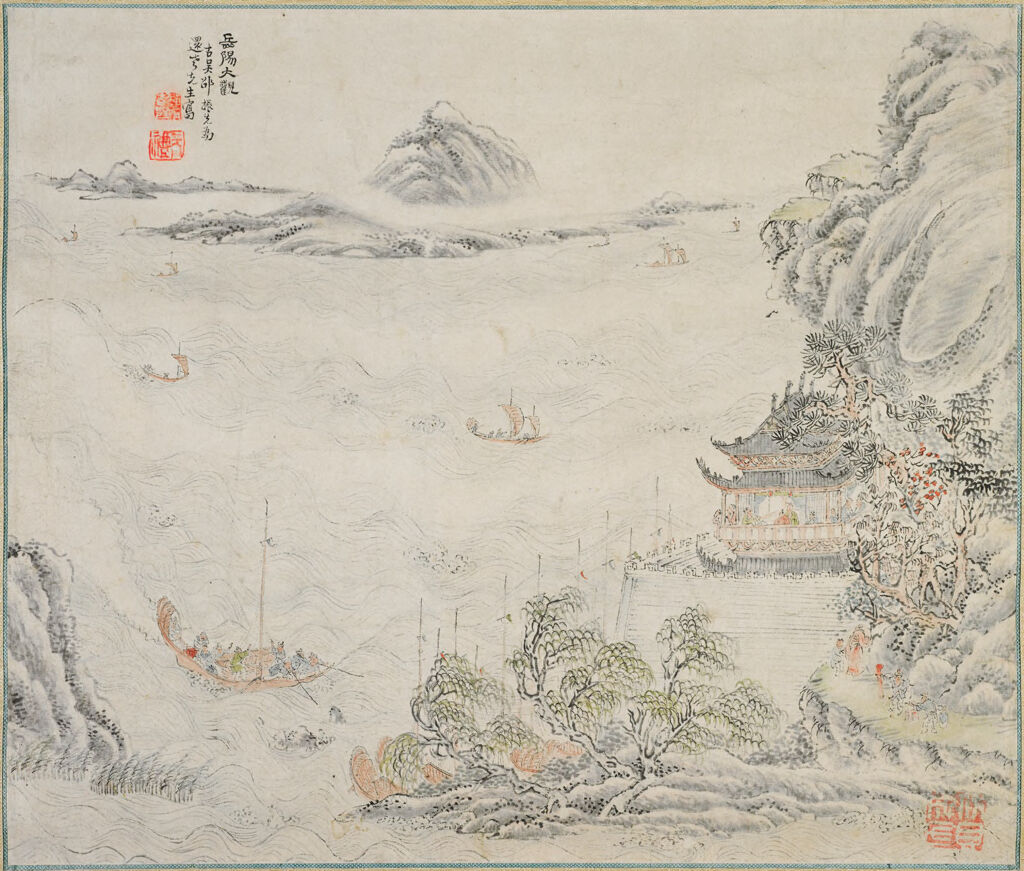
![Pines on Mount Tai (after Gao Qian [after Tang Yin]), by Ikeno Taiga 池大雅, public domain](https://froigstrpvutwqtqikzt.supabase.co/storage/v1/object/public/art-images/artworks/3f7616d79812ca4338c2f57a0d5a8e4f7255205fa54db08c6493100359ac297b.jpg)