Pines on Mount Tai (after Gao Qian [after Tang Yin]) — History & Analysis
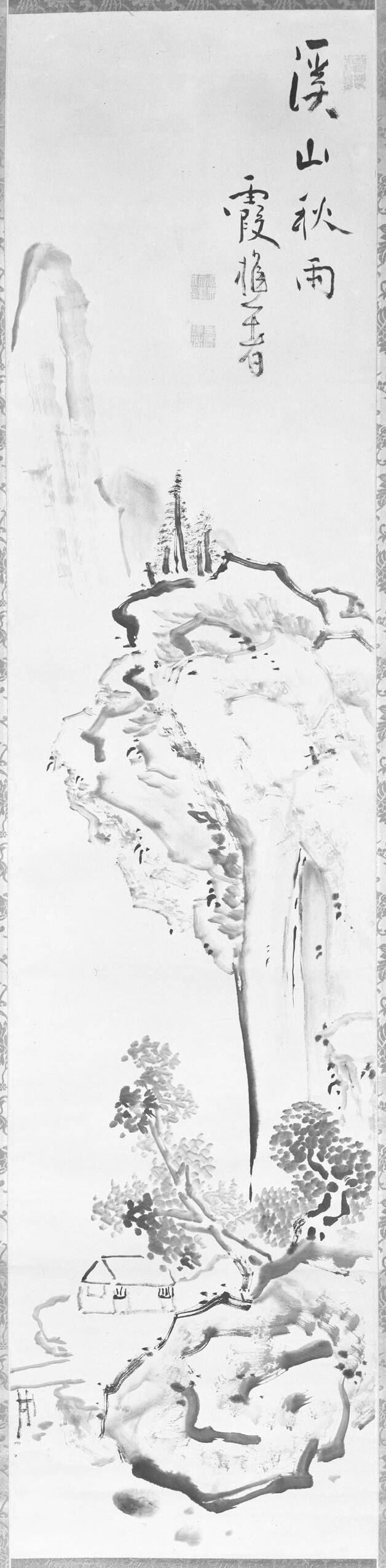
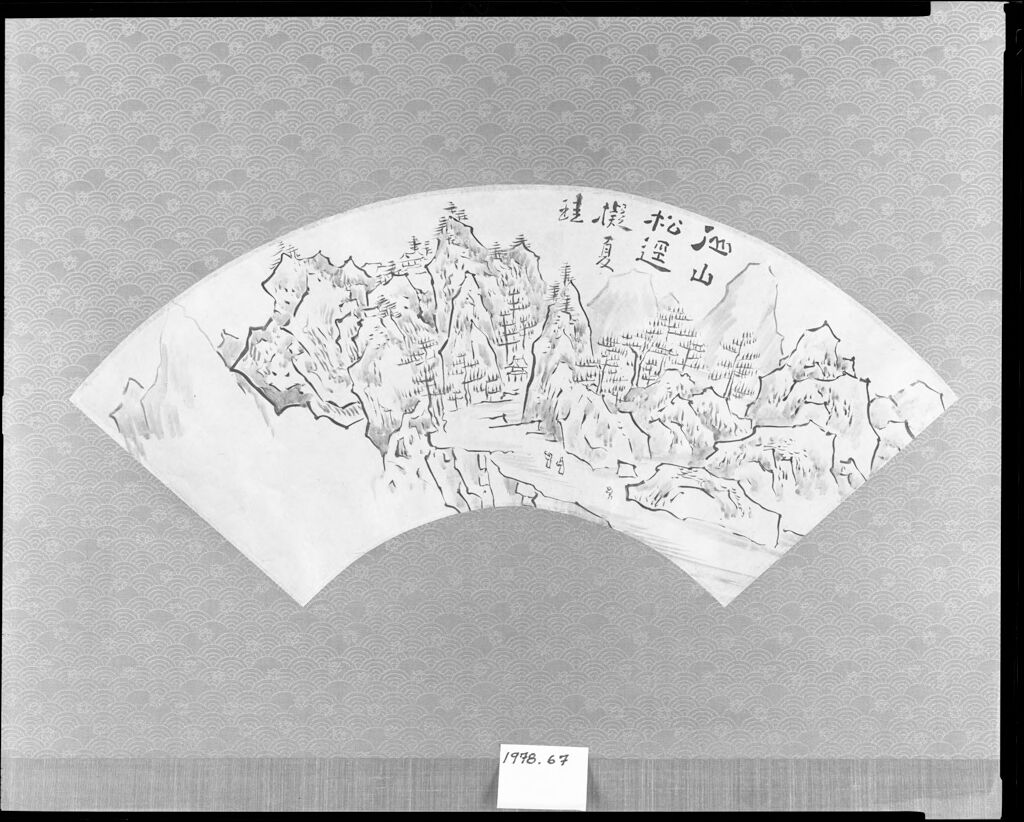
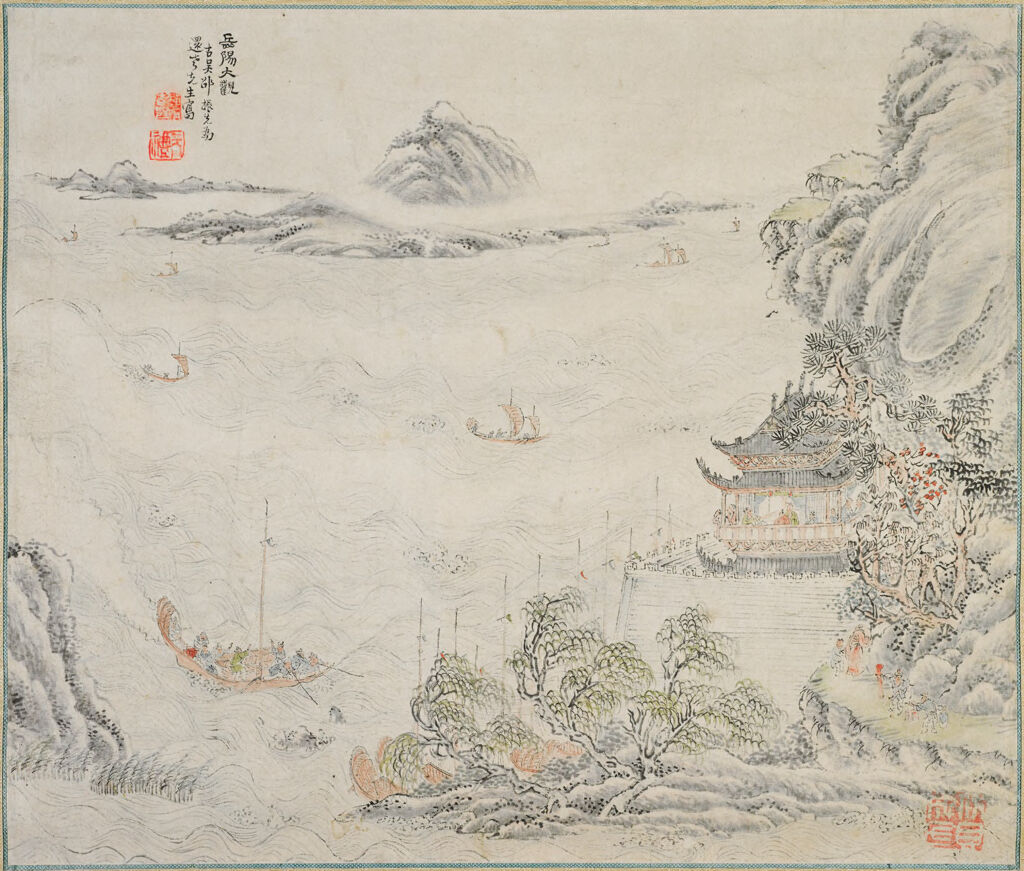
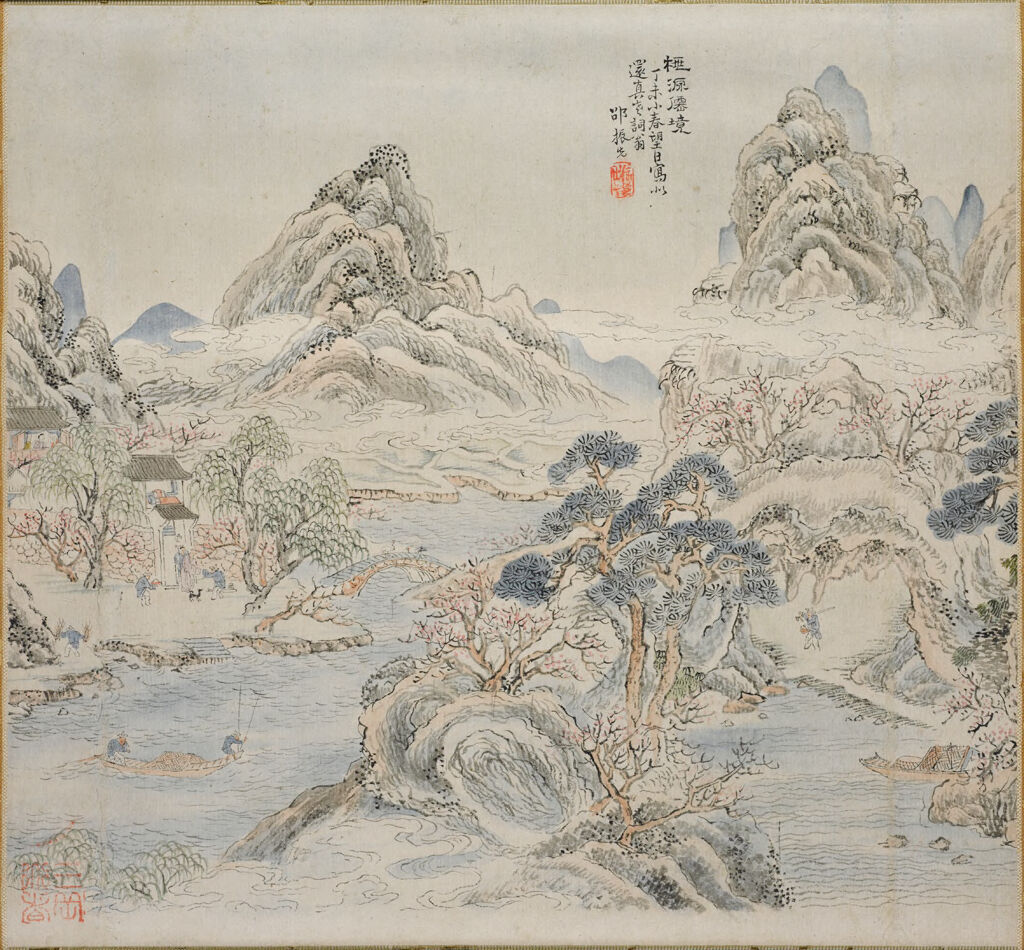
“Every silence here is a confession.” In the stillness of Pines on Mount Tai, a profound innocence radiates, entangled in the serene embrace of nature. The painting invites the viewer to ponder the quiet depths of existence, where the majestic pines stand as steadfast witnesses to time’s passage. Look to the center of the canvas, where the dark, sinuous forms of the pines emerge against a delicate mist. Notice how the brushstrokes waver between precision and spontaneity, creating a harmonious balance that enhances the ethereal quality of the landscape. The muted greens and soft grays evoke an atmosphere of tranquility, a gentle reminder of the beauty found within stillness.
Shadows cast by the trees intersect with light, weaving a narrative of contrast and unity. Delve deeper into the subtle interplay between the pines and the rocky terrain surrounding them. The ruggedness of the landscape juxtaposes the elegance of the trees, hinting at the resilience of life amid adversity. Here, innocence does not imply ignorance; rather, it reflects a profound understanding of nature’s cycles and an acceptance of the transient moments that shape our existence.
The careful arrangement of elements speaks to a reverence for the natural world, encouraging contemplation of our place within it. Ikeno Taiga created this work in 1757 during Japan's Edo period, a time marked by a flourishing of arts and culture. As a prominent figure in the literati painting movement, Taiga sought to blend traditional Chinese aesthetics with Japanese sensibilities. His life was steeped in this cultural renaissance, and Pines on Mount Tai exemplifies his dedication to capturing the essence of nature while reflecting the philosophical ideas of his time.