Deer Park, possibly Kilkenny — History & Analysis
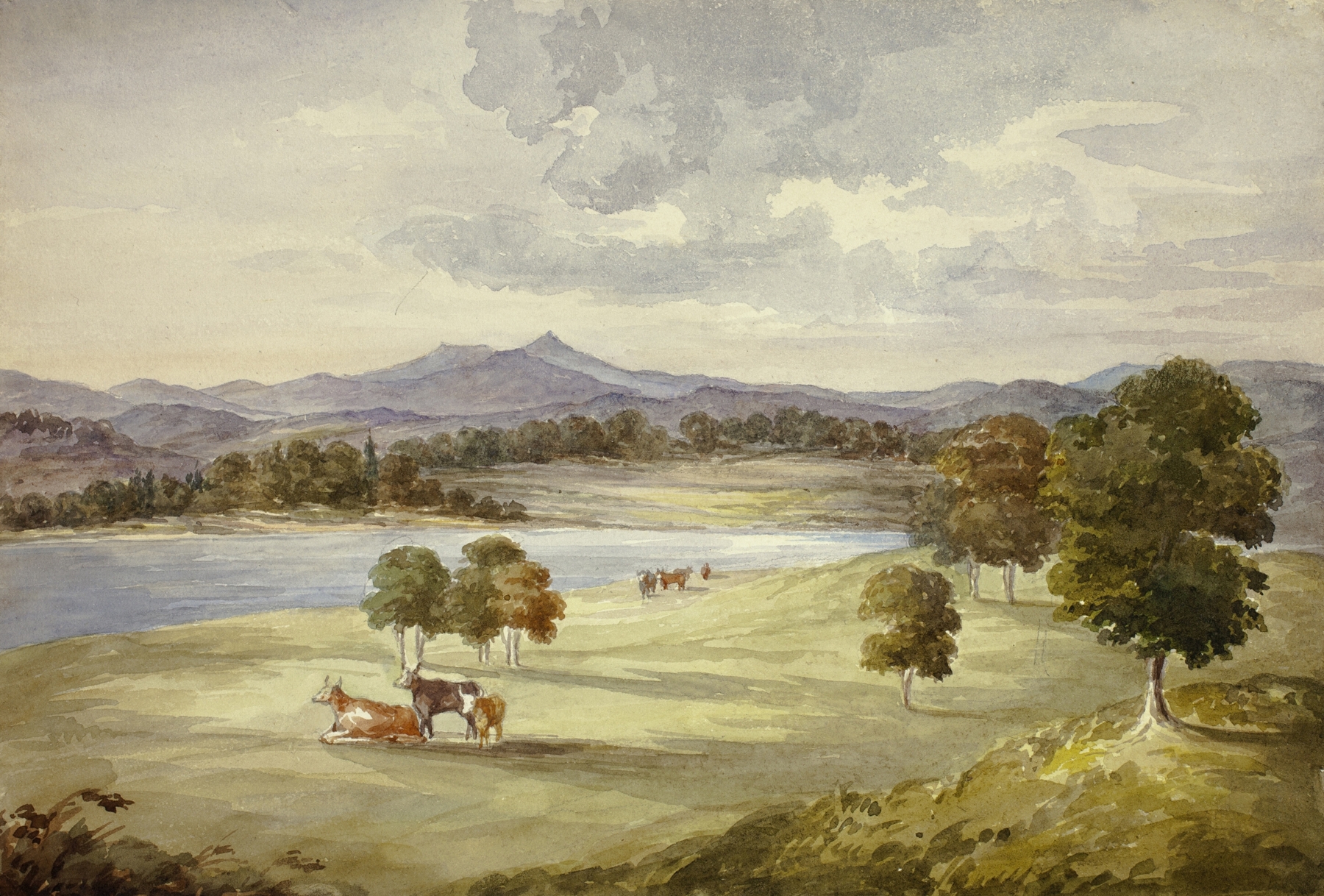
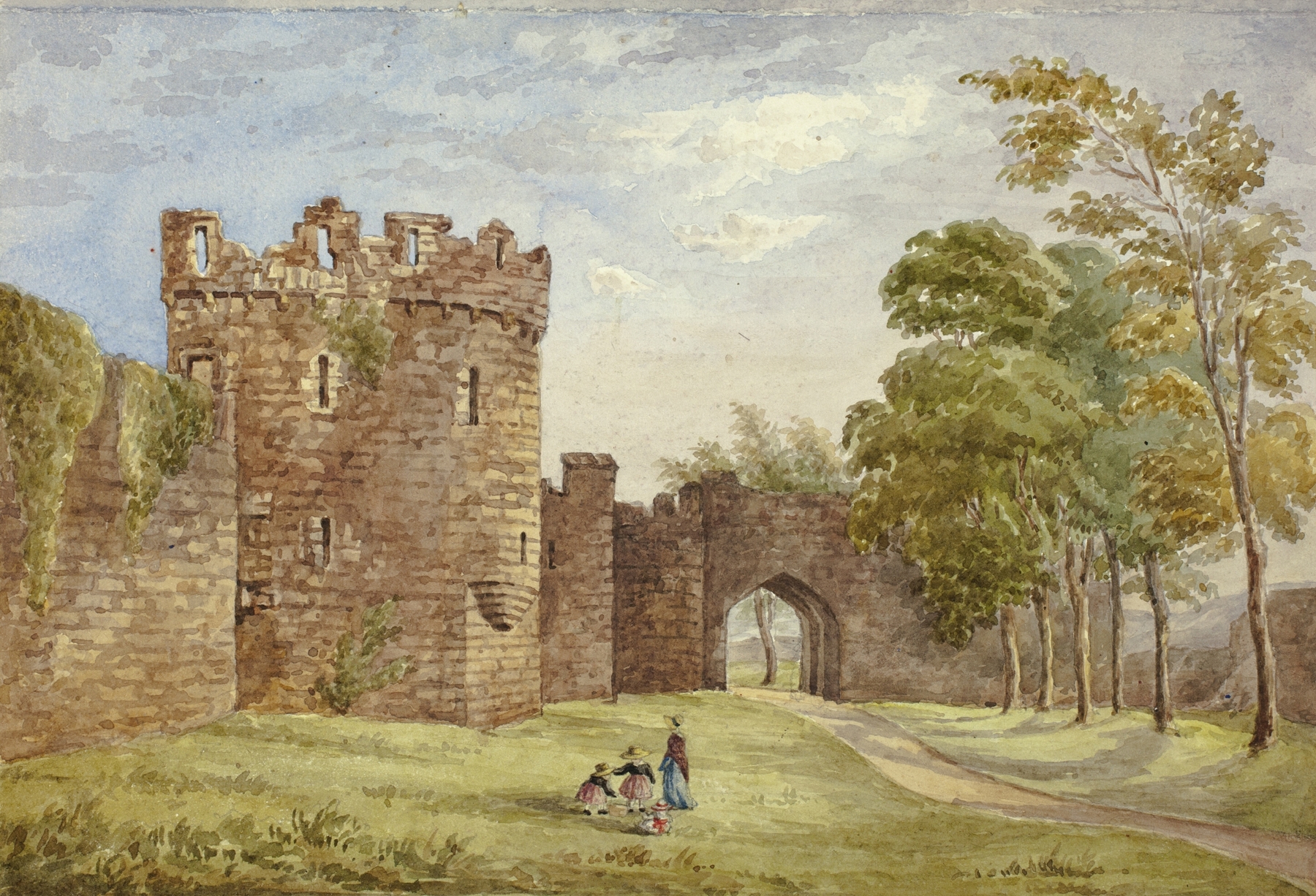
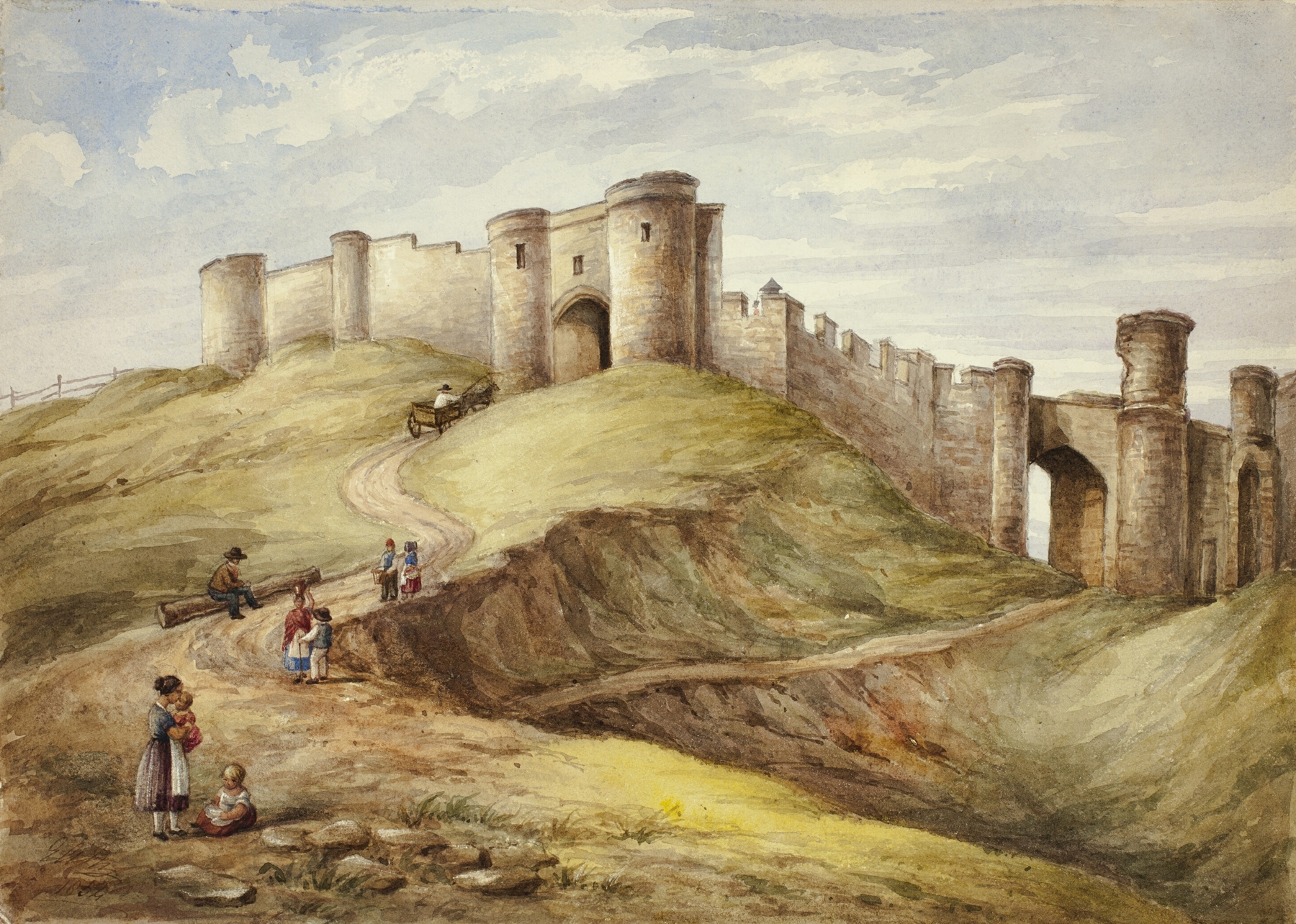
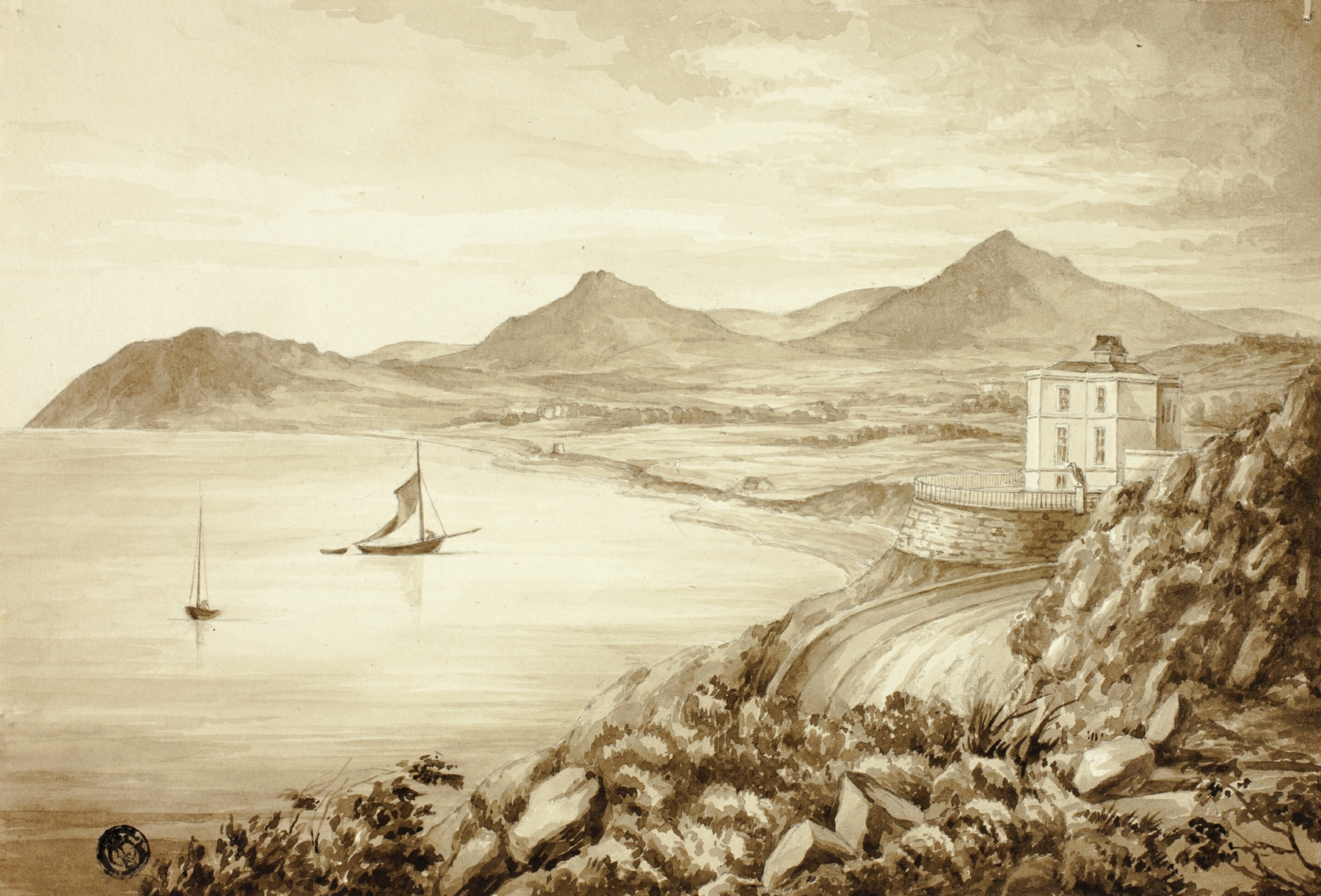
What if beauty was never meant to be finished? In Deer Park, possibly Kilkenny, the canvas entices with unrestrained ecstasy, as nature dances in vibrant hues, urging the viewer to linger in its lush embrace. Look to the foreground, where the rich greens of the grass and foliage pulse with life, drawing your gaze. Notice how the shimmering sunlight dapples through the trees, creating an interplay of shadow and light that breathes movement into the scene.
The brushstrokes are both confident and fluid, echoing the rhythms of the landscape and inviting you to explore its depths, from the delicate petals of wildflowers to the majestic silhouettes of towering trees. Delve deeper into the work, and you may uncover contrasting emotions nestled within this idyllic setting. The wild beauty suggests freedom and unrestrained joy, yet there is an underlying tension as the neatly arranged path hints at human intervention, a reminder that nature is often both a sanctuary and a battleground. The serene skyline juxtaposes the chaotic life below, evoking a bittersweet longing for harmony that remains just out of reach.
In 1843, Elizabeth Murray painted this piece during a time when the Romantic movement flourished, celebrating the sublime in nature. Working in Ireland, she was influenced by the lush landscapes around her and the growing appreciation for natural beauty. This painting reflects her connection to both the land and the human experience, encapsulating a moment of joy amid the complexities of existence.