Der ehemalige Schneidwall — History & Analysis
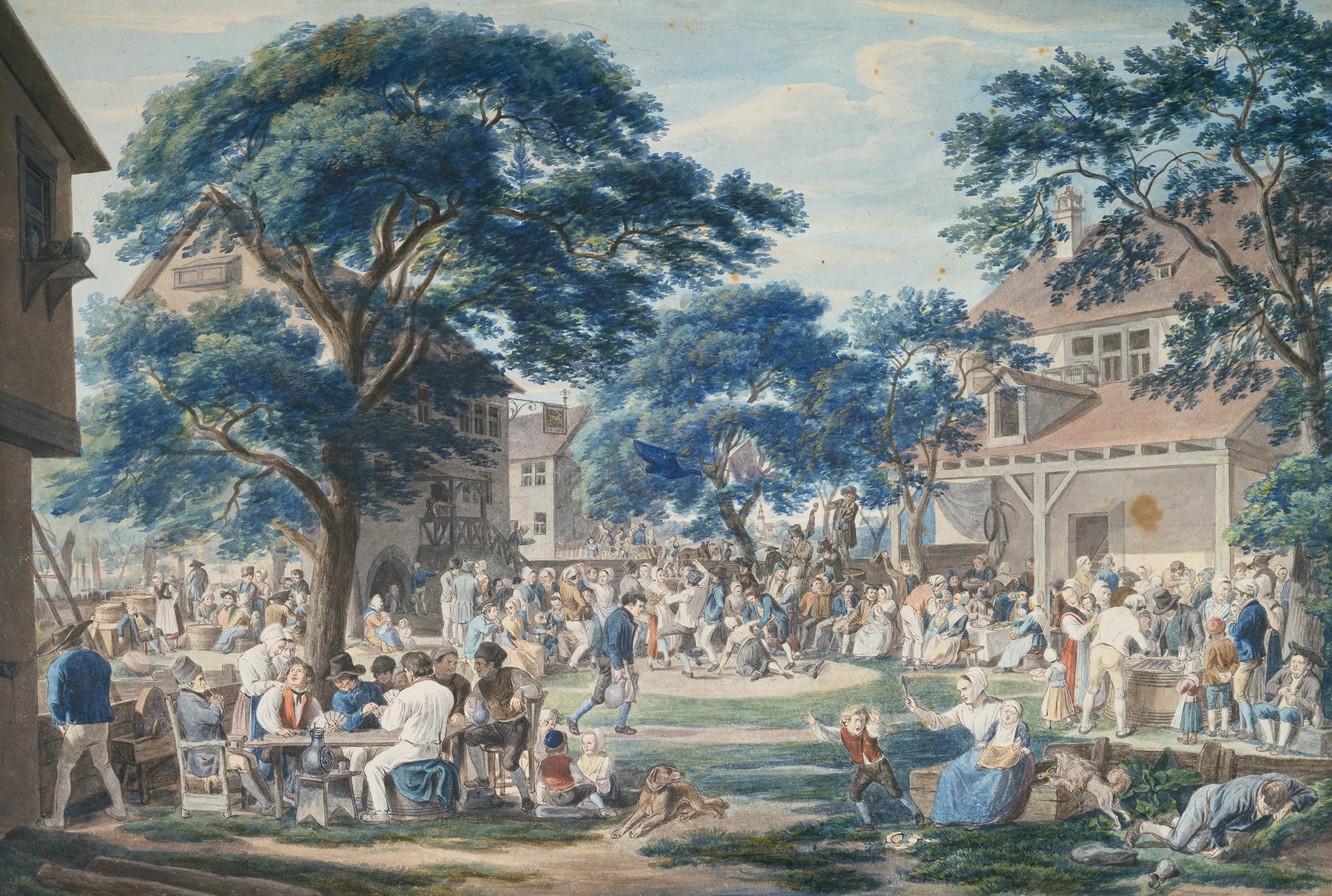
When did color learn to lie? In a world where hues blend and distort, the very essence of chaos is captured on canvas, inviting reflection on the nature of reality itself. Focus on the turbulent brushstrokes that seem to ripple across the surface, pulling your gaze into the depths of the composition. The vibrant reds and blues clash violently, evoking an emotional turmoil that transcends the canvas.
Notice how the chaotic forms intermingle, creating a sense of motion that feels almost alive, while hints of strident yellow weave through like flashes of insight, challenging the viewer to decipher the chaos. Within this tumult lies a dialogue between order and disorder. The seemingly erratic placement of colors suggests a struggle for coherence, perhaps mirroring the artist's own internal conflicts. Each stroke tells a story of tension, reflecting the human experience of grappling with confusion and clarity, while also alluding to broader themes of conflict in a rapidly changing world.
This dissonance invites contemplation on how we interpret our surroundings, suggesting that what we see may not be the reality we think we know. Created during a time of great change in early 20th-century Europe, the artist painted this piece as the continent teetered on the brink of upheaval. Anton Radl, working amidst the burgeoning avant-garde movements, sought to embrace the chaos of modern life, infusing his work with a sense of urgency and complexity. This piece stands as a testament to his innovative spirit and the turbulent context that shaped his artistic journey.