Verlosung eines Hammels in der Umgebung von Frankfurt am Main (Kirchweihszene) — History & Analysis
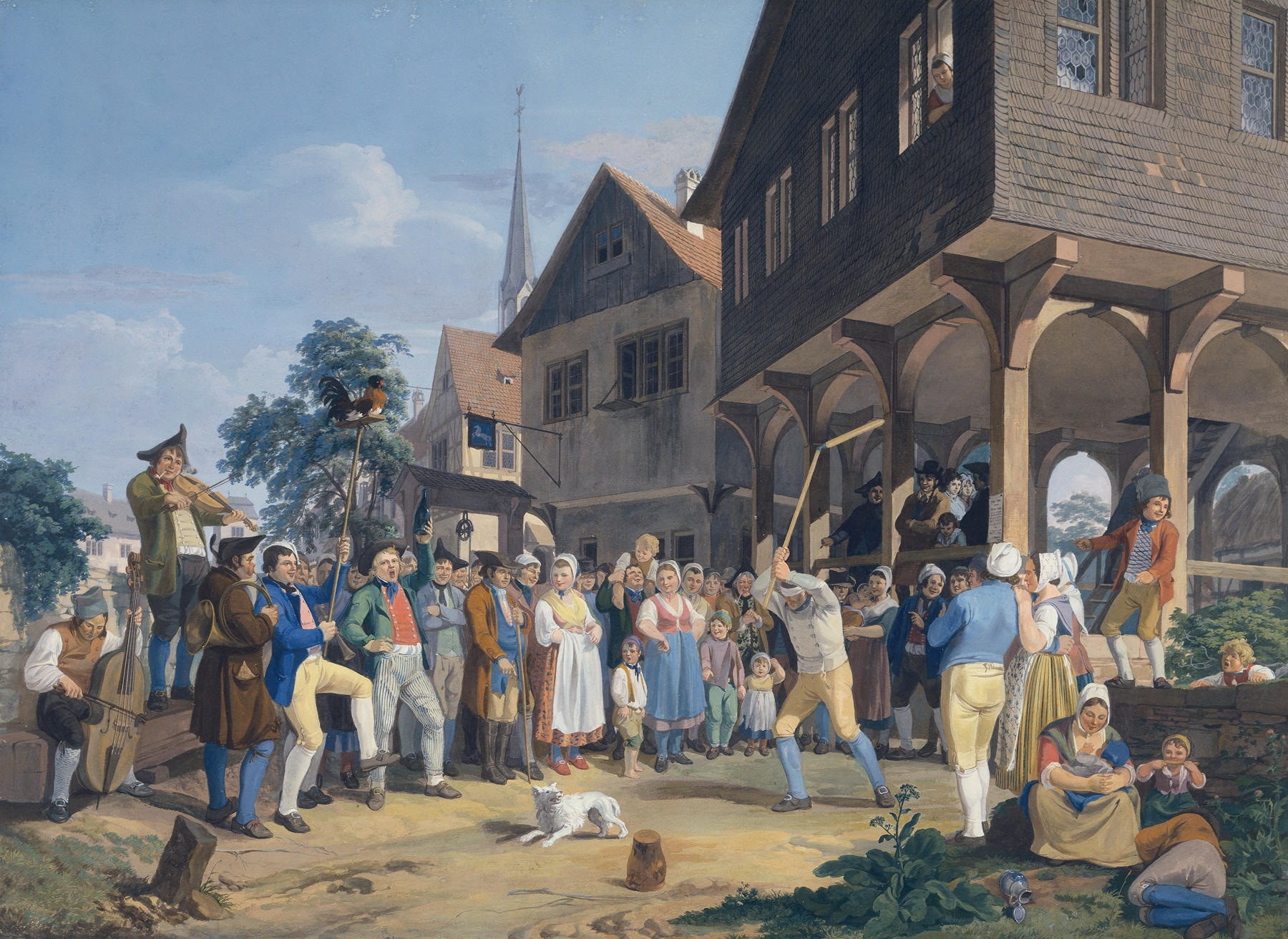
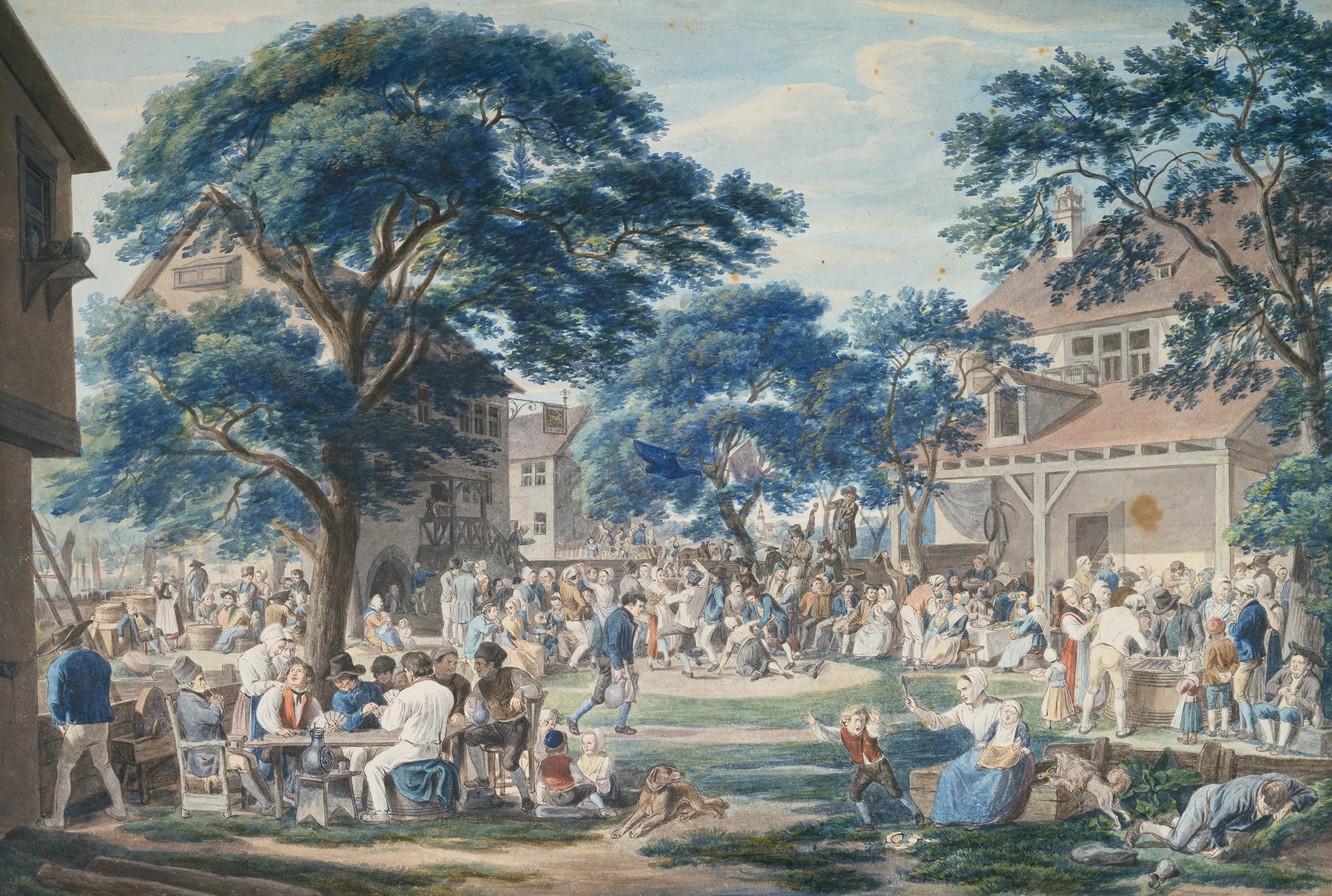
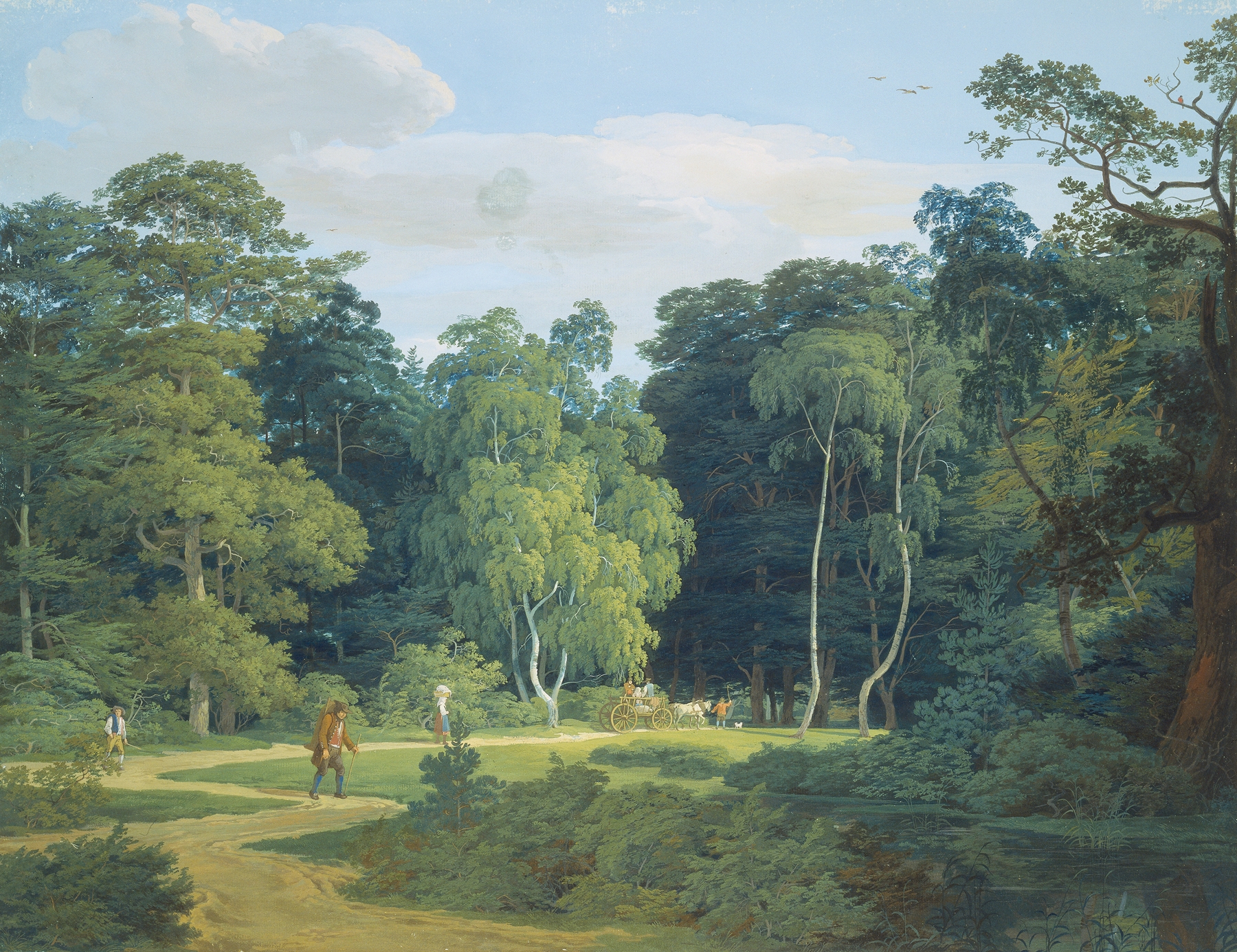
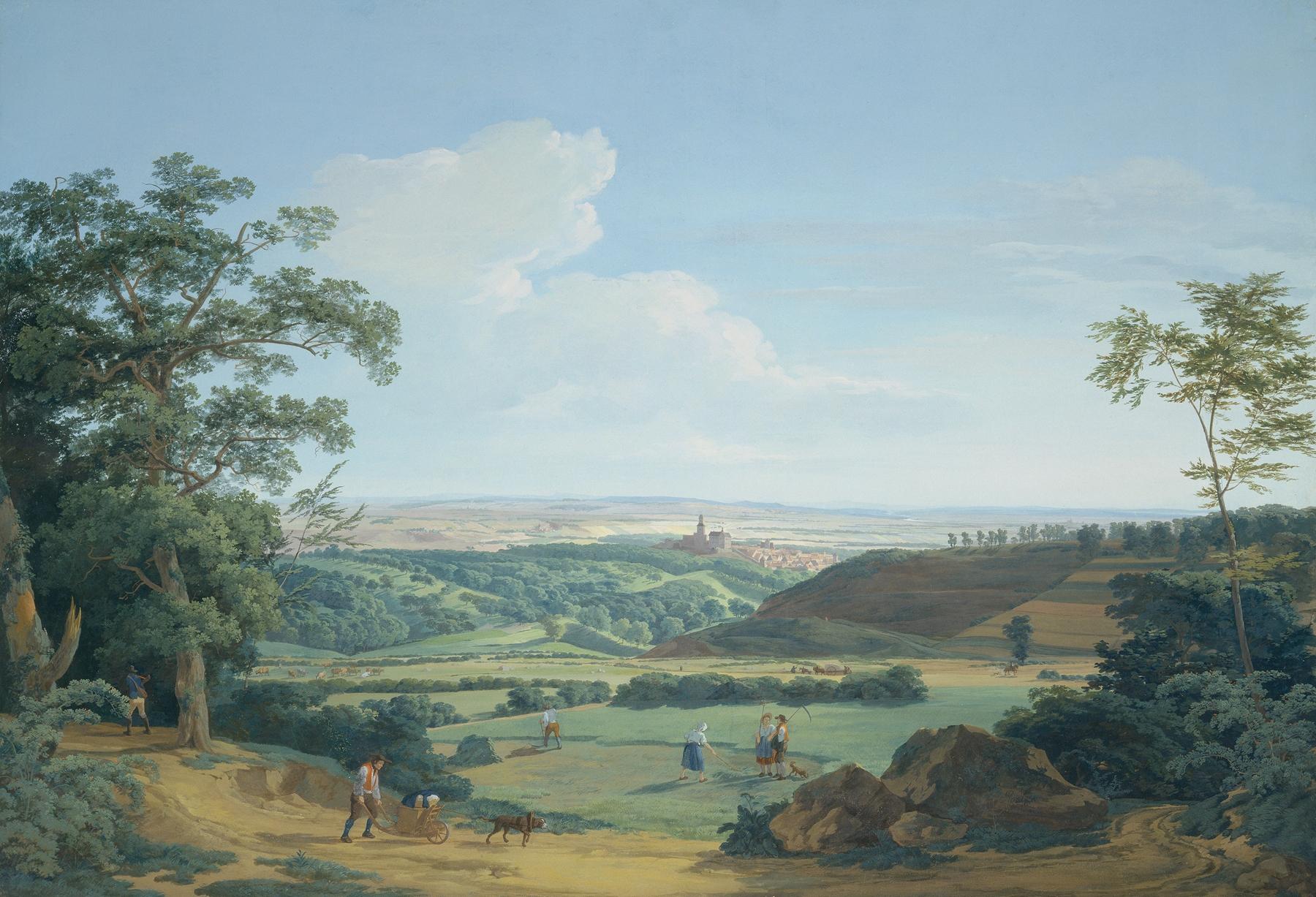
Could beauty survive in a century of chaos? Anton Radl’s Verlosung eines Hammels in der Umgebung von Frankfurt am Main invites us to explore the delicate interplay of tradition amidst the swirling currents of change. Look closely at the center of the composition, where a group of villagers gathers, their faces illuminated by the warm glow of the mid-afternoon sun. The intricate details of their clothing and the gentle expressions reveal a moment of communal anticipation as they prepare for the sheep's lottery.
Notice how the vibrant greens of the surrounding landscape contrast with the earth-toned hues of the figures, grounding the scene in both nature and humanity while highlighting the shared joy in this ritual. Delve deeper into the emotional layers within the painting. The sheep, a symbol of sacrifice and community, sits at the center, embodying both desire and fate. The expressions of the onlookers reveal a blend of hope and tension, reflecting the weight of their traditions in a rapidly evolving world.
The scene is a meditation on the push and pull between longing for connection and the inevitable march of progress that threatens to disrupt it. In 1802, Radl was navigating the shifting landscape of post-Napoleonic Europe, where local traditions clashed with modern influences. Residing in Frankfurt, he captured the essence of rural life while witnessing the transformations around him. This work serves not only as a celebration of communal spirit but also hints at the artist’s desire to preserve the beauty of human connection against the backdrop of historical upheaval.