Die Sachsenhäuser Warte zu Frankfurt am Main — History & Analysis
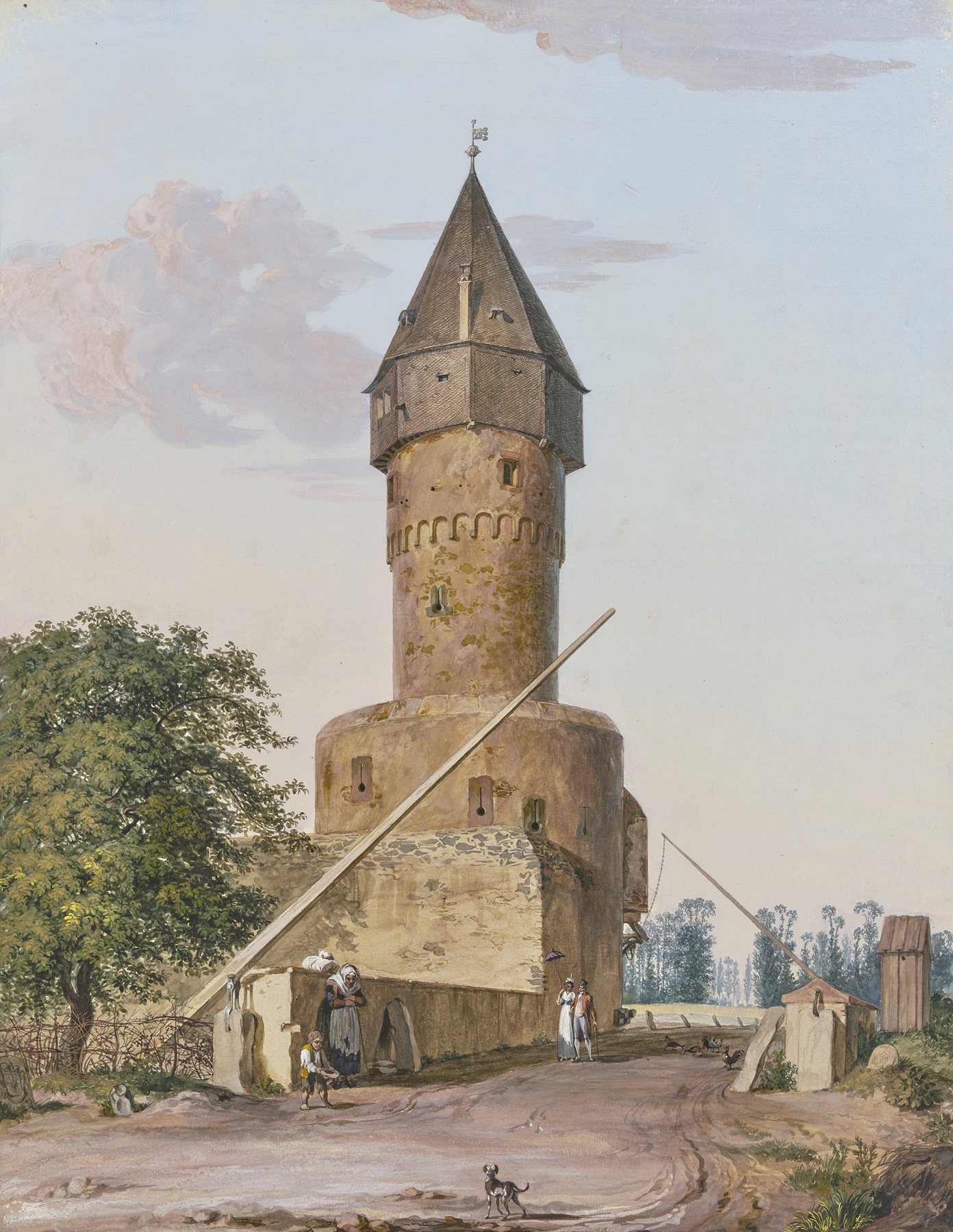
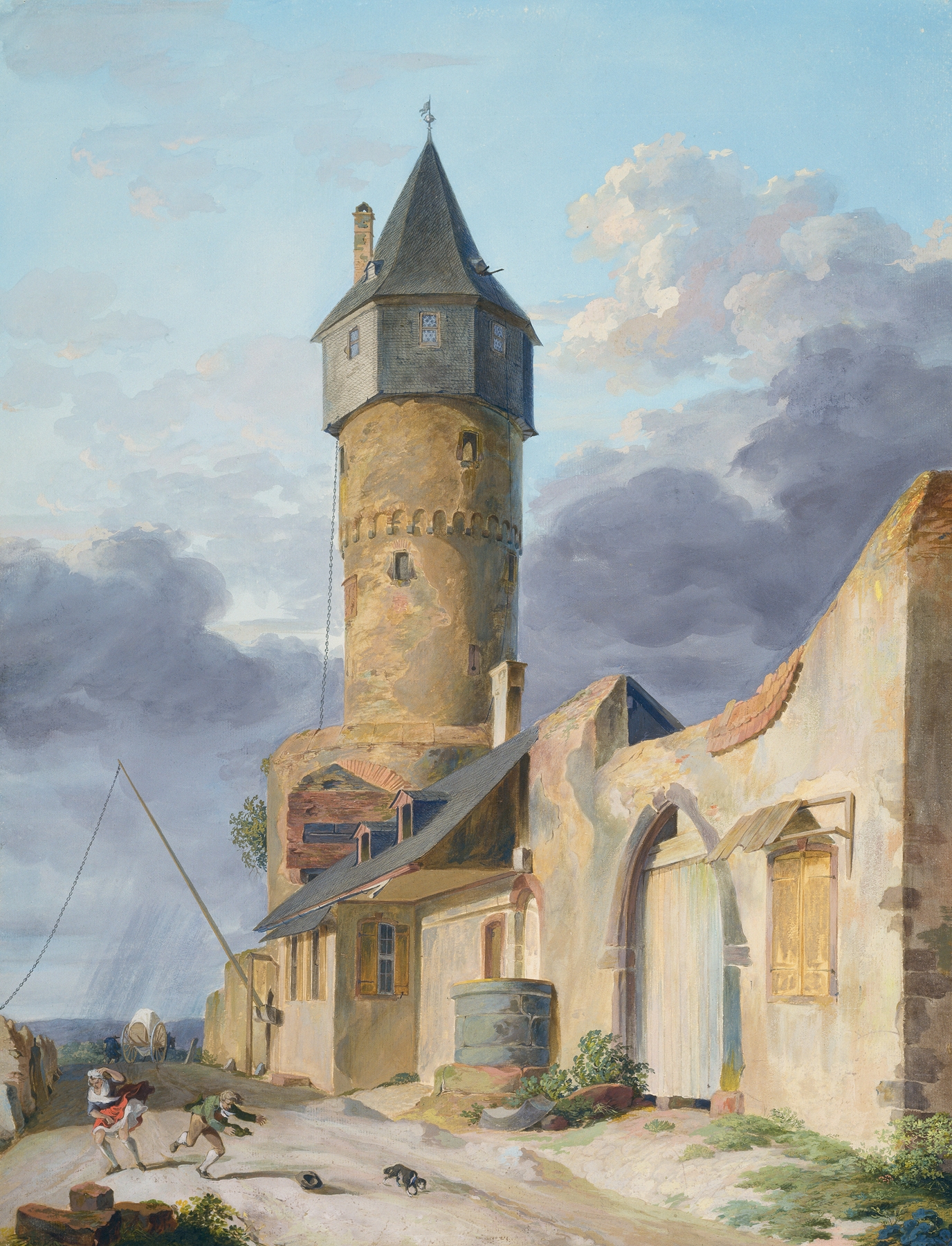
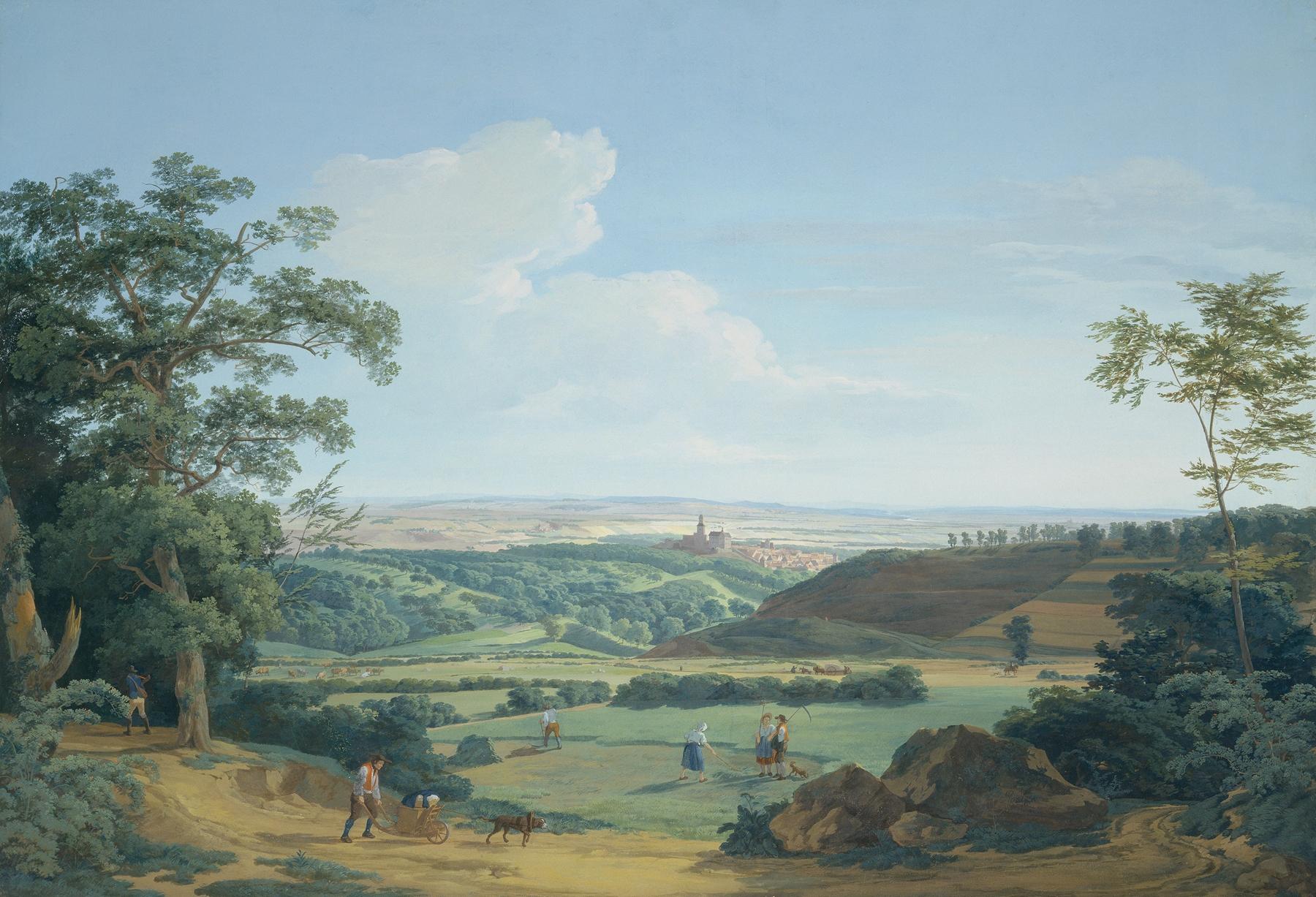
Where does light end, and longing begin? In a world often drowned in noise, the stillness of a moment can speak louder than words. Look to the center of the canvas, where a solitary watchtower stands tall against a backdrop of serenity. The textures of the stone blend seamlessly with the soft blues and grays of the sky, inviting the viewer to trace the contours of its aged walls. Notice how the light subtly bathes the tower, enhancing its stoic presence while casting gentle shadows that hint at the passage of time.
Each brushstroke conveys a sense of quietude, drawing the eye toward the horizon where earth and sky meet in a tender embrace. Delve deeper, and you’ll discover the emotional tension woven through the interplay of light and shadow. The tower symbolizes not only a physical structure but an emotional bastion, representing solitude and the weight of history. The stillness evokes a profound sense of longing, suggesting stories untold and voices unheard, as if the tower stands guardian over forgotten memories.
The palette, with its muted tones, underscores a sense of melancholy, inviting reflection on what lies beyond the frame. Created in an unspecified period, Anton Radl's work captures a moment in time when the world was undergoing significant transformation, especially in the realms of architecture and urban development. Though the precise date remains unknown, Radl was influenced by the romanticism of the era, marking a shift towards capturing the essence of place and memory. His dedication to detail reflects the broader trends in art, where artists sought to express personal narratives through the landscapes and structures that defined their environments.