Dégagement de la colonnade du Louvre — History & Analysis
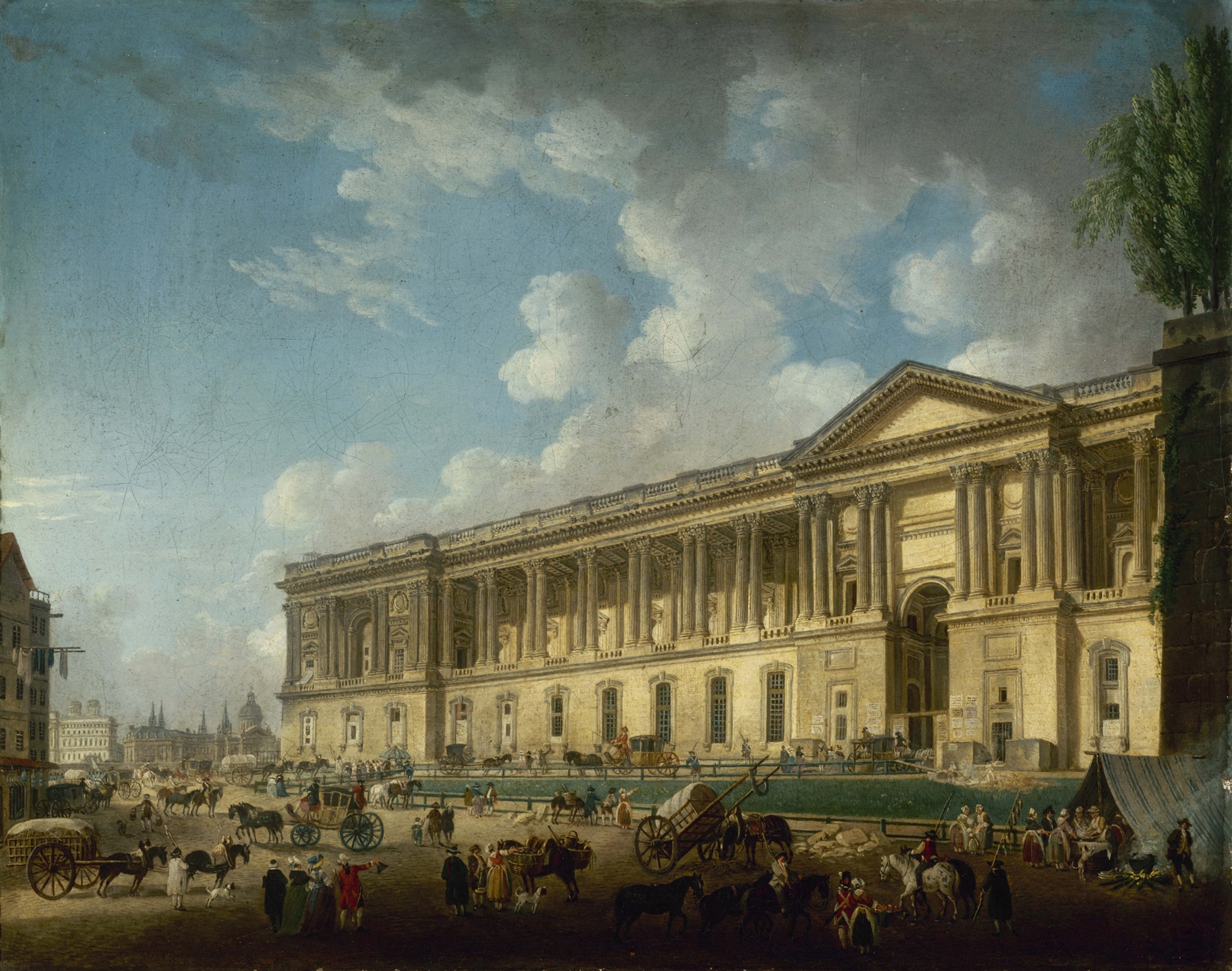
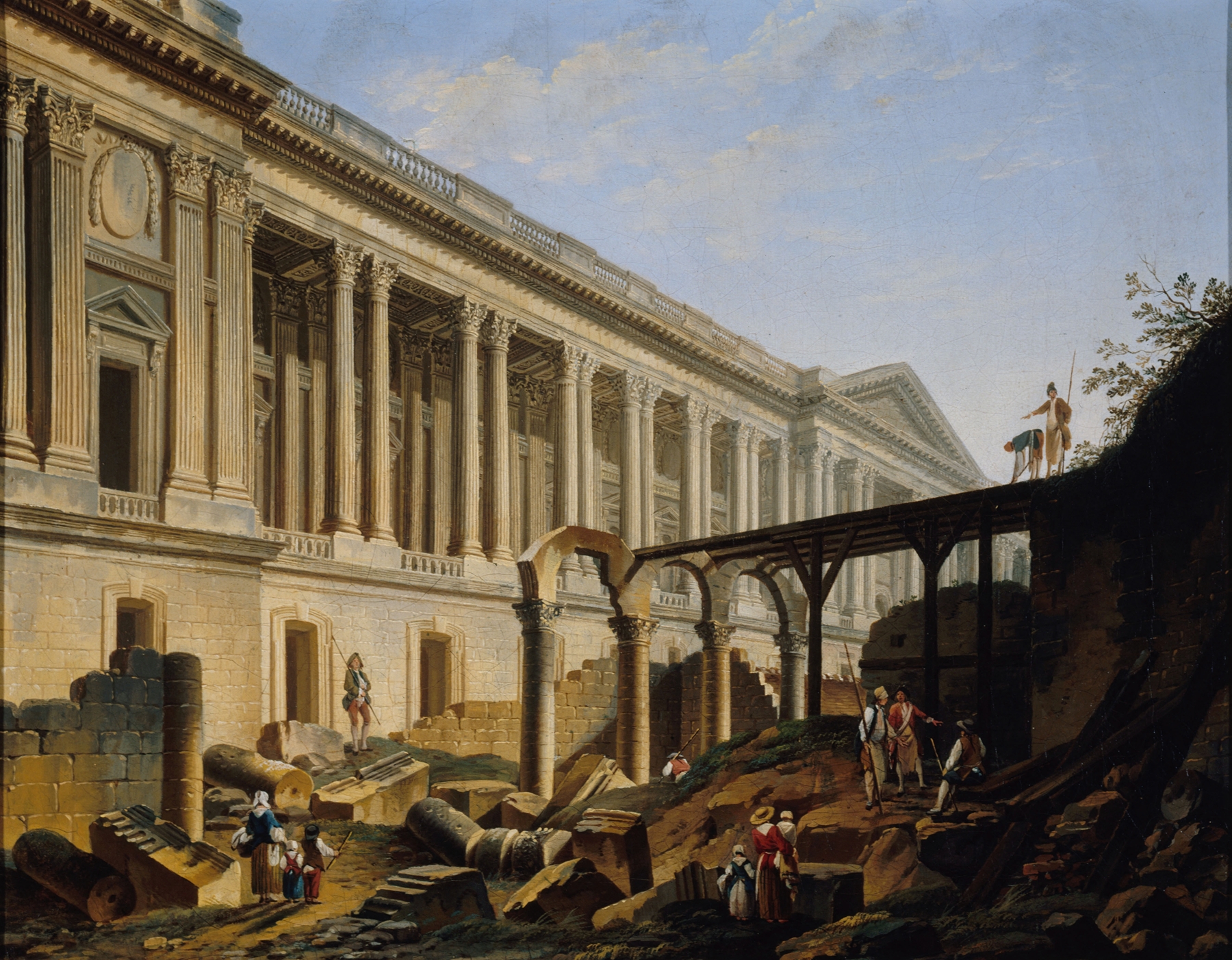
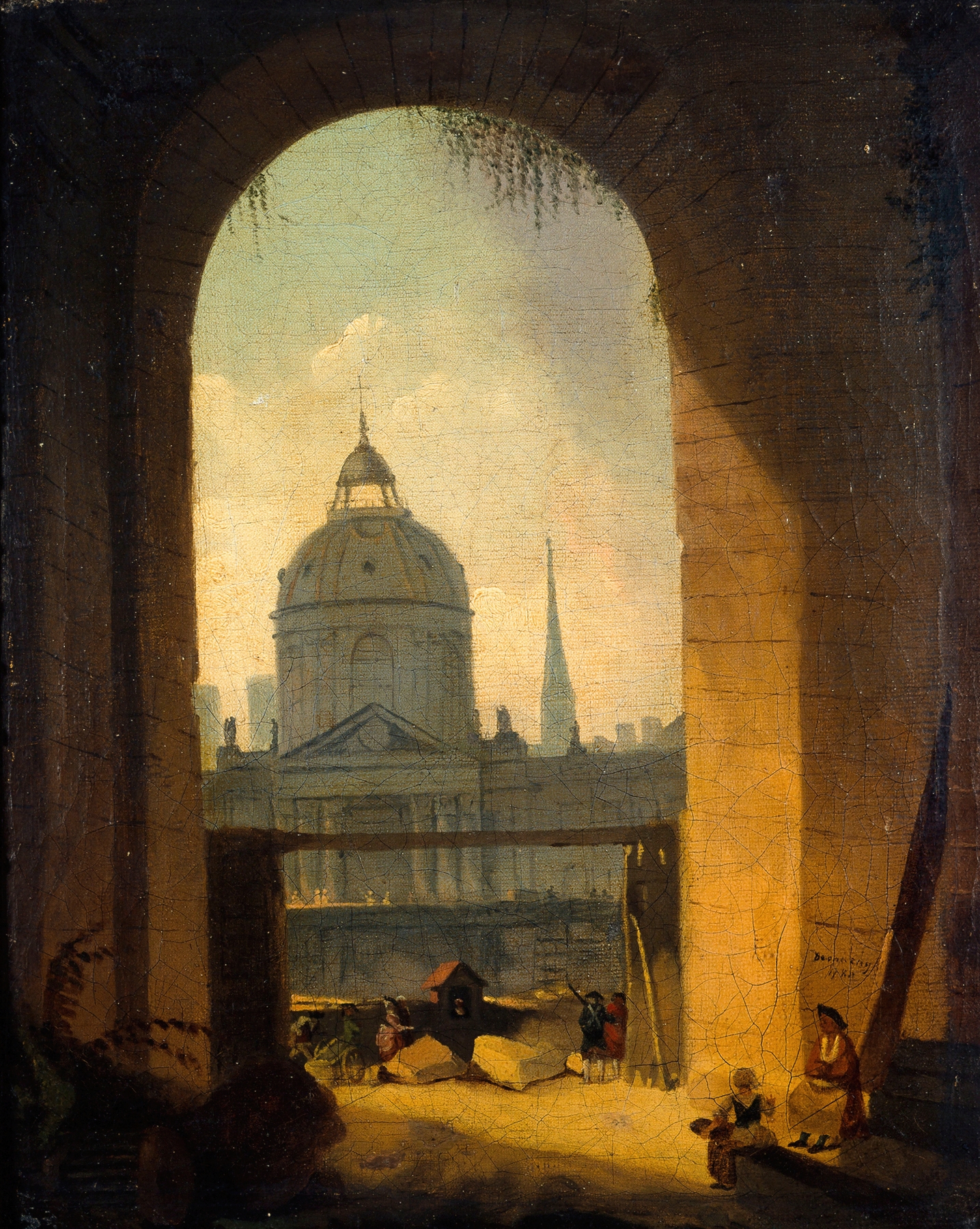
Did the painter know this moment would outlive them? In a world where time swiftly erodes the landscape, Dégagement de la colonnade du Louvre captures a fleeting, melancholic beauty that stretches across centuries. Look to the left of the canvas, where light dances on the majestic columns, illuminating their intricate details and casting elongated shadows that stretch toward the viewer. The meticulously rendered architecture stands proud against a softly painted sky, invoking a sense of grandeur and permanence.
The delicate hues of ochre and muted blues create a harmonious palette, with the brushwork revealing a sense of fluidity and life, as though the very stones breathe. Beneath the surface, the painting conveys a profound tension between the enduring nature of art and the inevitable passage of time. The figures in the foreground—tiny yet significant—symbolize the transient essence of human existence, juxtaposed against the timeless architecture that surrounds them. This contrast highlights a bittersweet recognition of our fleeting moments in the shadow of monumental creations, inviting the viewer to reflect on their own place in the continuum of life.
In 1756, Demachy created this work while immersed in the vibrant artistic climate of France, where the Rococo style was giving way to Neoclassicism. The Louvre, a symbol of cultural heritage, was undergoing transformations that mirrored the evolving philosophies of the age. Amidst these changes, the artist sought to immortalize not just a scene, but the very spirit of a monumental shift in art and society.