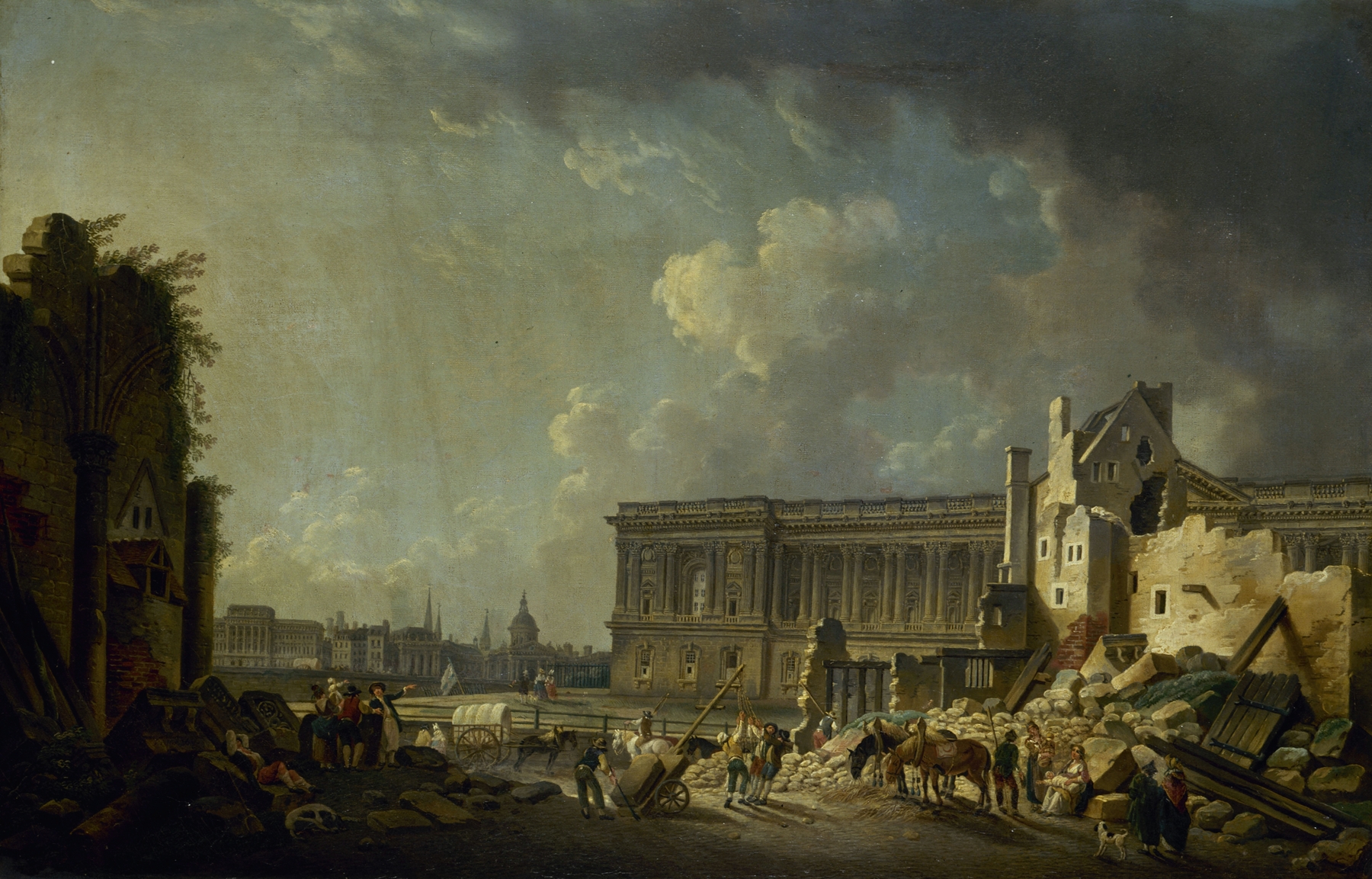
La colonnade du Louvre, nouvellement dégagée — History & Analysis
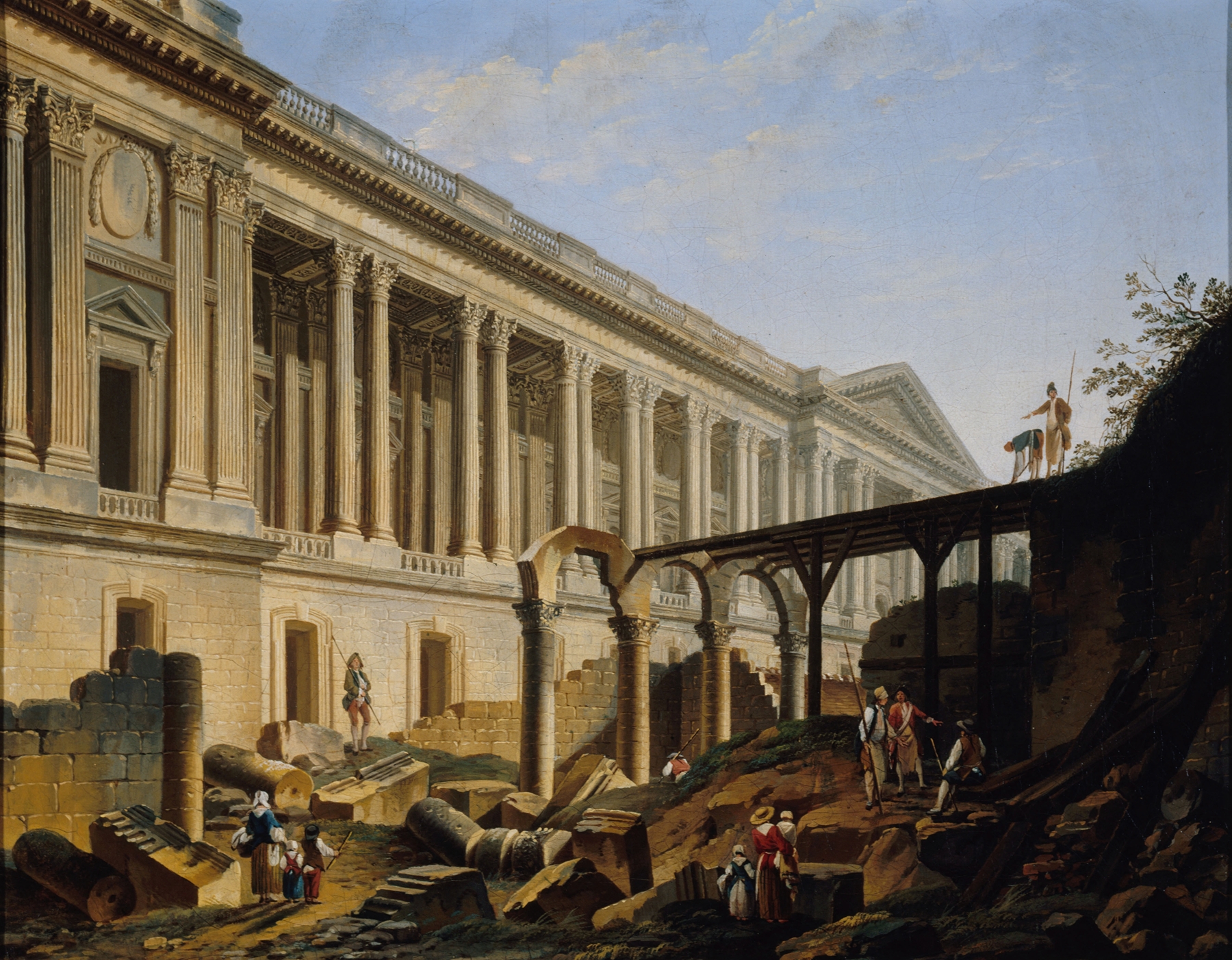
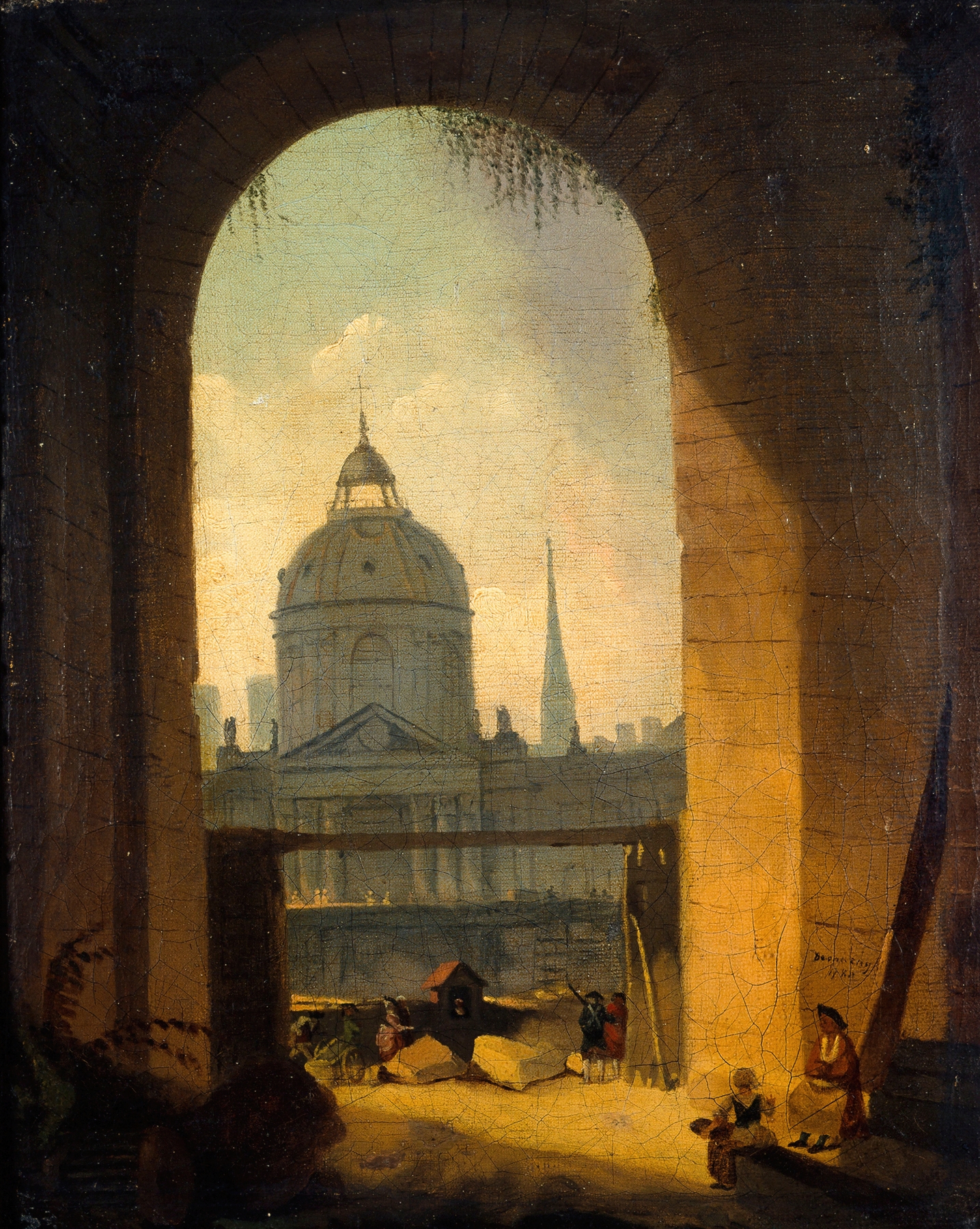
Is this a mirror — or a memory? The past lingers in the delicate archways and columns of a once-buried Louvre, beckoning us to ponder time’s relentless march while standing still. Look to the right at the gentle play of light spilling through the newly uncovered colonnade. The meticulous brushwork captures every detail—the texture of the stone, the shifting shadows, and the almost ethereal quality of the sky above.
The stark contrast between the bright foreground and the deeper tones behind entices the viewer’s gaze inwards, as if inviting us to traverse the very history that these structures embody. Notice how the vibrant sunlight not only illuminates the architectural grandeur but also casts a nostalgic glow over the scene, suggesting the passage of time. The open space invites contemplation, balancing both the permanence of stone and the fleeting nature of human experience. Small figures in the distance hint at life and movement, while the stillness of the colonnade speaks to a deeper, almost haunting solitude, a timelessness that reverberates with both memory and anticipation.
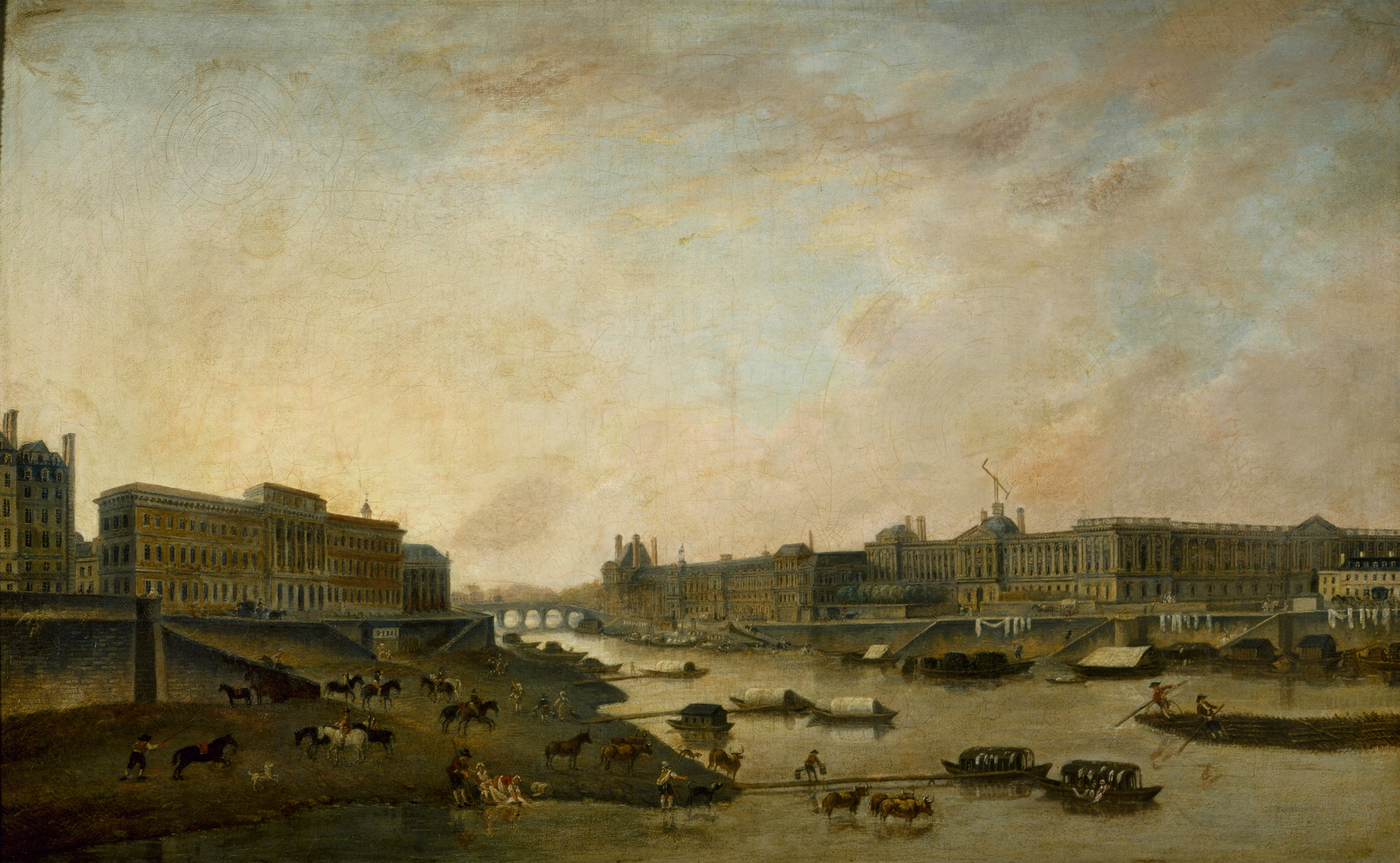
In 1773, Pierre-Antoine Demachy painted this work during a period of great change in France. The Enlightenment was in full swing, and the reimagining of public spaces reflected a burgeoning appreciation for classical ideals. The Louvre, then a royal palace, was slowly transforming into a museum, symbolizing the transition from private to public ownership of art and culture, a pivotal moment in the history of both France and the art world.