Dégagement de la colonnade du Louvre — History & Analysis
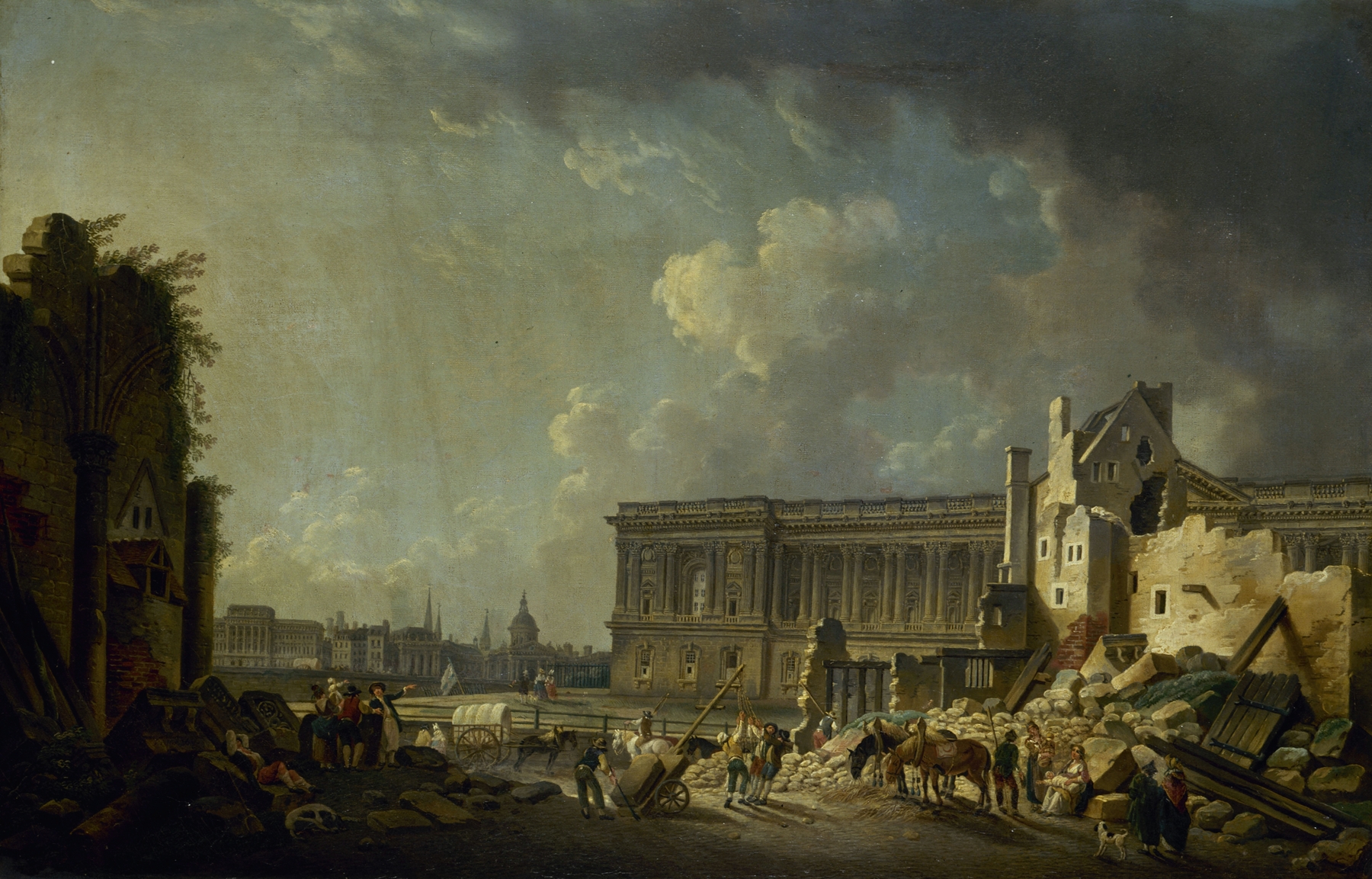
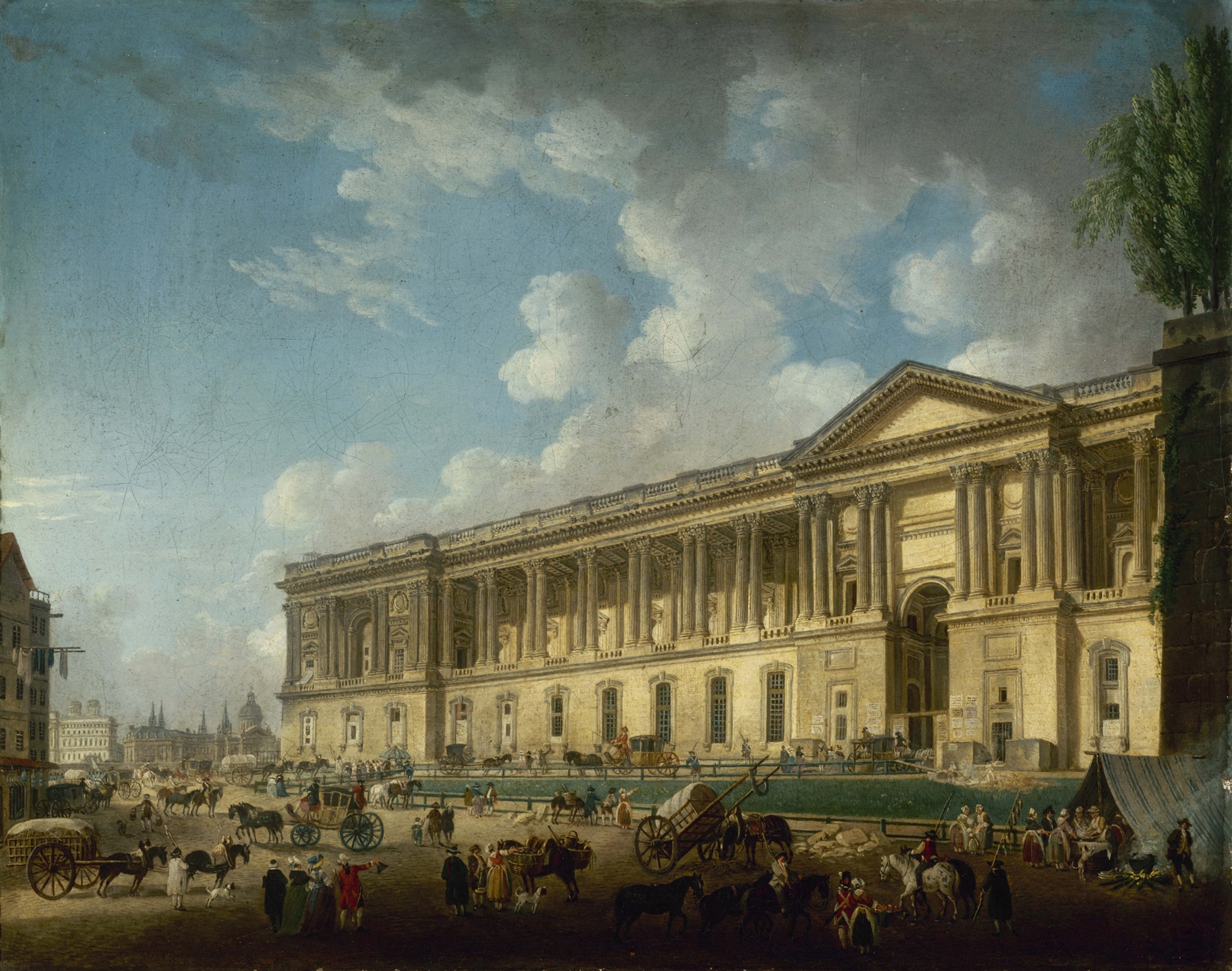
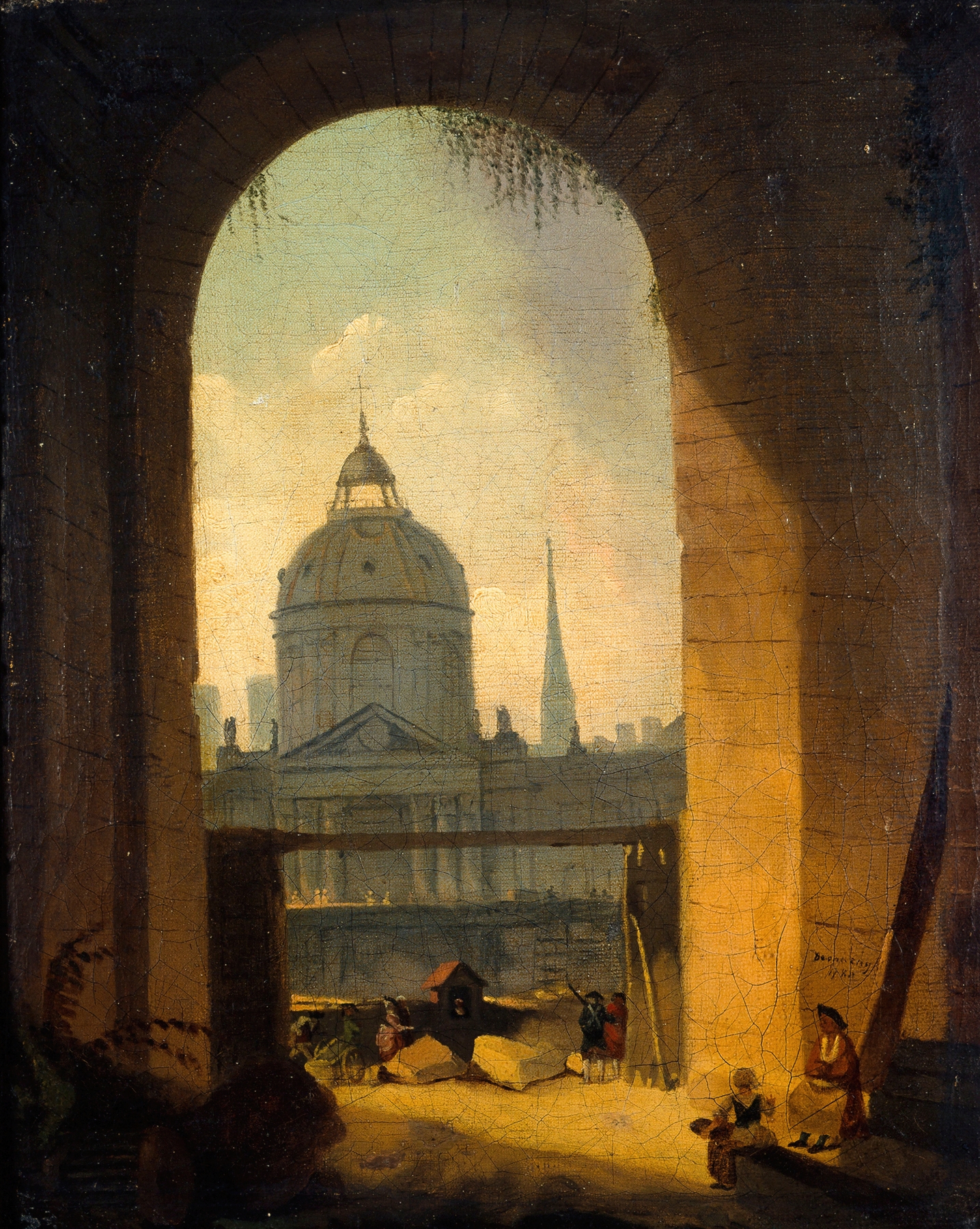
Who listens when art speaks of silence? In Dégagement de la colonnade du Louvre, a profound stillness envelops the grand architecture, inviting viewers to explore the whispers of history captured within the shadows. Focus first on the heroic colonnade stretching across the canvas, its imposing columns bathed in a gentle light that reveals their intricate details. Notice how the artist skillfully contrasts the soft hues of the stone against the darker shadows that creep along the edges, creating a sense of depth.
This interplay of light and dark draws your eye along the lines of the structure, while the meticulously painted figures below lend a sense of scale and life to the monumental scene. Yet, it’s the absence of overwhelming activity that carries the emotional weight. The figures, though engaged in their own pursuits, appear dwarfed by the colonnade, emphasizing humanity’s place within the grand narrative of architecture. The shadows, far from mere absence, symbolize the layers of history and memory that permeate the space, hinting at stories untold.
Within this stillness lies a tension between the grandeur of the structure and the fleeting nature of human existence. Demachy painted this work in 1764, during a time when neoclassicism was rising in France, reflecting a renewed interest in the ideals of antiquity. He was influenced by the architectural beauty surrounding him in Paris, particularly the Louvre, which was in the midst of transformation. This period marked a significant moment in art history, as artists sought to convey not just the visual, but also the deeper meanings and emotions embedded within their subjects.