La foire Saint-Germain après l’incendie de la nuit du 16 au 17 mars 1762 — History & Analysis
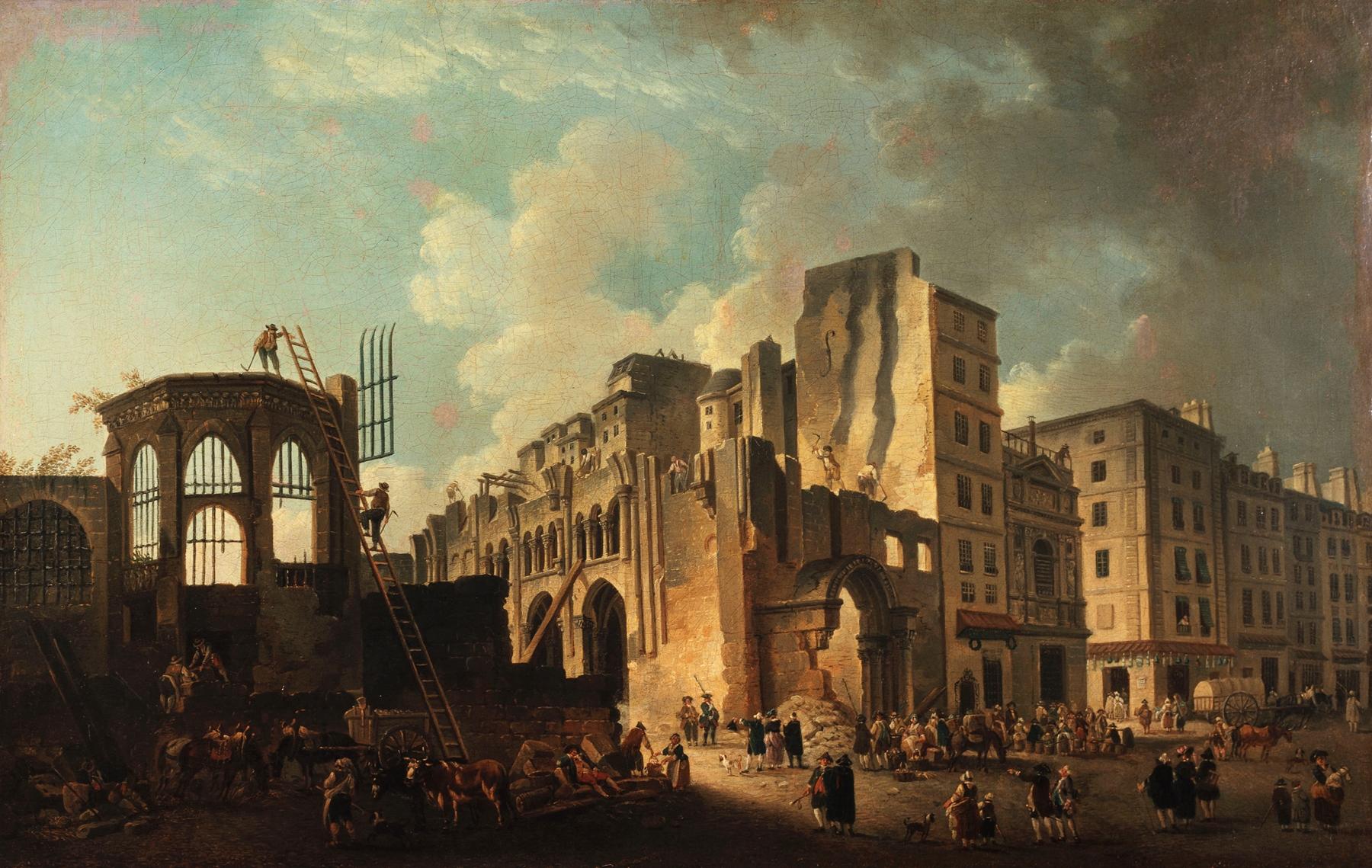
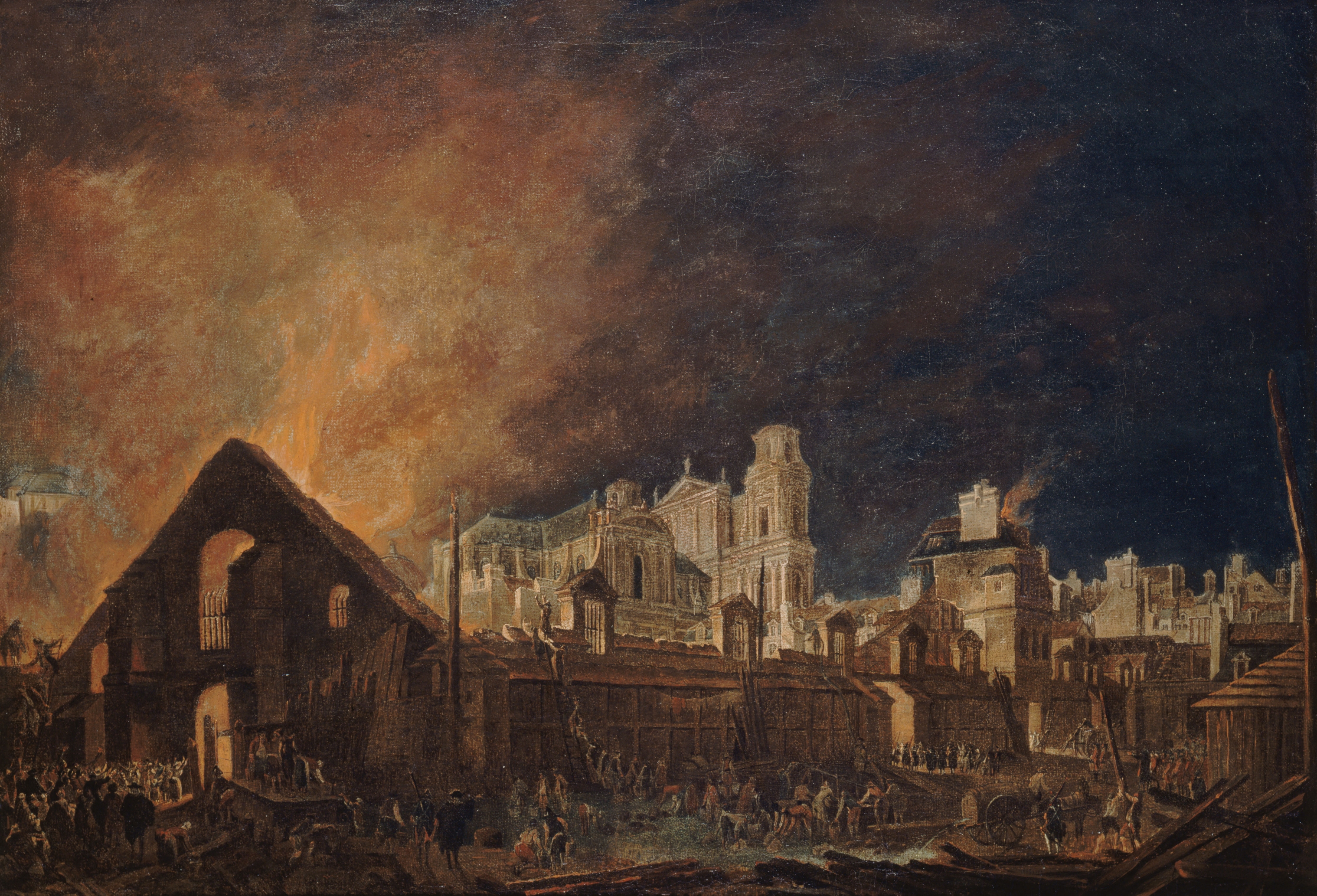
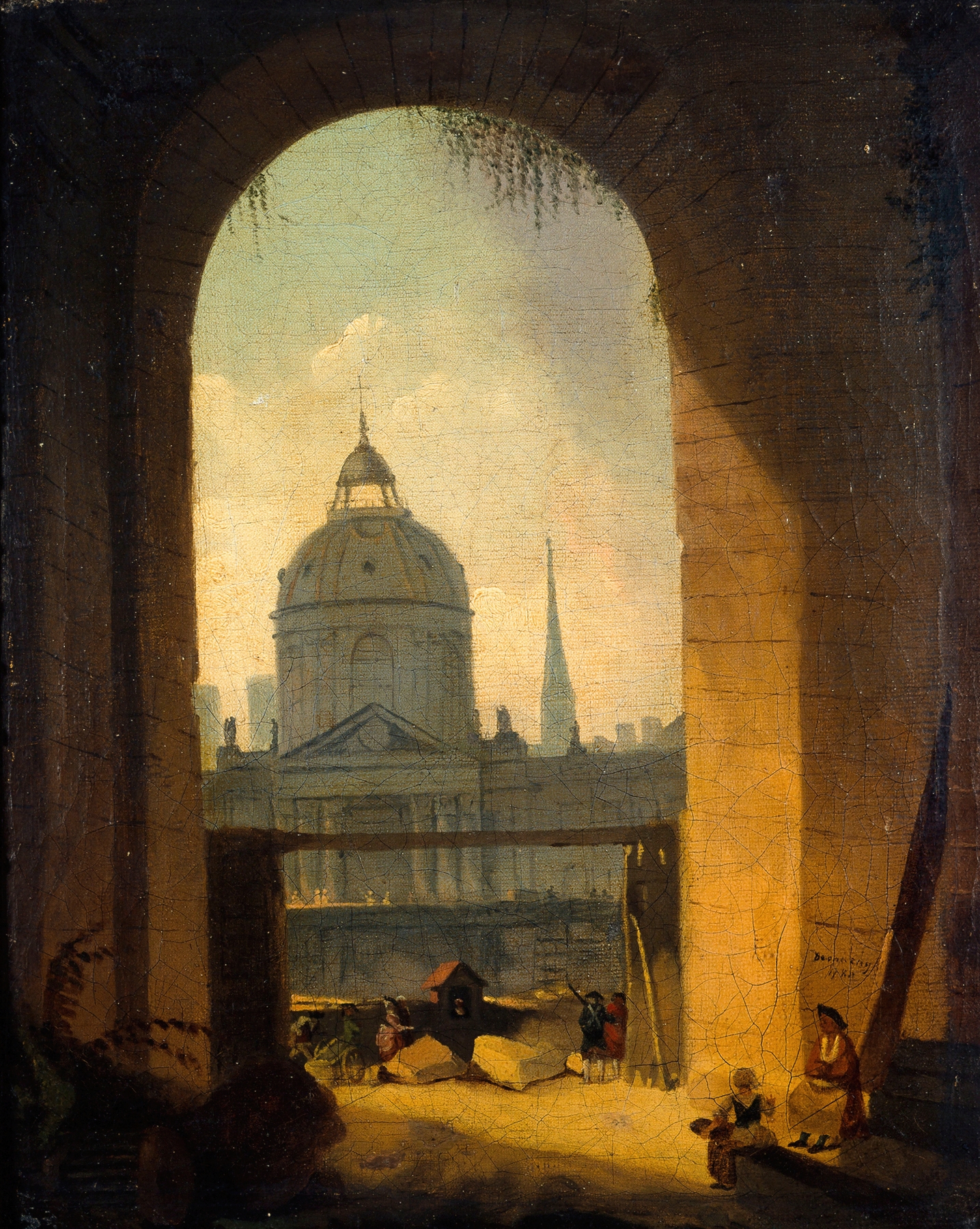
What secret hides in the quiet of the canvas? Beneath the calm facade of La foire Saint-Germain après l’incendie de la nuit du 16 au 17 mars 1762, a world teeters on the brink of revolution. Look to the center, where the charred remains of the fairground frame a gathering of people, each figure rendered with meticulous detail. Notice how the light plays upon the ashes and debris, contrasting the somber colors of burnt wood with the vibrancy of the crowd's attire.
The composition draws your eye along the diagonal lines created by the tents, leading you deeper into the scene, suggesting both chaos and community in the aftermath of destruction. Yet, within this gathering, deeper tensions simmer. The juxtaposition of life against the backdrop of devastation speaks to resilience and fragility, as if each individual is both mourning and celebrating. The faces reflect a spectrum of emotions, embodying the unspoken stories of loss and hope.
The flames that once raged now hover in the past, but their impact lingers—it is a moment captured before the echoes of change sweep through society. In 1762, Pierre-Antoine Demachy was entrenched in the art scene of Paris, a city grappling with social upheaval and emerging ideas of reform. He painted this piece shortly after a significant fire devastated the fair, an event that symbolized more than physical destruction—it was a precursor to the tumultuous shifts in French society. As the old order began to crumble, this painting serves as a poignant reflection of a city on the cusp of transformation.