Dutch Shipping — History & Analysis
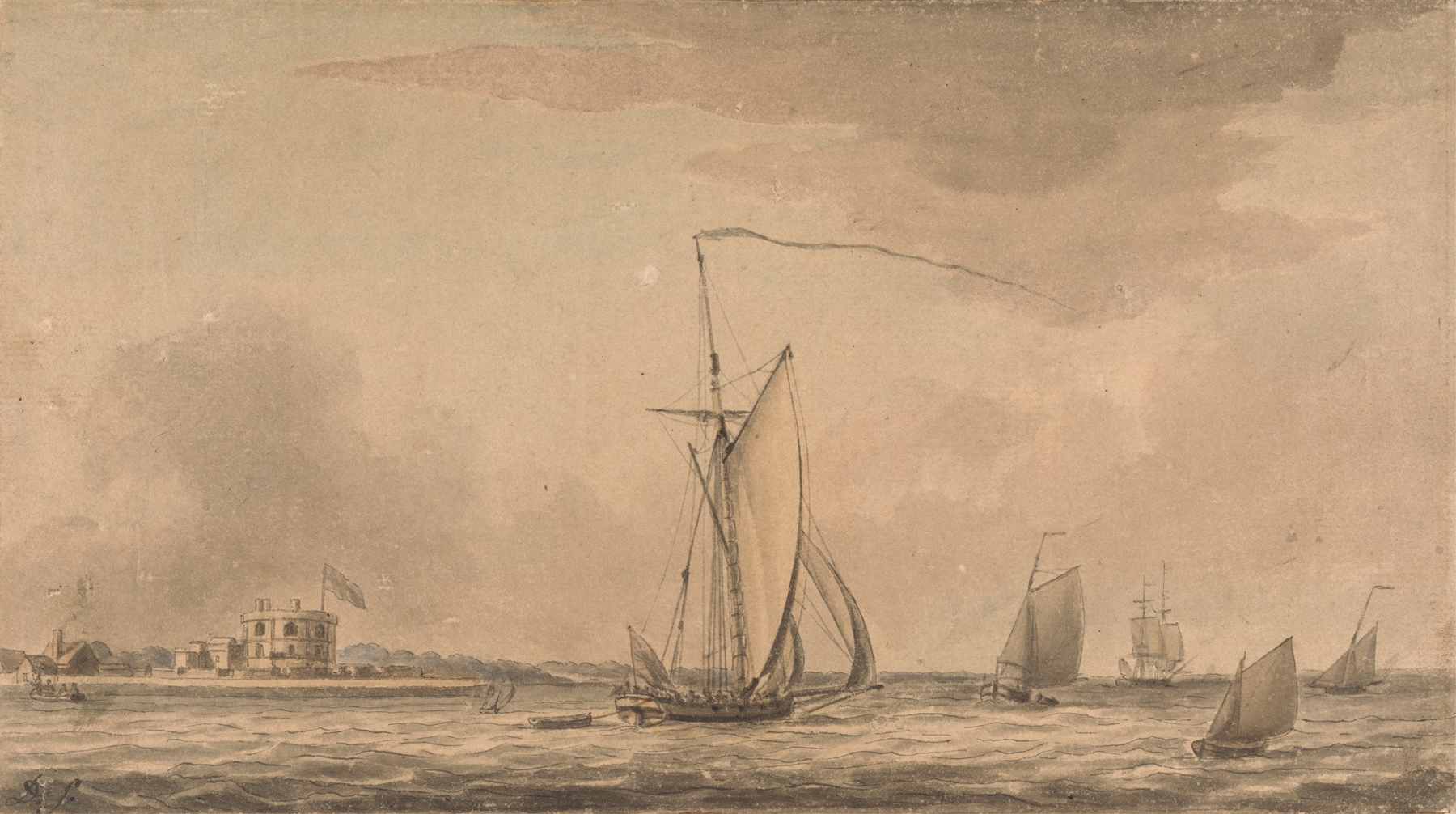
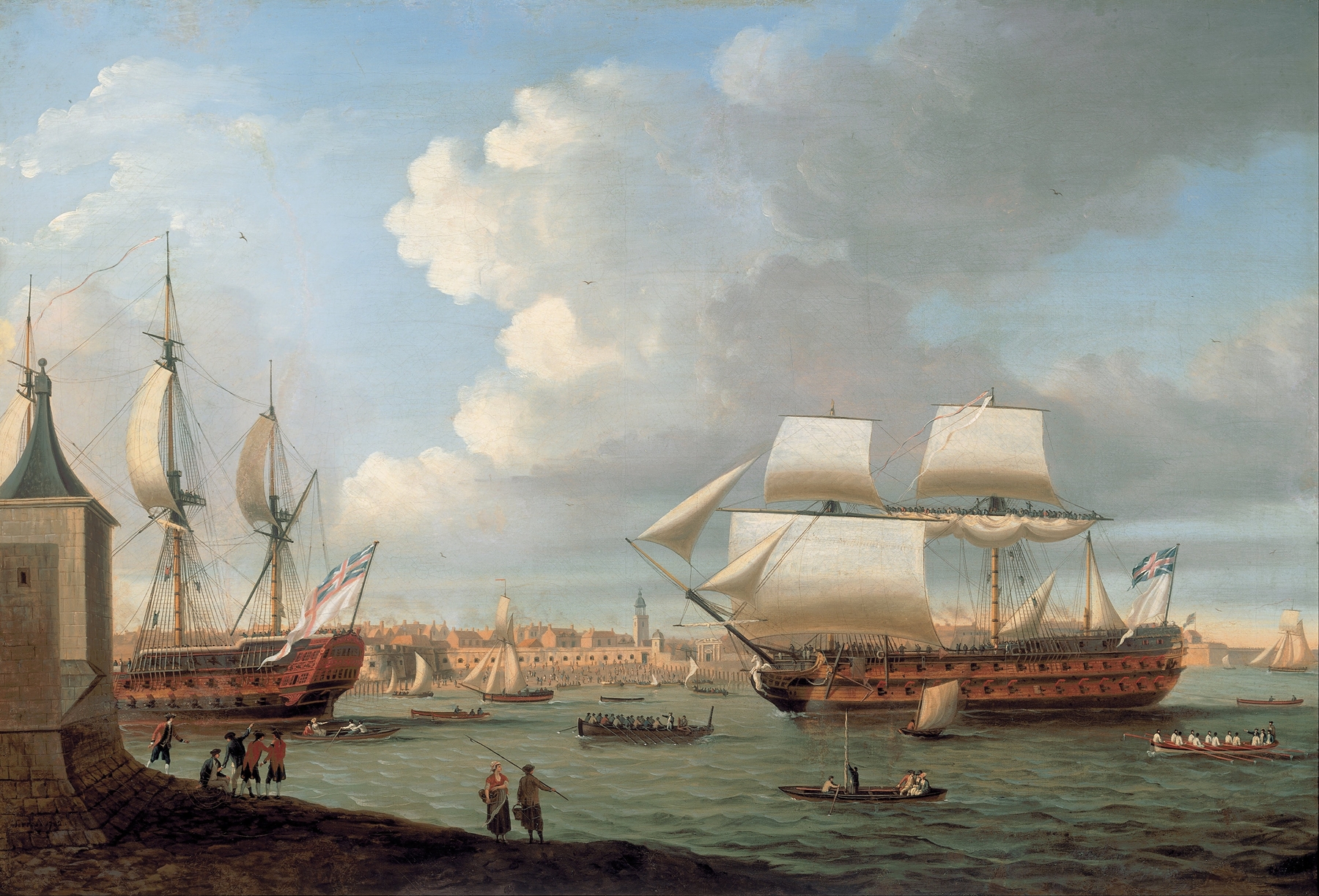
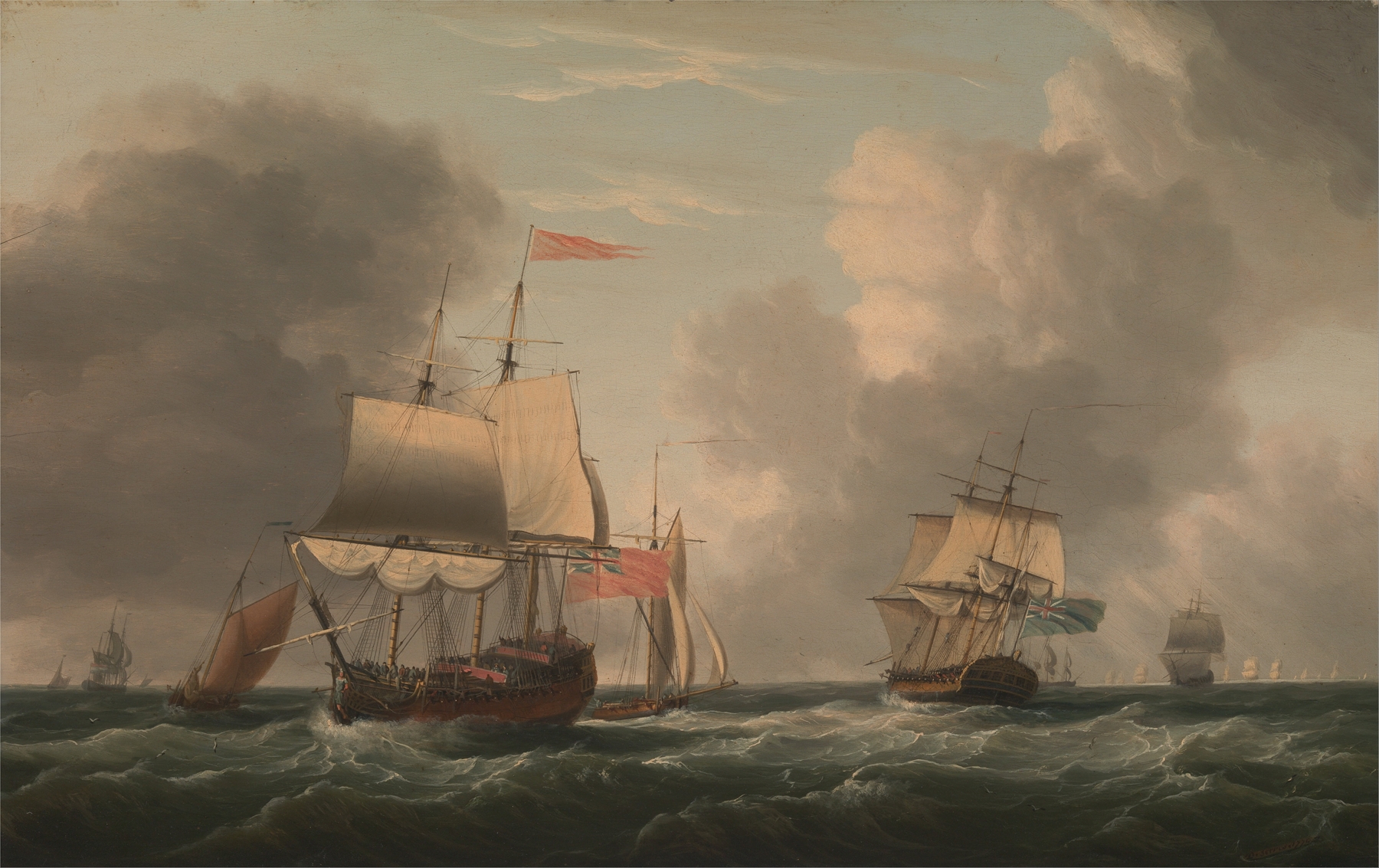
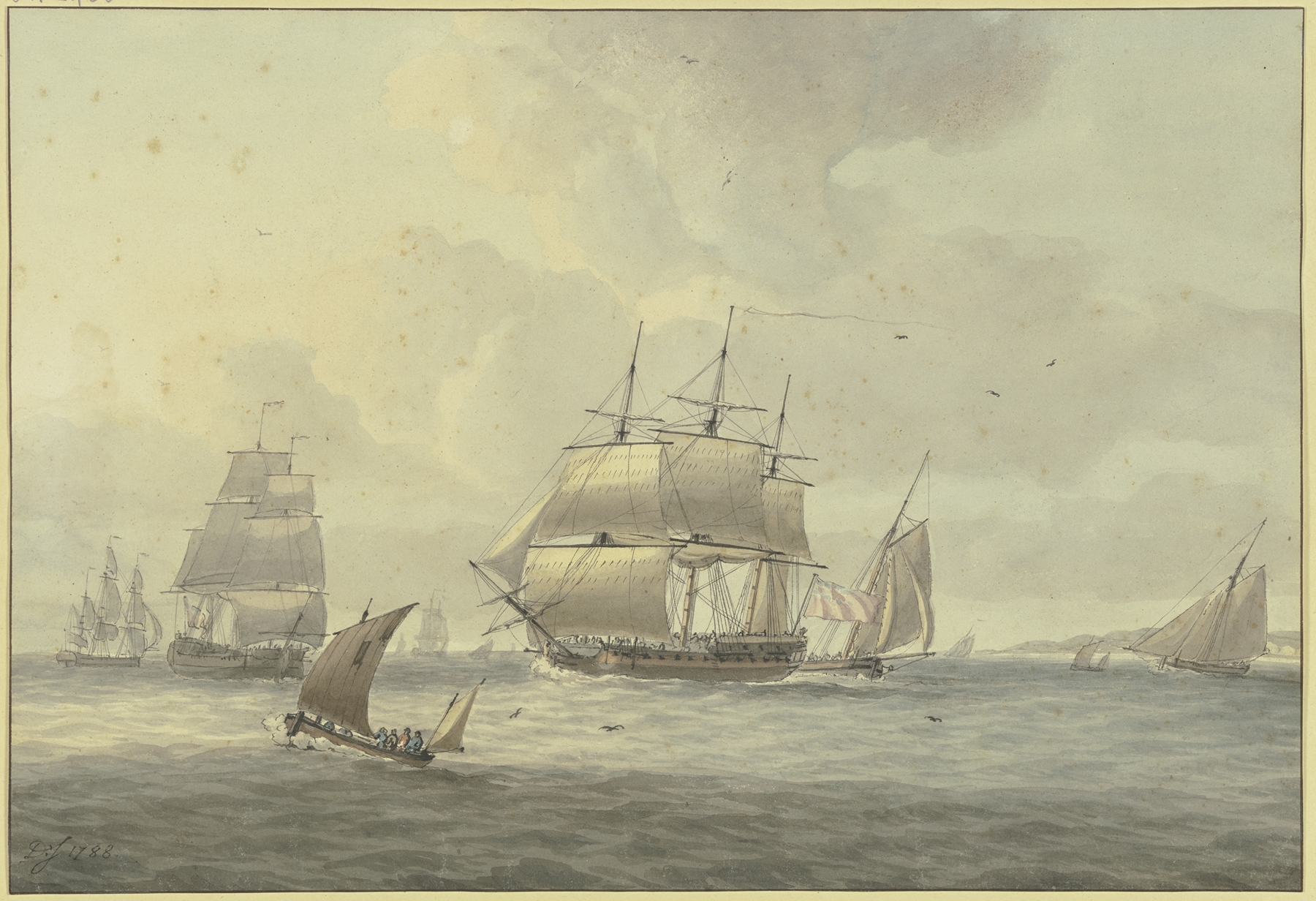
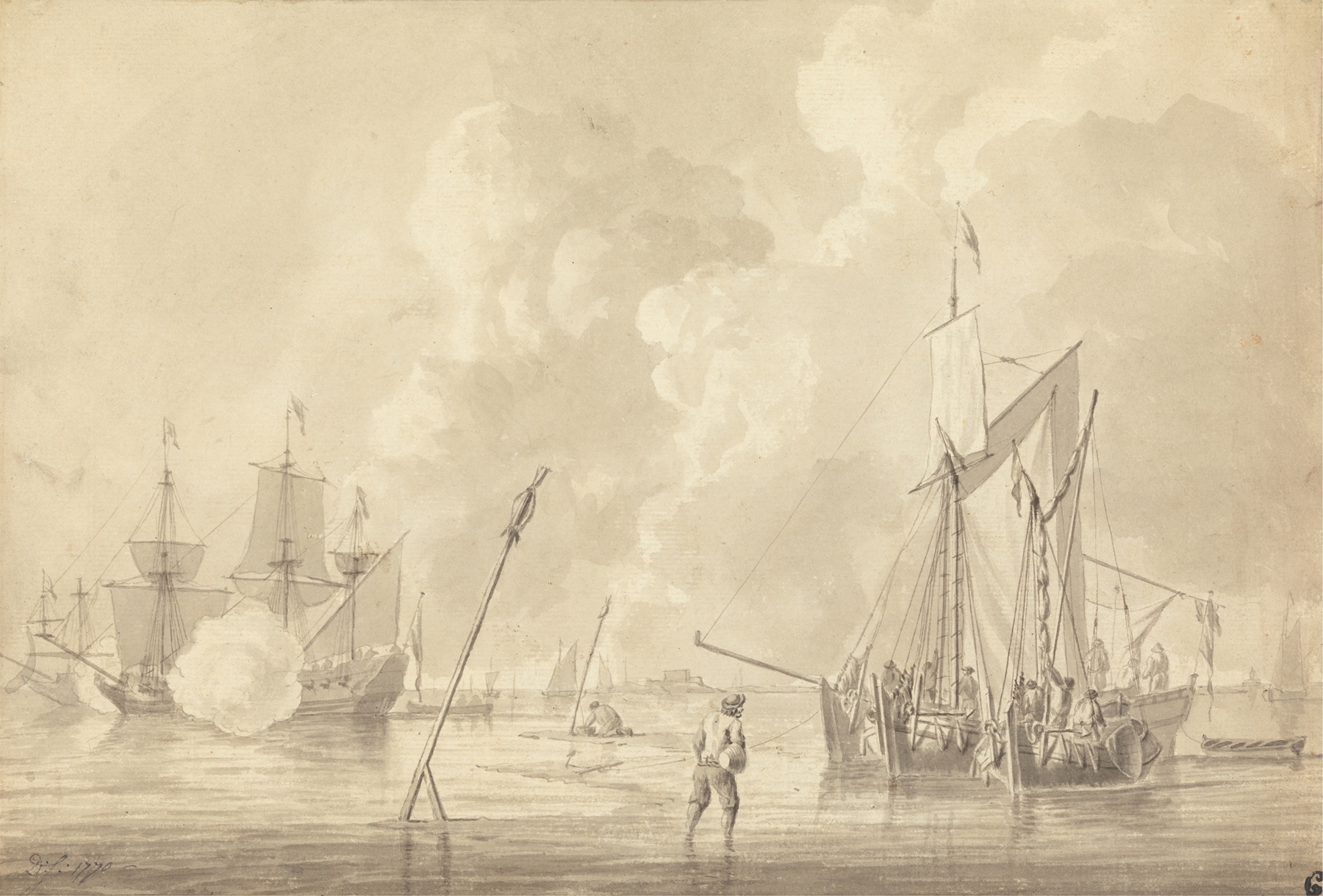
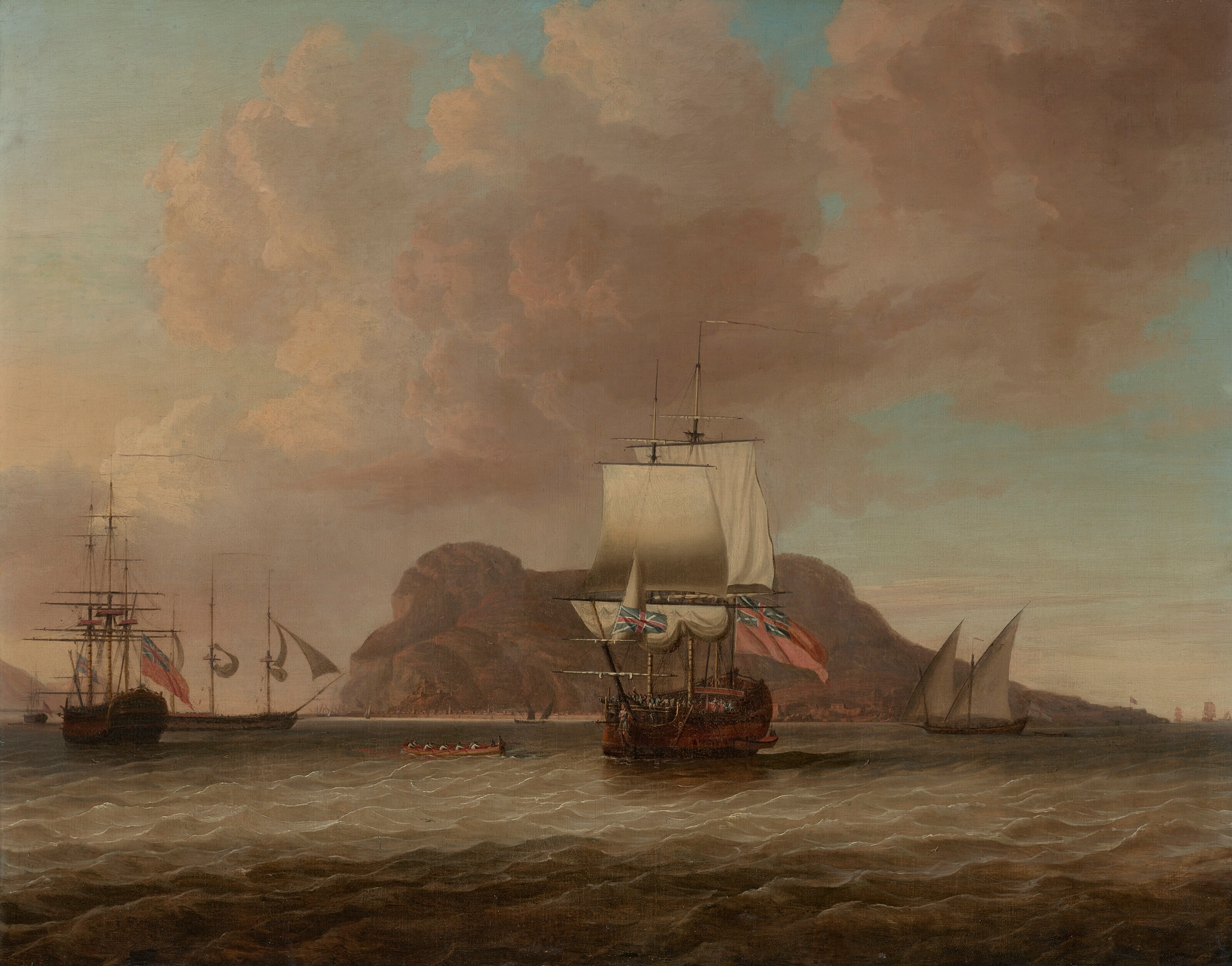
Did the painter know this moment would outlive them? In Dutch Shipping, the quiet flow of water and the majesty of vessels evoke a profound sense of loss, as the passage of time bears witness to the impermanence of life. Look to the left at the billowing sails, their crisp, white fabric almost luminous against the muted backdrop of dusk. Notice how the light glints off the water’s surface, creating a shimmering path that leads the eye toward the horizon.
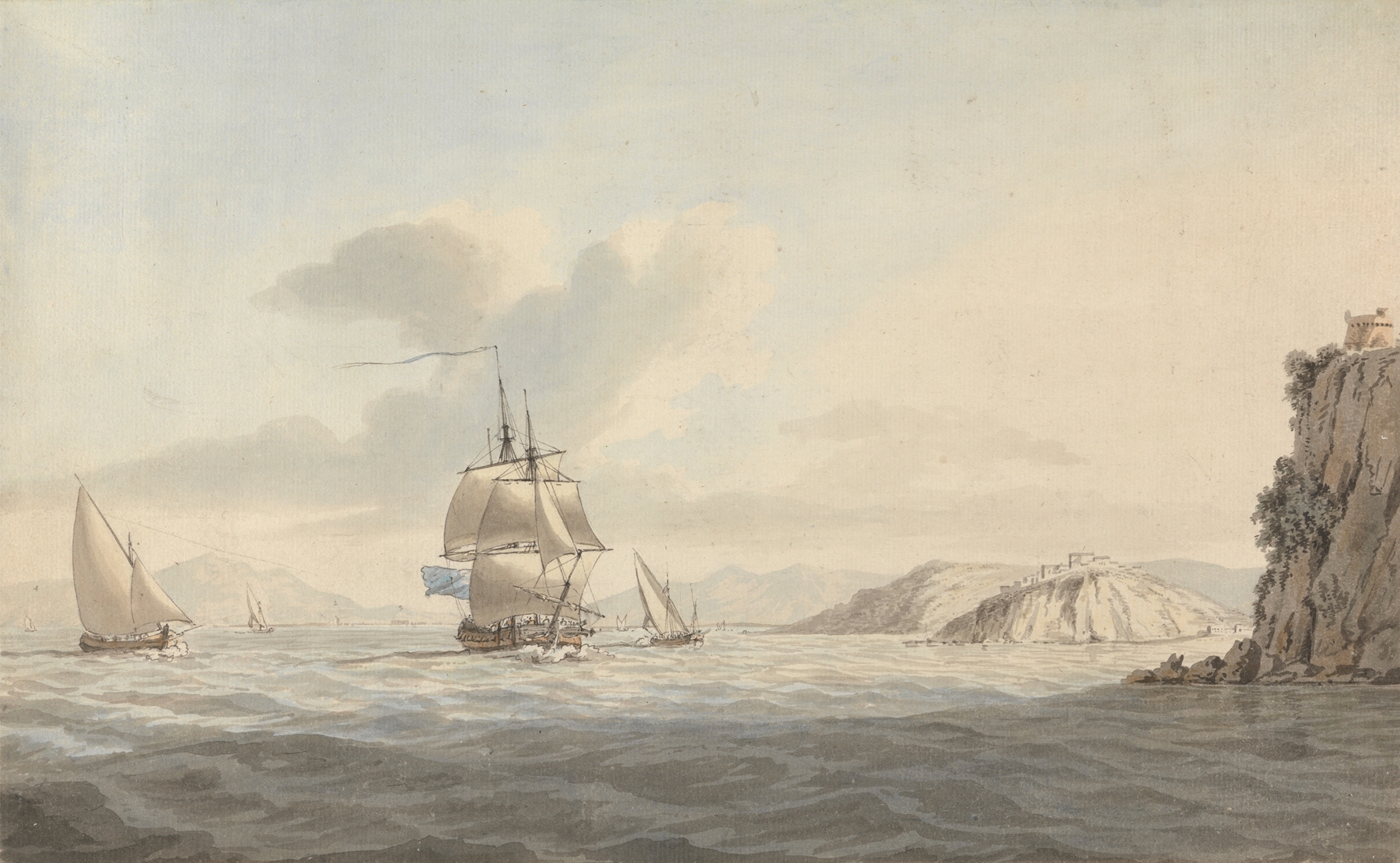
The rich, earthy tones of the boats contrast with the cool blues and grays of the sky, establishing a delicate balance between strength and fragility. Each brushstroke captures the essence of movement, suggesting both the vibrancy of the moment and the inevitable passage into stillness. As you gaze deeper into the composition, consider the juxtaposition of the sturdy ships against the vast, open sea. This contrast speaks not only to the resilience of human endeavor but also to the vulnerability inherent in it.
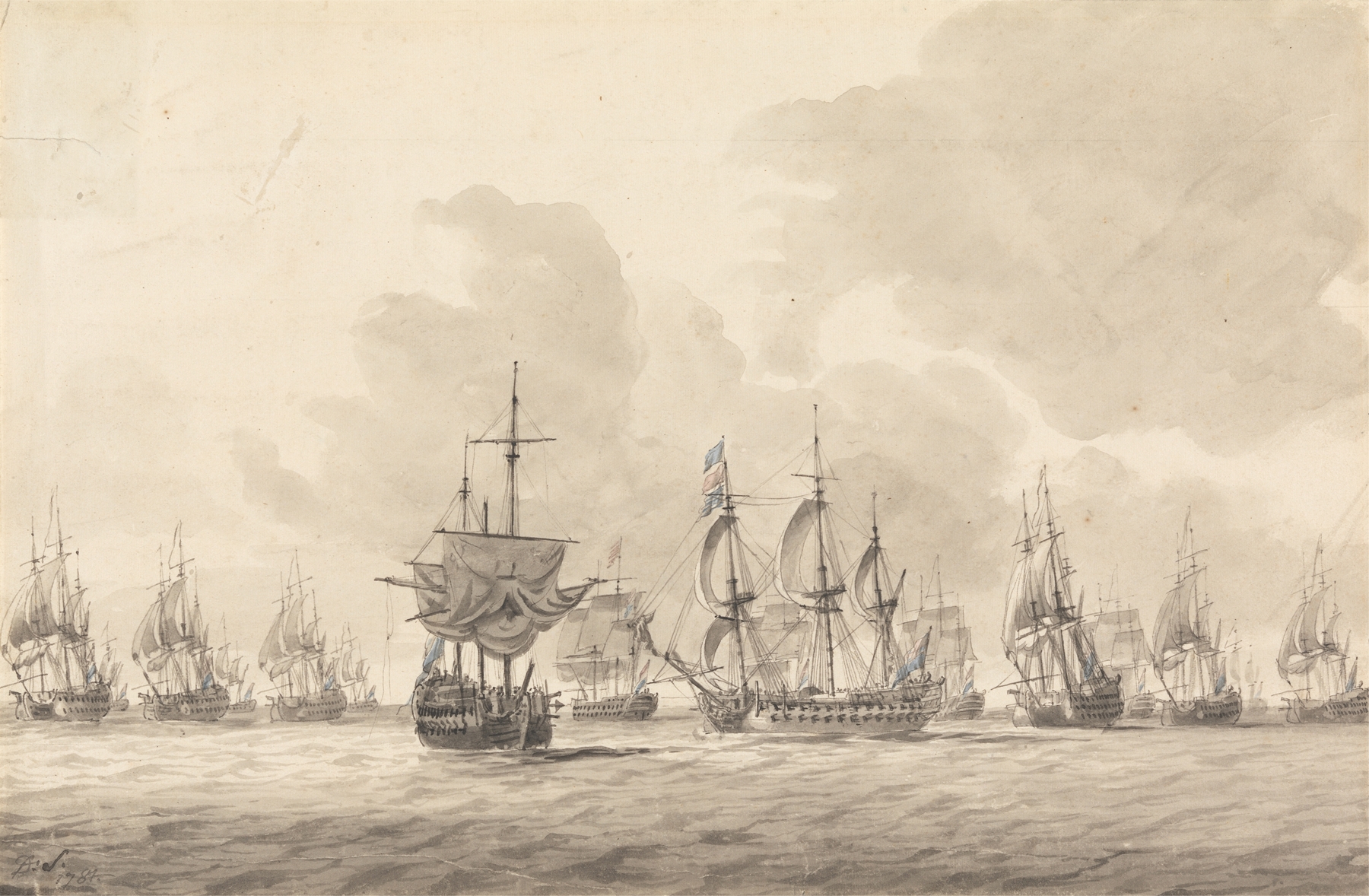
The scene may be of commerce and trade, yet it hints at the relentless tides of change that can sweep away even the most steadfast of ambitions. Each vessel can symbolize a dream or relationship adrift, underscoring a bittersweet notion of loss that permeates the work. Dominic Serres painted this scene amidst a burgeoning maritime industry in the late 18th century, a time when the power of naval fleets was both a source of pride and a sign of the shifting global landscape. As he captured the essence of Dutch shipping, he found himself in an artistic environment that embraced realism while also welcoming the nuances of emotion, reflecting a world in transition.