Encampment at West Point — History & Analysis
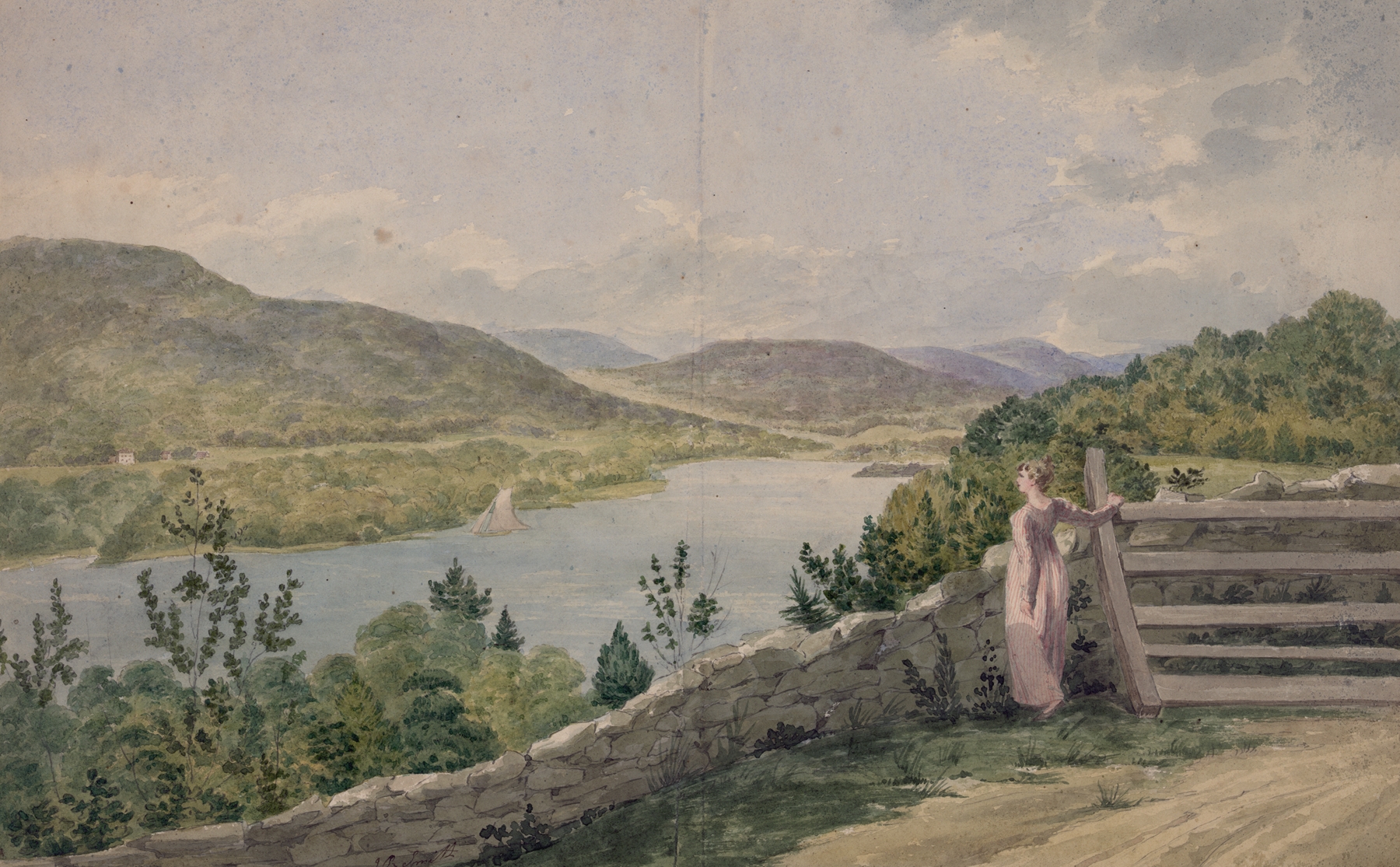
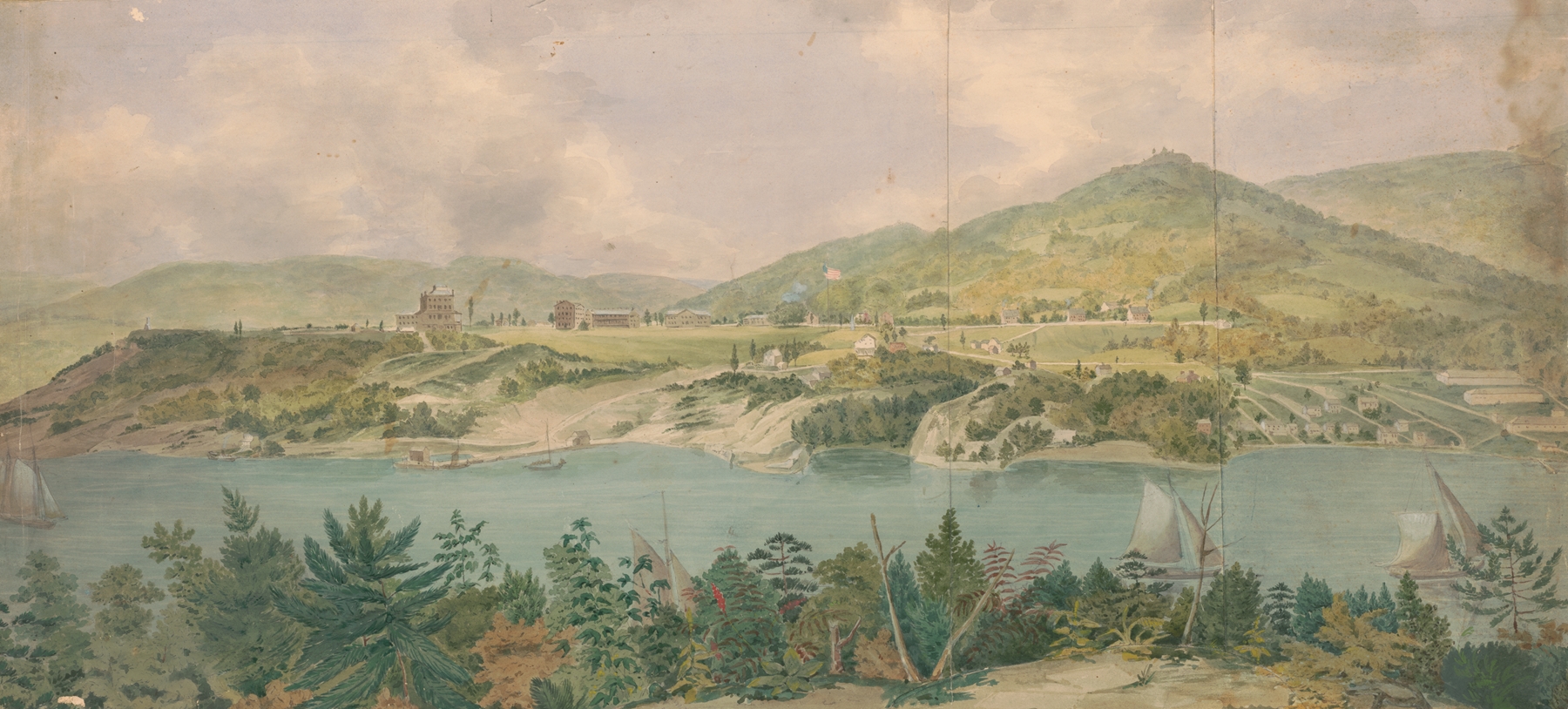
Where does light end, and longing begin? In the delicate interplay of shadow and illumination, we find the essence of memory, of place, of the heart's yearning for connection. Focus first on the soft golden light bathing the encampment, spilling gently over tents and figures, creating a warm cocoon amidst the rugged landscape. The composition draws the eye to the central tent, its vibrant white contrasting against the muted greens of nature, inviting a sense of calmness.
Notice how the artist employs light not just as a physical presence, but as an emotional anchor, directing our gaze to the soldiers engaged in their daily tasks, their forms softened by the diffusing glow. But beyond the tranquility lies an undercurrent of tension. The juxtaposition of the soldier's labor against the serene backdrop hints at the weight of duty and the bittersweet nature of camaraderie. Look closely at the distant mountains, shrouded in mist; they symbolize both the challenges ahead and the dreams that linger in the minds of these men.
The interplay of light and shadow here mirrors the dichotomy of their experiences—hope intertwined with the specter of uncertainty. Created in 1820, this piece reflects a period in the artist's life marked by a deep commitment to capturing the American landscape and its stories. Working in New York, Smith was immersed in the burgeoning Romantic movement, striving to convey the beauty and struggles of the nation through his art. As the country grappled with its identity, his depiction of this encampment resonates with the broader themes of exploration and the pursuit of fulfillment in an ever-evolving world.