Entering Bergen — History & Analysis
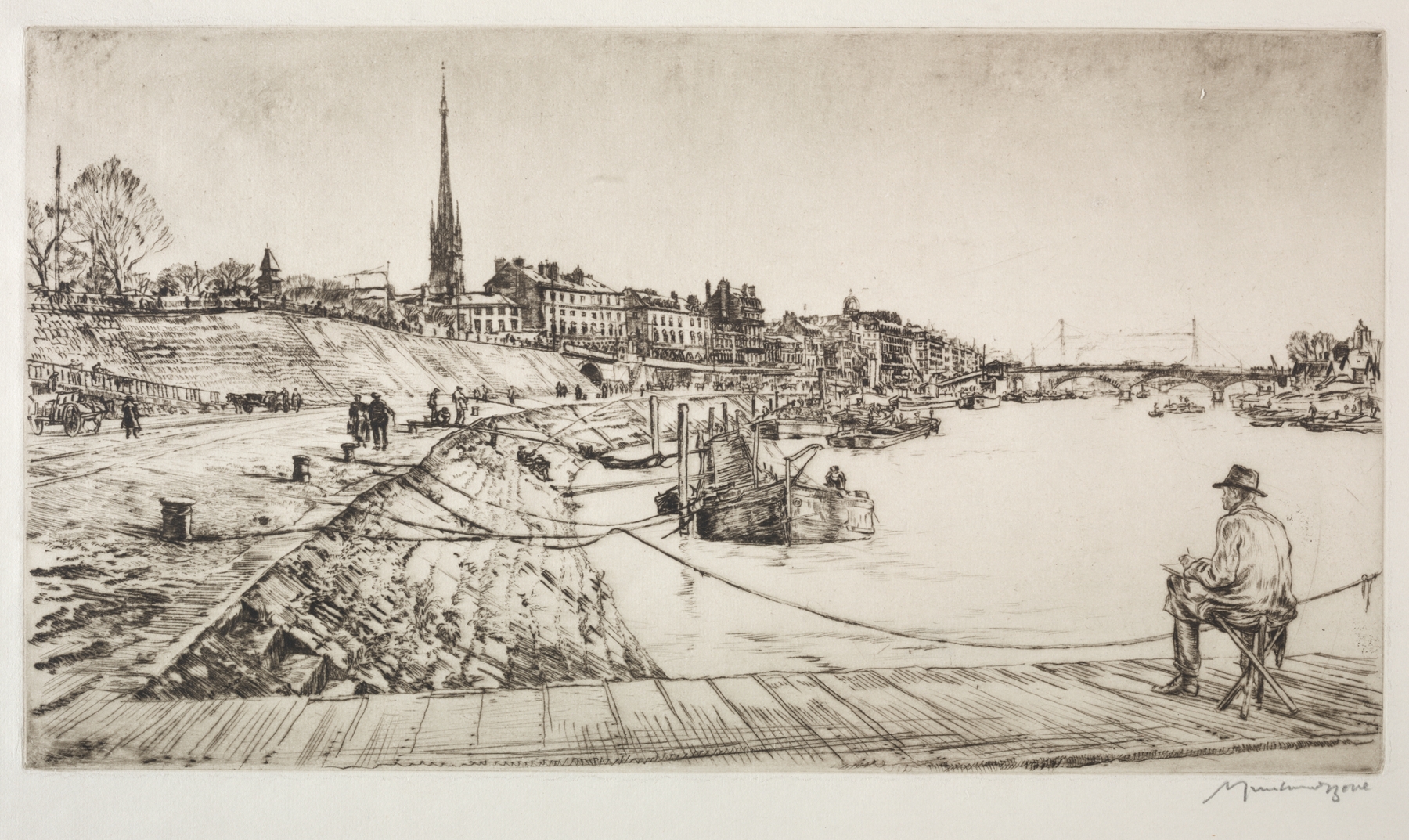
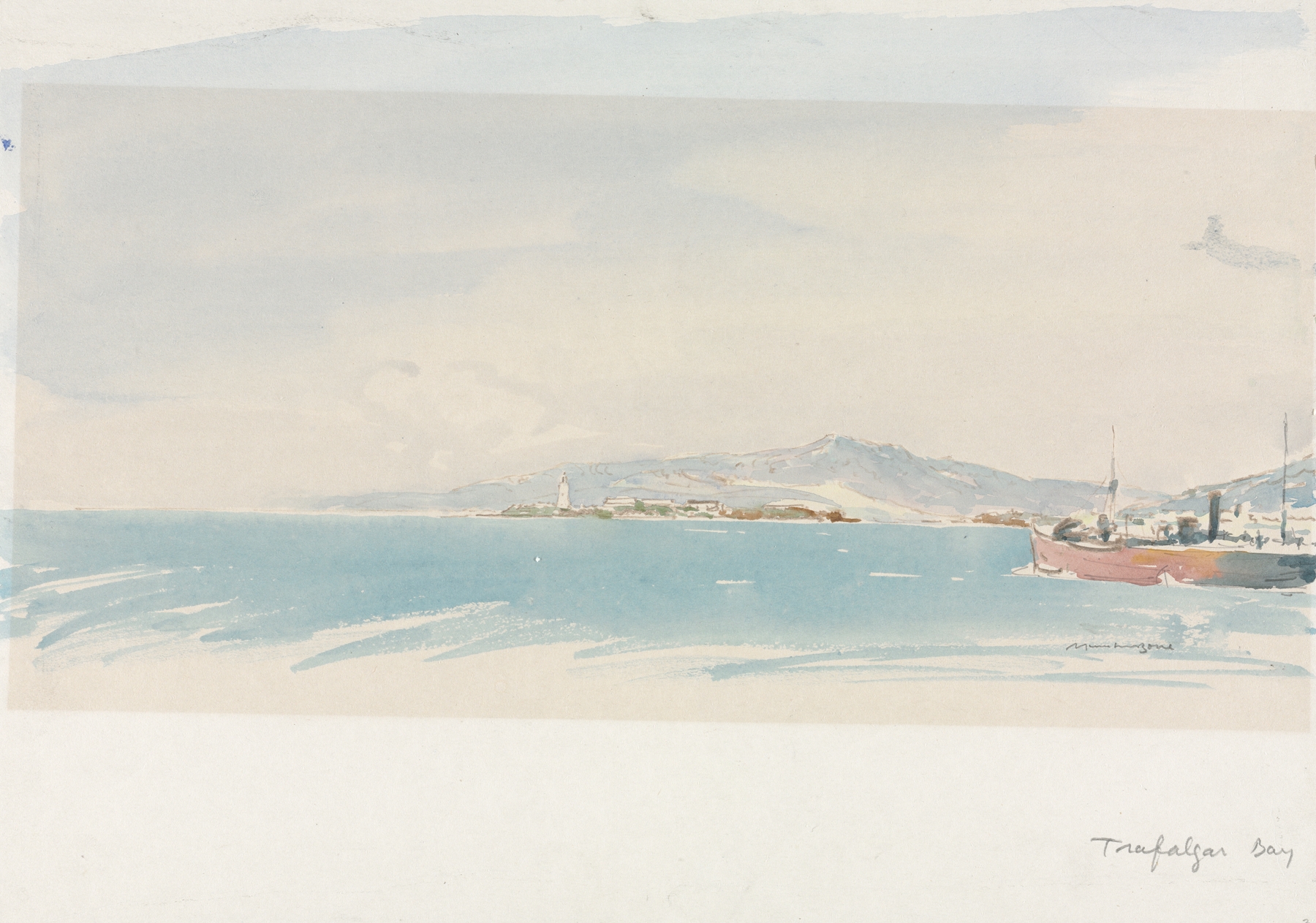
When did color learn to lie? In the world of Entering Bergen, nostalgia cloaks the scene, blending the past with the present in a haunting embrace. The shadows of memory cast a long, yearning gaze, inviting viewers to ponder their own relationships with time and place. Look to the left at the gentle curves of the buildings, their weathered facades echoing stories of days gone by.
The soft hues of green and brown wrap the town in a warm, muted palette, suggesting a tranquil afternoon. Notice how the light filters through the clouds, highlighting the intricate interplay of shadow and fading brilliance, evoking both a sense of peace and a lingering melancholy. Within this serene landscape lies a subtle tension: the contrast between the ordinary and the extraordinary. The minimalist composition directs attention to the horizon, where the sky and land converge, inviting contemplation of life’s transience.
Each brushstroke seems to whisper secrets of a bygone era, urging the viewer to reflect on the weight of history and the fleeting nature of existence. Created between 1896 and 1953, Entering Bergen emerged during a period of profound change in the art world, where traditional approaches were being challenged by modernism. Muirhead Bone, a pioneer in printmaking, was influenced by his surroundings and the evolving landscape of Norway, capturing the essence of a place alongside the spirit of his time. This artwork encapsulates his deep appreciation for both place and memory, reflecting a moment when the past coalesces with the present.