Faam kroont deugd met lauwerkrans — History & Analysis
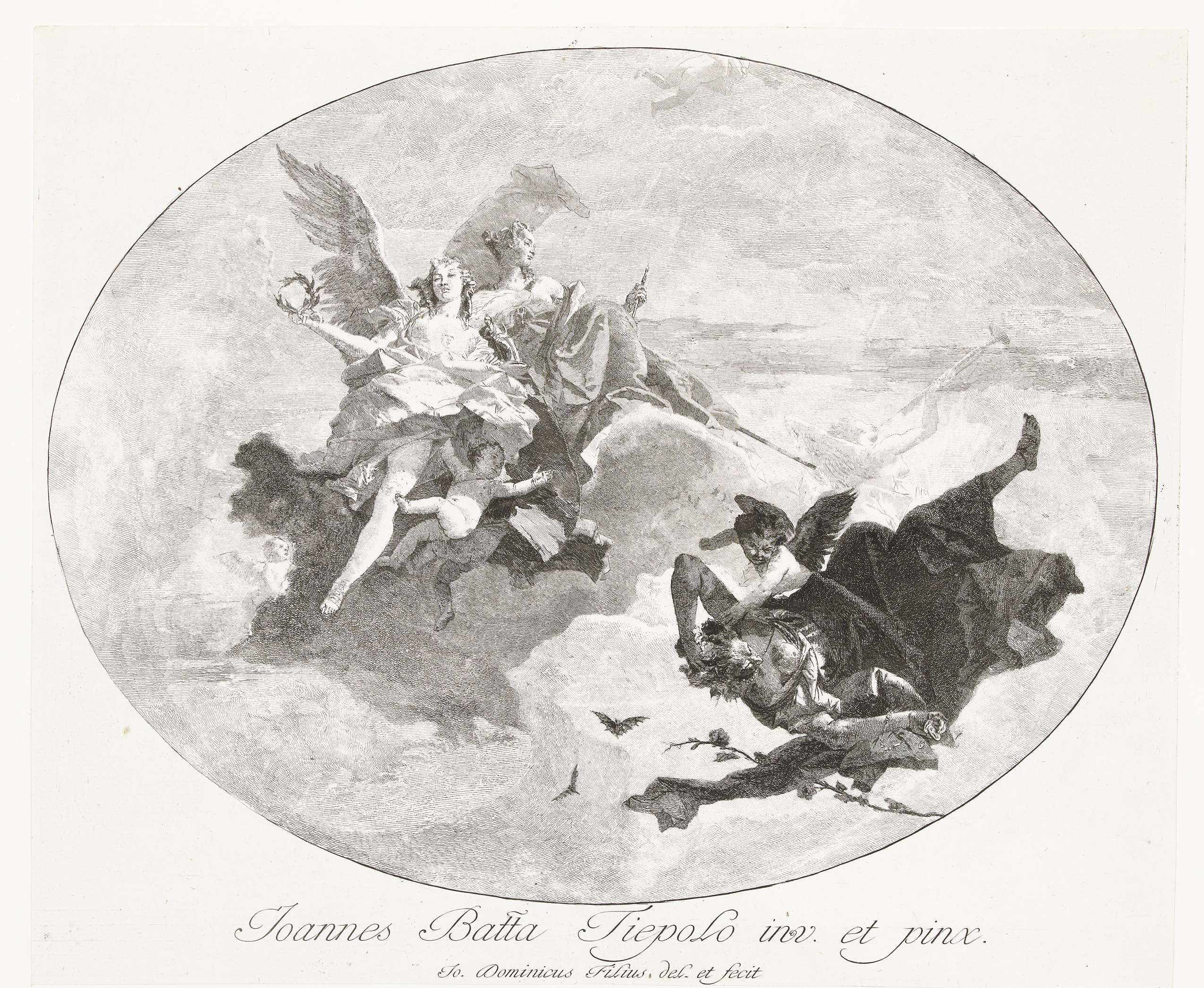
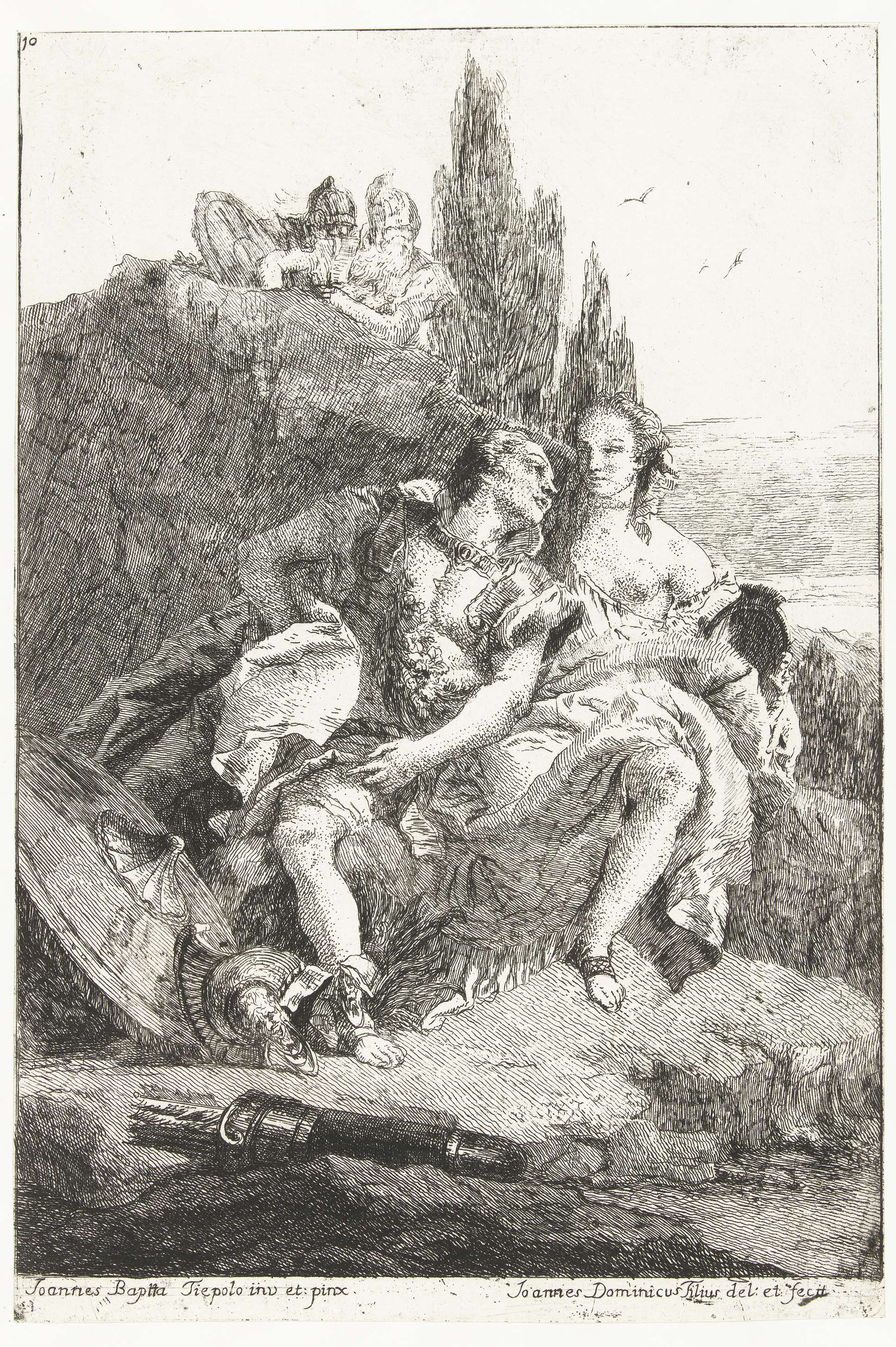
Could beauty survive in a century of chaos? In Faam kroont deugd met lauwerkrans, the tension between sublime grace and the tumultuous world manifests with stunning clarity. Look to the center where a radiant figure, crowned with a laurel wreath, embodies virtue itself. The use of soft pastels and gentle brushstrokes create an ethereal glow that enwraps the subjects, suggesting their elevated status amidst a chaotic backdrop.
The composition draws the eye to the figure’s serene expression, while the surrounding figures, though intricately detailed, appear to recede into a blur, lending an almost dreamlike quality to their presence. Notice how the light dances across the golden accents of the crown, highlighting its significance as both a celebration of virtue and an acknowledgment of the inherent struggles in this age. The painting holds deeper meanings within its layers; the laurel crown symbolizes triumph in moral integrity, yet the muted expressions of the figures suggest a collective longing for peace. The contrast between the radiant central figure and the more subdued individuals surrounding her evokes an emotional tension—beauty and virtue exist, yet they are constantly overshadowed by the chaos outside.
This duality urges the viewer to reflect on their own pursuit of grace amidst life's trials. Giovanni Domenico Tiepolo created this work between 1748 and 1752, during a time of considerable transformation in Europe. As the son of the renowned artist Giovanni Battista Tiepolo, he was establishing his own artistic voice while navigating the shifting landscape of Rococo art. The world was at the cusp of the Enlightenment, where ideals of beauty and virtue were both celebrated and contested, making this piece a poignant reflection of its time.