Farmhouses by a Hillside — History & Analysis
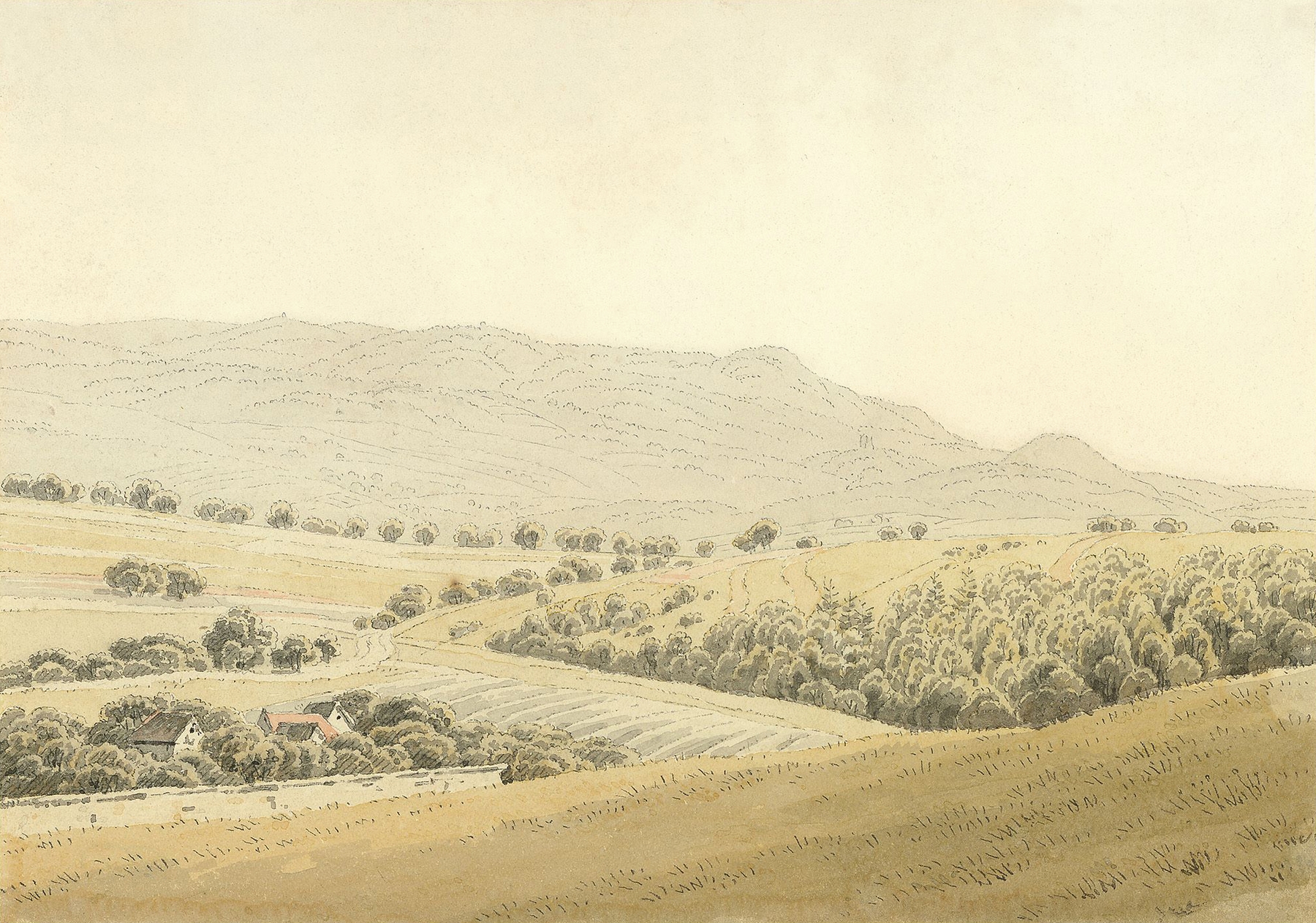
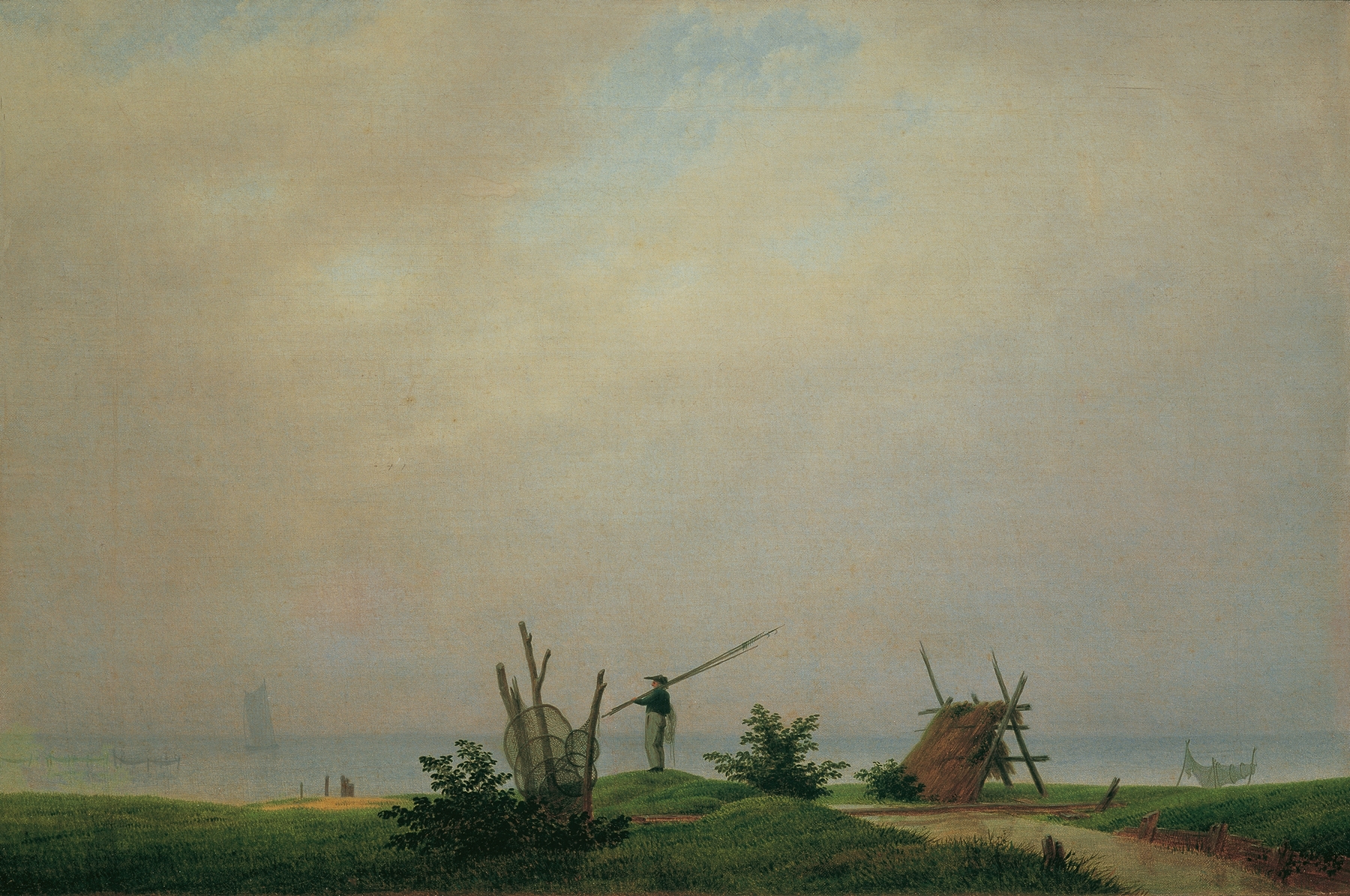
What if beauty was never meant to be finished? In Farmhouses by a Hillside, the tension between nature and human existence speaks to the ephemeral quality of life itself. Look to the center of the canvas where humble farmhouses nestle against the rolling green hills, their earthy tones harmonizing with the surrounding landscape. Notice how the light gently glimmers off the rooftops, capturing the fleeting warmth of a setting sun.
The subtle play of shadows and highlights evokes a serene yet melancholic atmosphere, creating a stark contrast between the permanence of nature and the fragility of human endeavor. The scene invites contemplation on the passage of time. The winding path leading toward the farmhouses symbolizes the journey of life, suggesting both connection and isolation. The hills stand in solemnity, witnessing the quiet toil of those who inhabit the land, while the distant mountains loom, representing an unattainable grandeur.
It is in these contrasts—between the delicate human touch and the overwhelming power of nature—that a deeper significance emerges, echoing the artist's reflections on existence. In 1799, Friedrich painted this work while establishing himself as a key figure in the Romantic movement in Germany. The late 18th century was a time of profound change, marked by political upheaval and a growing fascination with nature. Amidst this backdrop, the artist sought to explore themes of introspection and the sublime, capturing a world where beauty coexists with the reality of human life.