Femme et enfant sur le chemin des près, Sèvres — History & Analysis
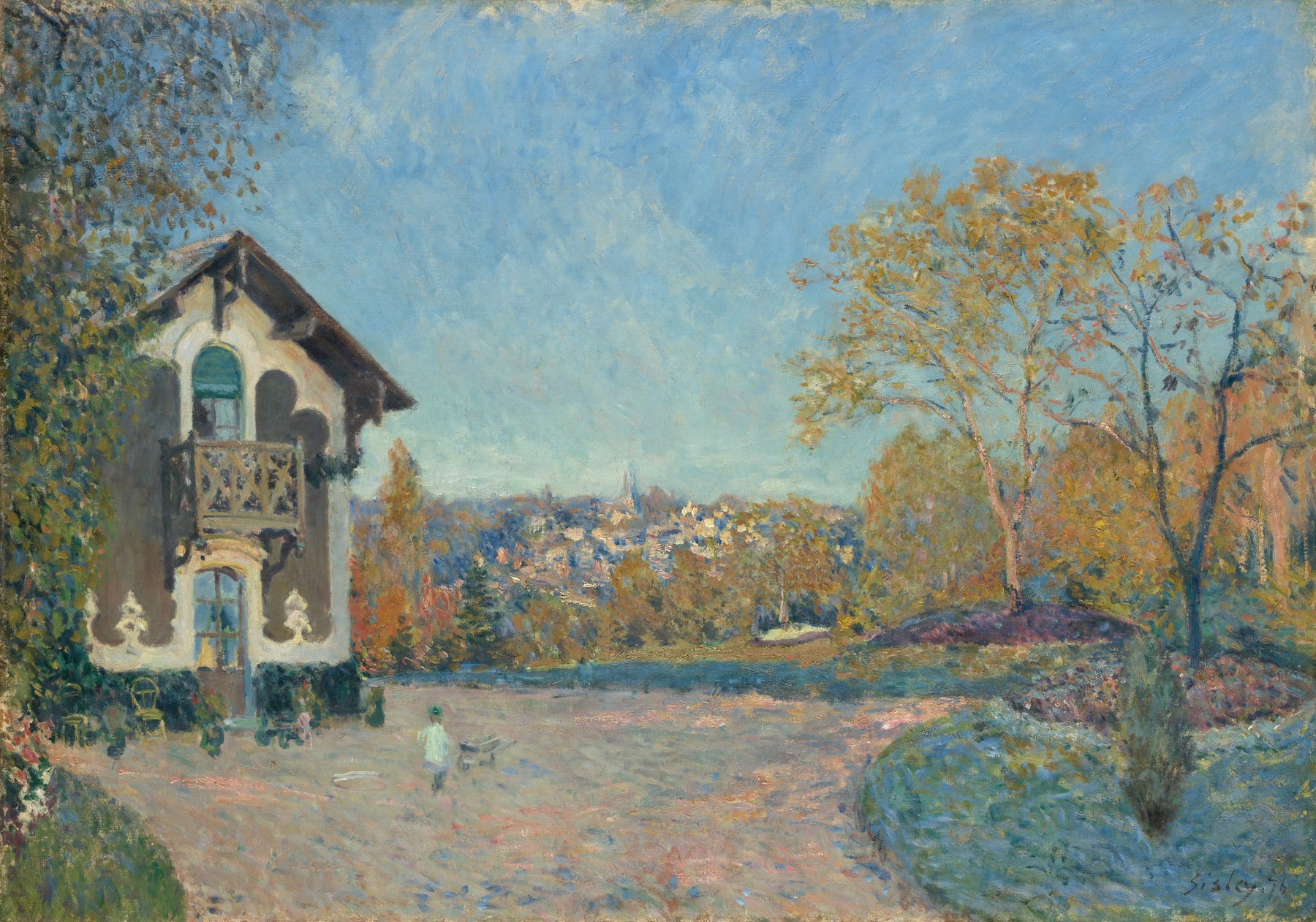
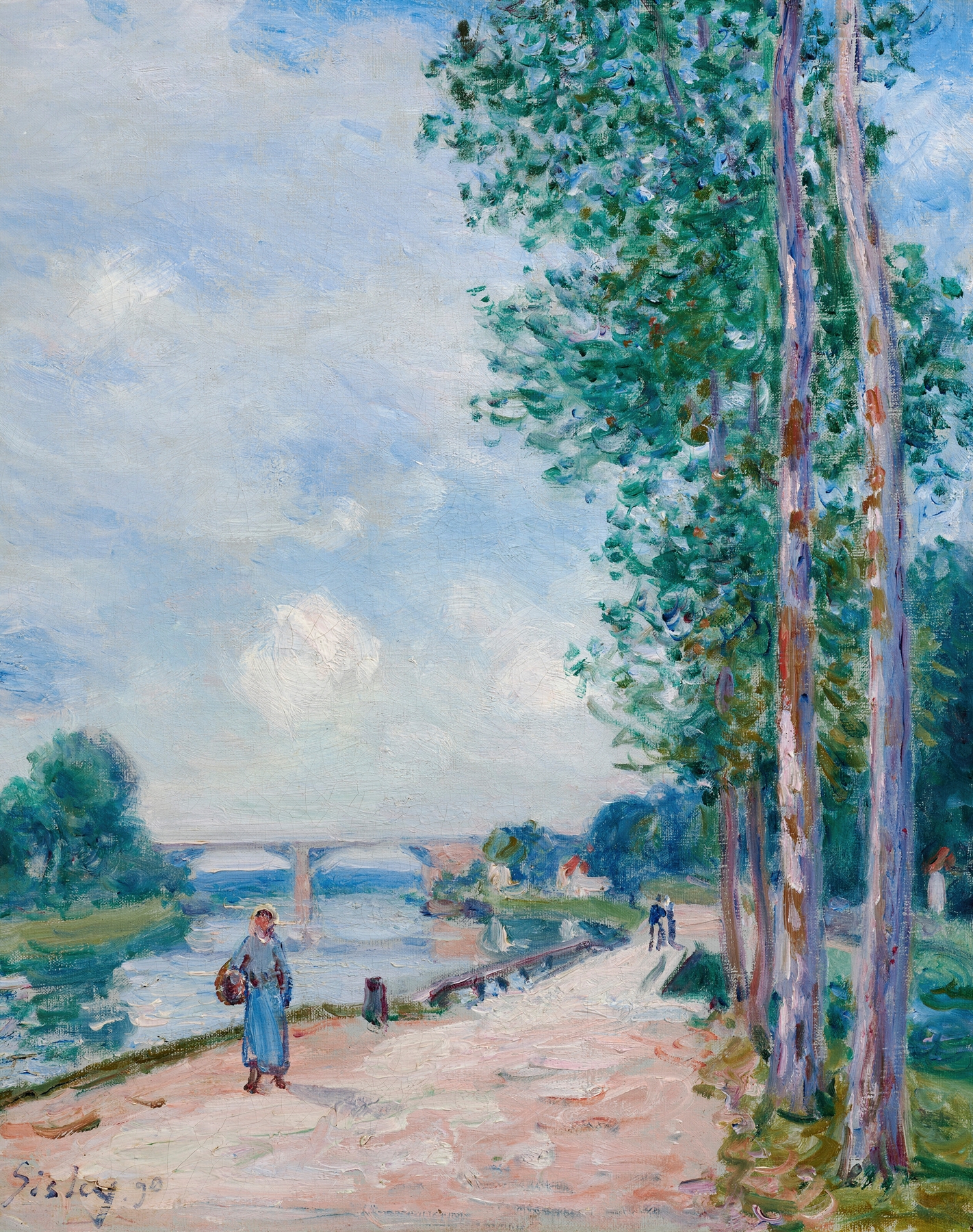
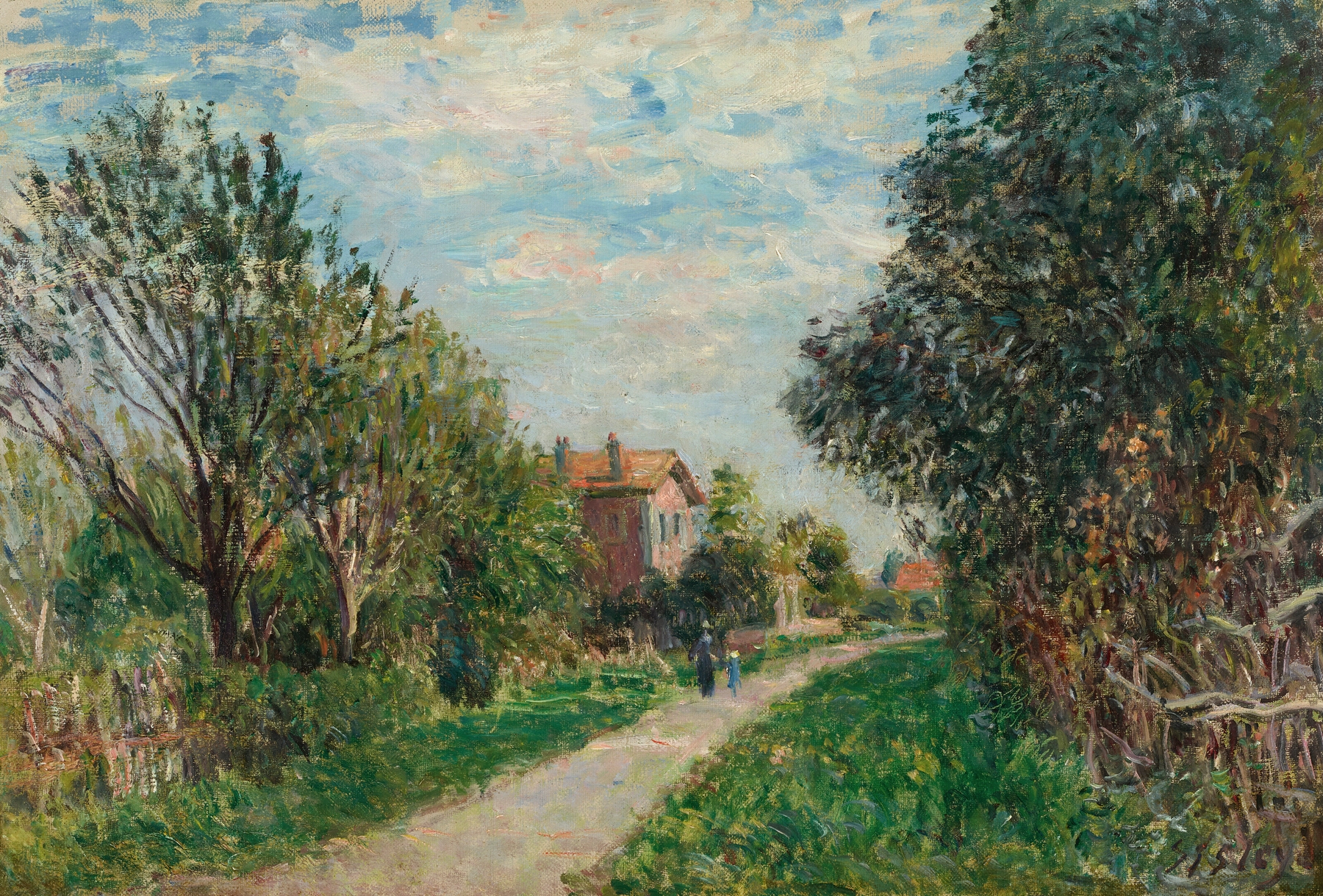
What if silence could speak through light? In Alfred Sisley’s Femme et enfant sur le chemin des près, Sèvres, we find an ethereal balance between tranquility and the quiet ecstasy of everyday life. This moment captures the kind of stillness that invites reflection, urging the viewer to listen closely to the whispers of the landscape. Look to the left at the gentle curve of the path, where a woman and child walk hand in hand, their figures adorned in soft, pastel hues that blend seamlessly with the surrounding greenery. Notice how the light filters through the leaves, casting dappled patterns on the ground, enhancing the scene’s warmth.
The brushstrokes are fluid and loose, creating a sense of movement that contrasts beautifully with the serene expressions on the subjects’ faces. The composition draws the eye inward, leading us along the path and into the embrace of nature. Beneath the surface, this work speaks to the profound bond between mother and child, encapsulating a fleeting moment of connection amidst the vastness of the world. The way the figures are slightly off-center imbues the work with a sense of longing or anticipation, suggesting that their journey is part of a larger narrative.
The vibrant greens and muted earth tones generate a feeling of safety and belonging, contrasting with the transient nature of life itself. In 1879, Sisley painted this piece in Sèvres, a small town near Paris, which had become a sanctuary for Impressionists seeking solace from the urban bustle. At this time, the artist was grappling with financial difficulties yet remained committed to capturing the beauty of the natural world. His dedication not only reflected his own artistic journey but also mirrored the broader movement of Impressionism, which sought to encapsulate ordinary moments with profound emotional depth.