View of Marly-le-Roi from Coeur-Volant — History & Analysis
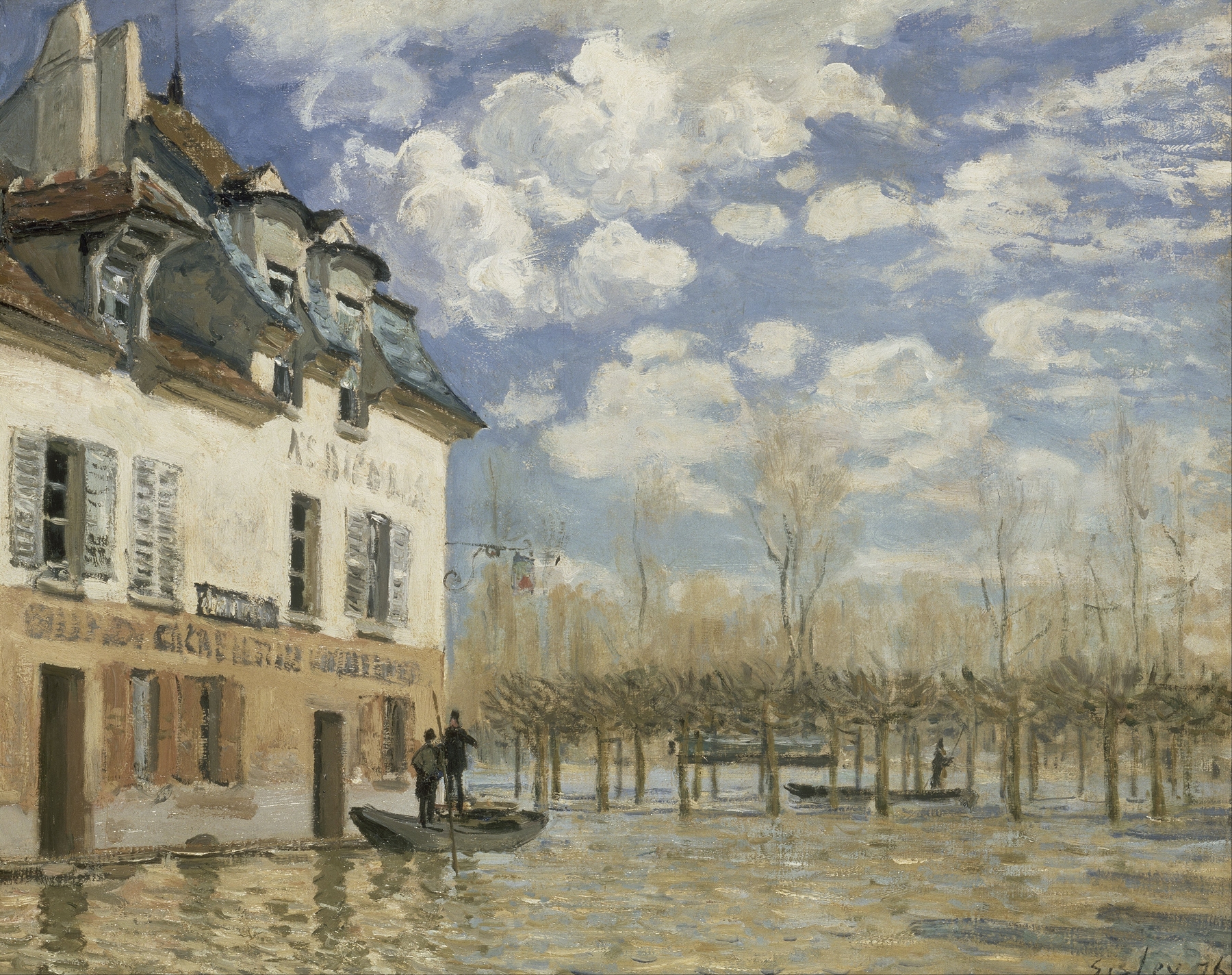
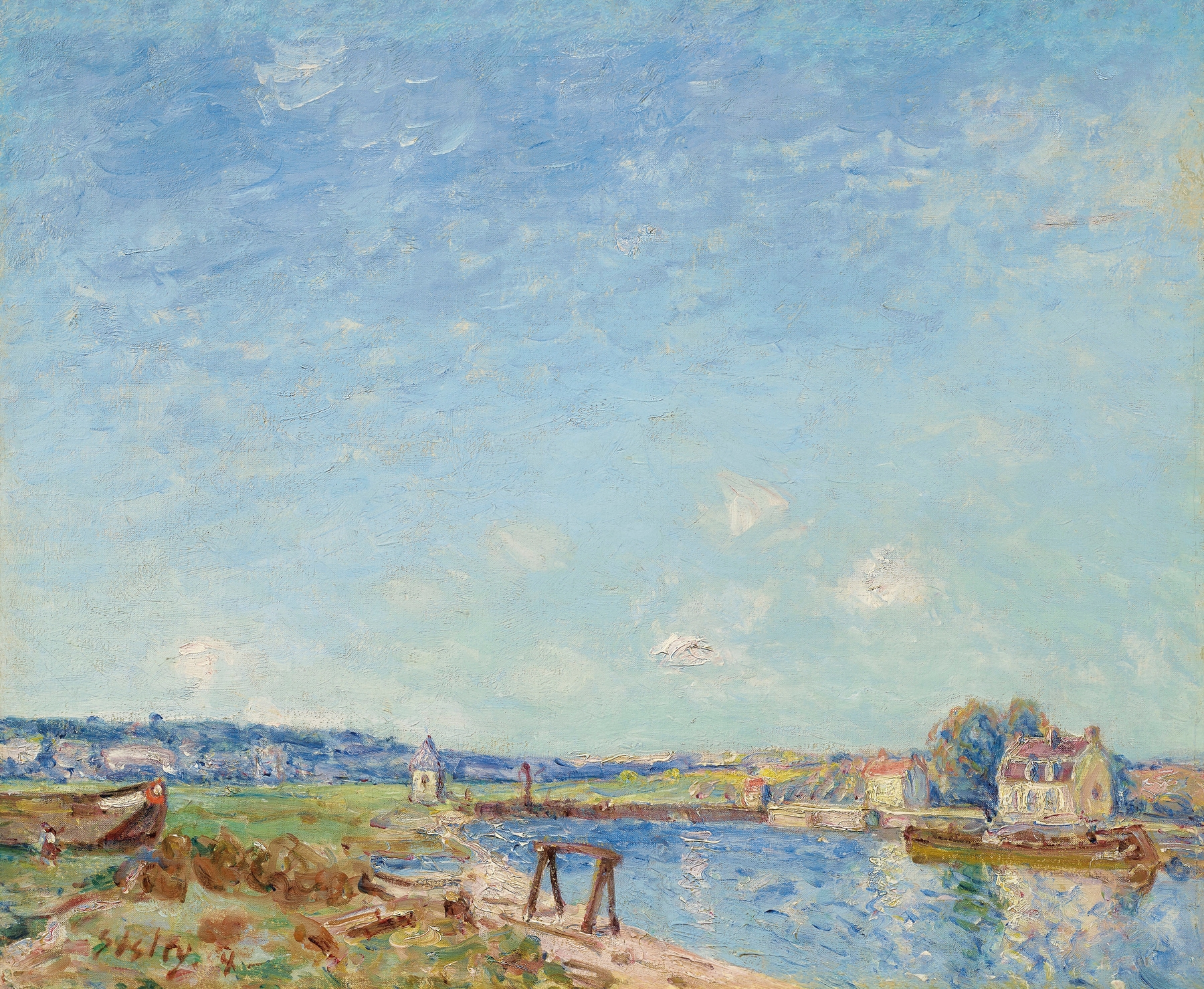
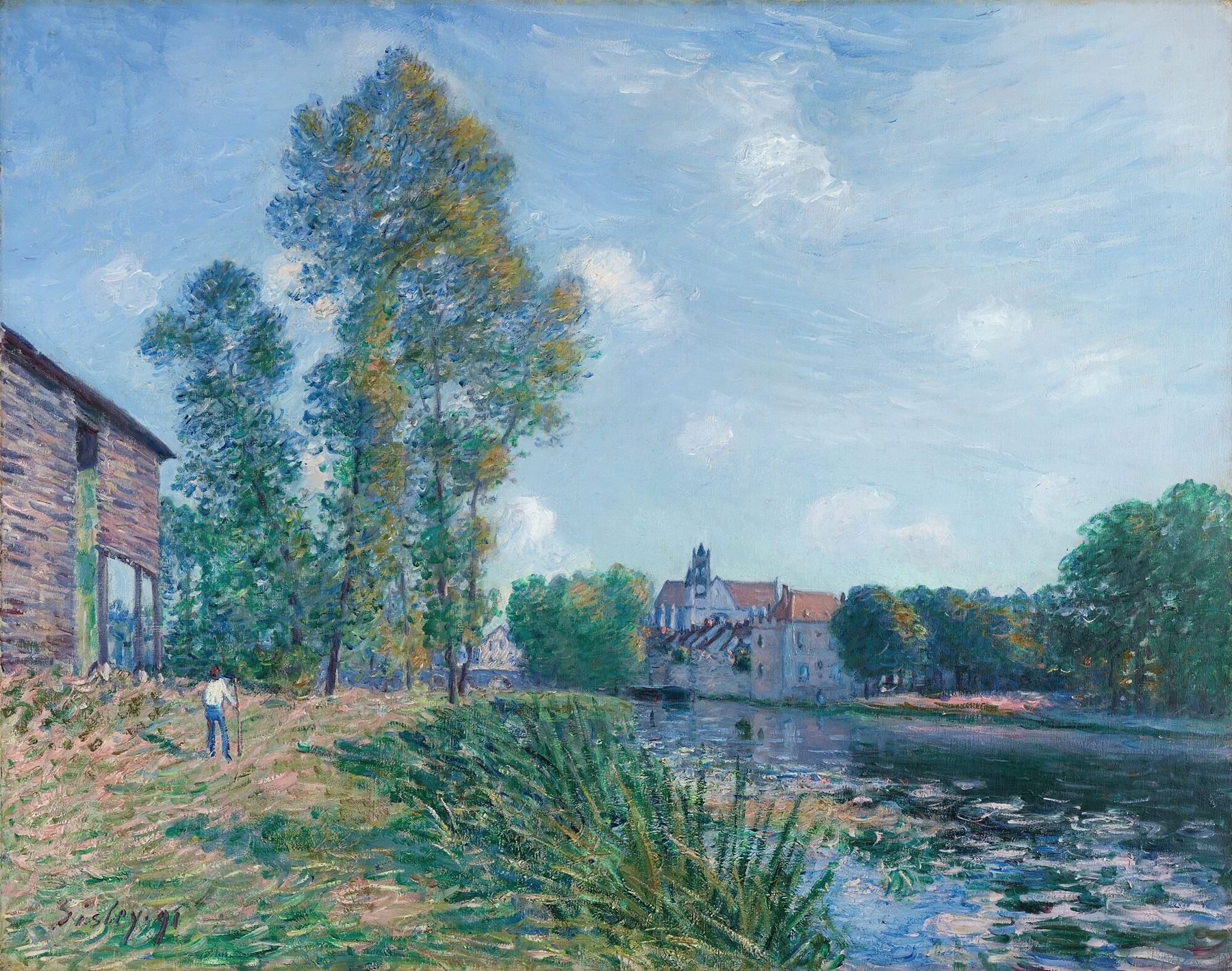
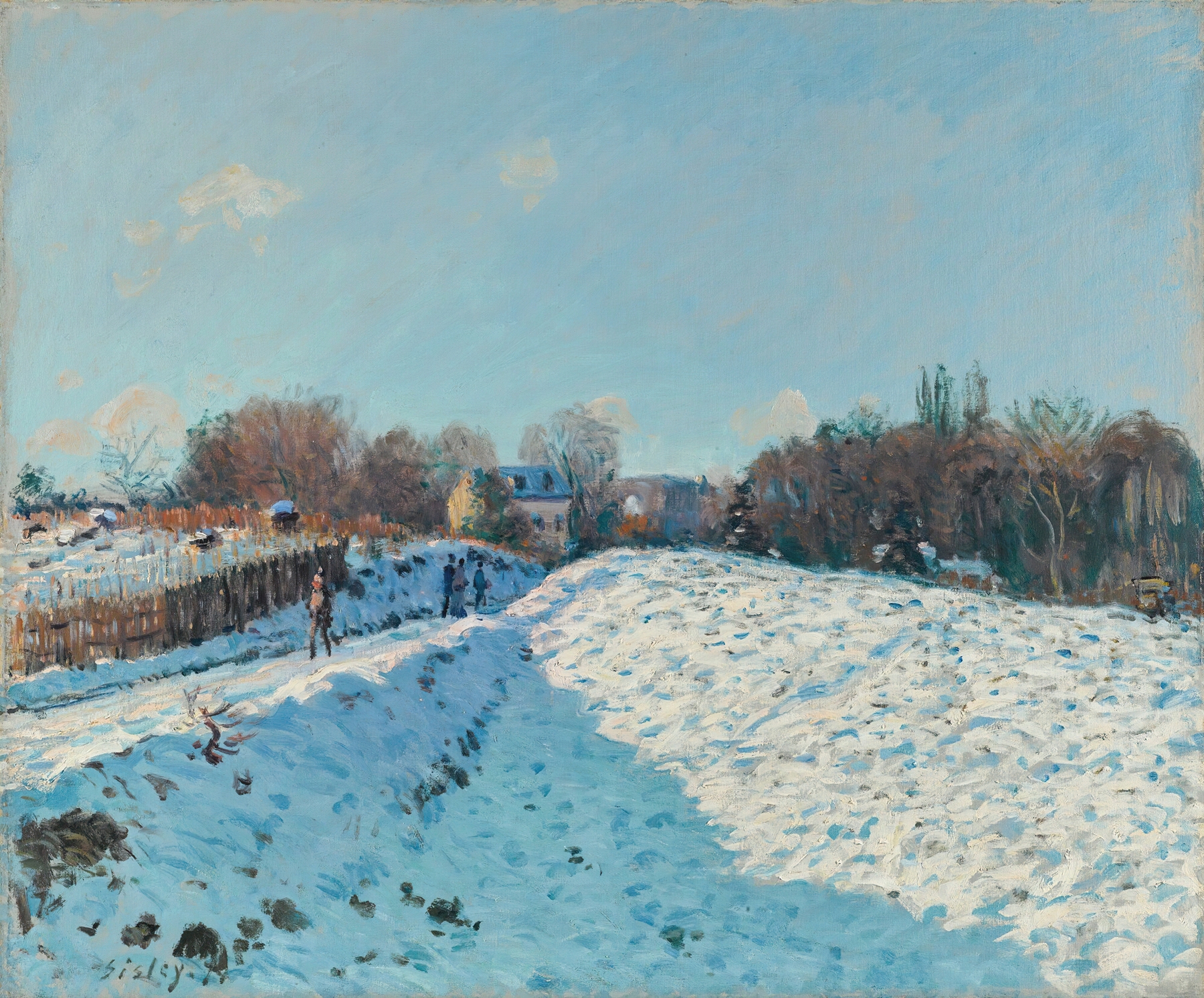
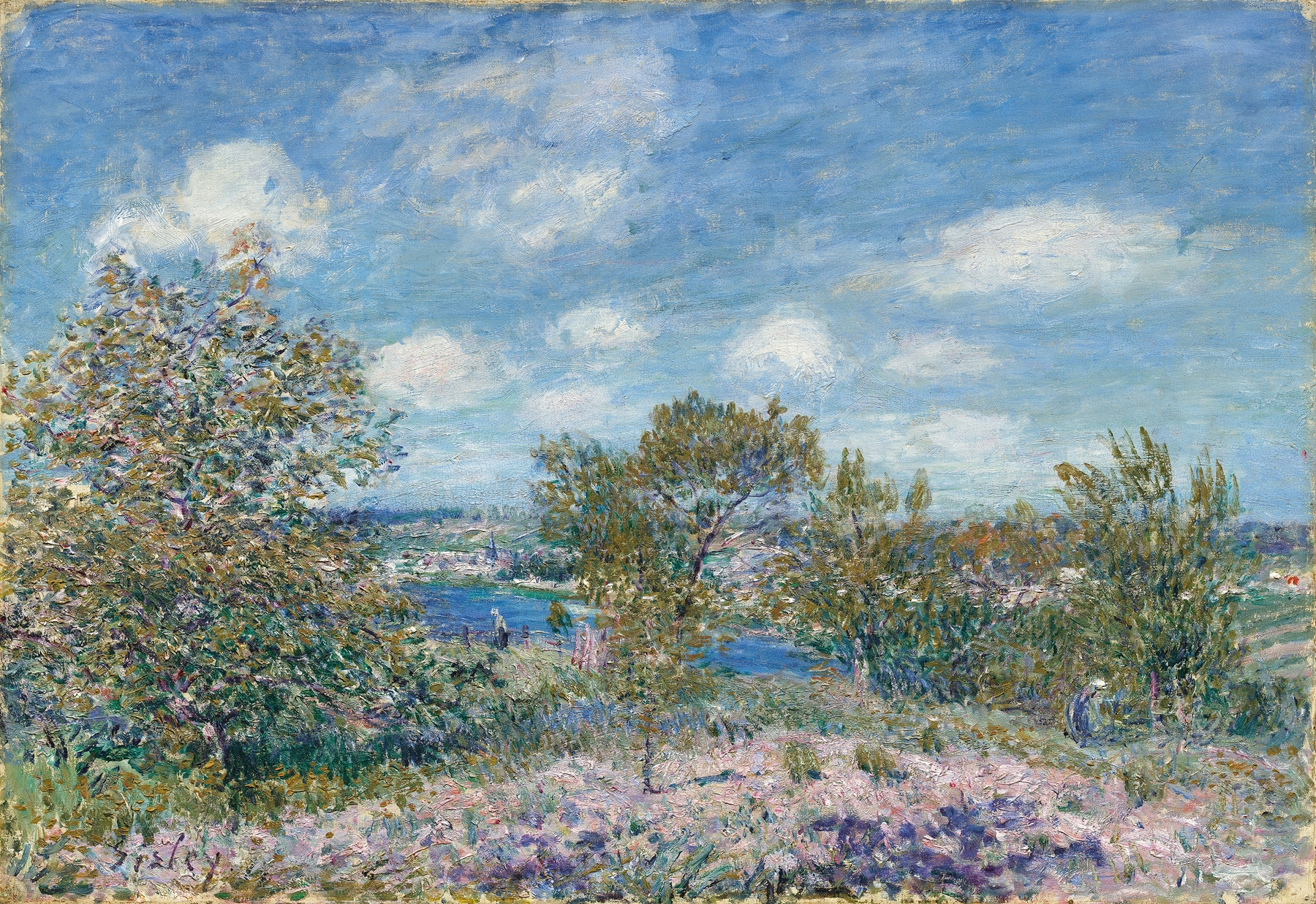
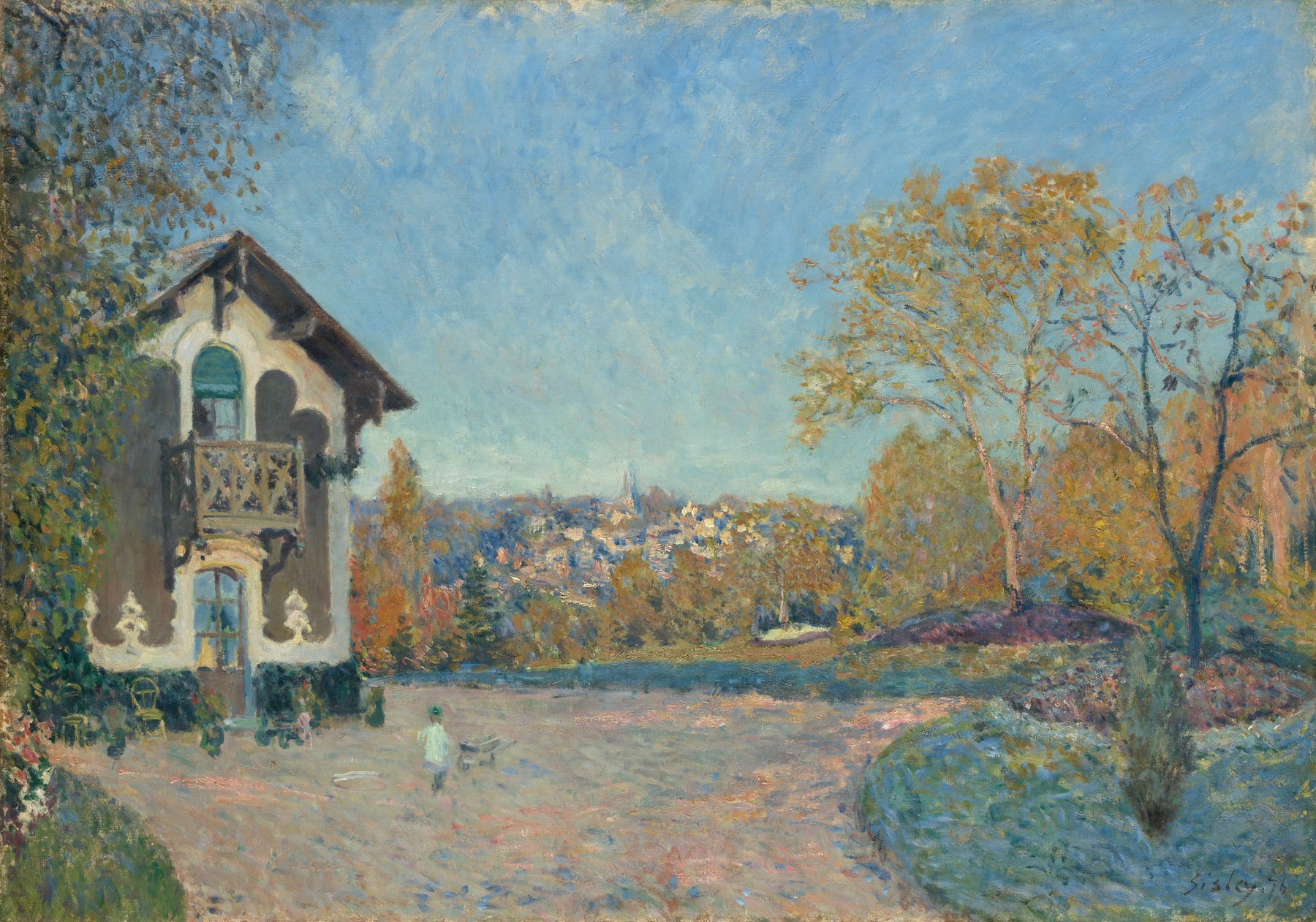
“The canvas doesn’t lie — it simply waits.” Each brushstroke breathes life into the essence of betrayal, revealing hidden narratives that linger beneath the surface of tranquility. Look to the left at the gentle ripples of the river, where dappled sunlight dances upon the water’s surface. The soft hues of greens and blues merge in a symphony of color, inviting the eye to wander through the lush landscape, framed by trees that provide both shelter and concealment. Notice how the clouds gather overhead, a foreboding grey hinting at an approaching storm, contrasting sharply with the idyllic scene below, whispering secrets of impending conflict. Delve deeper into the painting's heart, where the stillness belies emotional undercurrents. The vibrant colors suggest a beauty that is almost deceptive, drawing the viewer in while the shadows of the clouds remind us of life's transience. The juxtaposition of light and dark speaks not just of nature, but of the tension between serenity and chaos, a reflection of interpersonal discord that often lies beneath the surface of seemingly peaceful moments. In 1876, the artist found himself at a crossroads, painting in the lush surroundings of Marly-le-Roi, France. Struggling with the challenges of artistic recognition, he sought solace in the landscapes that surrounded him. This period marked a shift in the Impressionist movement, where artists began to capture the ephemeral nature of light and emotion, forging a new path in their creative expression, while Sisley grappled with his own sense of betrayal from the art world that often overlooked his voice.