Fischerboot in Seenot — History & Analysis
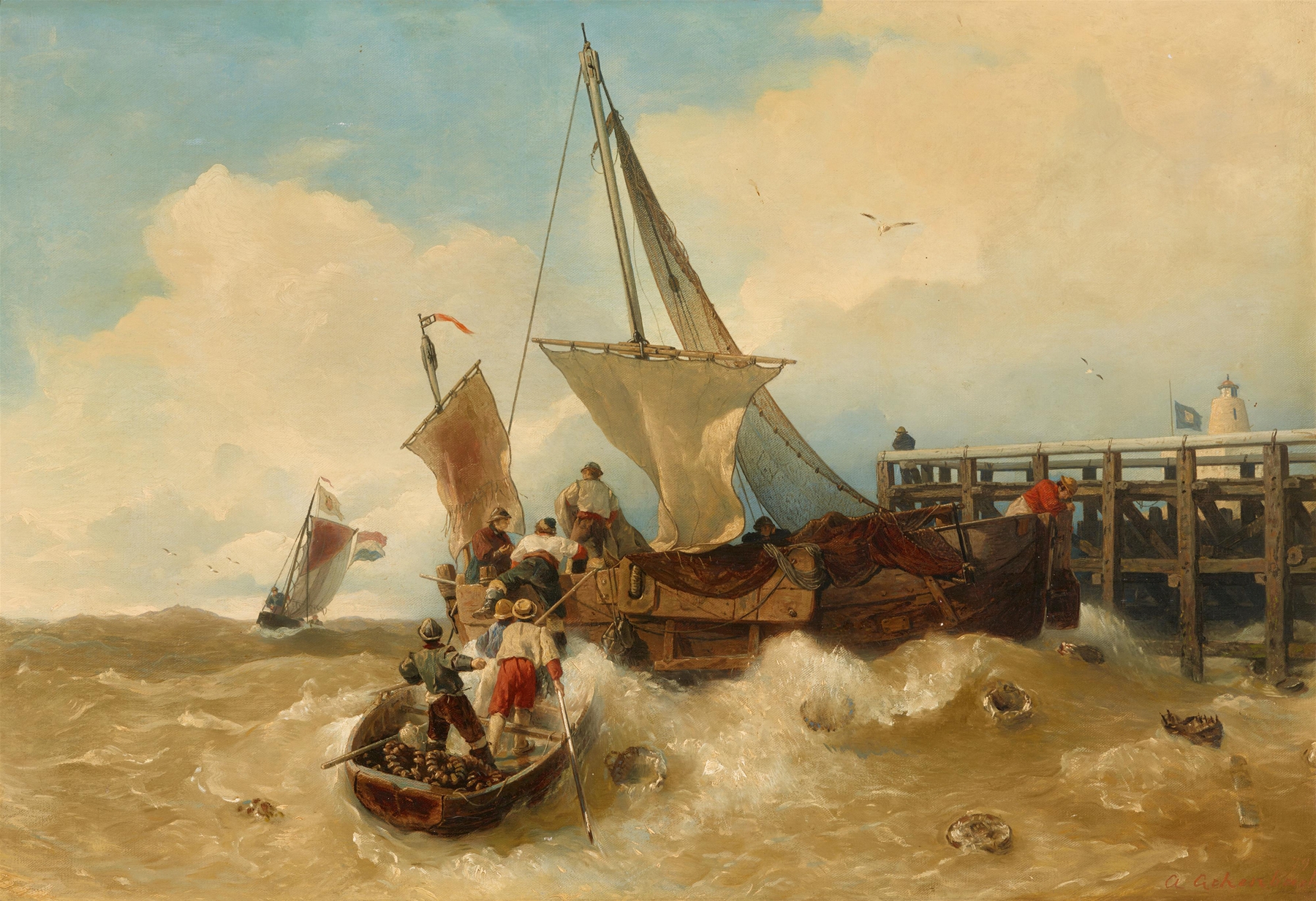
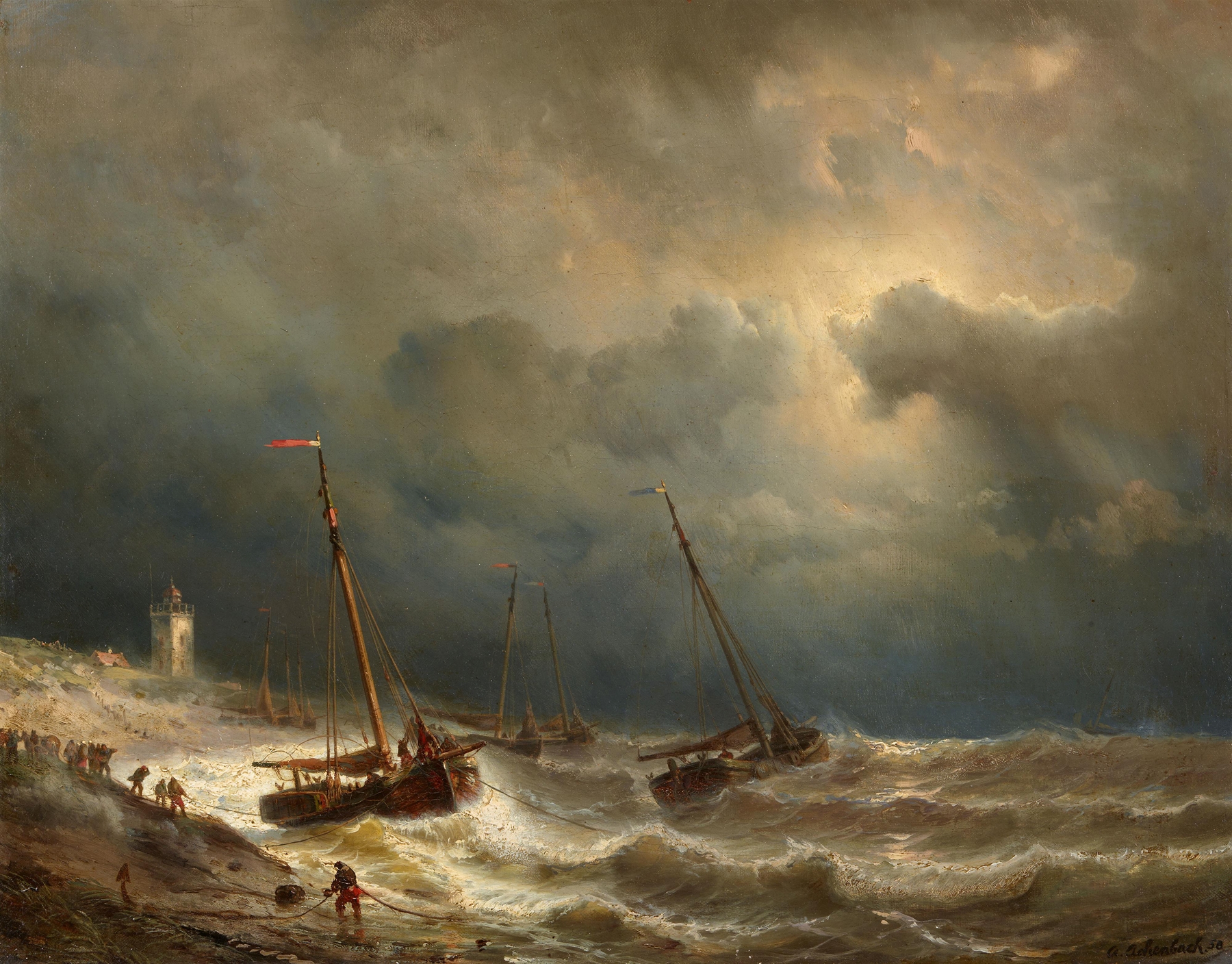
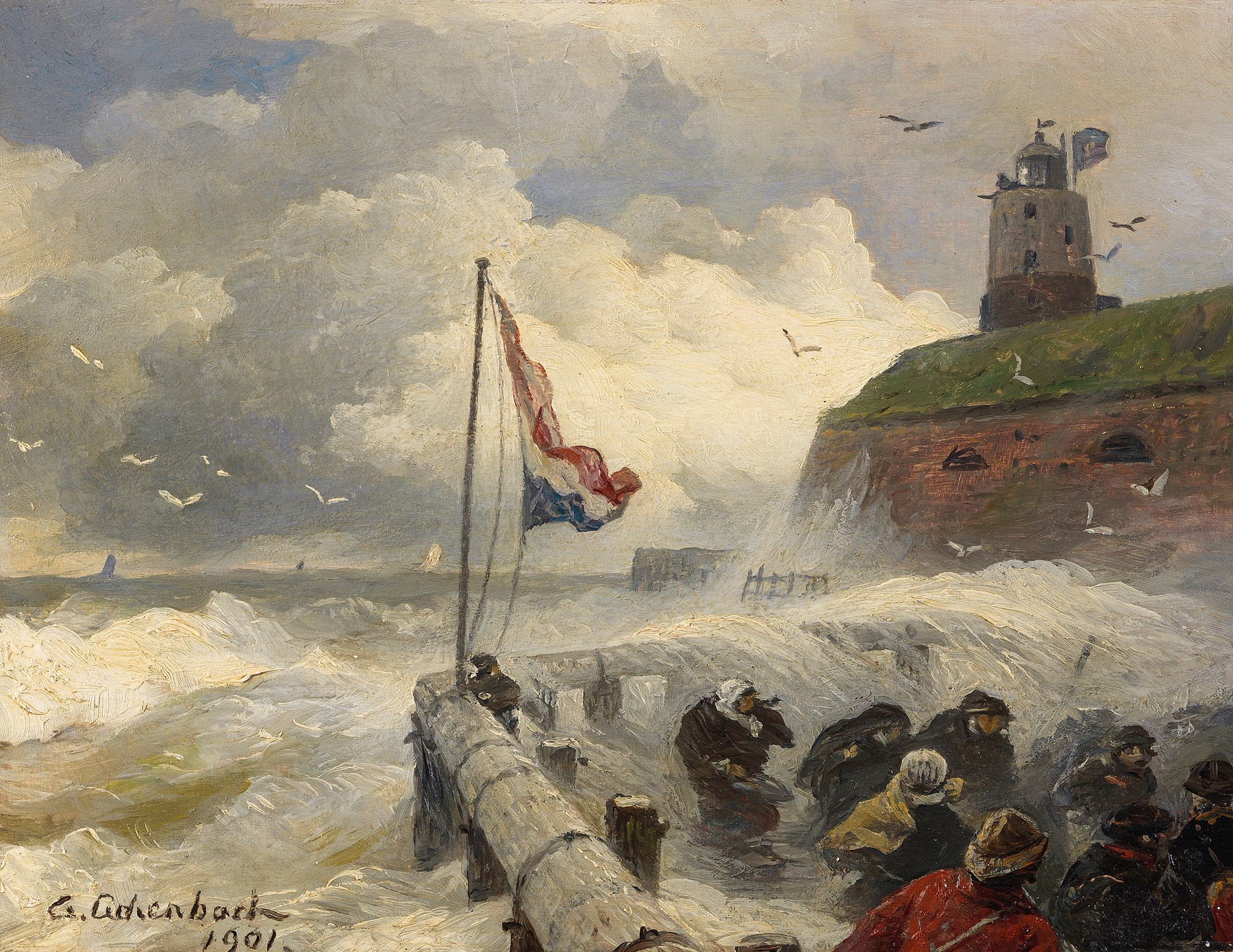
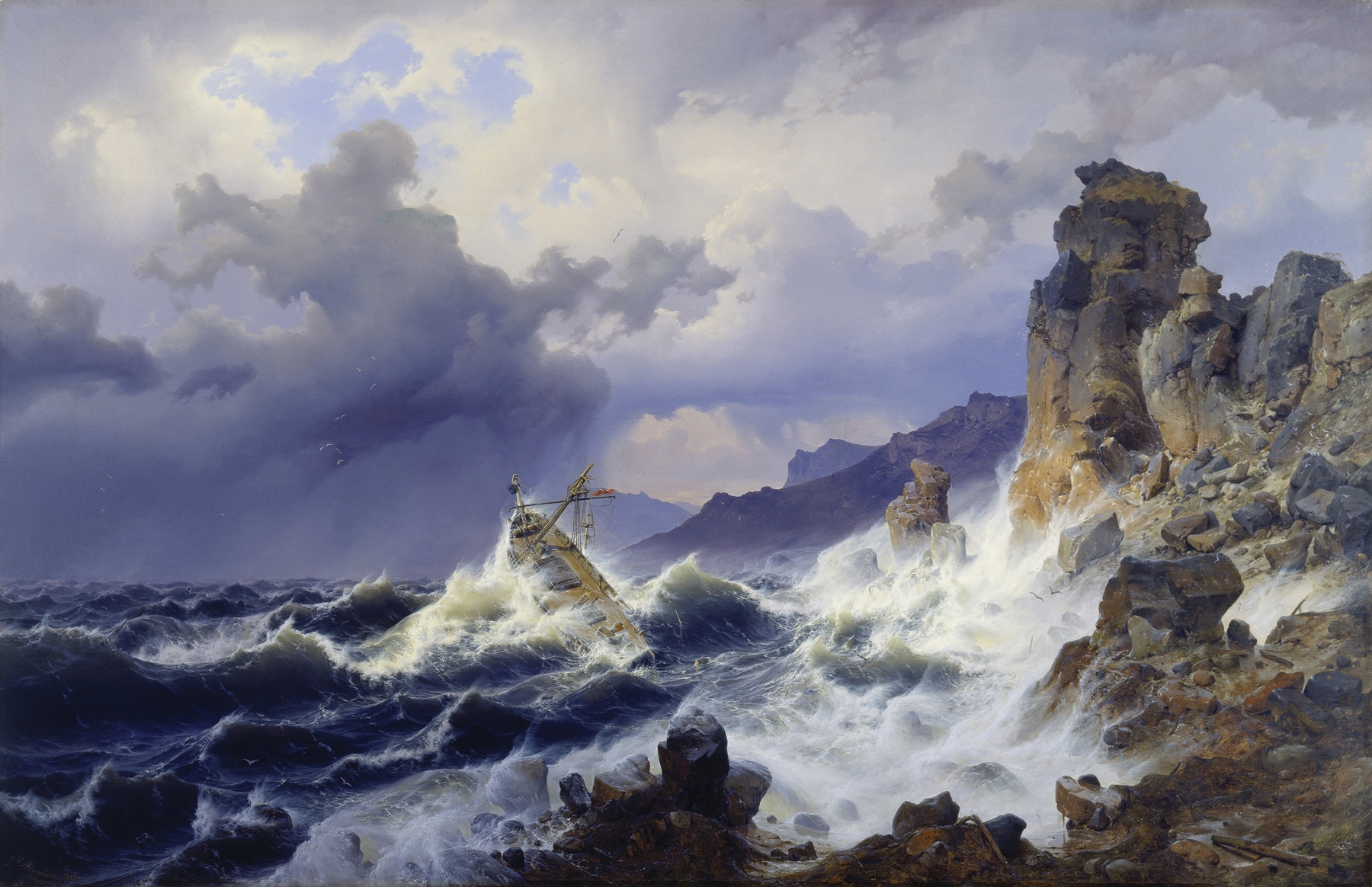
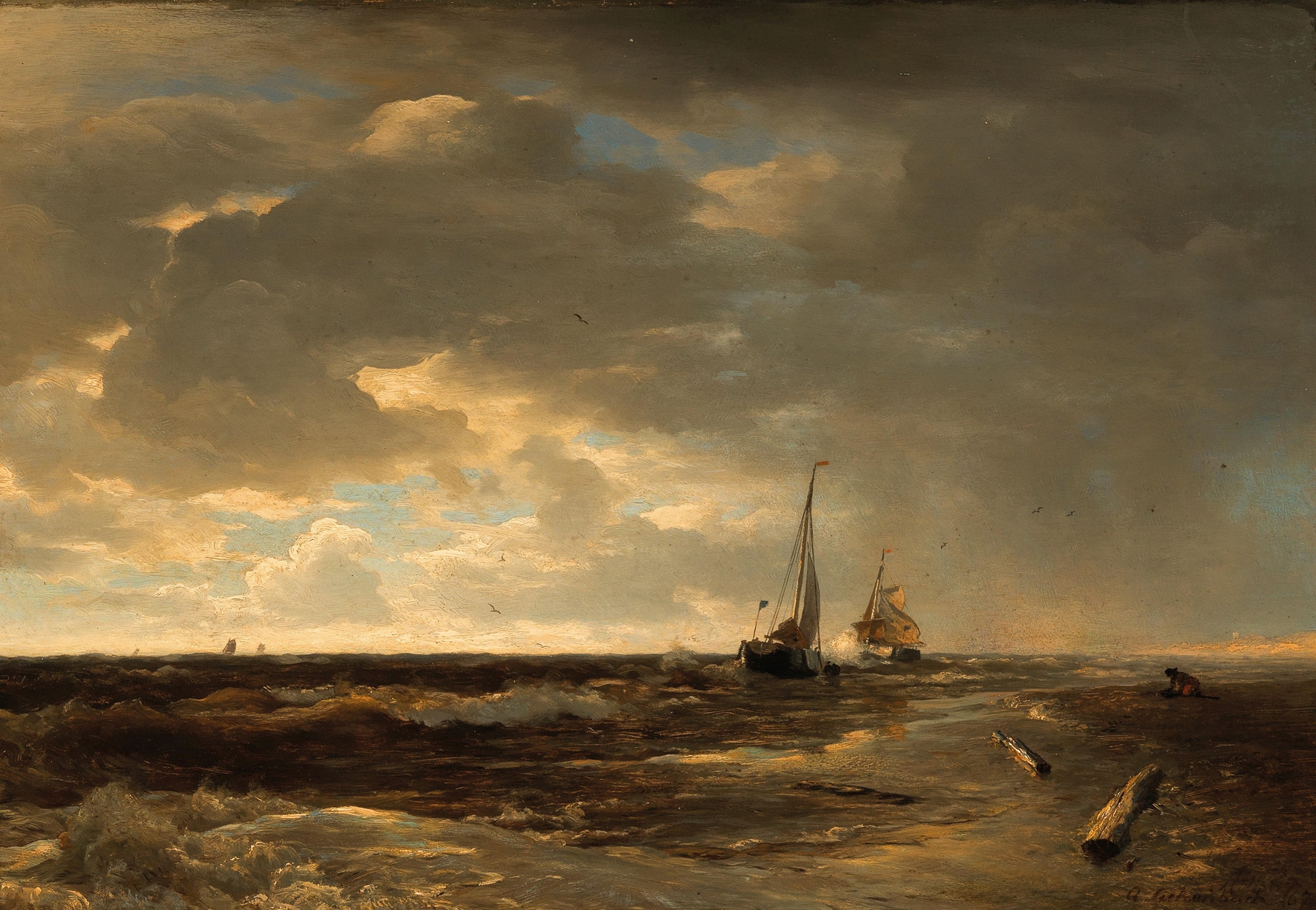
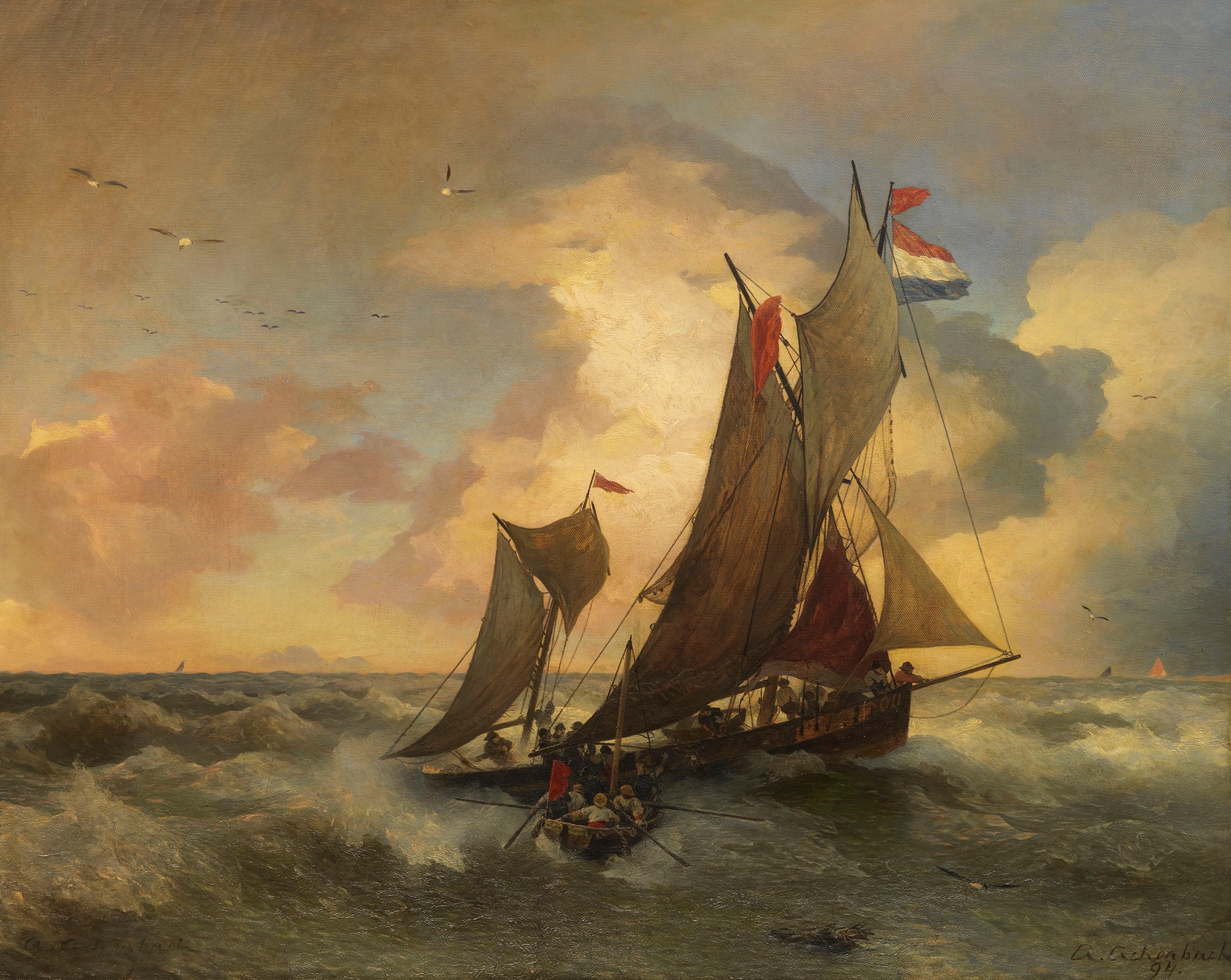
Could beauty survive in a century of chaos? An echo of loneliness resonates through the tumultuous waves, urging us to confront the fragility of existence. Look to the left at the roiling sea, where dark clouds loom ominously above, swirling in hues of gray and blue. The small fishing boat, nearly swallowed by the ferocity of nature, draws the eye with its vibrant yet desolate colors.
Notice how the brush strokes convey both the energy of the storm and the vulnerability of the vessel, capturing a moment rife with desperation, yet strangely beautiful in its chaos. In the foreground, the tension between the boat and the raging waves symbolizes the human struggle against nature’s indifference. The lone figure onboard, a mere silhouette against the backdrop of fury, embodies isolation as he battles against the relentless forces that threaten to engulf him. This contrast between the chaotic surroundings and the steadfastness of the fisherman speaks to a universal experience: the loneliness of the human spirit facing monumental challenges.
Andreas Achenbach painted Fischerboot in Seenot in 1893 during a time when Romanticism was giving way to new artistic movements. Living in Germany, Achenbach was deeply influenced by the tumultuous social changes of his era, which stirred a sense of urgency and emotional depth in his works. The painting reflects both the artist’s personal perception of struggle and the broader societal issues of isolation and resilience, making it a poignant commentary on the human condition.