Fleurs Du Jardin — History & Analysis
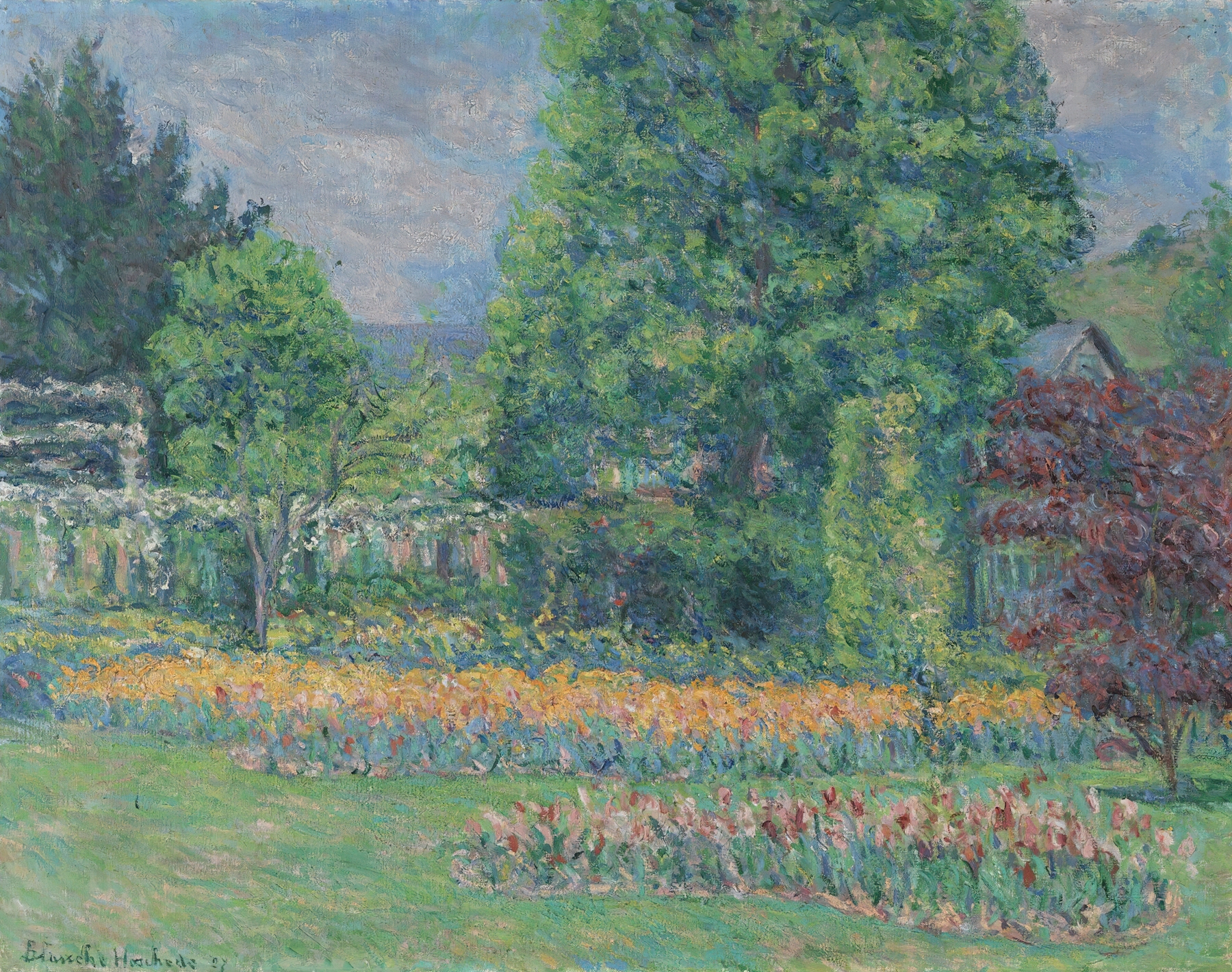
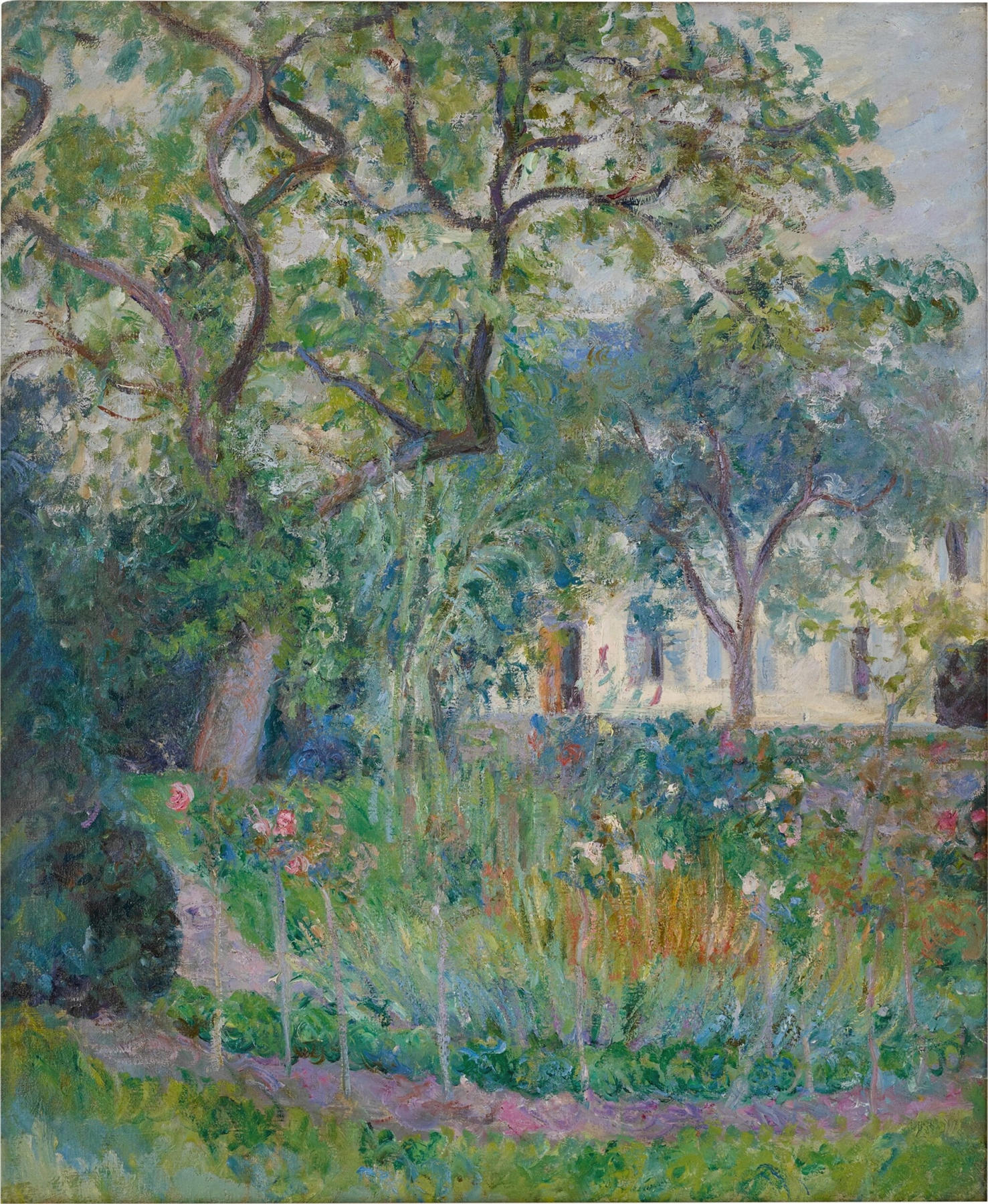
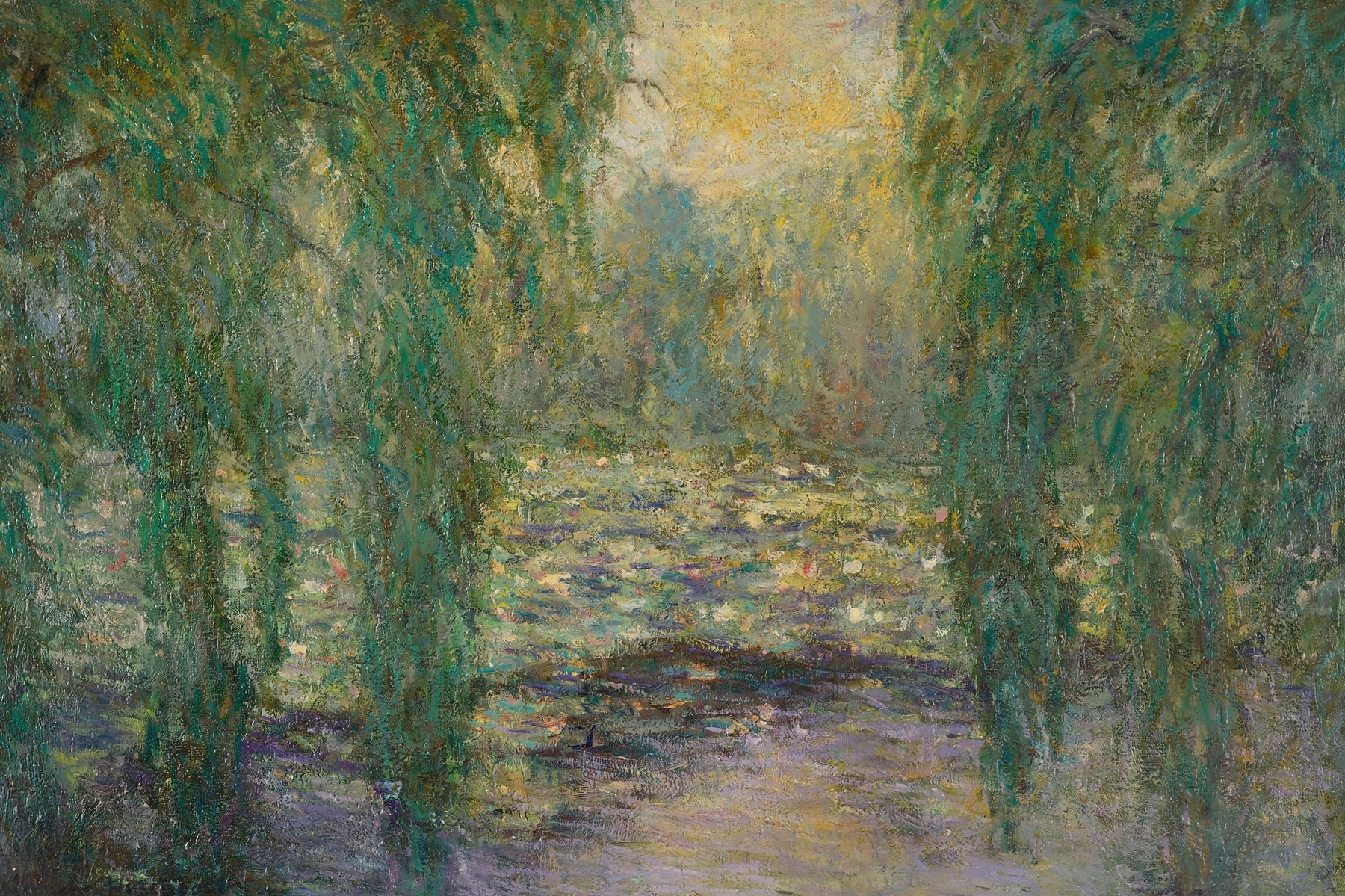
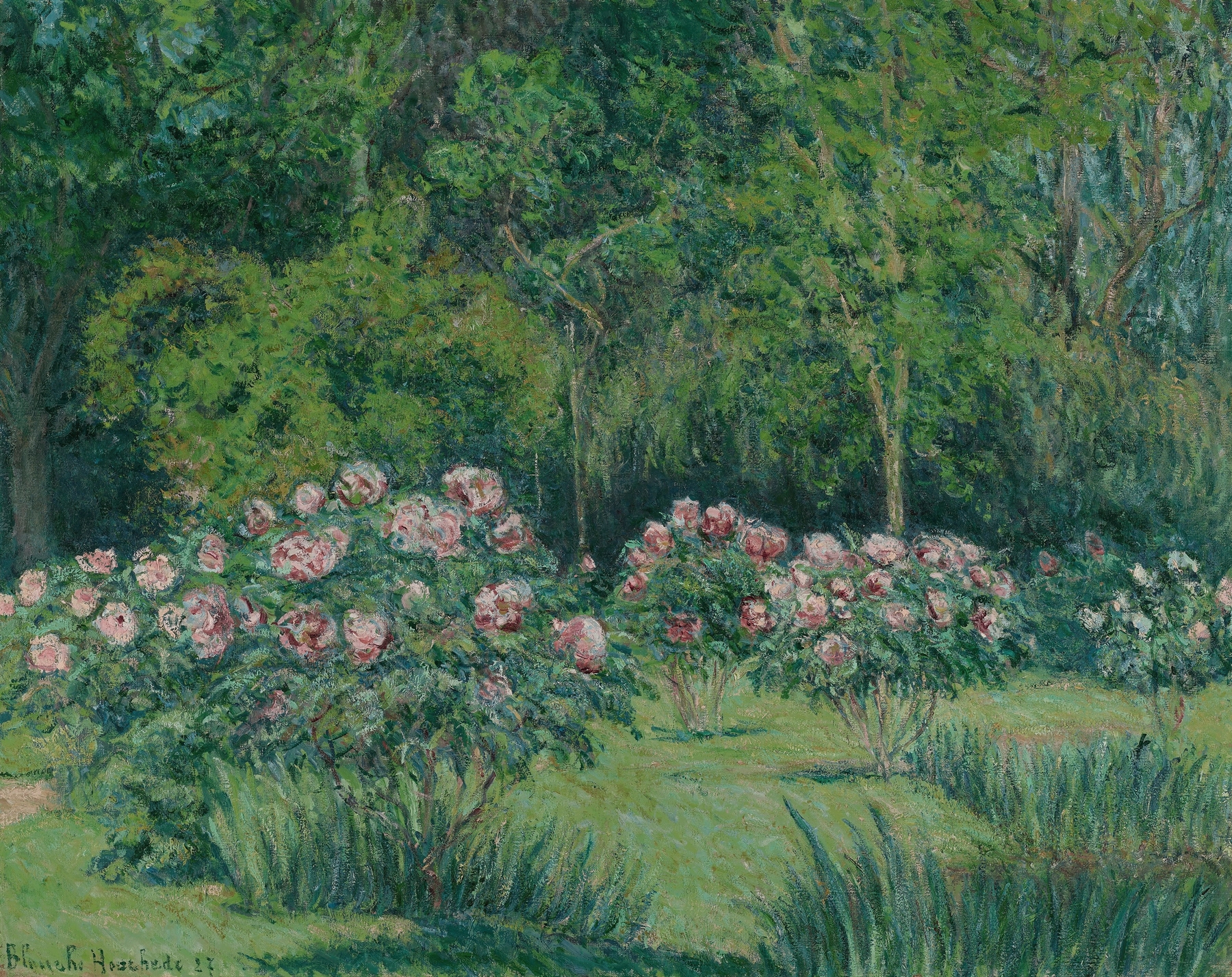
“Every silence here is a confession.” In this delicate floral arrangement, whispers of longing and tranquility intertwine, inviting the viewer to step into a dreamlike realm. Each brushstroke speaks to the heart’s hidden desires, revealing the beauty that lies within the ephemeral. Look to the left at the soft array of petals, where hues of lavender and blush blend seamlessly into one another. The artist's deft hand creates a sense of movement among the flowers, as if they sway gently in an unseen breeze. Notice how light dances across the canvas, illuminating the textures and inviting a tactile response, making each bloom feel alive, yet transient.
The use of soft pastels contrasts sharply with the darkened corners, emphasizing the vibrancy of life within a fleeting moment. Beneath the surface, the painting captures the duality of existence. The vivid blossoms symbolize both abundance and fragility, reflecting the delicate balance of beauty and decay. This tension is heightened by the interplay of light and shadow, suggesting an awareness of time’s passing—each bloom a reminder of both joyous presence and inevitable absence.
The work speaks not only of nature’s splendor but also of our own ephemeral experiences, evoking a sense of introspection amid the vibrant chaos. Blanche Hoschedé-Monet painted this piece in 1930 during a period of personal reflection, as she navigated the complexities of her artistic identity while being closely linked to the Monet legacy. The world of art was undergoing significant changes, with movements such as Impressionism being reinterpreted, and her works began to carve out a distinct place in that evolving landscape. The quiet yet profound nature of Fleurs Du Jardin embodies her growing confidence and unique voice within the artistic community.