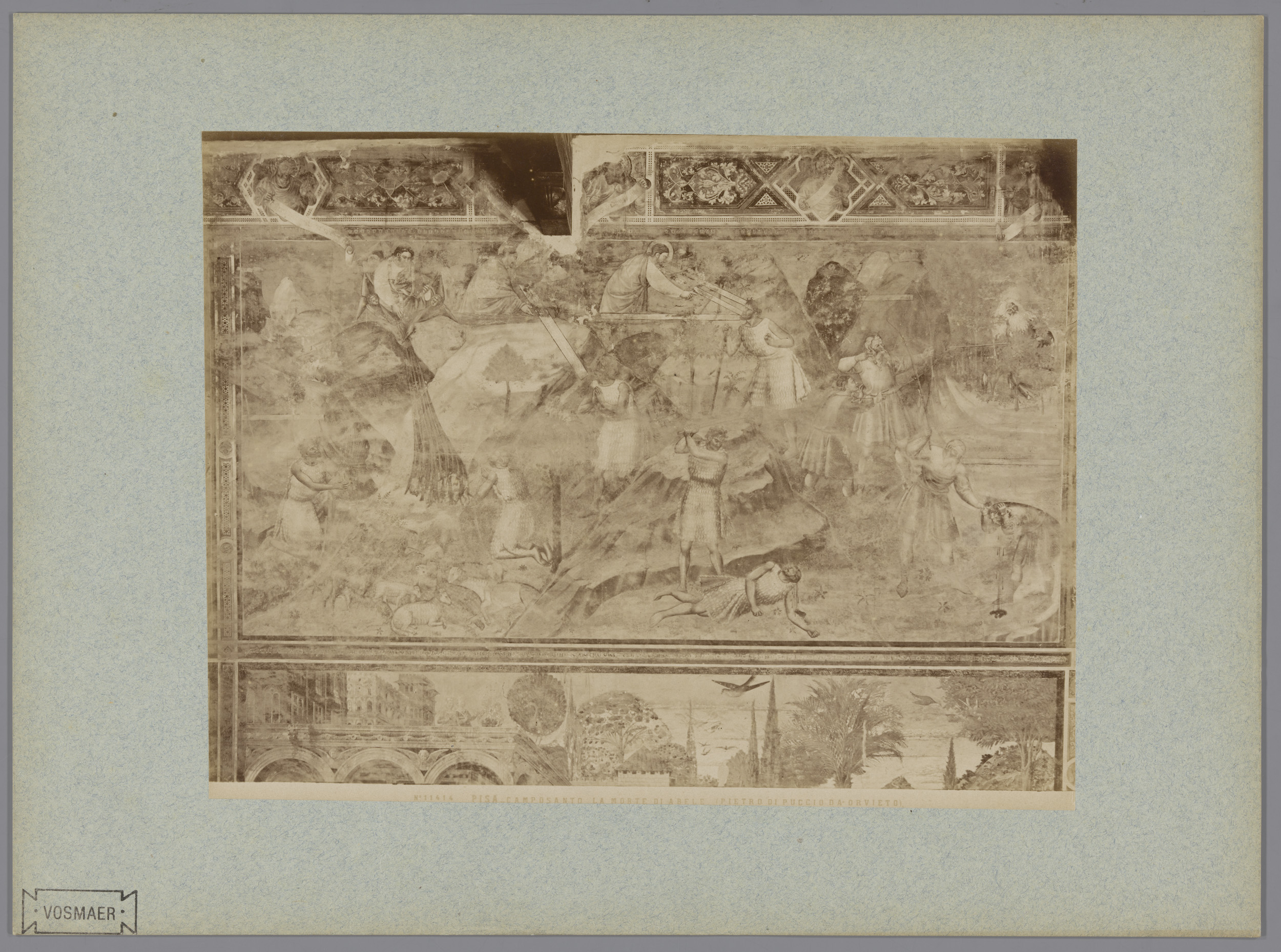
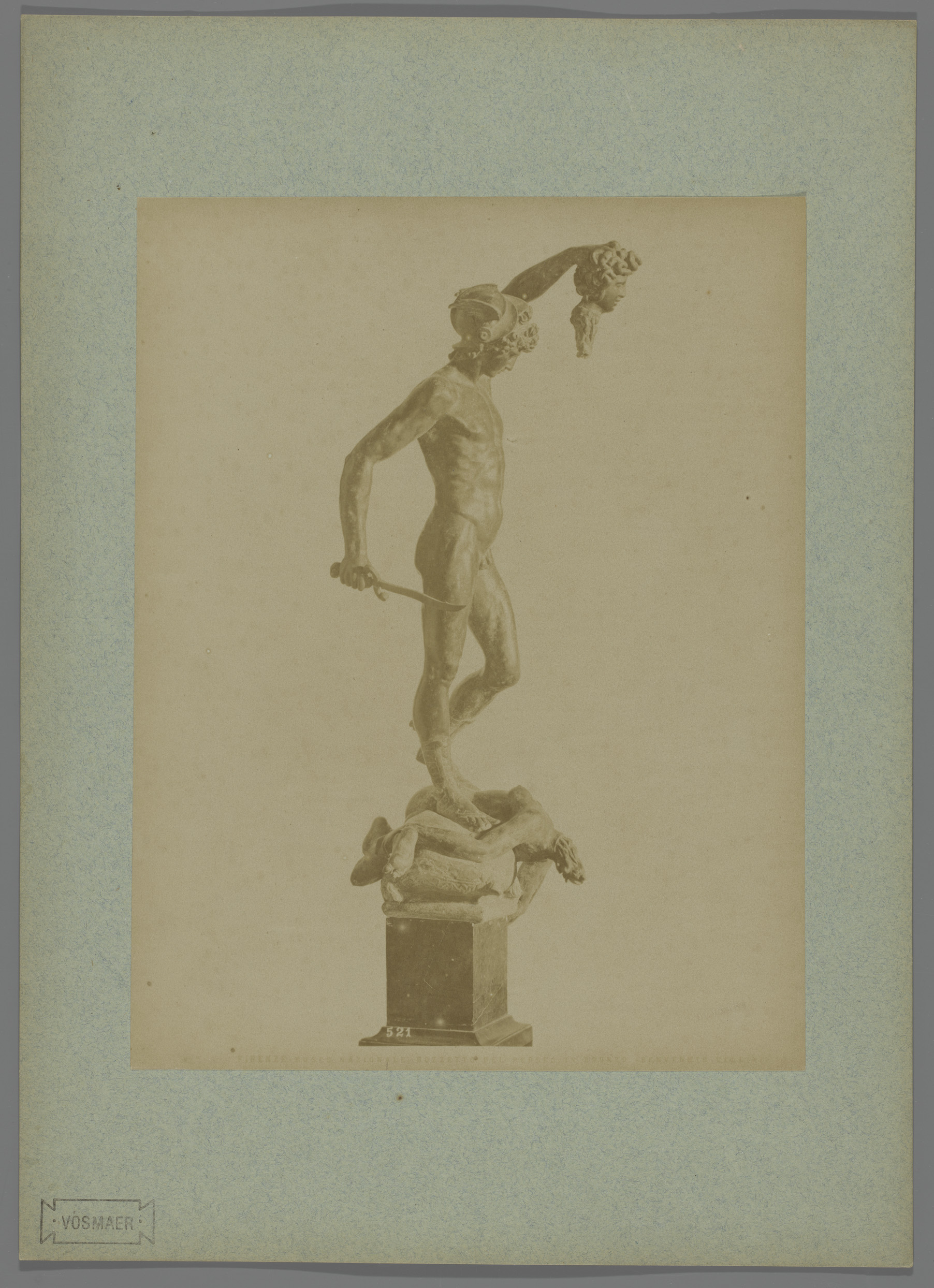
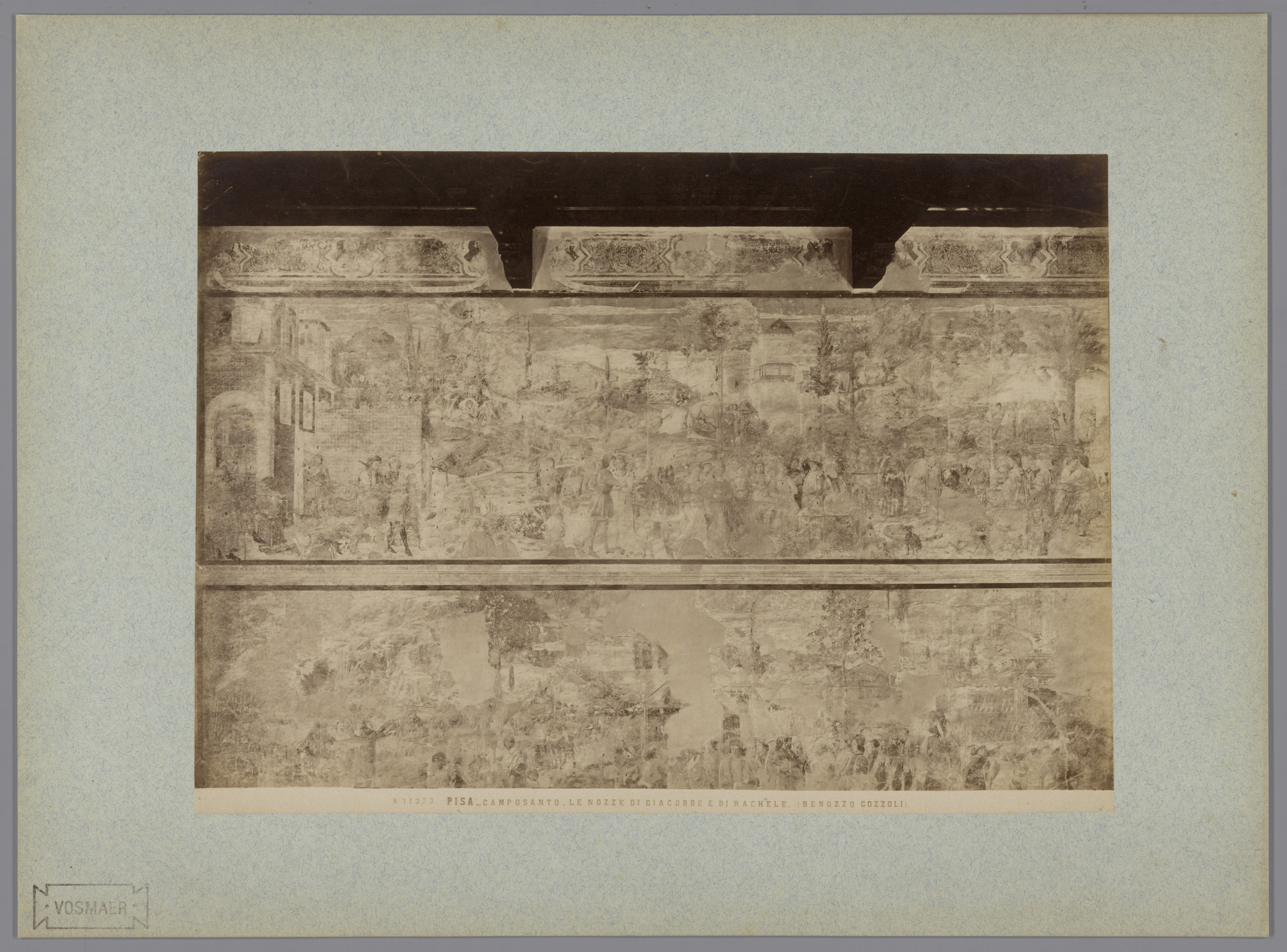
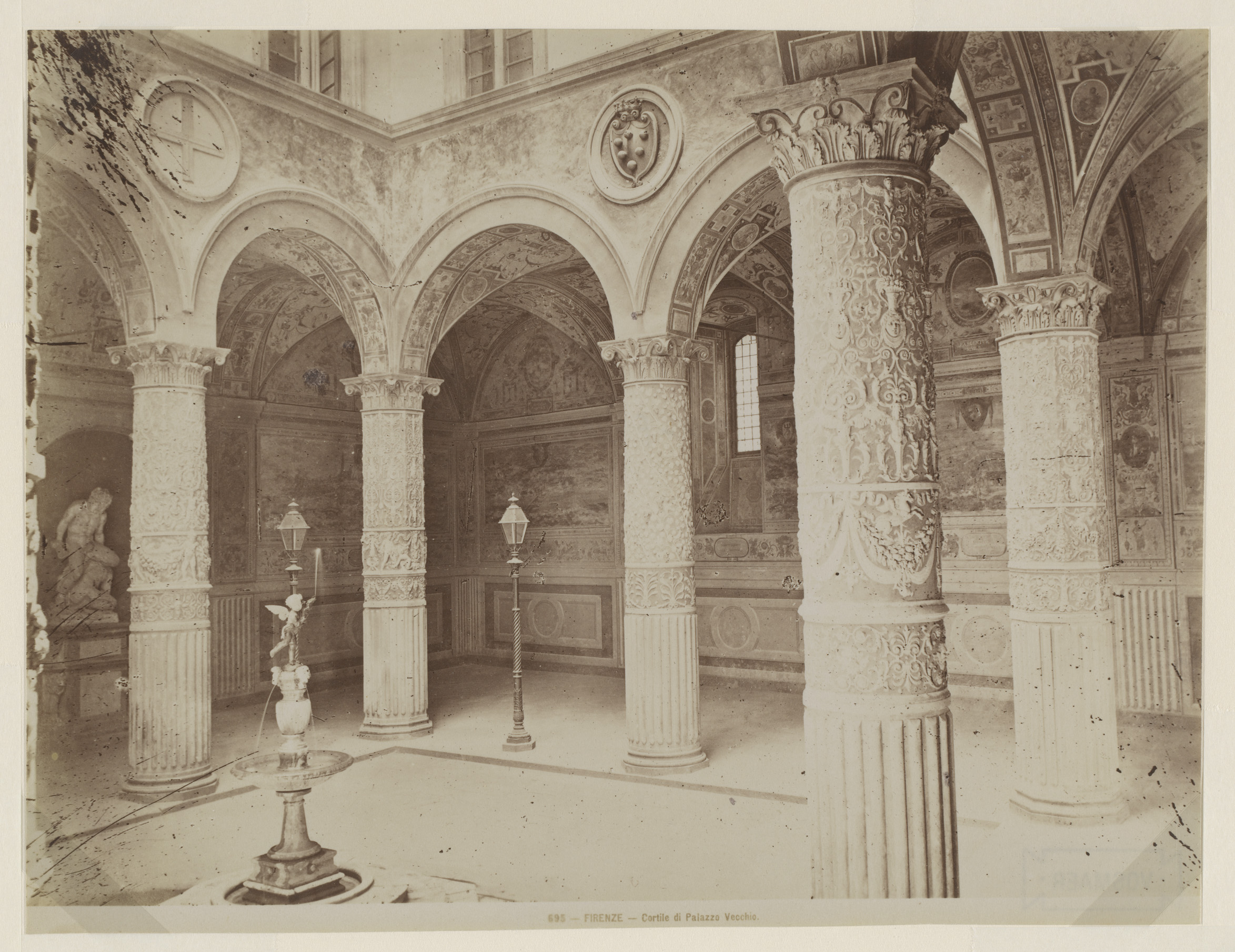
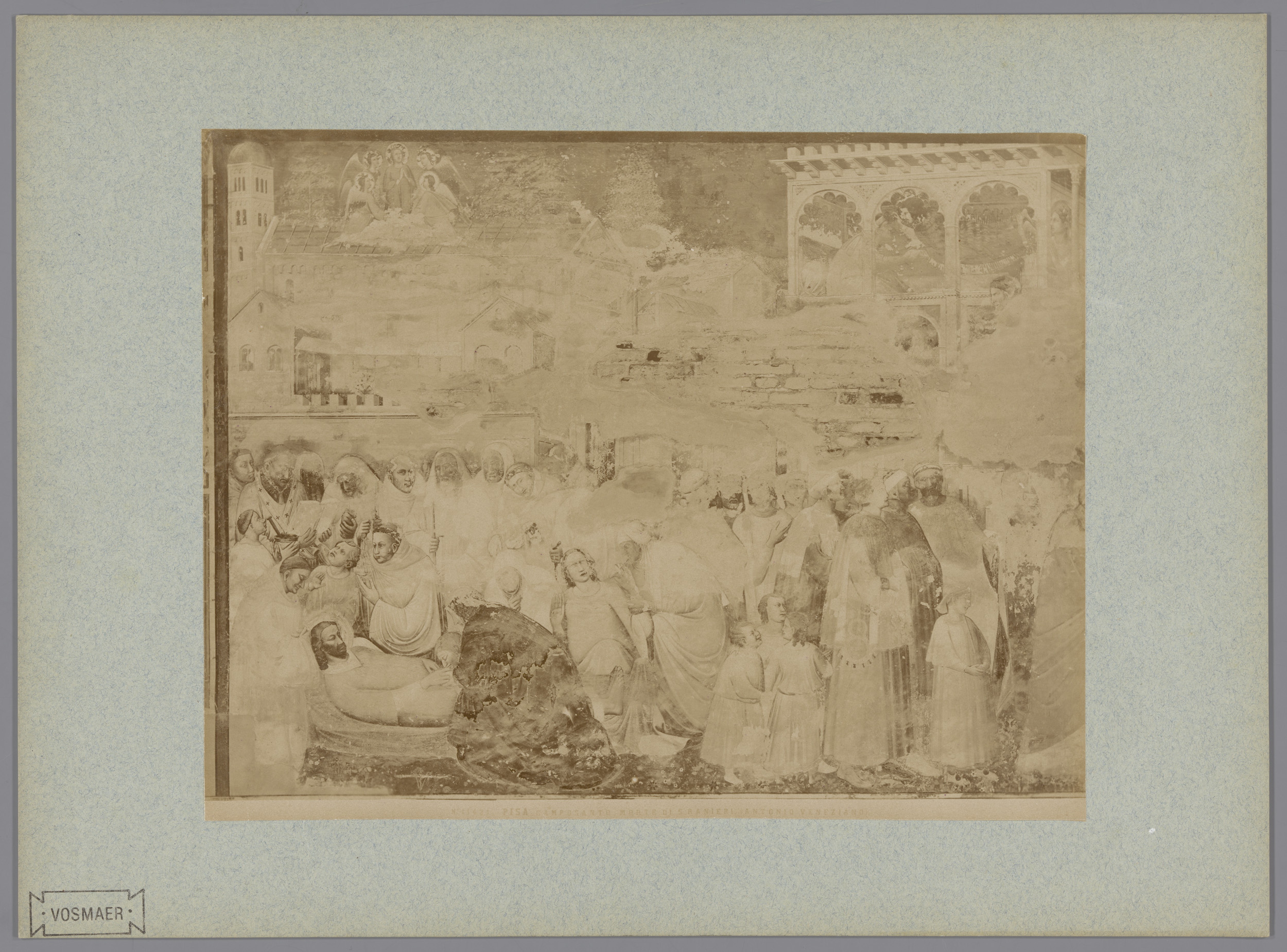
Fotoreproductie Fresco Jozef maakt zich bekend aan zijn broers door Benozzo Gozzoli in het Camposanto te Pisa — History & Analysis
“Sometimes beauty is just pain, disguised in gold.” In the delicate interplay of light and shadow, fragility emerges as a profound theme—a silent testament to the human experience within art’s embrace. Look to the center of the composition, where the figures of Joseph and his brothers engage in a moment thick with recognition and emotion. Notice how the intricate details in their clothing—rich fabrics and textured patterns—contrast with the soft, muted background, drawing your eyes to their expressions. The light cascades gently over their faces, accentuating the vulnerability that underscores their reunion.
Subtle hues of gold and earth tones merge to create a celestial warmth, evoking a sense of nostalgia that envelops the entire scene. Delve deeper to discover the emotional tensions at play. The brothers’ bodies are slightly turned away from each other, hinting at a fragile bond strained by their past. Joseph’s outstretched hand symbolizes both reconciliation and the lingering pain of betrayal, inviting contemplation on familial love intertwined with sorrow.
Even the architectural elements surrounding them—a distant archway and softly painted fresco—suggest a sanctuary of sorts, a space where both connection and heartache can coexist. In the late 19th century, the Fratelli Alinari studio in Florence was at the forefront of photographic reproduction, capturing the richness of Italian art and history. Their work on this fresco reproduction during the years 1857 to 1900 reflects a moment when traditional art forms merged with emerging technologies, allowing a wider audience to access the depth of narratives woven into these masterpieces. The intricate balance of craftsmanship underscores their dedication to preserving the fragility of art, marking a significant chapter in the history of cultural heritage.