Sculptuur van Bacchus en Ampelos in de Galleria degli Uffizi te Florence, Italië — History & Analysis
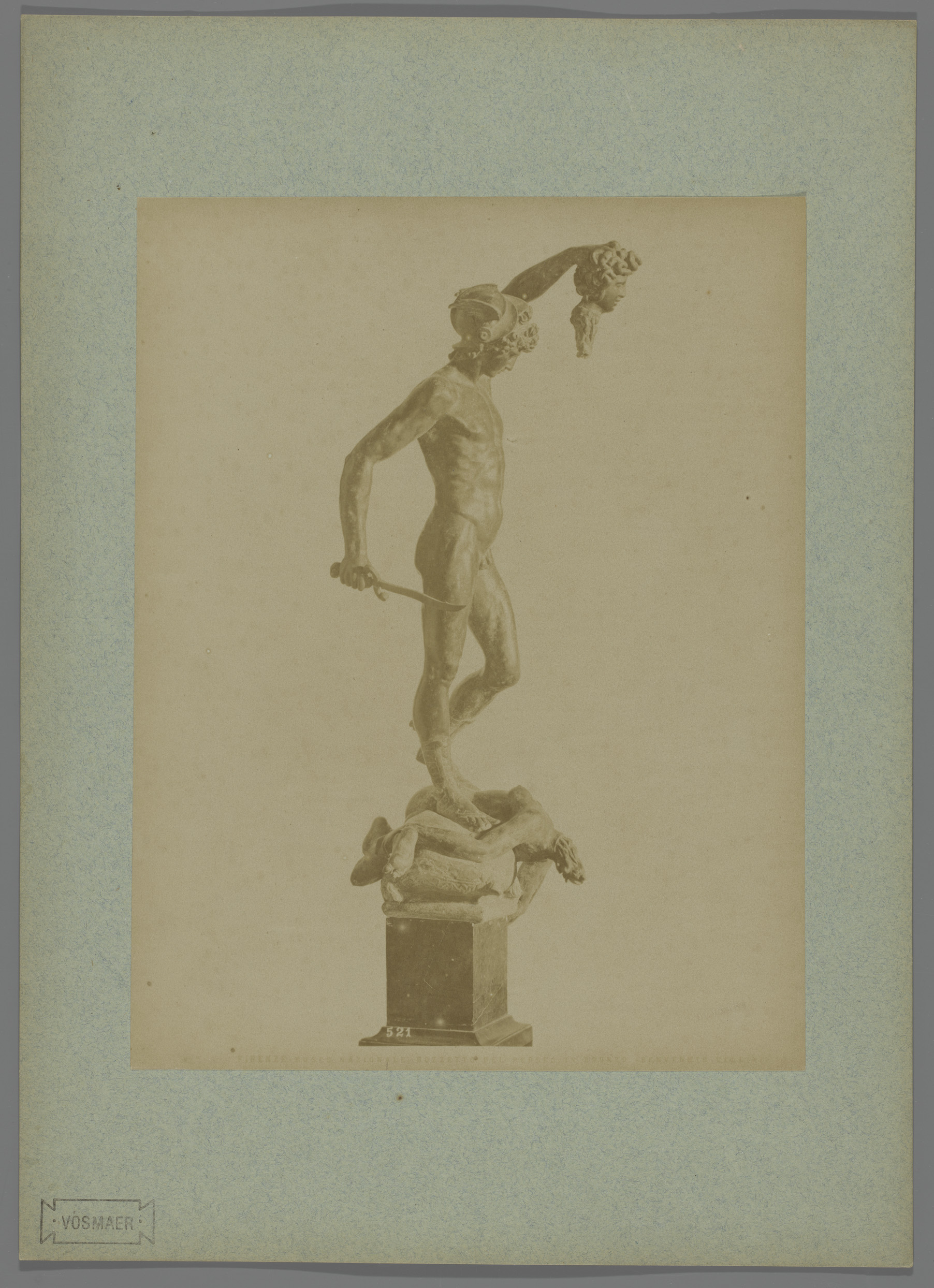
When did color learn to lie? In the dance of light and shadow, the rebirth of myth takes form, evoking an intoxicating allure beyond the canvas. Look closely at the vibrant drapery surrounding the figures; it swirls and ripples with a life of its own, enticing the viewer to explore the intricate folds. Notice how the warm, earthy tones of Bacchus’s skin contrast with the cool, delicate hues adorning Ampelos.
The artist’s meticulous attention to detail is revealed in the way the play of light highlights the expressions on their faces—joy and serenity intertwined, encapsulating an intimate moment steeped in history and symbolism. Delve deeper, and you will find the duality of existence captured here: Bacchus, the god of wine and revelry, embodies indulgence, while Ampelos, often depicted as a youthful companion, symbolizes youthful vigor and nature's bounty. Their intertwined figures signify a harmonious relationship, representing the cycle of life and death, joy and sorrow, a reminder of the fleeting nature of pleasure. The surrounding flora enhances this narrative, suggesting growth and rebirth, underscoring the eternal connection between humanity and the divine.
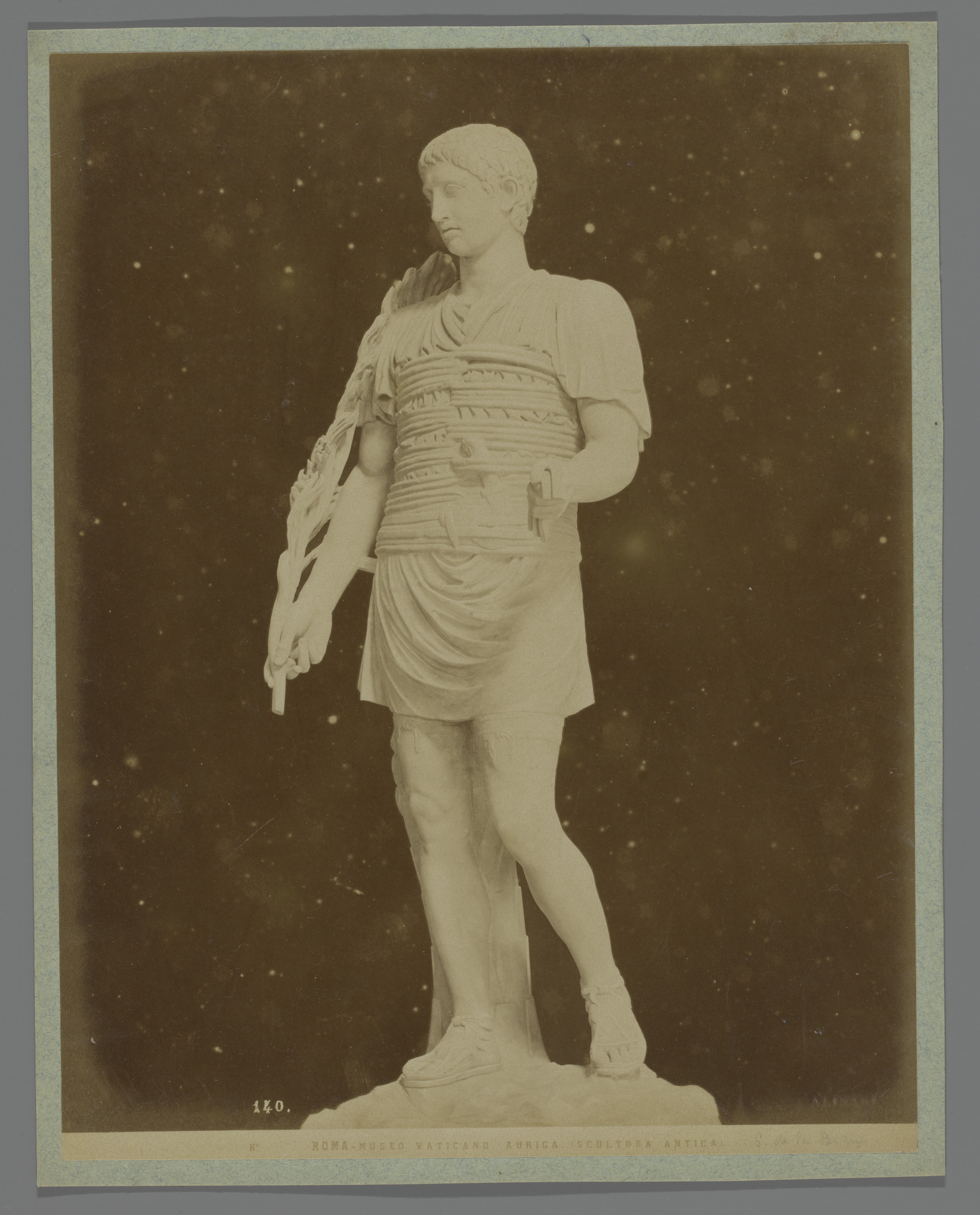
Created in the late 19th century, this piece emerges from a period of renewed interest in classical themes within the arts. Fratelli Alinari, known for their photography and artistic interpretations, sought to celebrate and reinterpret the beauty of antiquity during the Italian Renaissance revival. At a time when Europe was grappling with modernity, their work served as a bridge between the ancient and the contemporary, invoking nostalgia and a longing for the past.