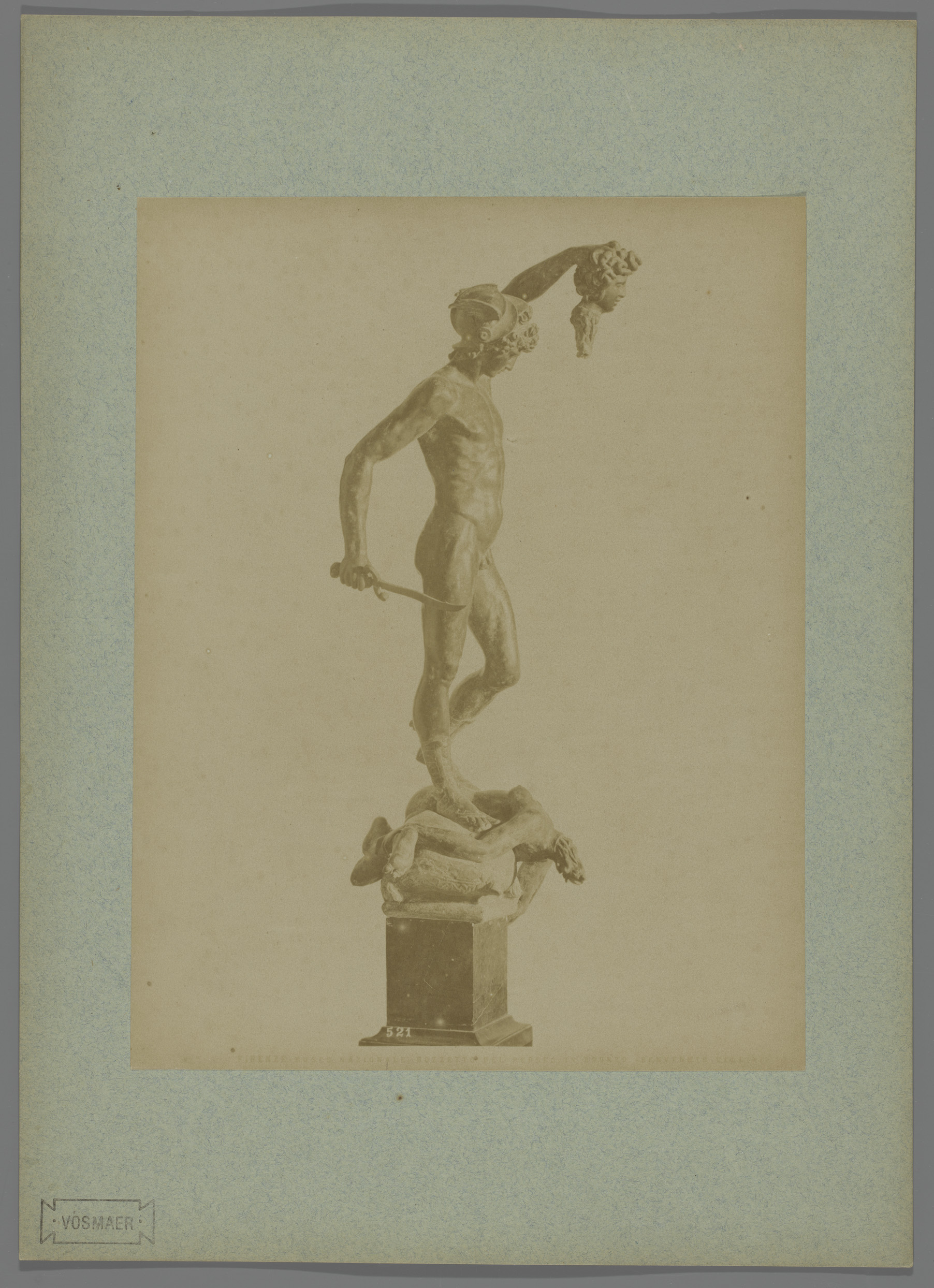
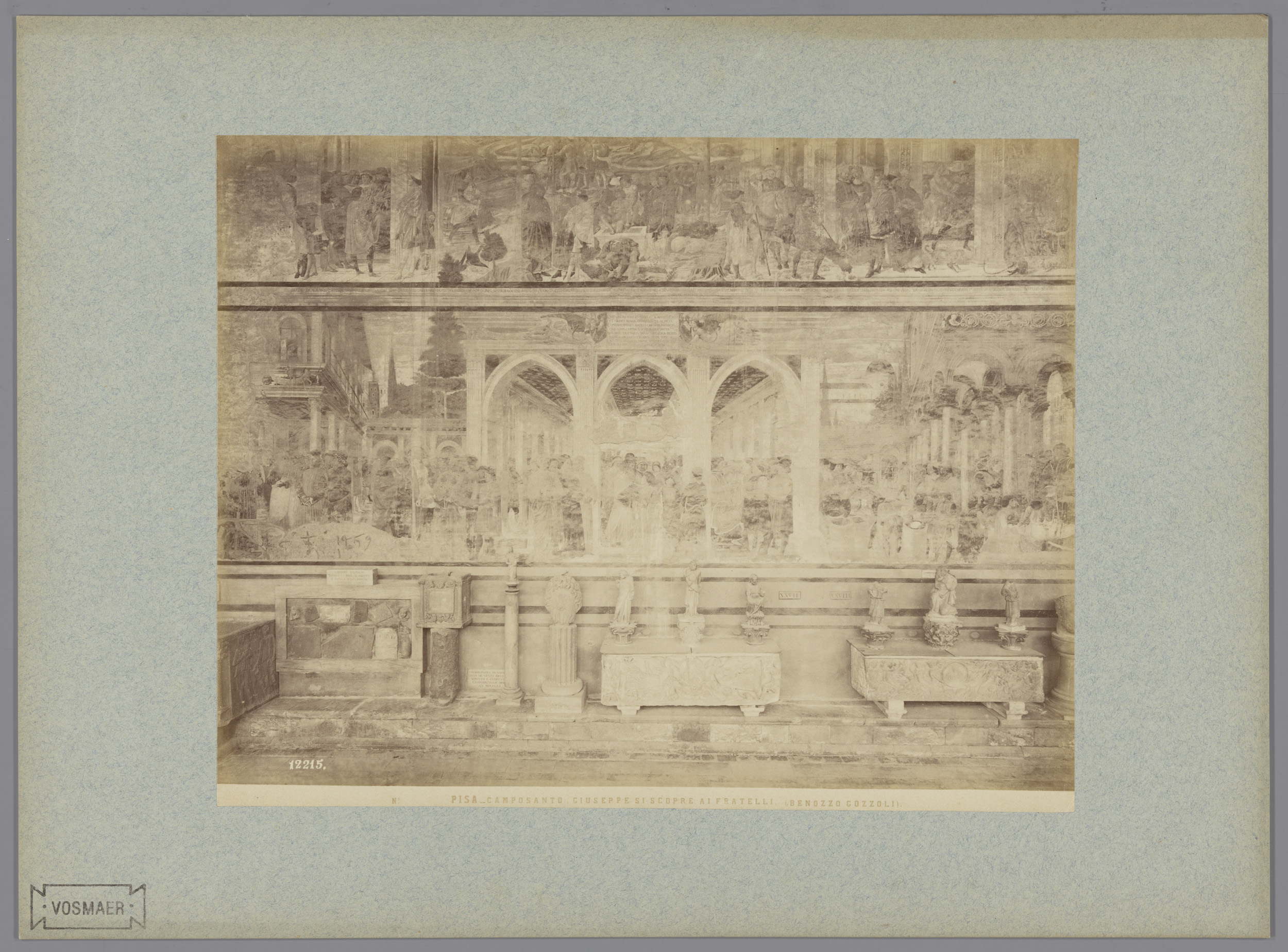
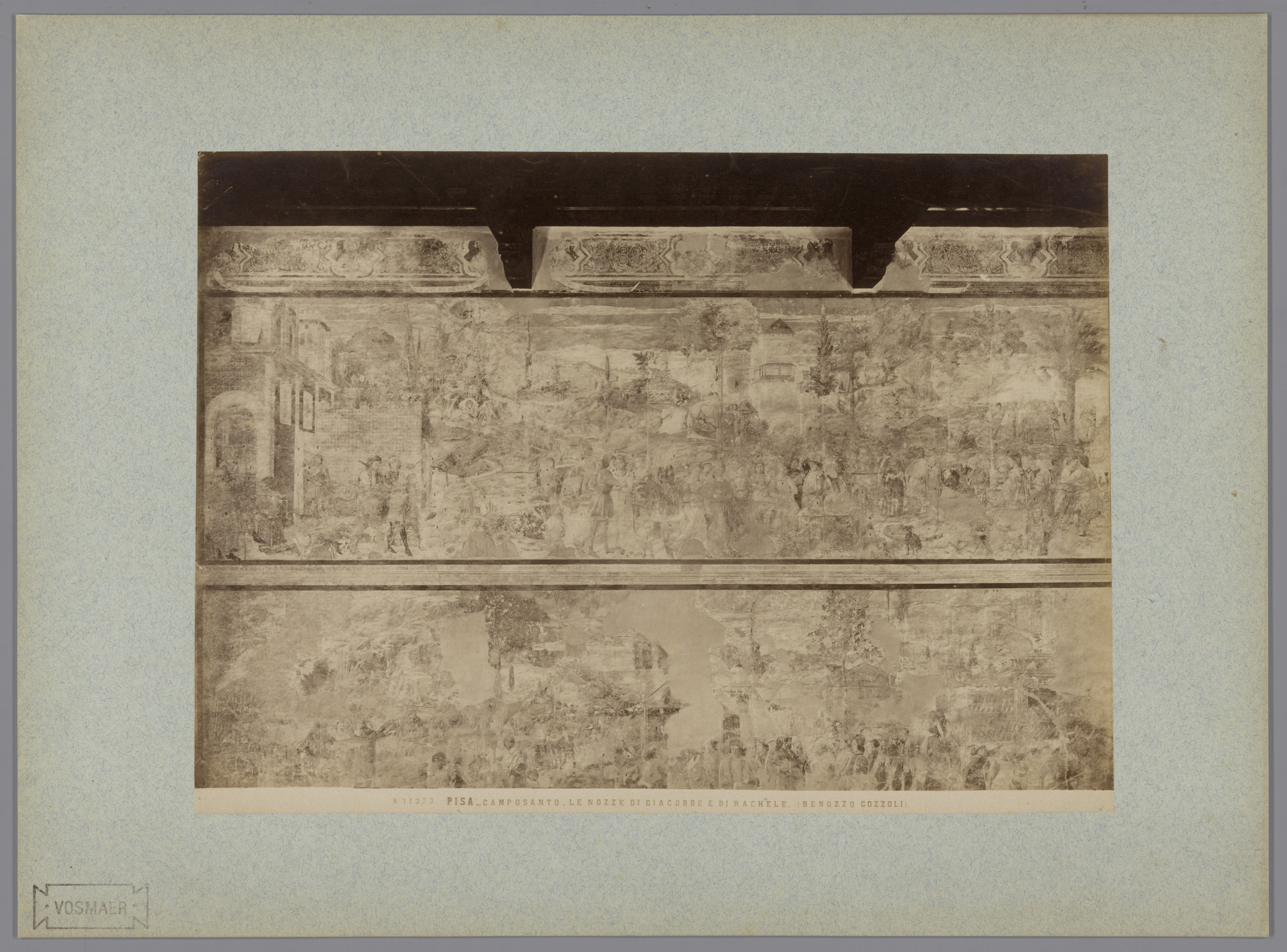
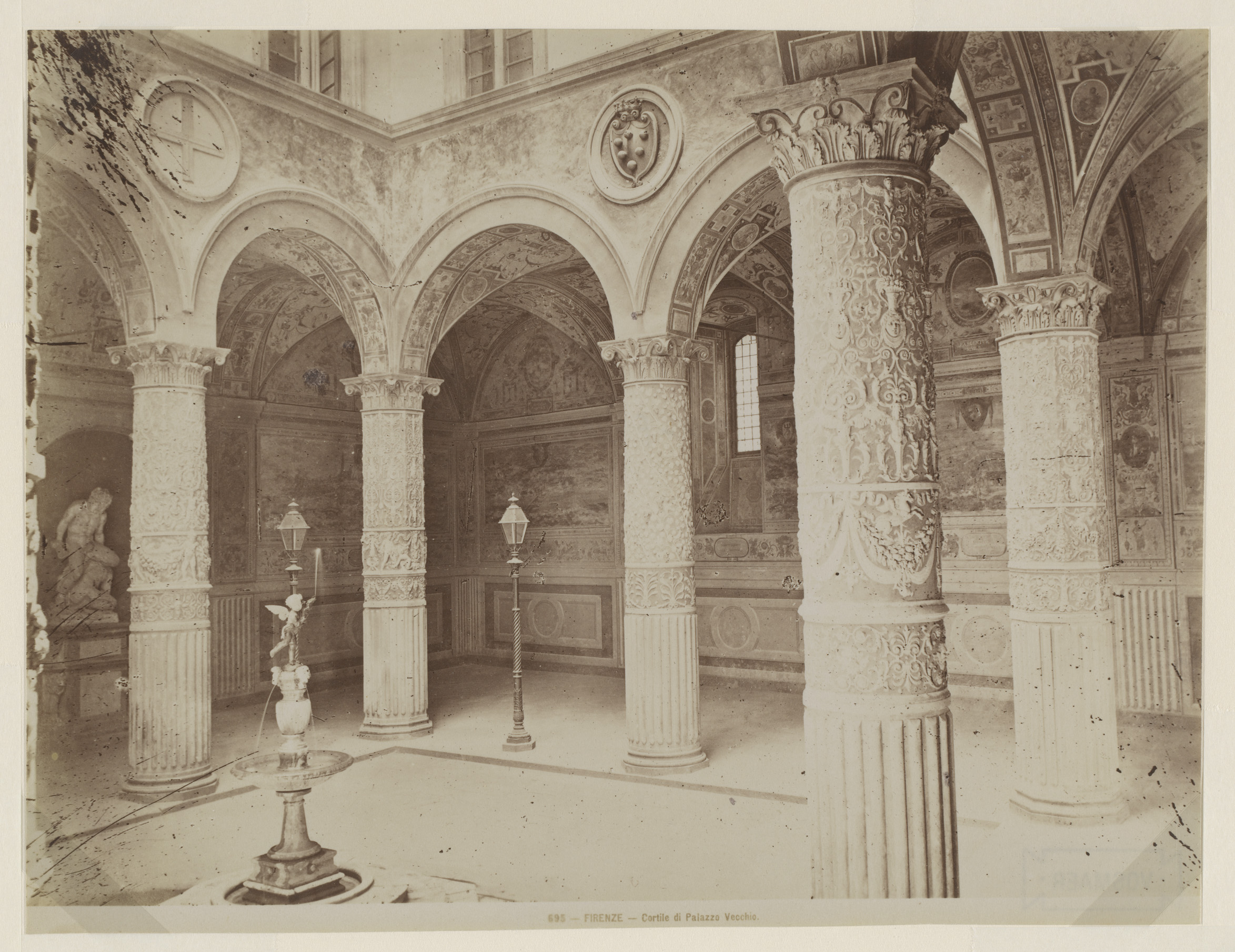
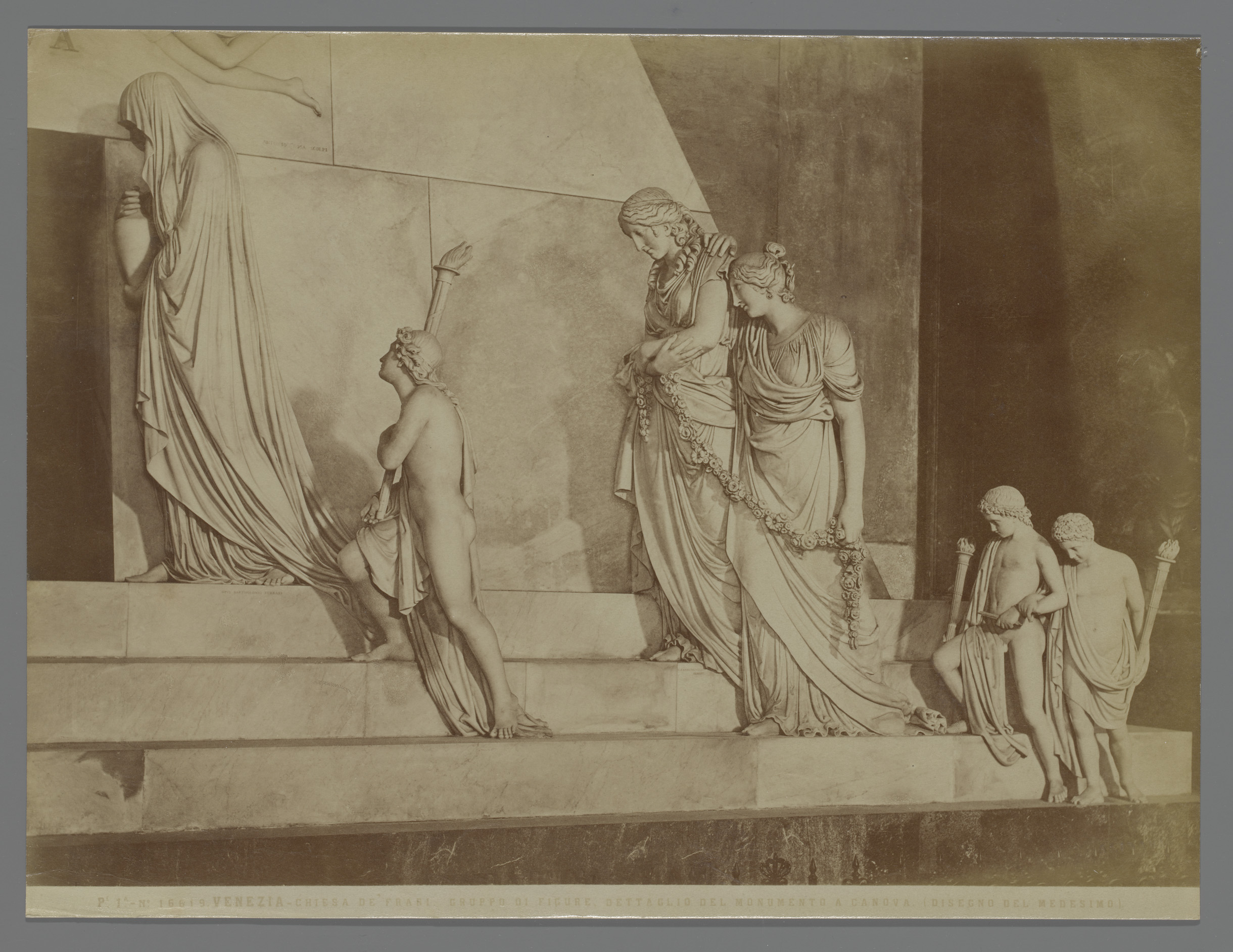
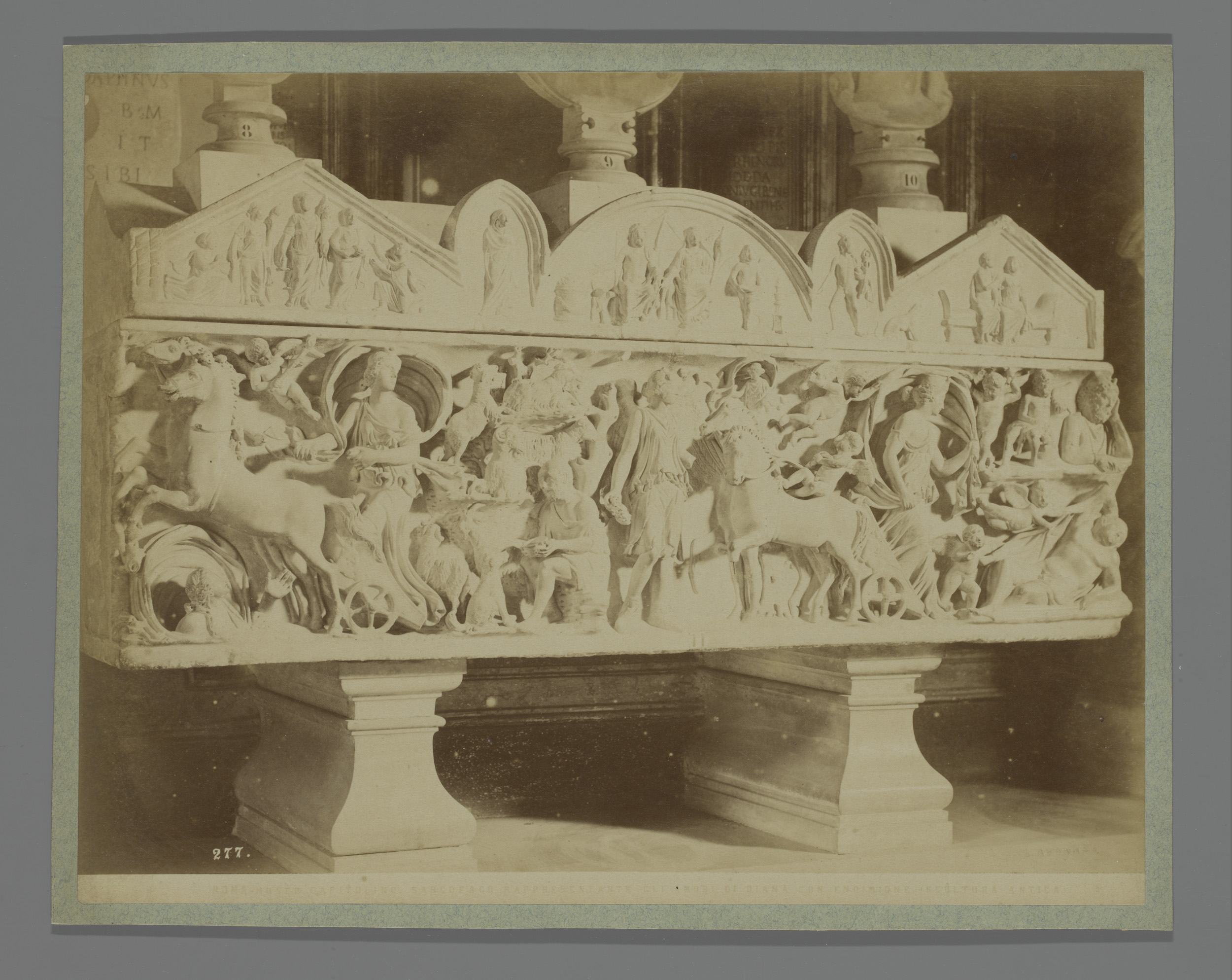
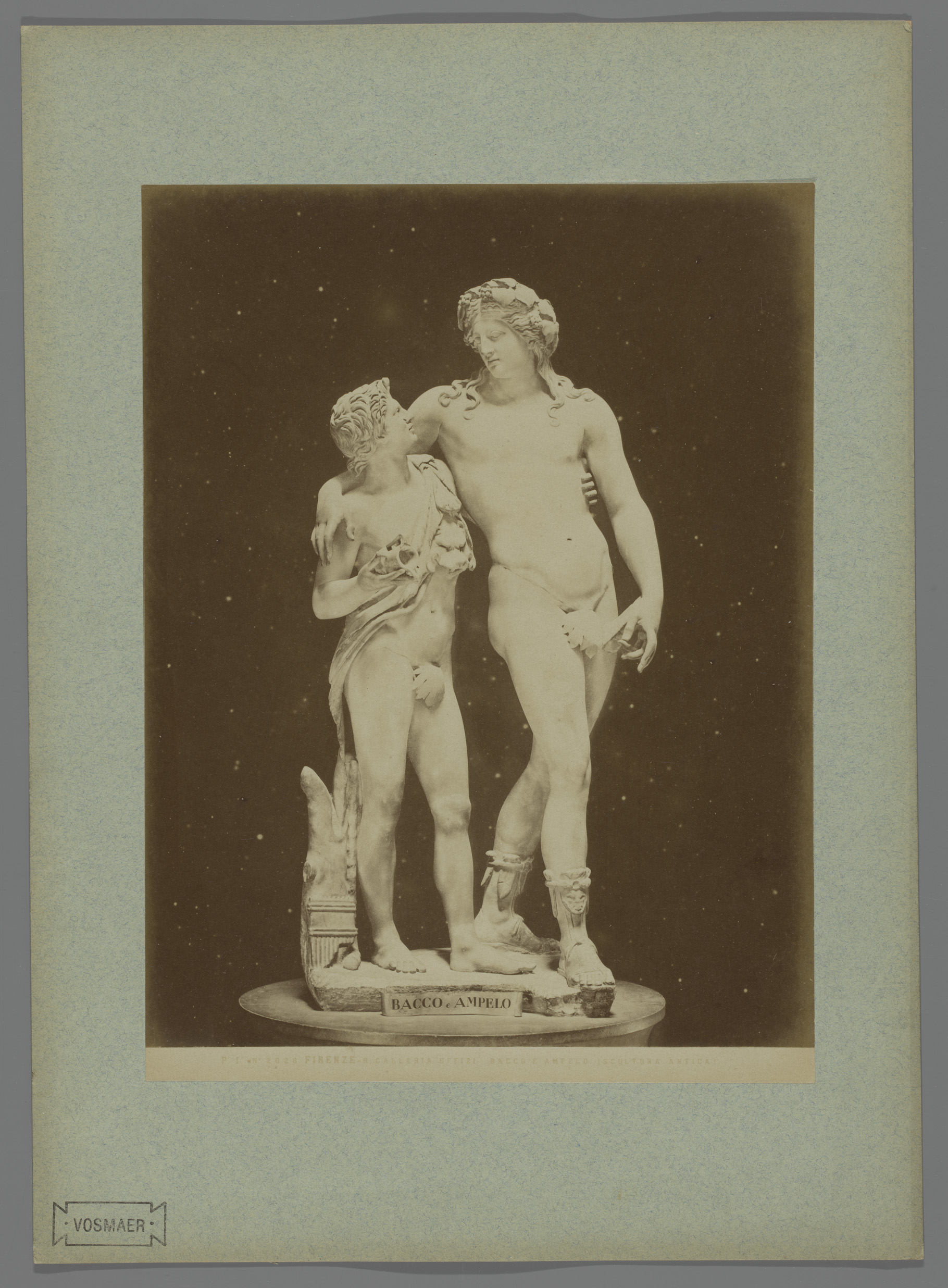
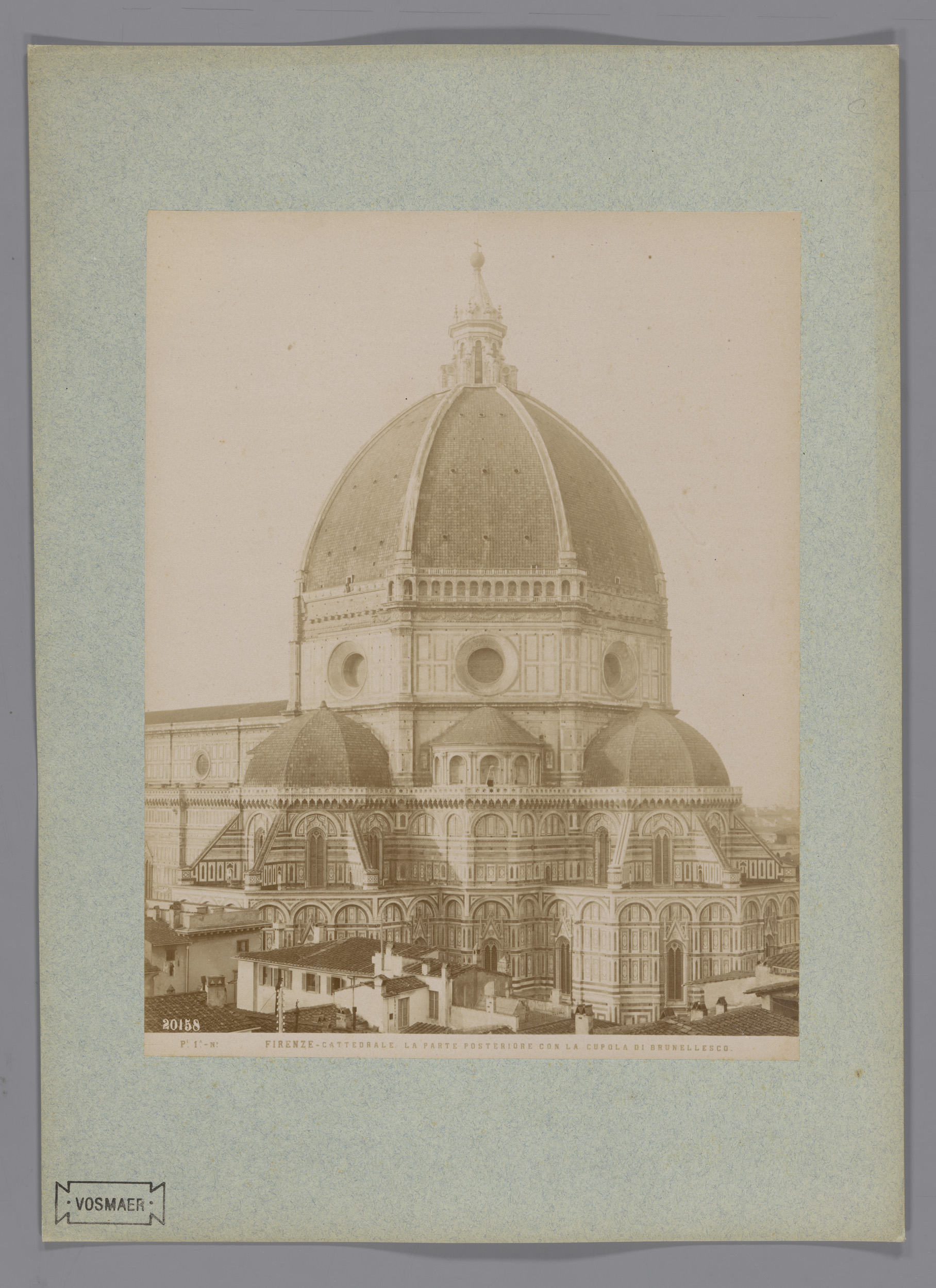
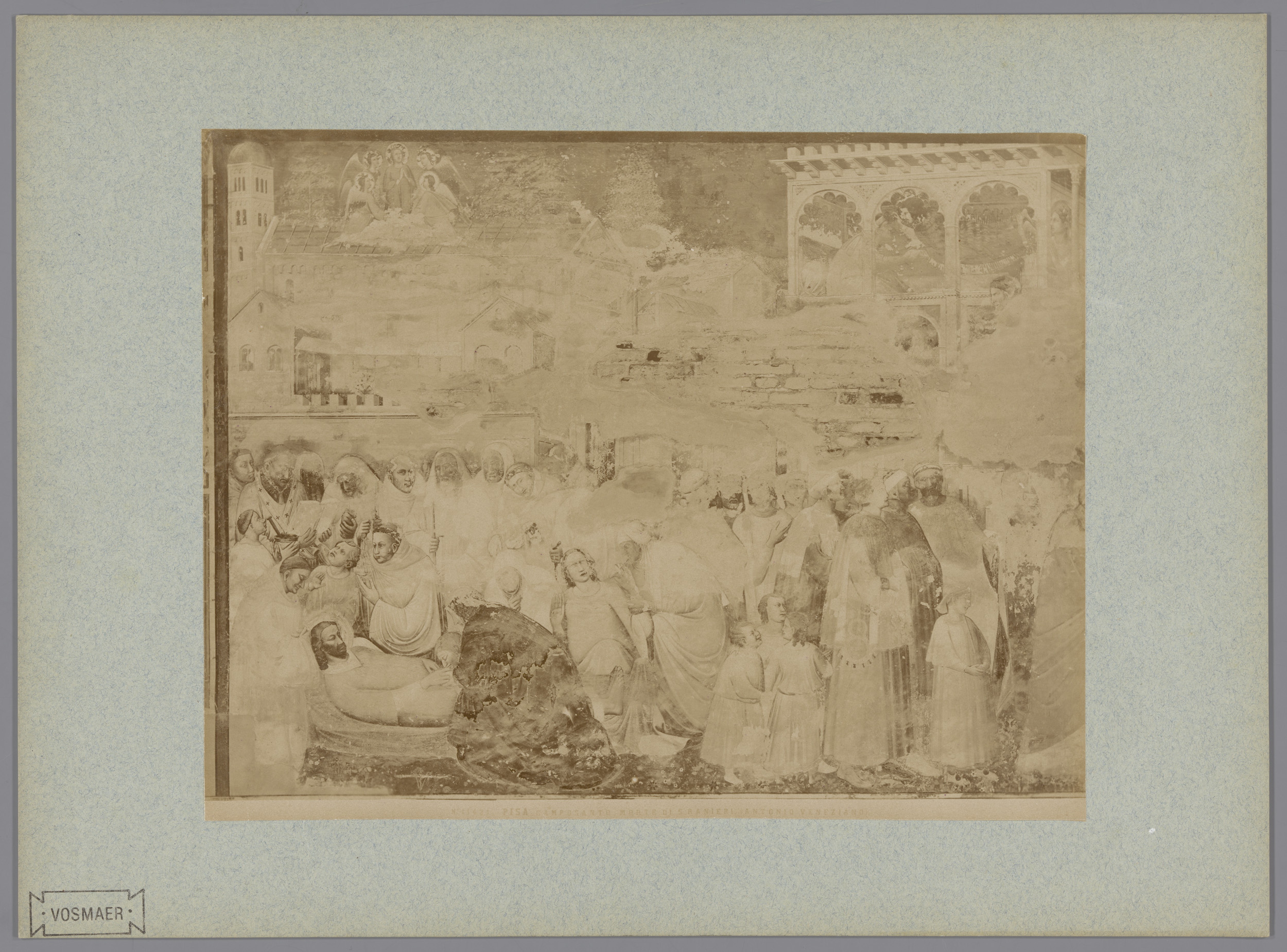
Fotoreproductie van het fresco De dood van Abel naar Piero di Puccio in het Camposanto te Pisa, Italië — History & Analysis
Can beauty exist without sorrow? In the delicate interplay of light and shadow, De dood van Abel offers a haunting reflection on the intricate tapestry of life and death, where chaos and harmony coexist within the confines of a single moment. Look closely at the figures strewn across the canvas, their expressions caught in a swirl of grief and disbelief. Focus on the stark contrast between the vibrant hues of Abel’s garments and the somber earth tones enveloping his mourners.
The composition draws your gaze toward the central figure, whose outstretched hand suggests both a plea and surrender, encapsulating the raw emotion at the heart of this tragic scene. The intricate details of the fresco reveal the craftsmanship of the period, as textures and colors evoke an overwhelming sense of loss. Beneath the surface, the chaos of human emotion emerges in the juxtaposition of innocence and betrayal. The serenity of Abel's face, pale and lifeless, contrasts sharply with the wild gestures of those around him; their anguish depicting not only personal sorrow but also the universal struggle against the fragility of existence.
Each figure embodies a distinct reaction, reflecting the deeper themes of violence and the consequences of unchecked ambition, all set against a backdrop echoing the tumultuous nature of life. In the late 19th century, during a period of burgeoning artistic exploration, the Fratelli Alinari studio sought to reproduce the brilliance of classical art through photography. This particular work, created between 1857 and 1900, stands as a testament to their dedication to preserving artistic heritage, catalyzed by the contemporary fascination with history and the revival of classical themes. Amidst this cultural renaissance, the tragic narrative of De dood van Abel resonates, reminding us that chaos is often an inseparable companion to beauty.