Ontwerp voor sculptuur van Perseus door Benvenuto Cellini in het Museo Nazionale te Florence, Italië — History & Analysis
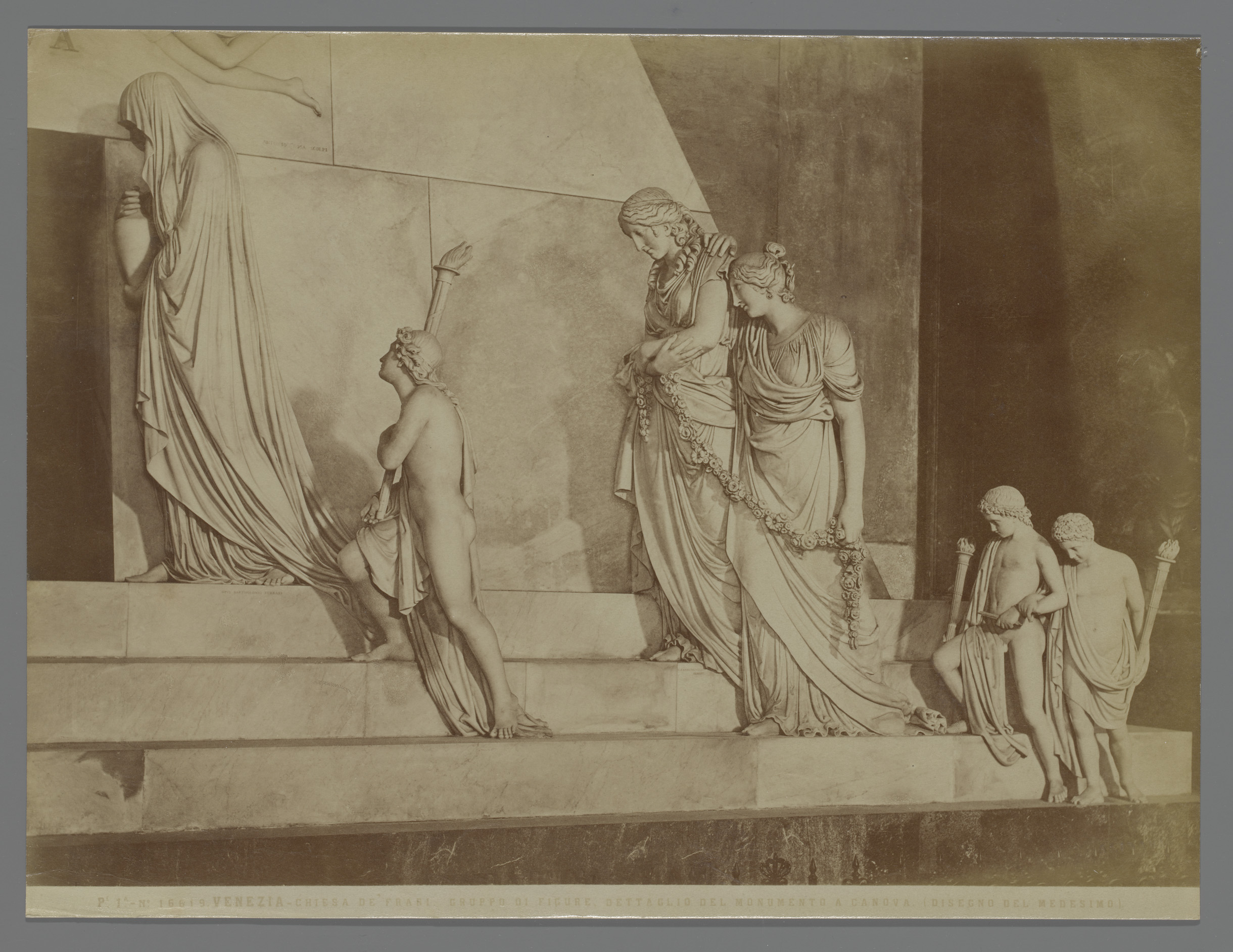
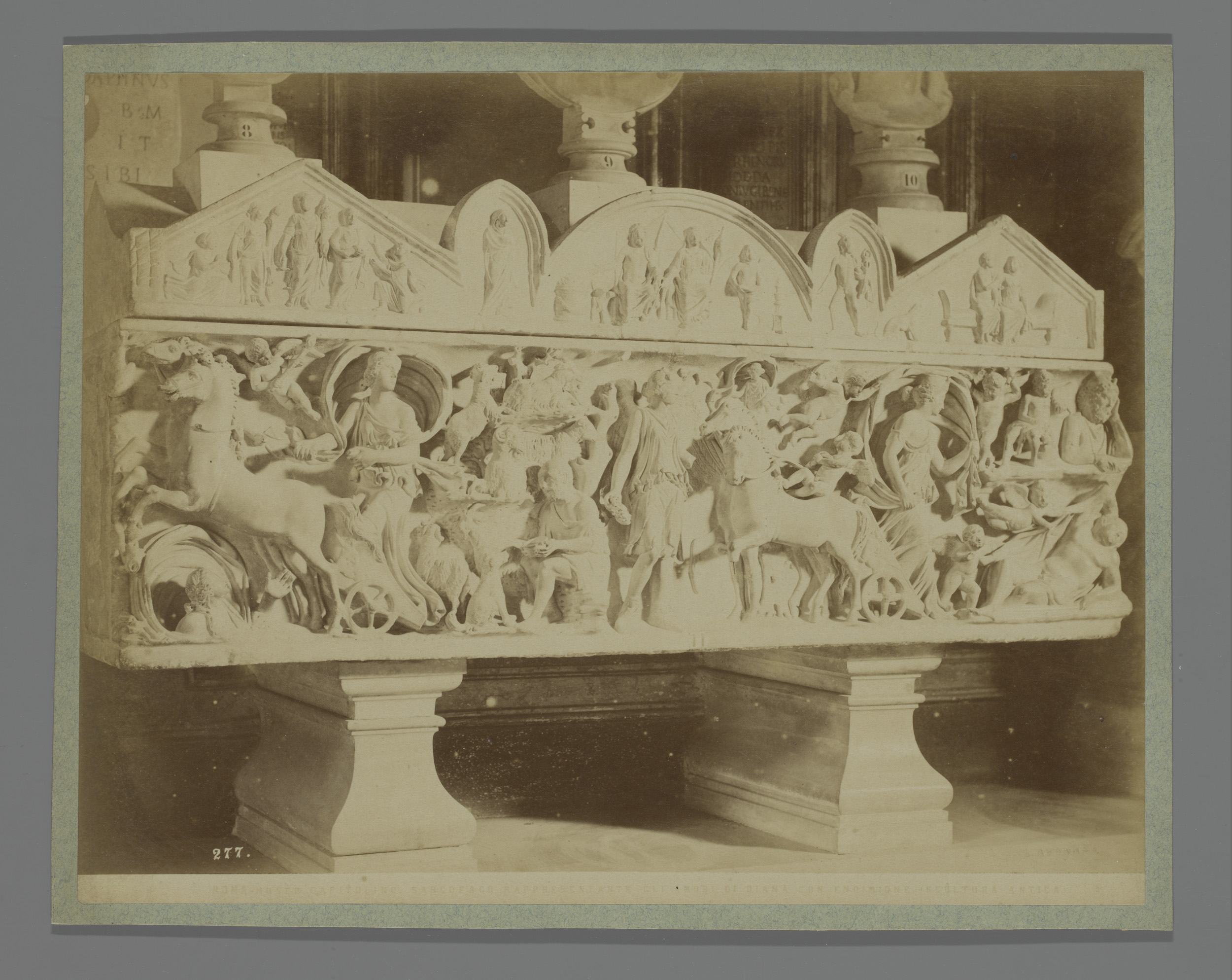
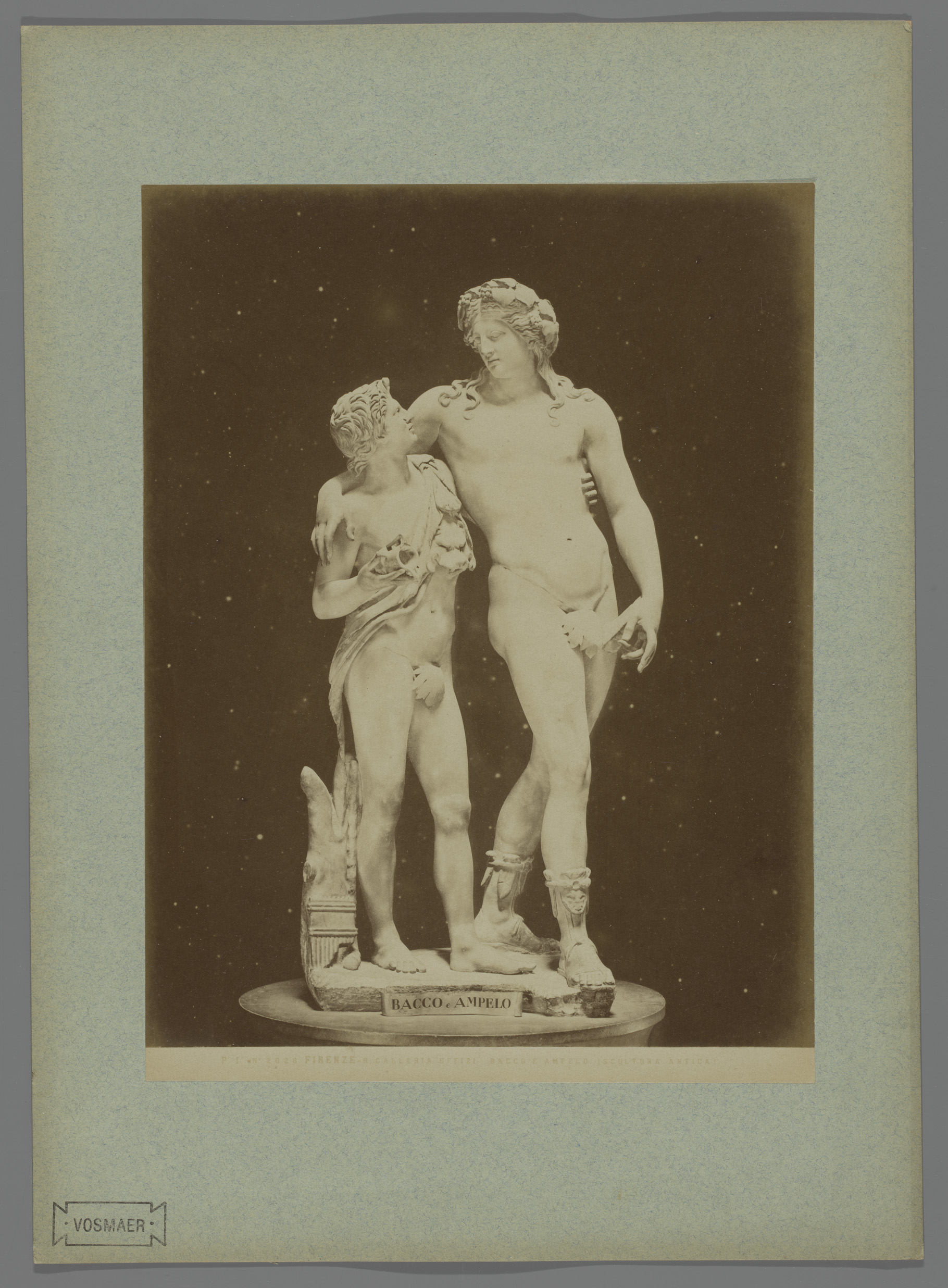
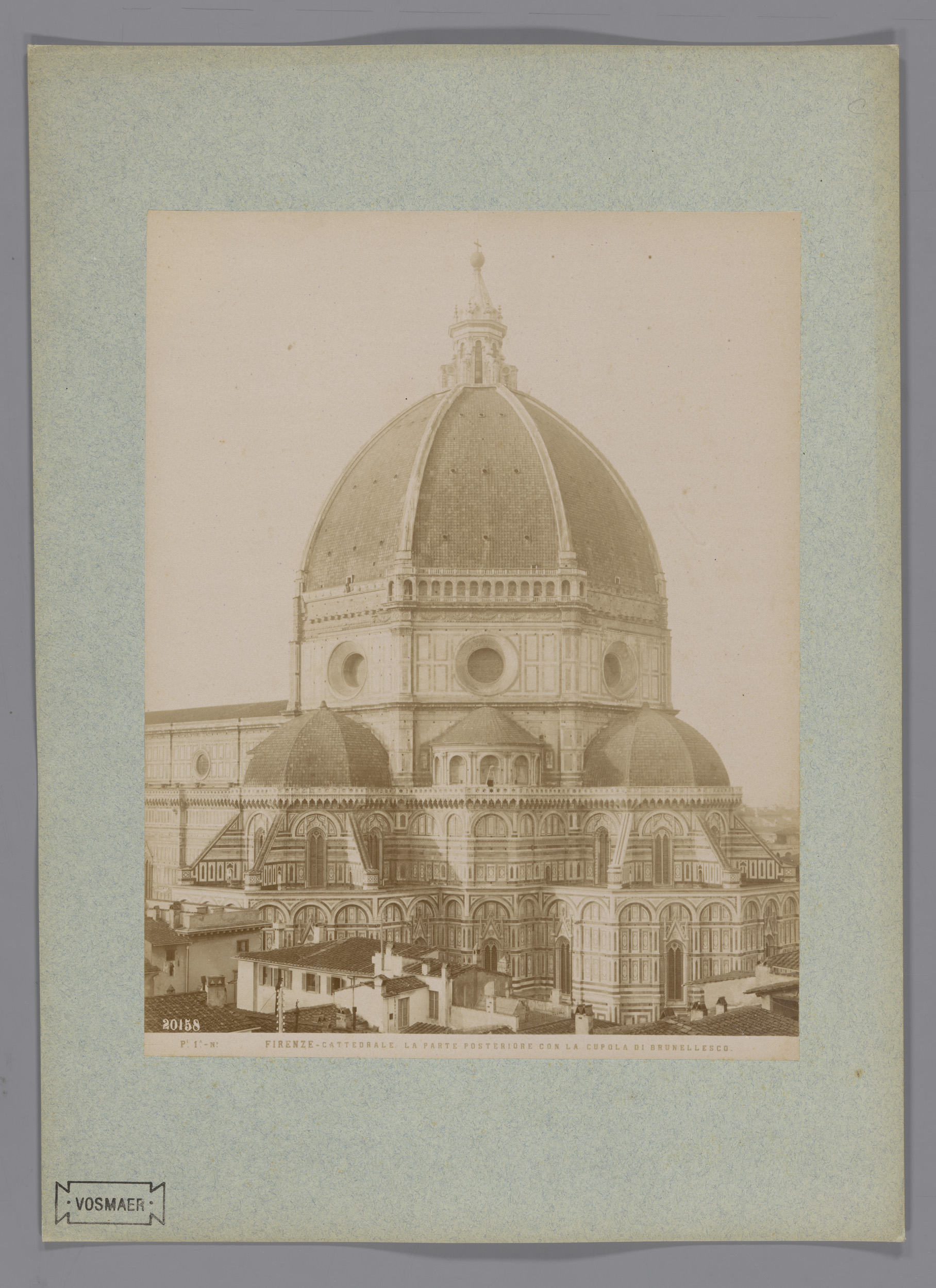
Could beauty survive in a century of chaos? In the tumult of the 19th century, as revolutions reshaped nations and ideals, it became paramount to capture the essence of grace amid turmoil. Focus first on the meticulous details of the sculpture design, where the heroic figure of Perseus is poised, his form a harmonious blend of strength and elegance. Notice the play of light and shadow across the contours, each curve inviting the viewer’s gaze to explore the intricate artistry.
The surrounding elements subtly frame Perseus, enhancing his significance while grounding him in the aesthetic context of the time, evoking a sense of both reverence and aspiration. Delve deeper into the underlying narrative of this piece. The juxtaposition of the classical theme against the backdrop of societal upheaval speaks volumes about resilience and the enduring power of art. Consider how the choice of form and material reflects not just an admiration for ancient mythology, but also an unyielding hope—an artistic rebellion against the disarray of contemporary life.
The tension between past ideals and present realities creates a dialogue that resonates through time. During the years this work was completed, the artist was part of a vibrant artistic community in Florence, navigating the complexities of the Italian Renaissance’s resurgence. The late 19th century was marked by political unrest and a revival of interest in classical art forms, influenced by the reactions to rapid industrial change and social upheaval. In this context, the sculpture embodies a yearning for stability and beauty, asserting art's role as a beacon of hope against the chaos of the era.