G. Closs – Tell’s Chapel on the Tellenplatte, Bay of Uri — History & Analysis
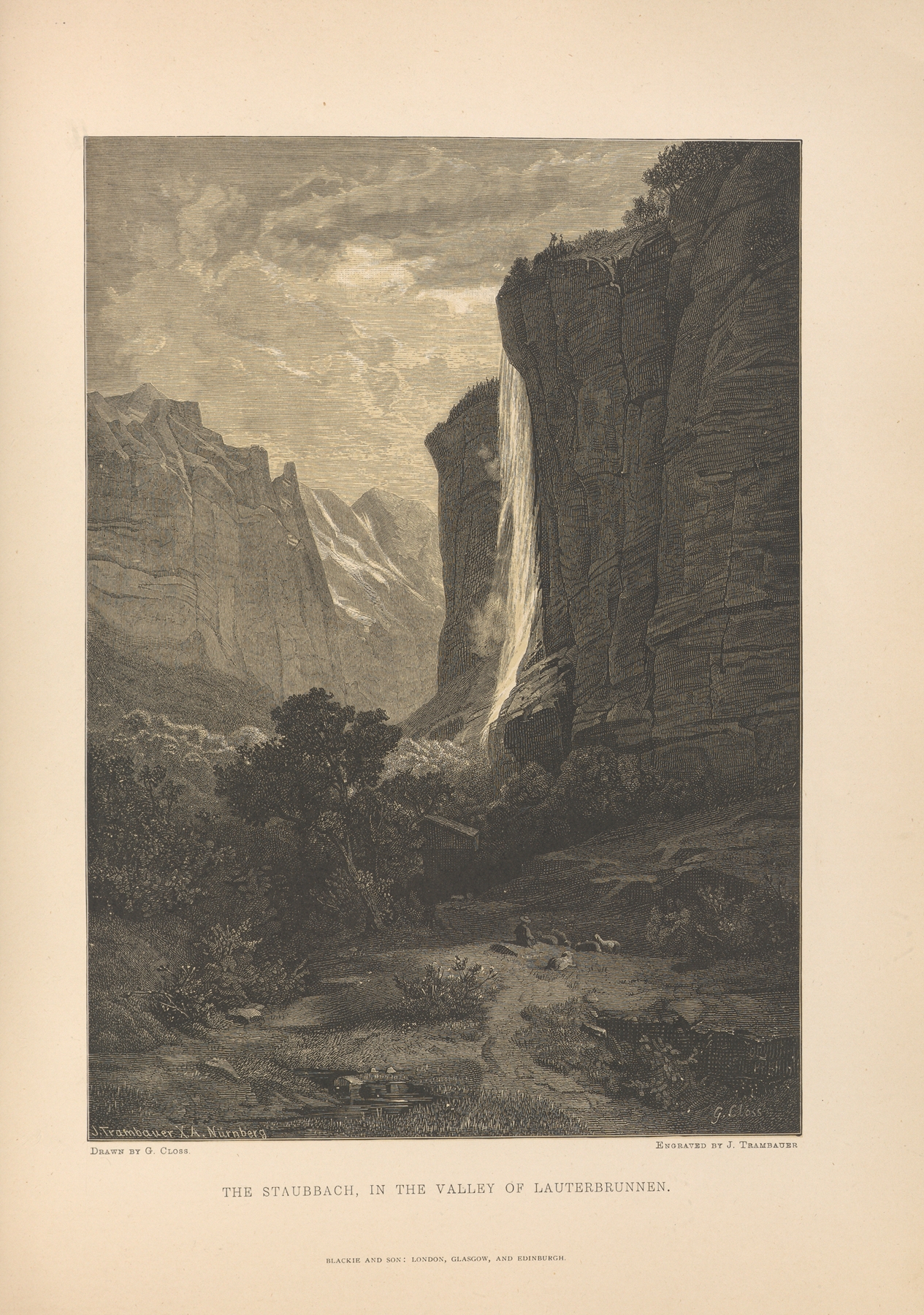
Did the painter know this moment would outlive them? As the passage of time drifts like the clouds over the serene Bay of Uri, the fleeting beauty captured in this work lingers, inviting contemplation of eternity. Look closely at the foreground, where the chapel stands proudly, its delicate architecture echoing the contours of the surrounding mountains. The intricate interplay of light and shadow gives the stone walls a life of their own, as if they breathe with the history of the land.
Notice how the warm tones of the sunset bathe the scene, infusing it with a golden glow that highlights the subtle variations in texture and color, creating a tapestry of warmth amidst the cool blues of the water. Hidden within this tranquil view are emotional tensions rooted in nature and humanity. The juxtaposition of the man-made chapel against the immense, majestic mountains speaks to our desire for permanence in a world defined by transience. Below the surface lies a sense of reverence and reflection; the calm waters mirror the sky, suggesting a connection between the heavens and the earthly realm, an eternal dialogue.
Each brushstroke whispers tales of the past, reminding us that every moment is a thread woven into the fabric of history. In 1881, Theodor Gsell Fels was immersed in the picturesque landscapes of Switzerland, capturing its grandeur as flora and fauna flourished amid the Alpine beauty. The artist was part of the Romantic movement, which championed the emotional and sublime aspects of nature. This work reflects the era’s growing appreciation for the interplay of time and landscape, a search for meaning in a rapidly changing world.