G. Roux – Packhorses Traversing a Mountain Pass — History & Analysis
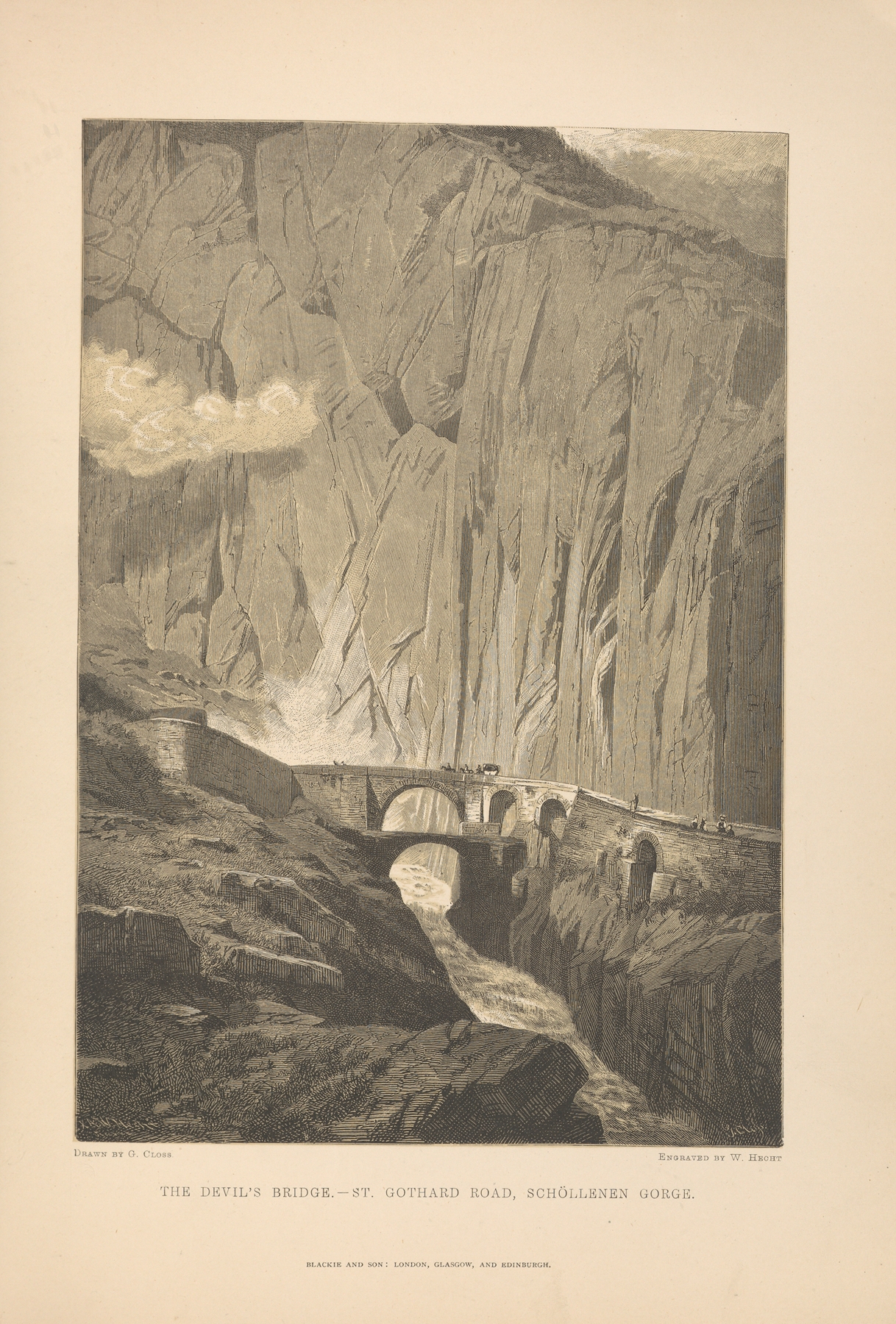
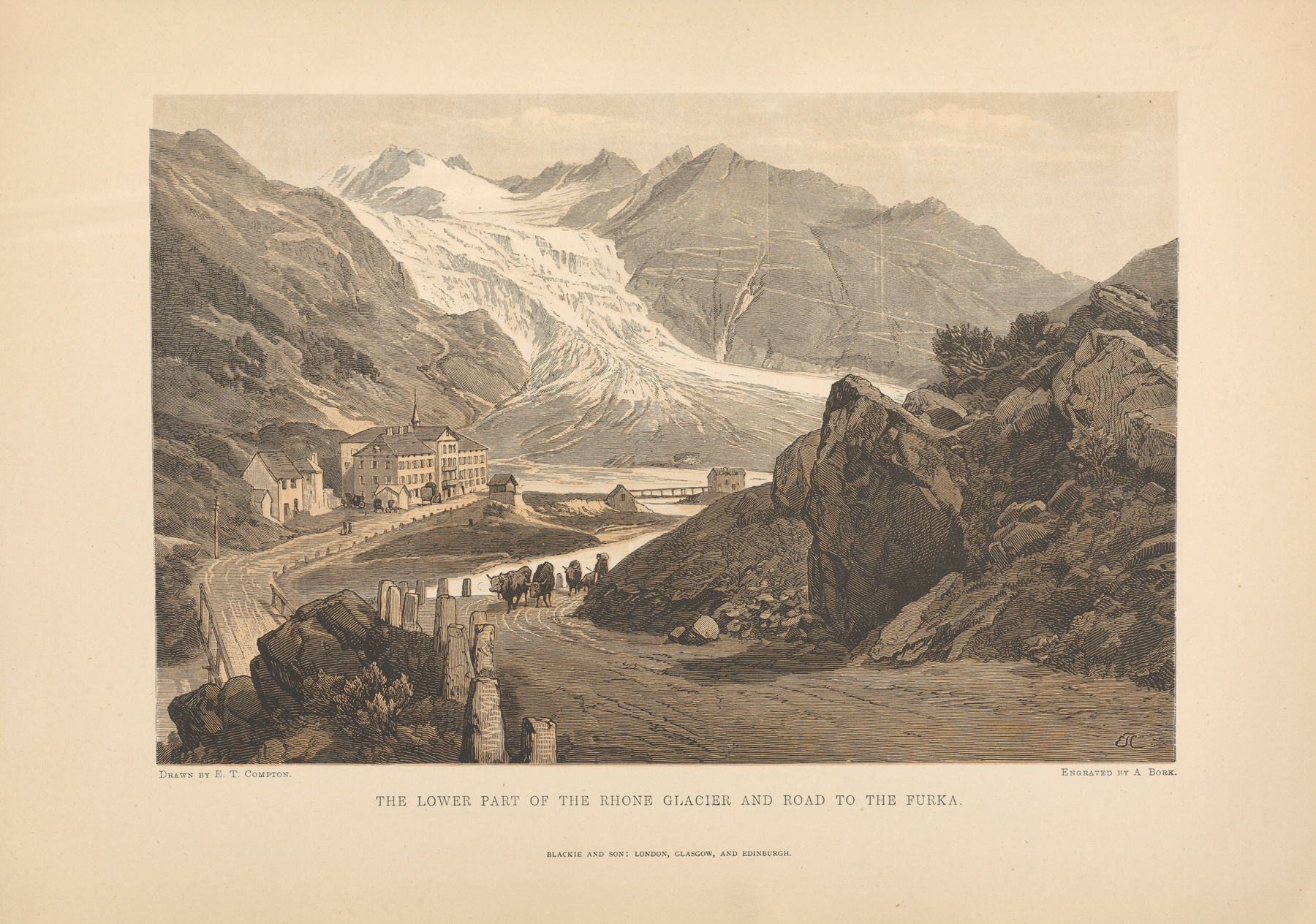
Can beauty exist without sorrow? In Packhorses Traversing a Mountain Pass, the duality of nature's splendor and the toil of life unfolds before us, inviting contemplation on the bittersweet nature of existence. Focus your gaze on the rugged mountain peaks that dominate the background, their majestic heights contrasting sharply with the laborious journey of the packhorses below. The earthy palette of browns and greens evokes a sense of ruggedness, while the pale sky above hints at the inevitability of change. The horses, burdened yet resolute, draw the eye as they navigate the treacherous terrain, their muscles taut and glistening under the subtle play of light.
Notice how the artist captures the struggle in every line, emphasizing the intimate connection between man, beast, and the unforgiving landscape. Within this composition lies a poignant narrative: the relentless march of progress against the backdrop of nature's grandeur. The weary packhorses symbolize resilience, embodying the emotional weight of nostalgia for a simpler past. Each hoofprint in the dirt tells a story of hardship, yet the breathtaking beauty of the mountains remains a testament to the sublime.
Here, the harmony between struggle and splendor echoes a universal truth—life is etched with both burden and grace. Theodor Gsell Fels painted this piece in 1881, during a period of significant change in Europe, where industrialization began to transform the landscape and the lives of many. Living in Switzerland, he was influenced by the dramatic scenery that surrounded him, as well as the cultural shifts prevalent in the art world. This painting reflects not only a moment in nature but also a transitional epoch, capturing feelings of nostalgia against the backdrop of progress.