Genoa from the Croce di Malta — History & Analysis
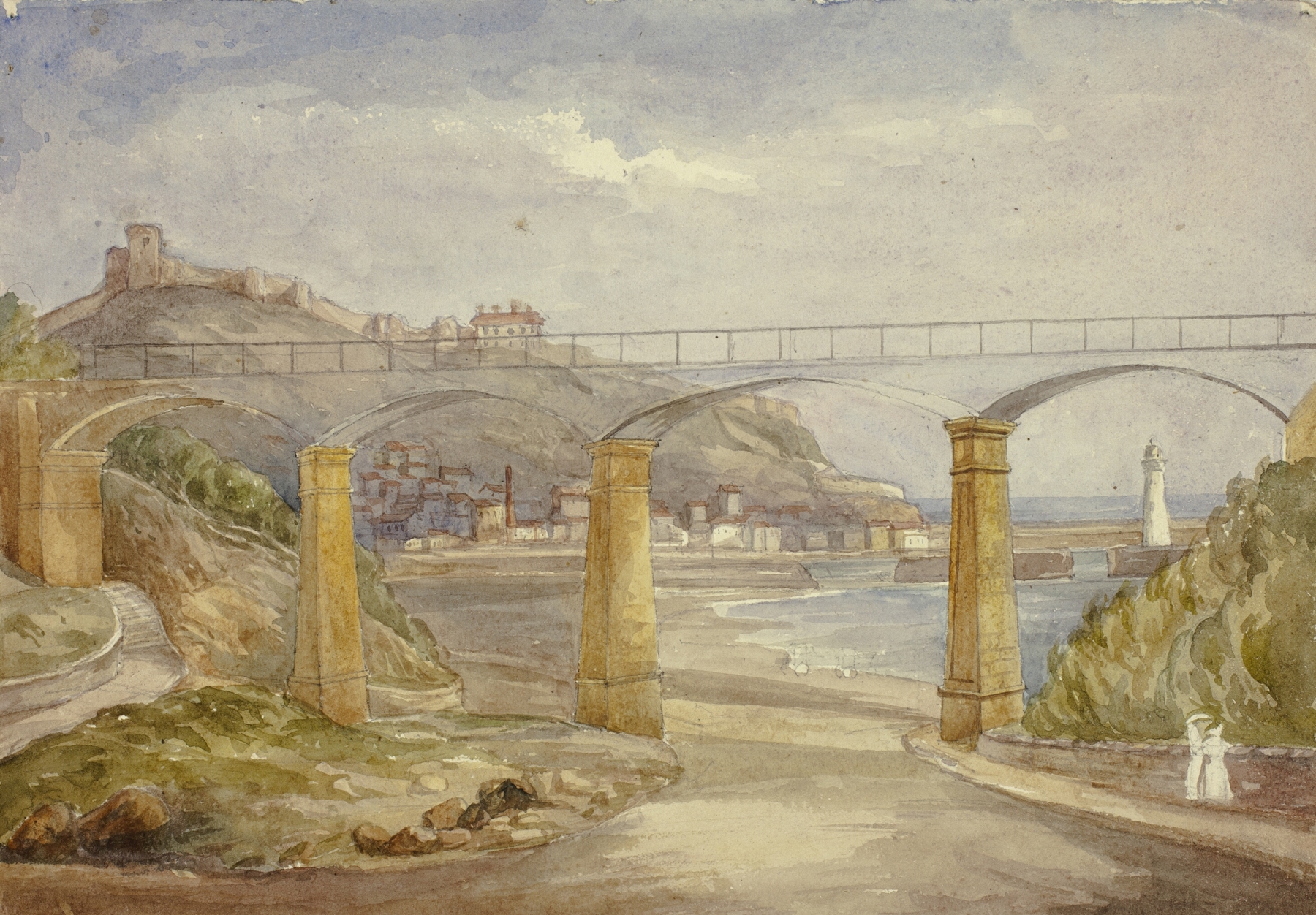
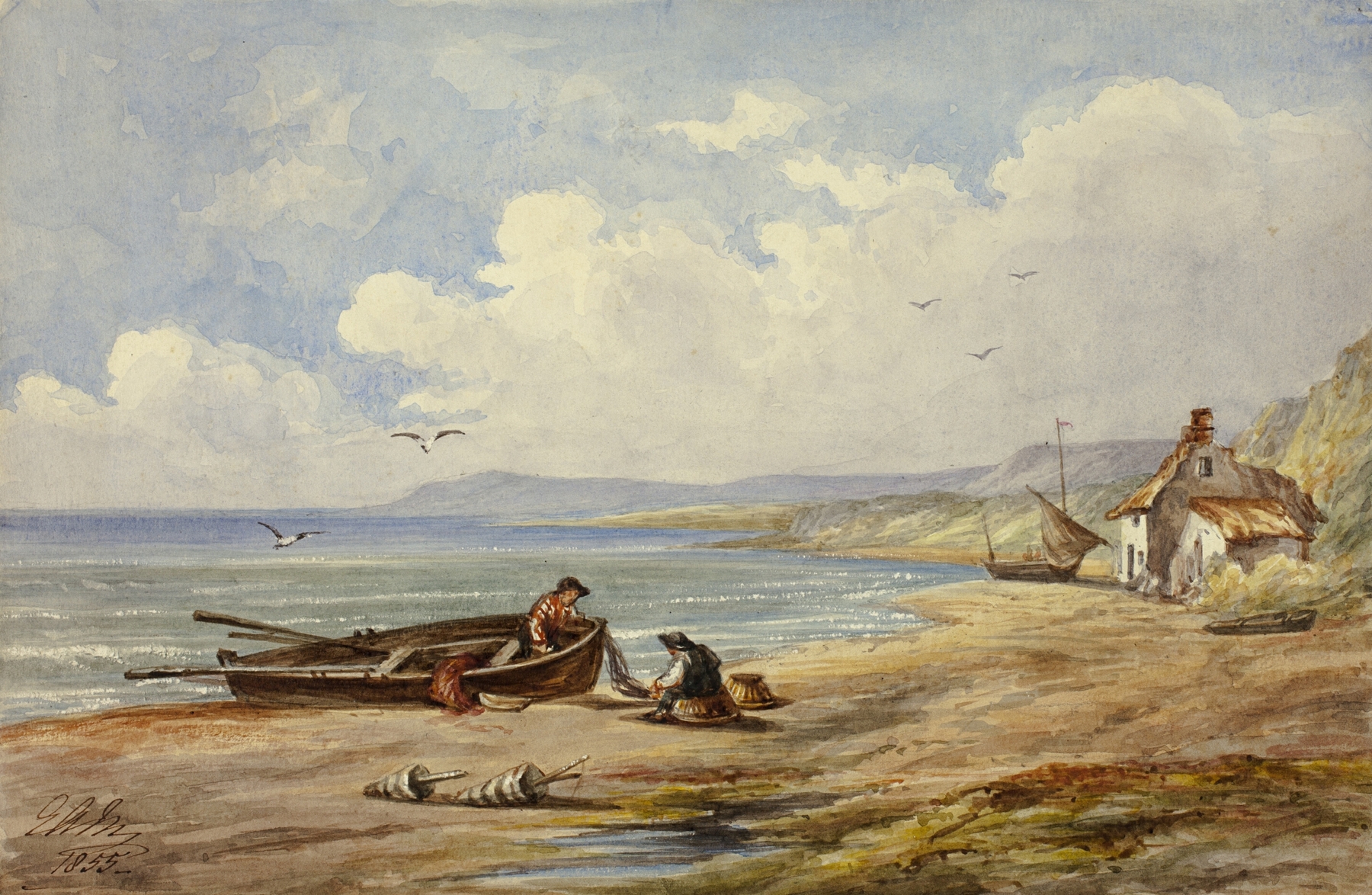
What secret hides in the quiet of the canvas? The juxtaposition of calmness and chaos beckons the viewer to dive deeper into the world beyond the surface. Look to the left at the gentle curve of the coastline, where the serene blue waters cradle the boats bobbing rhythmically like whispers of distant dreams. Notice how the light dances on the waves, reflecting the sunlight's warmth, while the soft pastel hues of the sky meld seamlessly with the landscape.
The painter's brushstrokes create a texture that suggests movement, drawing the eye toward the bustling city of Genoa that appears both inviting and enigmatic in the distance. Beneath the tranquil surface lies a tension between nature and civilization, chaos and order. The vibrant colors of the buildings juxtaposed against the deep blue of the sea evoke a sense of vibrancy that contrasts with the stillness of the foreground. The viewer can sense an undercurrent of life and activity in that city, hinting at the stories and struggles within, as if the canvas itself struggles to contain the chaos of existence.
This tension invites contemplation about the relationship between humanity and the natural world, encouraging us to consider what lies beneath the facade of beauty. In 1841, the artist created this work during a period of personal exploration and growth. Living in an era marked by Romanticism, she was captivated by the interplay of light and landscape, influenced by her contemporaries' focus on emotion and nature. As she painted the serene yet chaotic scene, societal changes and shifting artistic movements were unfolding, pushing her to express her vision of the world through her unique lens.