Giant Mountains (Riesengebirge) — History & Analysis
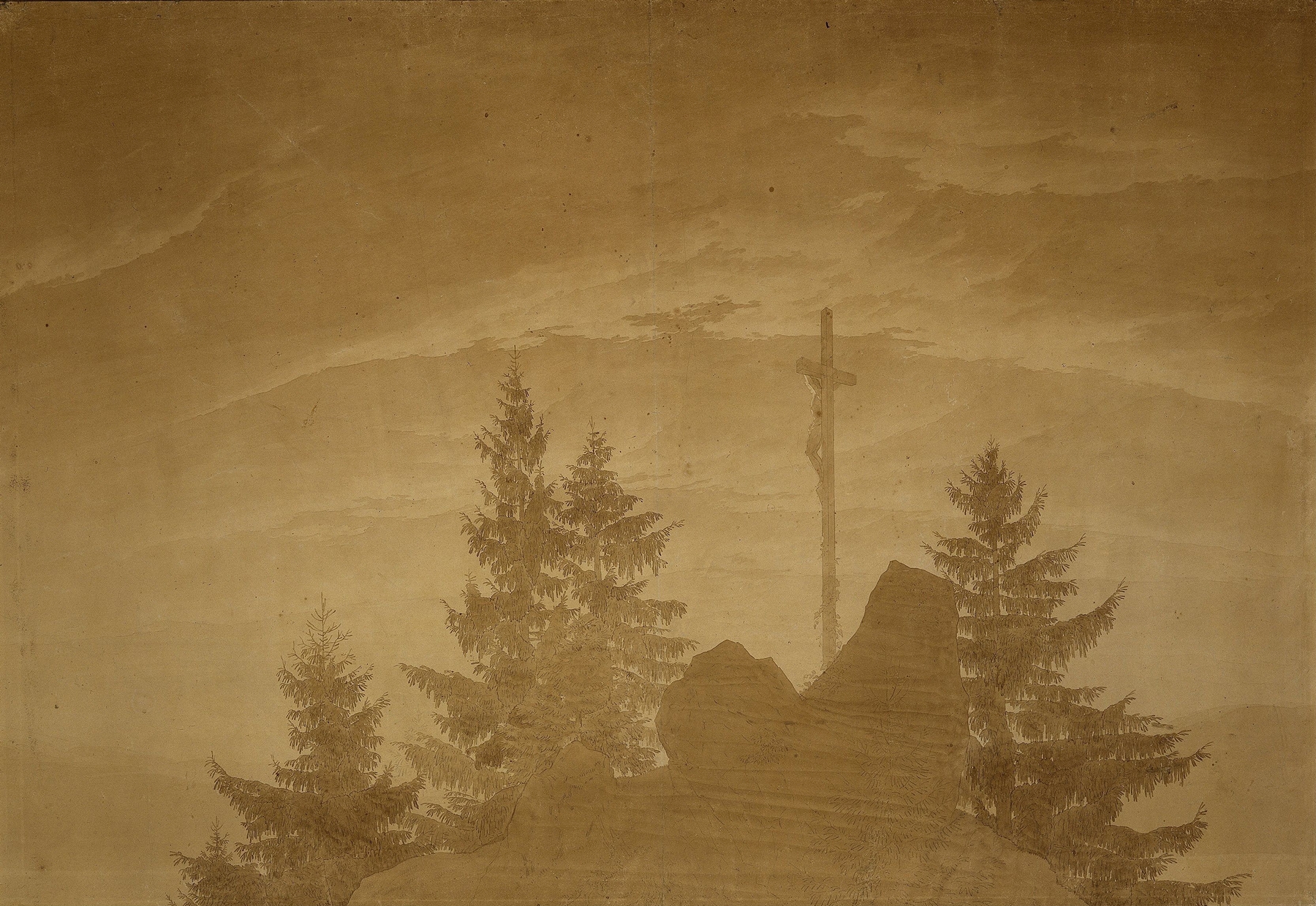
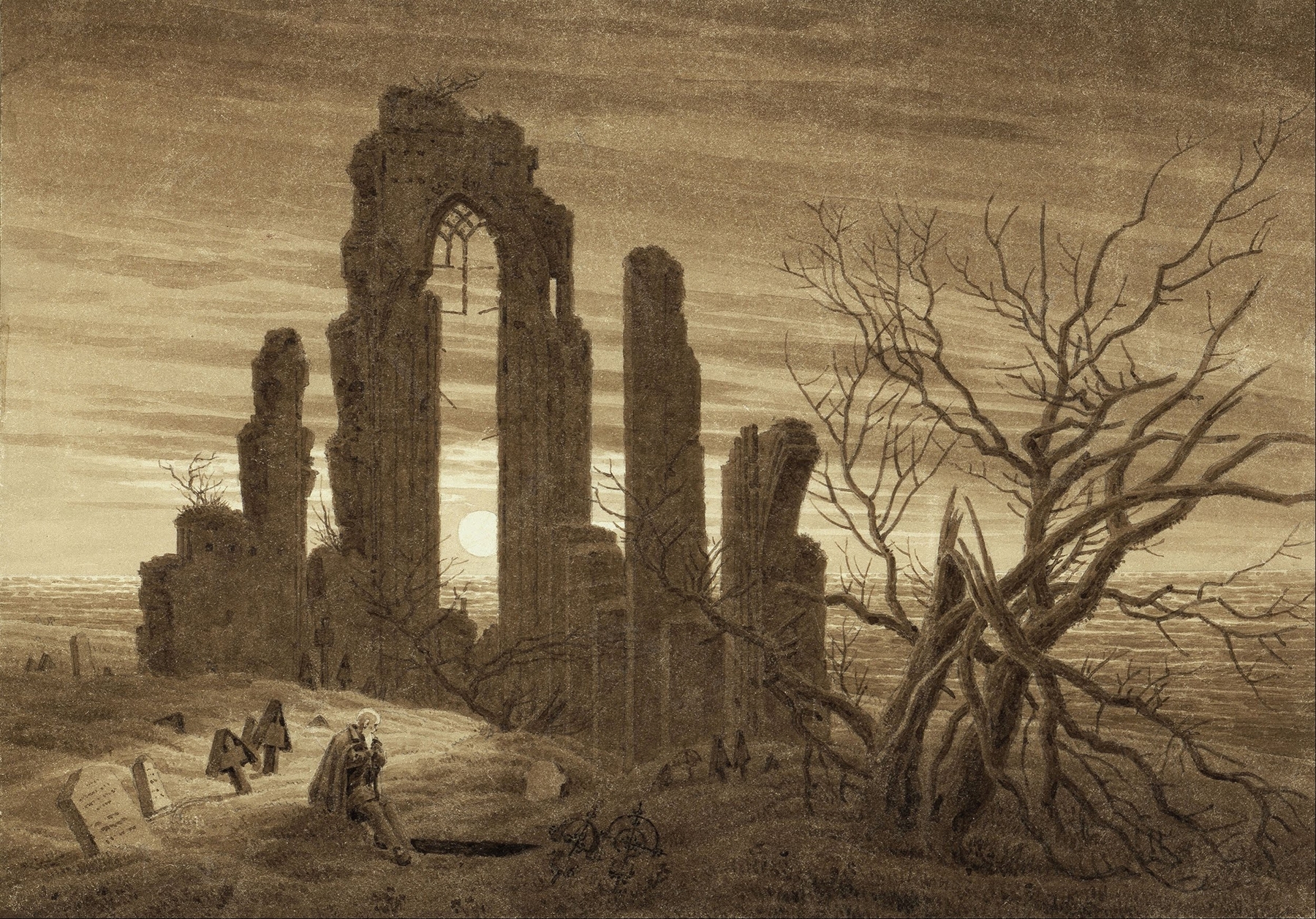
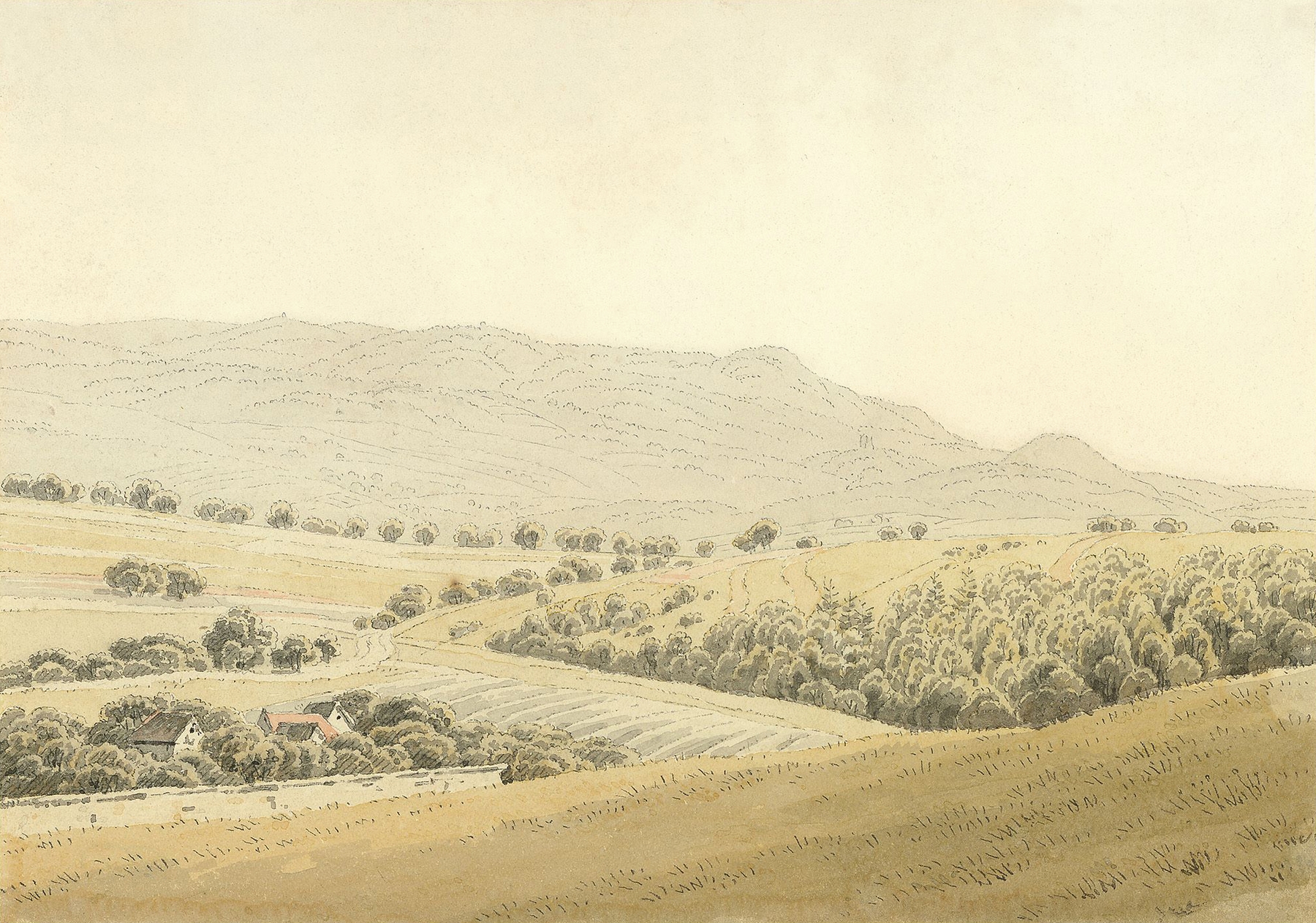
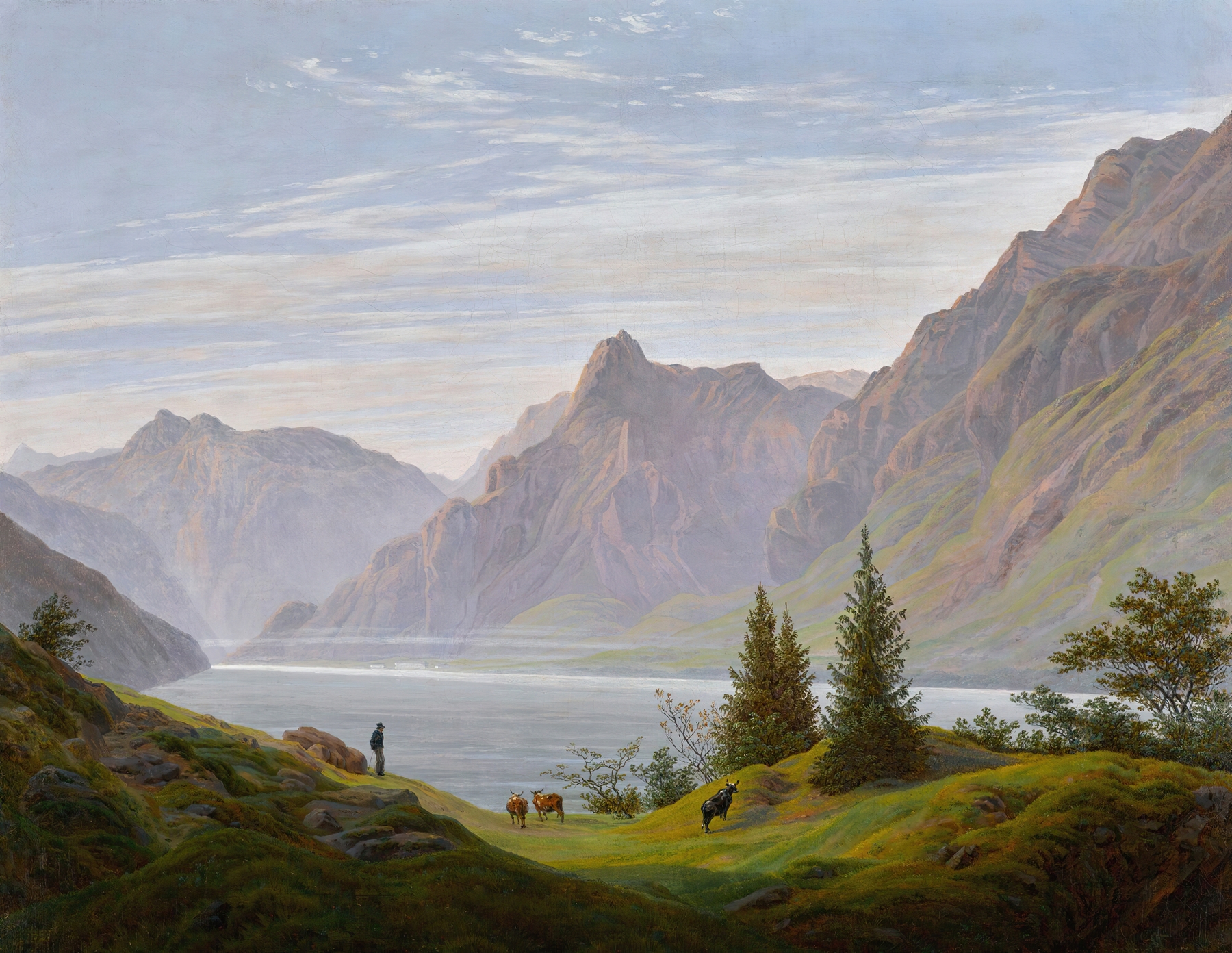
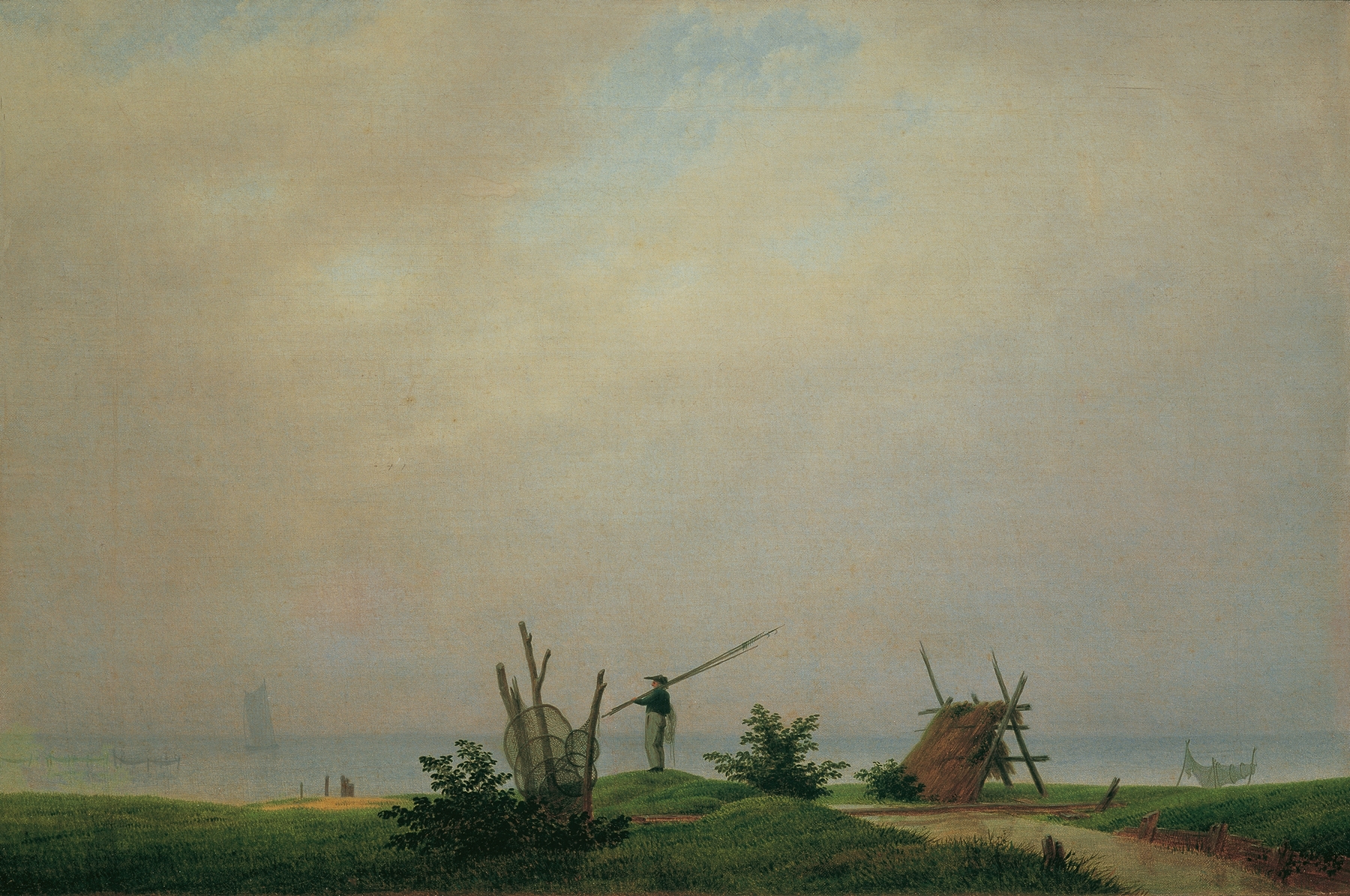
What if silence could speak through light? The stillness of a vast landscape can evoke a haunting emptiness that resonates deep within us. In the presence of such monumental forms, we are often left to confront our own insignificance against the grandeur of nature. Look to the center of the canvas, where towering mountains rise with an imposing majesty, their jagged peaks entangled with soft, billowing clouds. The cool palette of blues and grays envelops the scene, creating a sense of serenity, while the sparse touches of light illuminate certain ridges, drawing the eye upward toward the zenith.
The contrast between the heavy earth and the ethereal sky captures a moment of stillness, urging the viewer to linger in contemplation amid the vastness. In this work, one can find echoes of solitude and the sublime tension between humanity and nature. The absence of figures in the landscape amplifies a sense of isolation, inviting introspection. The interplay of light and shadow suggests emotional undercurrents, hinting at both the beauty and the heaviness of existence.
This duality reflects the artist's own grappling with the existential questions of his time, where the sublime beauty of nature often served as a backdrop for human introspection and melancholy. Created in 1830, this piece emerged during a period when the Romantic movement was flourishing in Europe, with artists exploring emotion and individualism in response to the Industrial Revolution. Friedrich, deeply influenced by nature and philosophy, sought to express the spiritual connection between humanity and the natural world. Living in Germany, he painted Giant Mountains (Riesengebirge) as an embodiment of both the vastness of the landscape and the inner landscape of the soul.