Granada (Alhambra) — History & Analysis
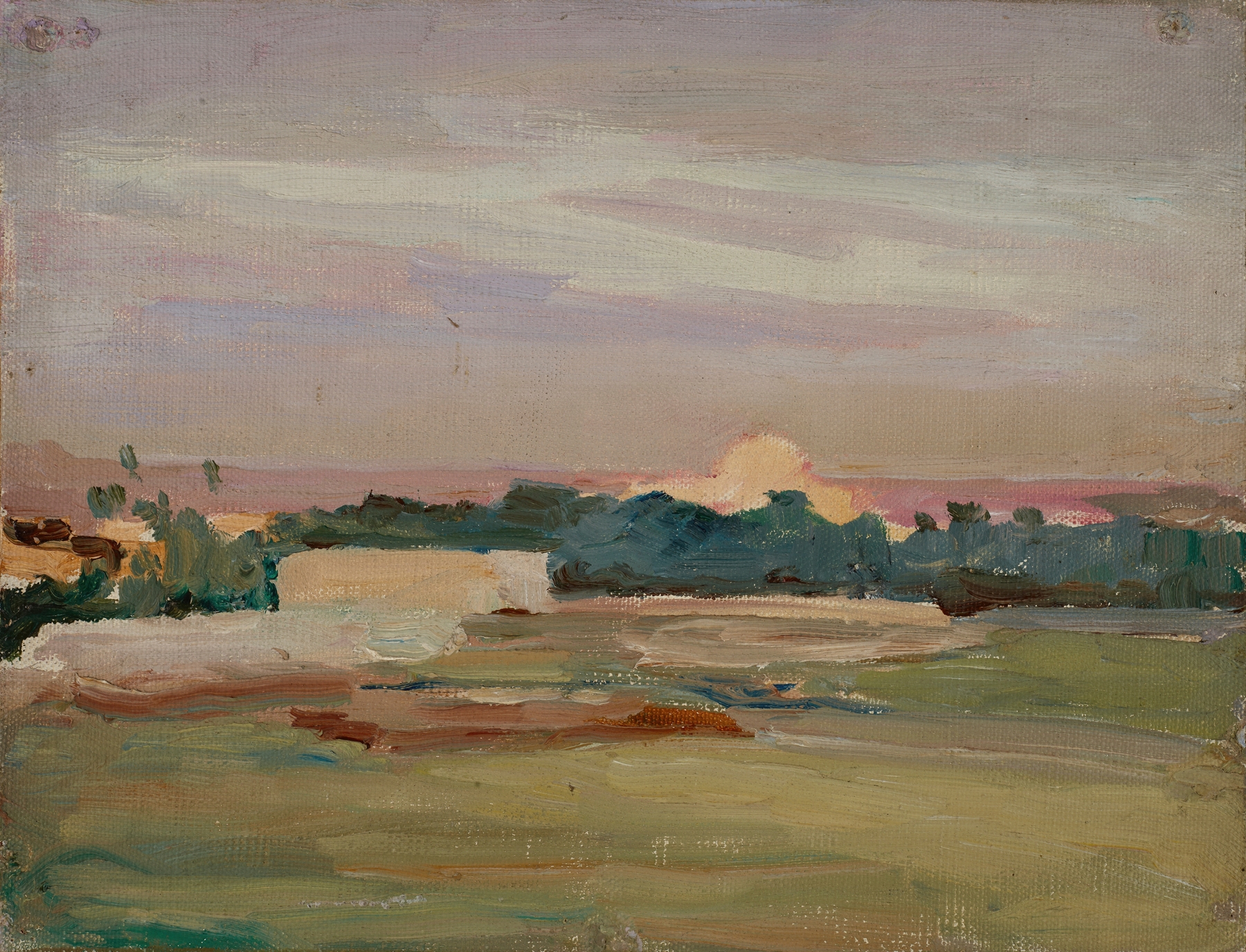
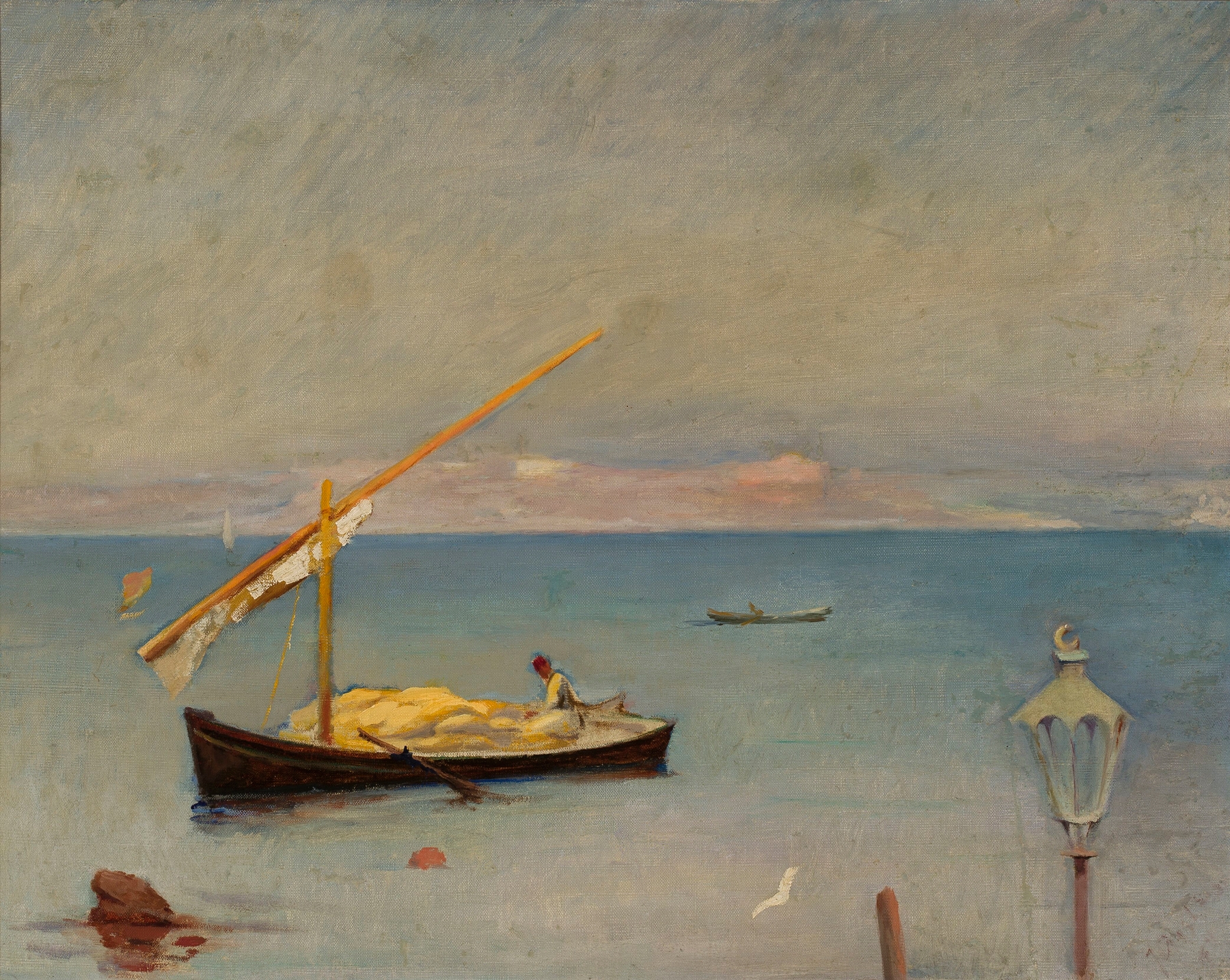
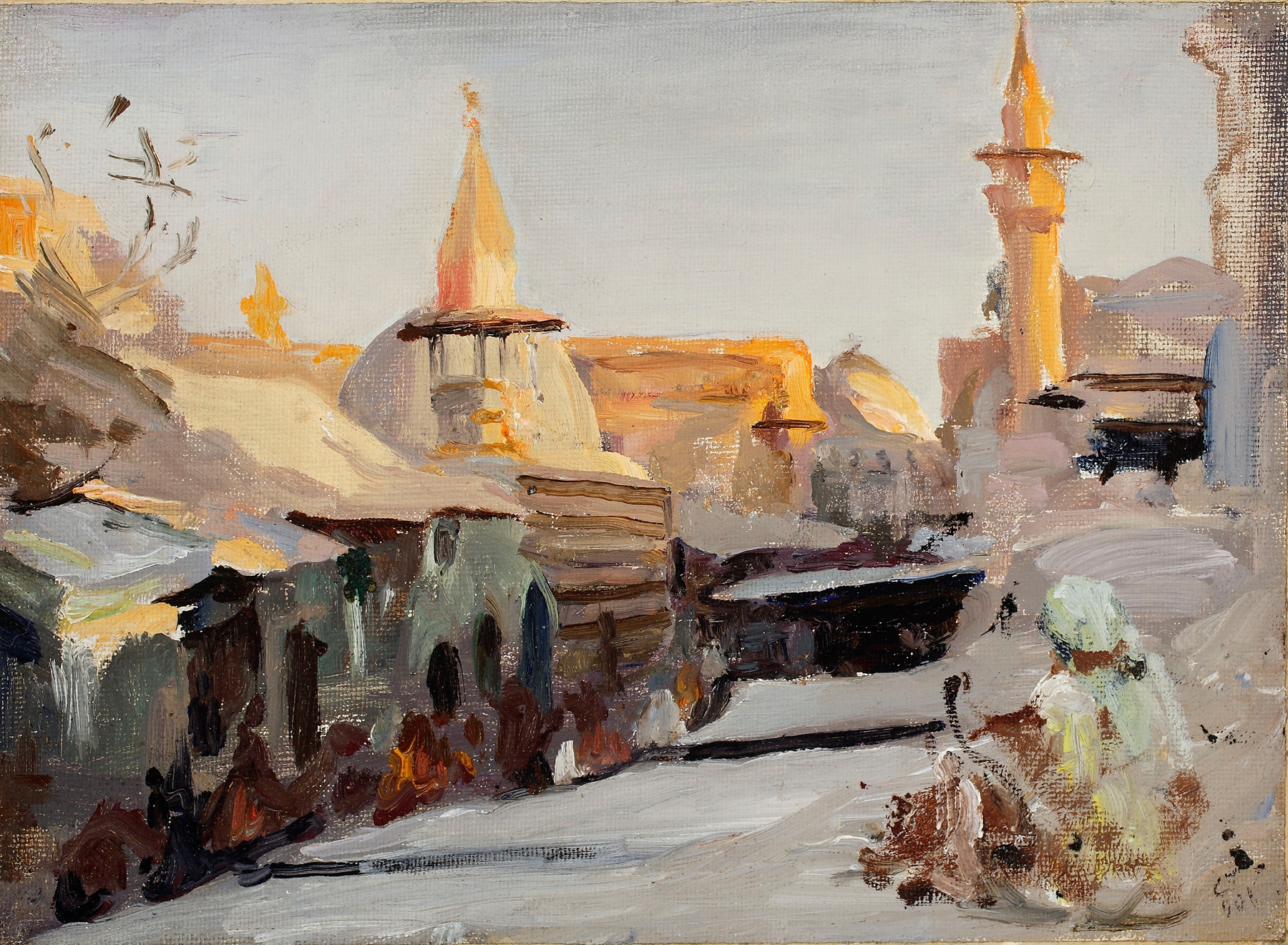
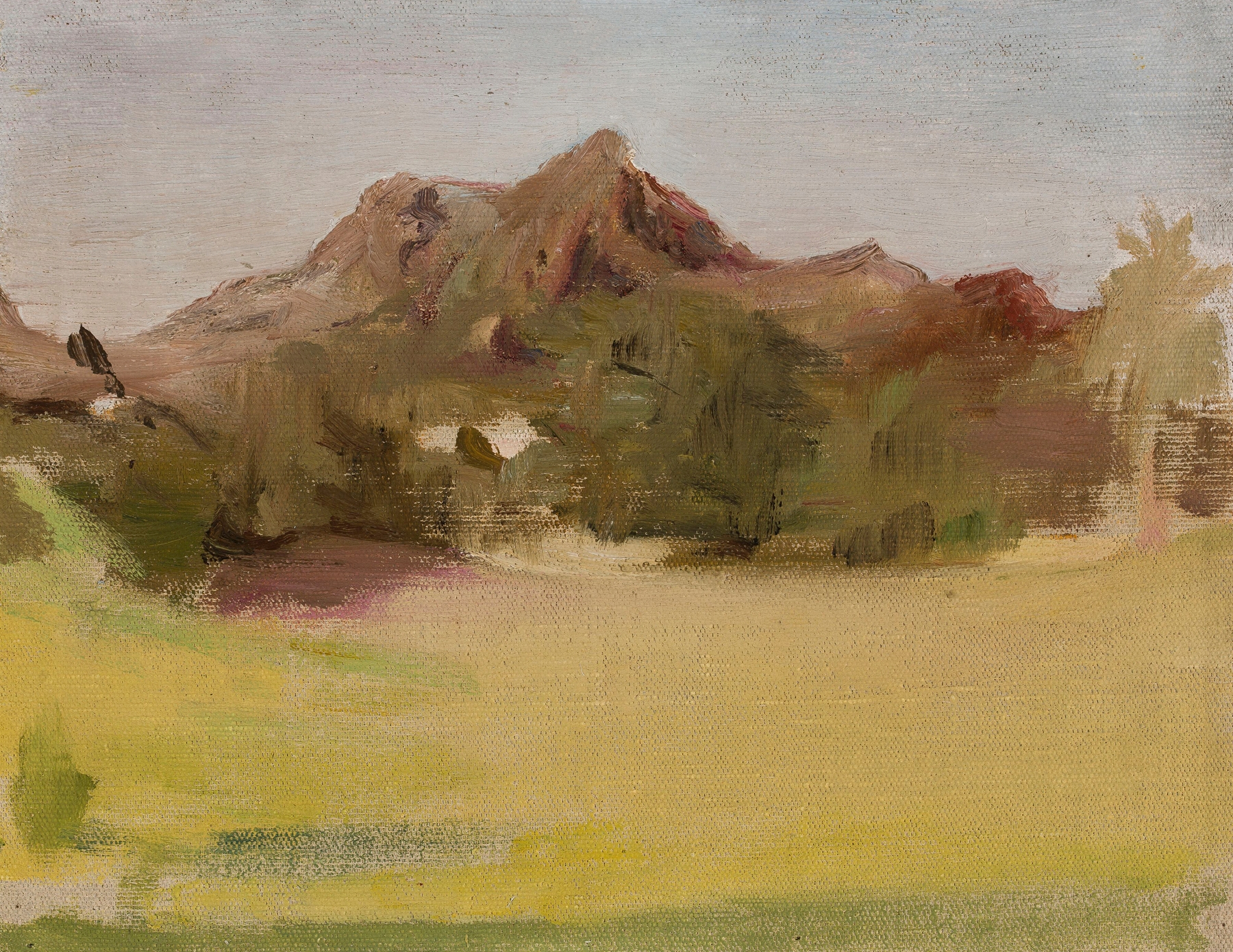
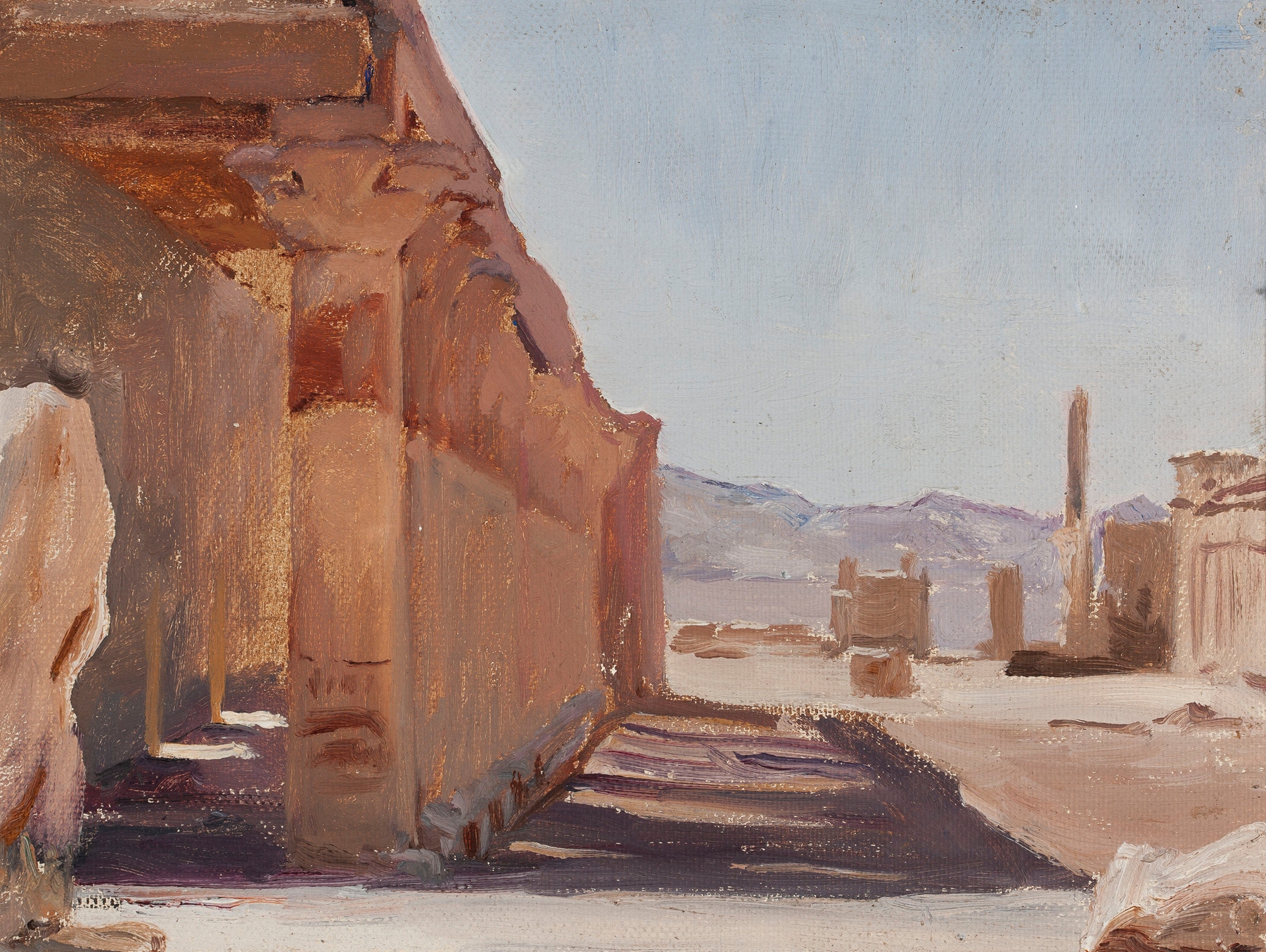
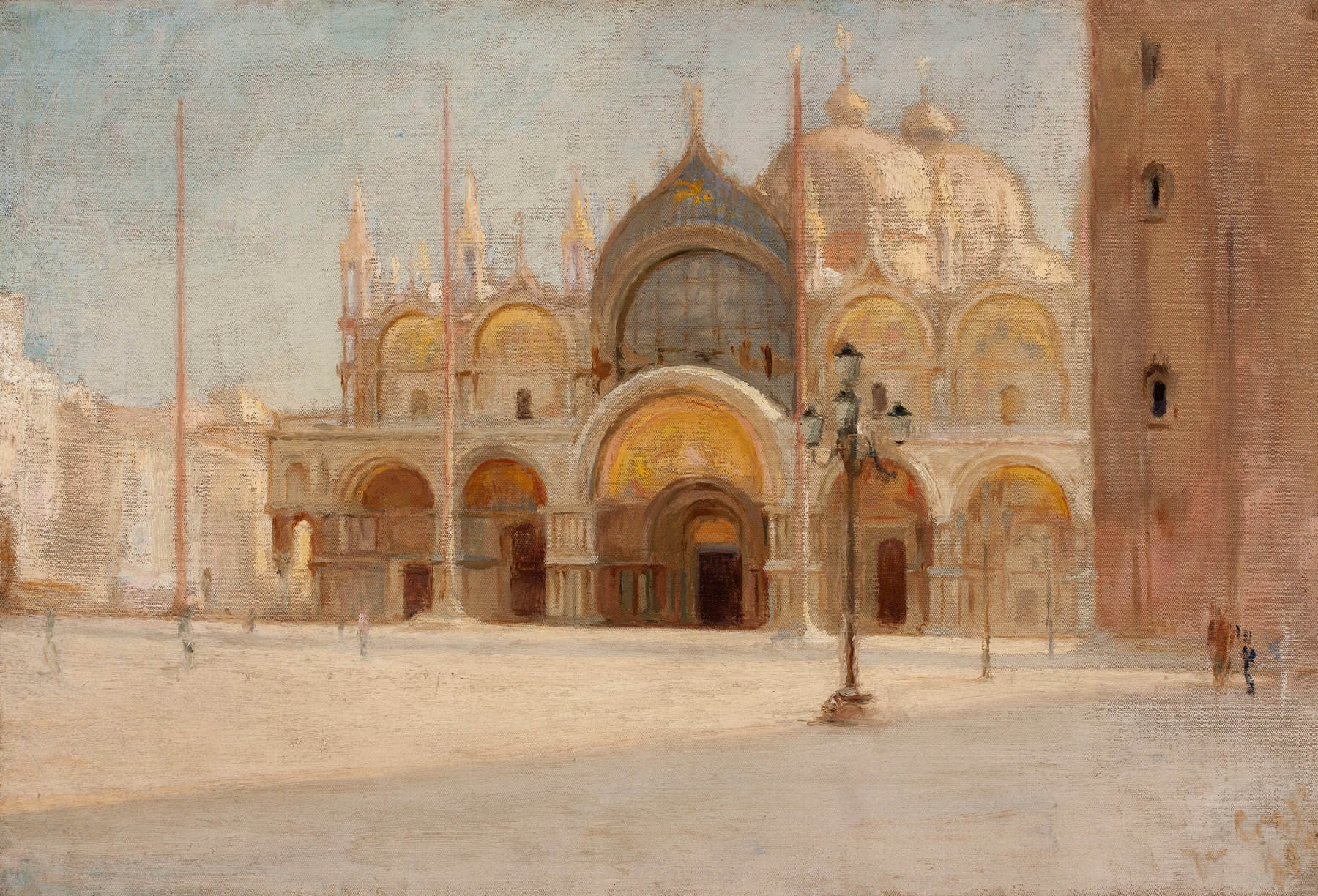
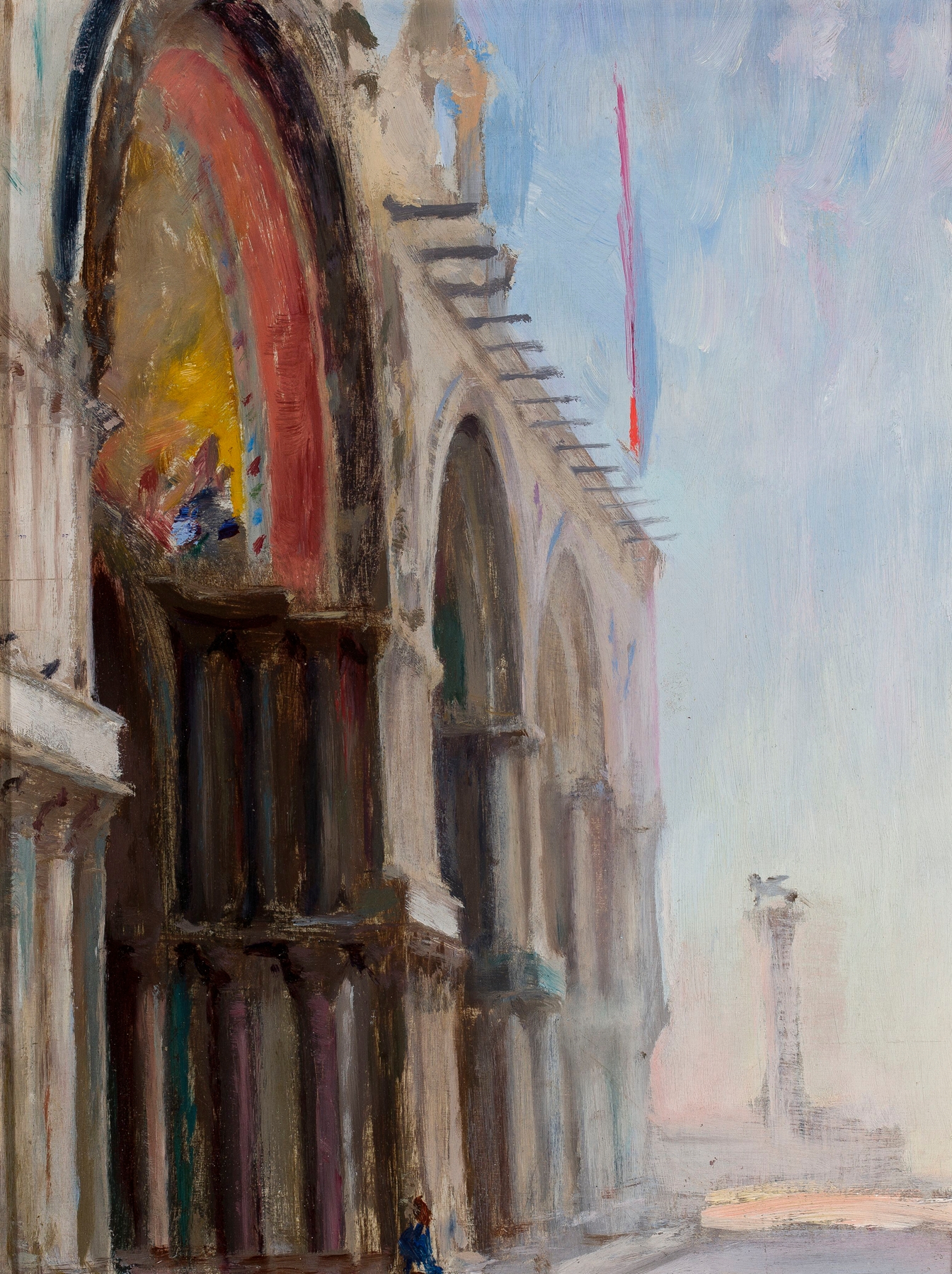
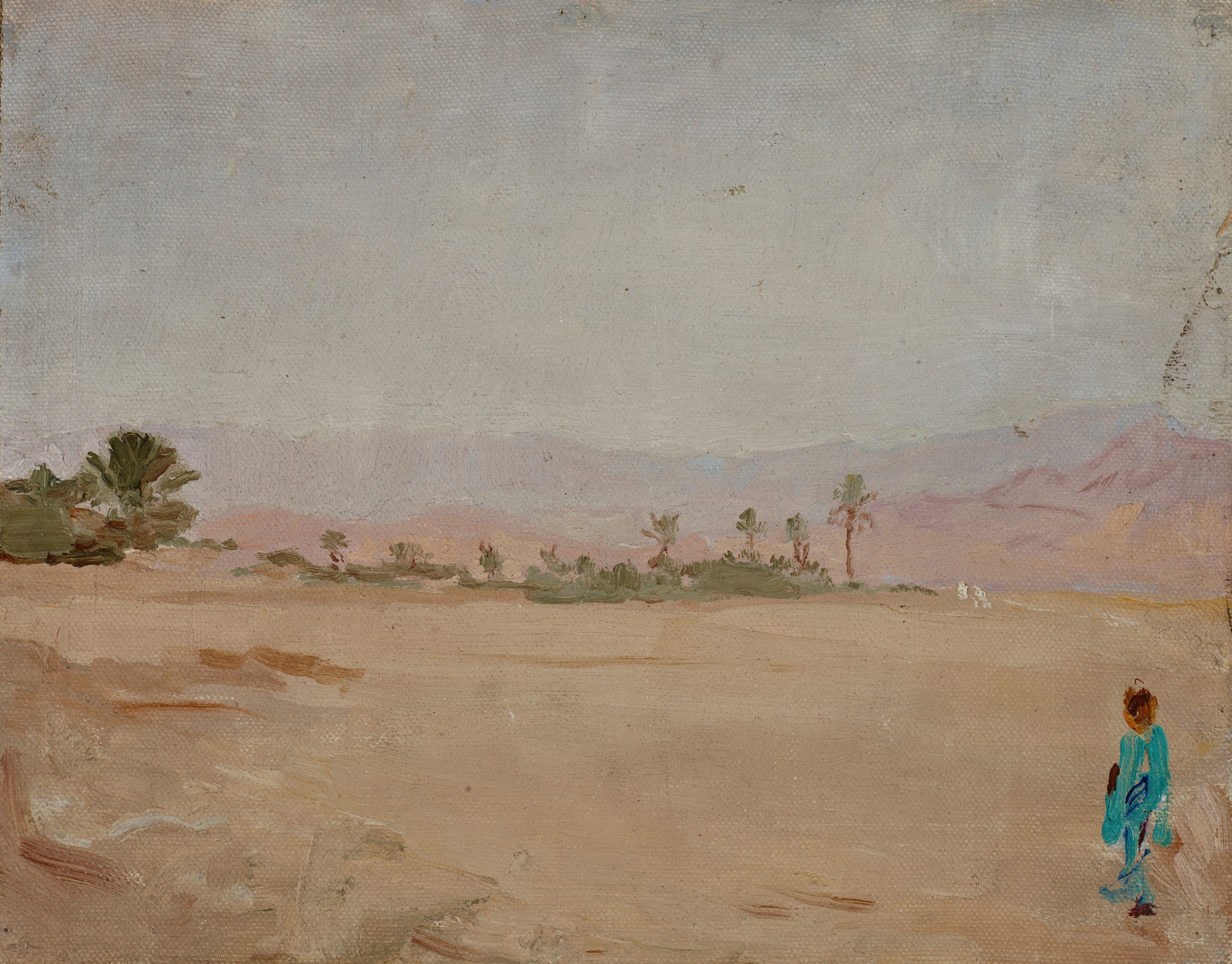
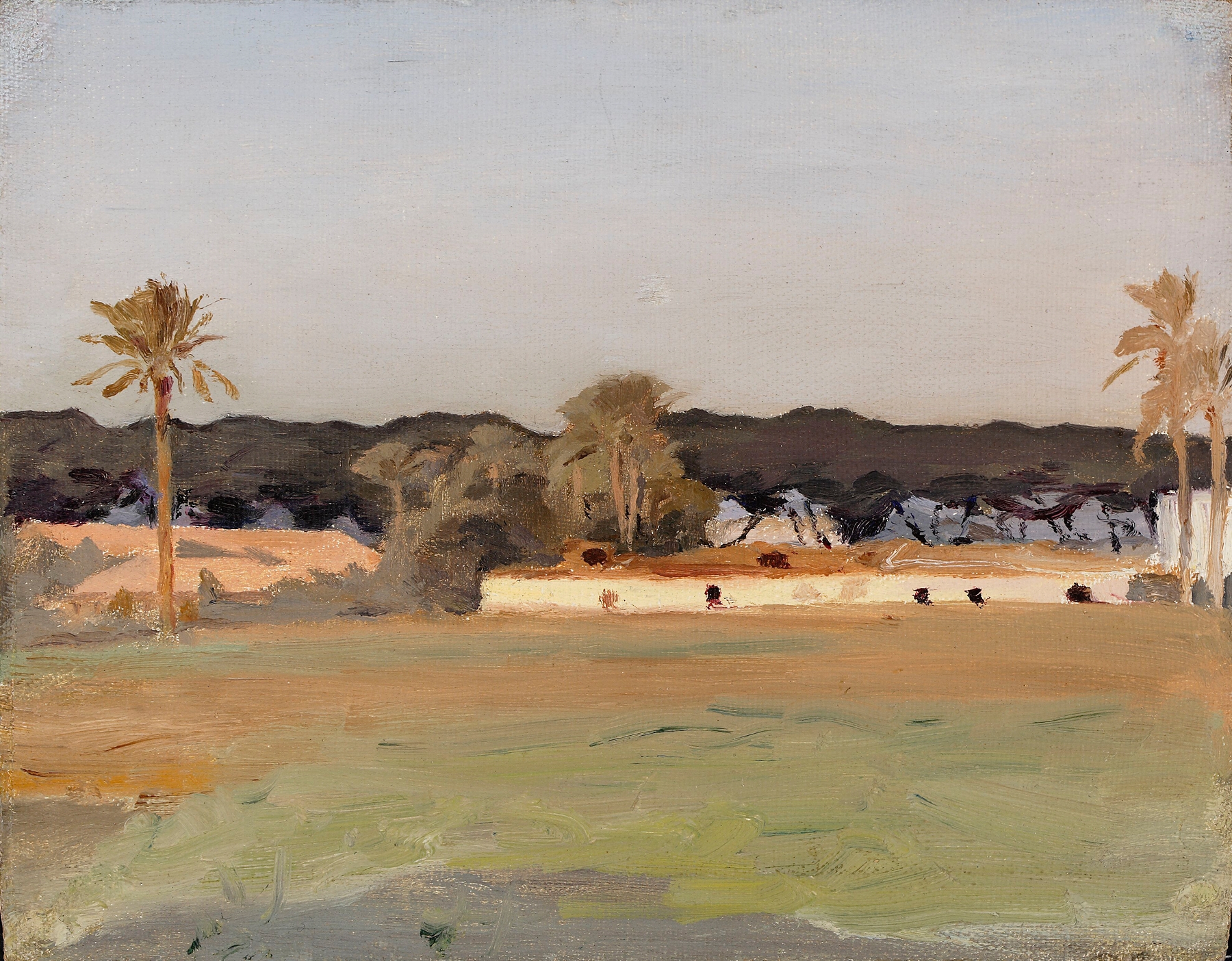
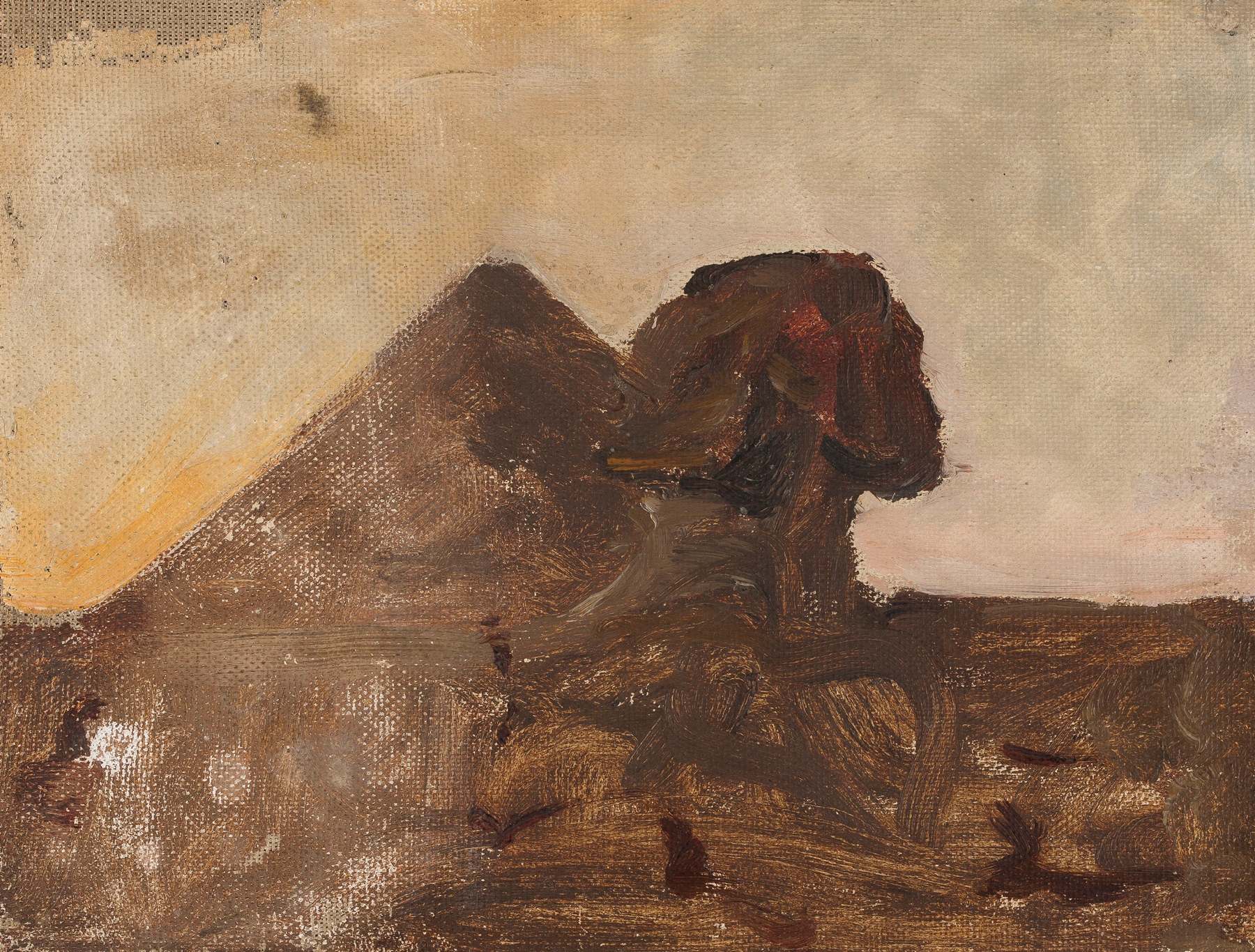
“Every silence here is a confession.” Within the intricate confines of the Alhambra, the stillness speaks volumes amid the chaos of the world outside. The whispers of history, captured in shadows, echo through the archways, inviting contemplation and introspection. Look to the center of the canvas where the delicate interplay of light and shadow dances across the ornate tiles, guiding your gaze to the serene water's reflection. Notice how the artist employs a palette of warm ochres and deep blues, contrasting the sun-drenched architectural details with the cool tranquility of the water.
Each brushstroke articulates not just the beauty of the structure but also the emotional resonance of a place filled with stories and secrets. As you delve deeper, observe the subtle tension between the bustling life of the gardens and the stillness of the Alhambra's stone walls. The juxtaposition of vibrant flowers against the stoic architecture suggests a struggle between chaos and tranquility, symbolizing the transient nature of beauty. In the background, the faint outline of distant mountains serves as a reminder of the ever-changing world beyond the sanctuary of this historic site.
In 1899, Ciągliński painted this piece while living in Paris, a time when the art scene was in constant flux, shifting from realism to impressionism. His focus on capturing the serene chaos of the Alhambra reflects a broader fascination with Morocco and Islamic architecture among European artists of the period. This work not only represents a personal exploration but also situates itself within a larger narrative of cultural exchange and artistic evolution.