At Bosporus — History & Analysis
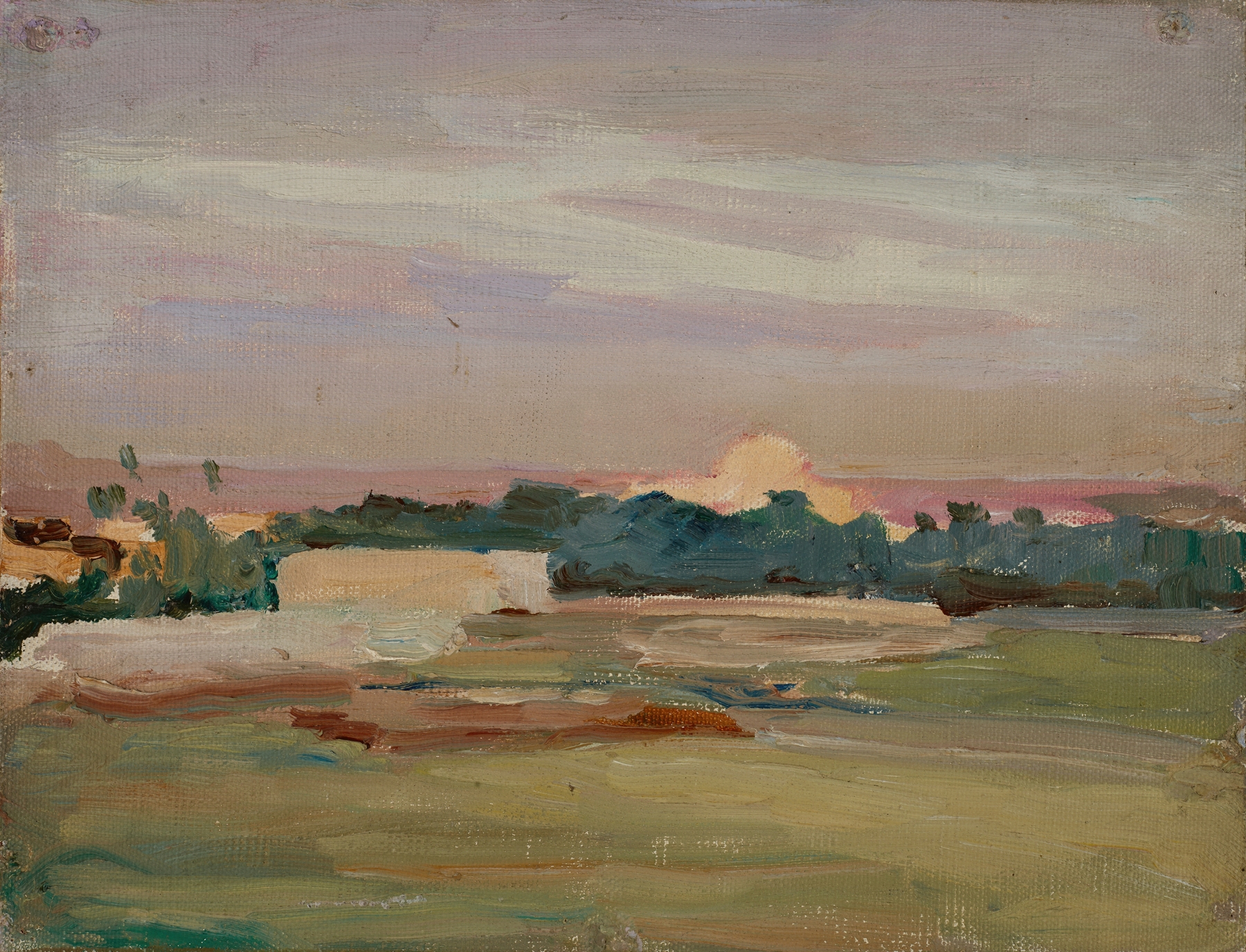
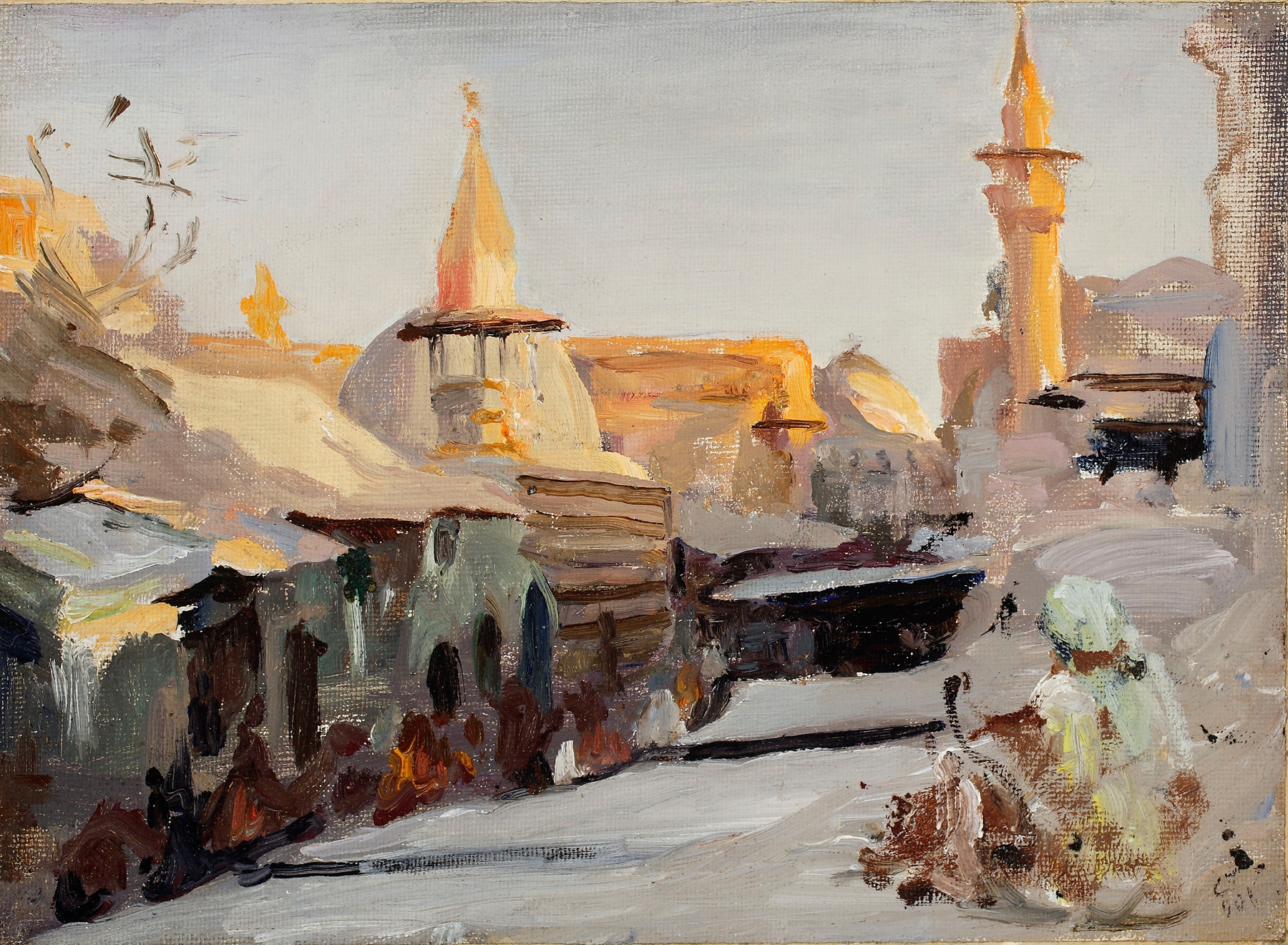
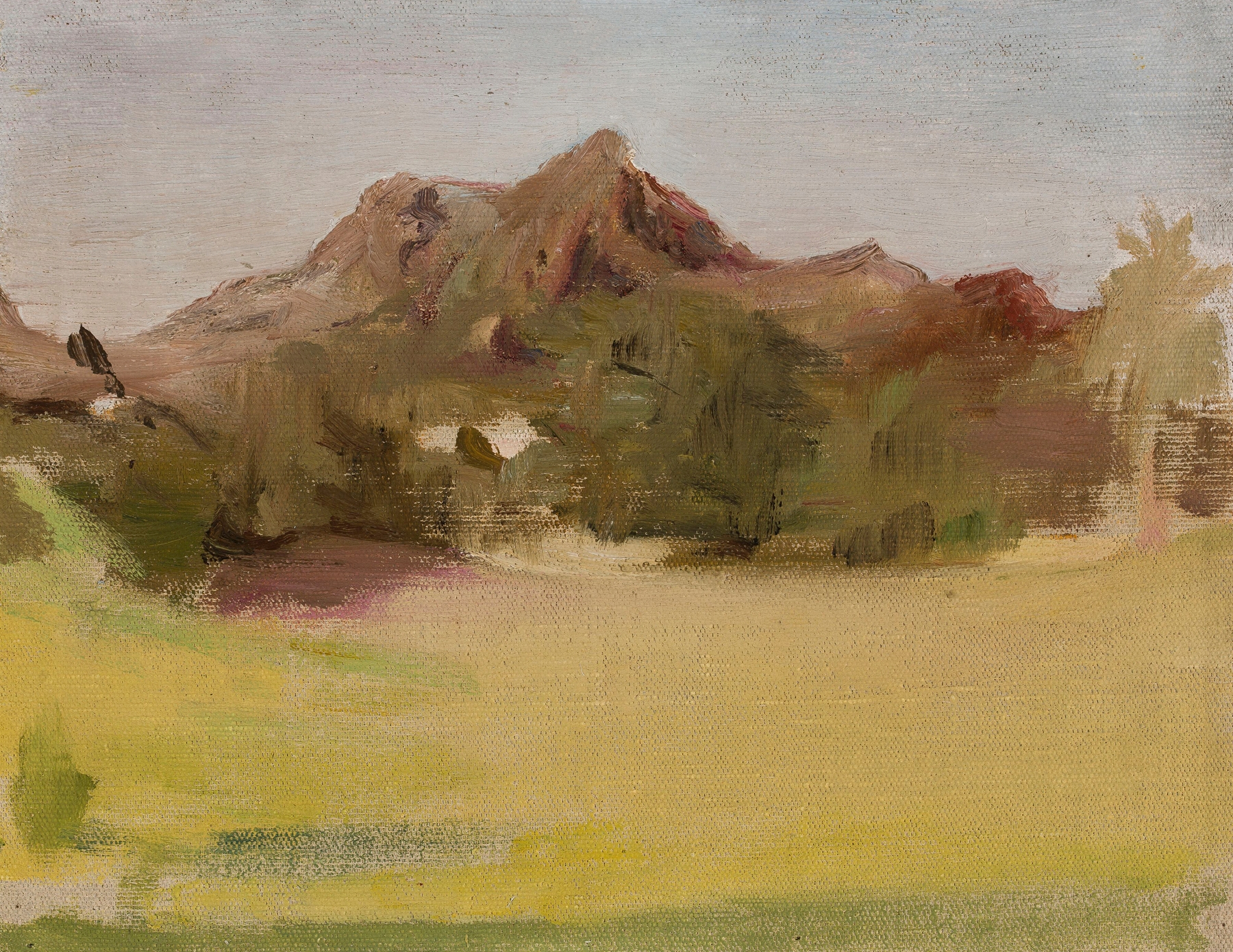
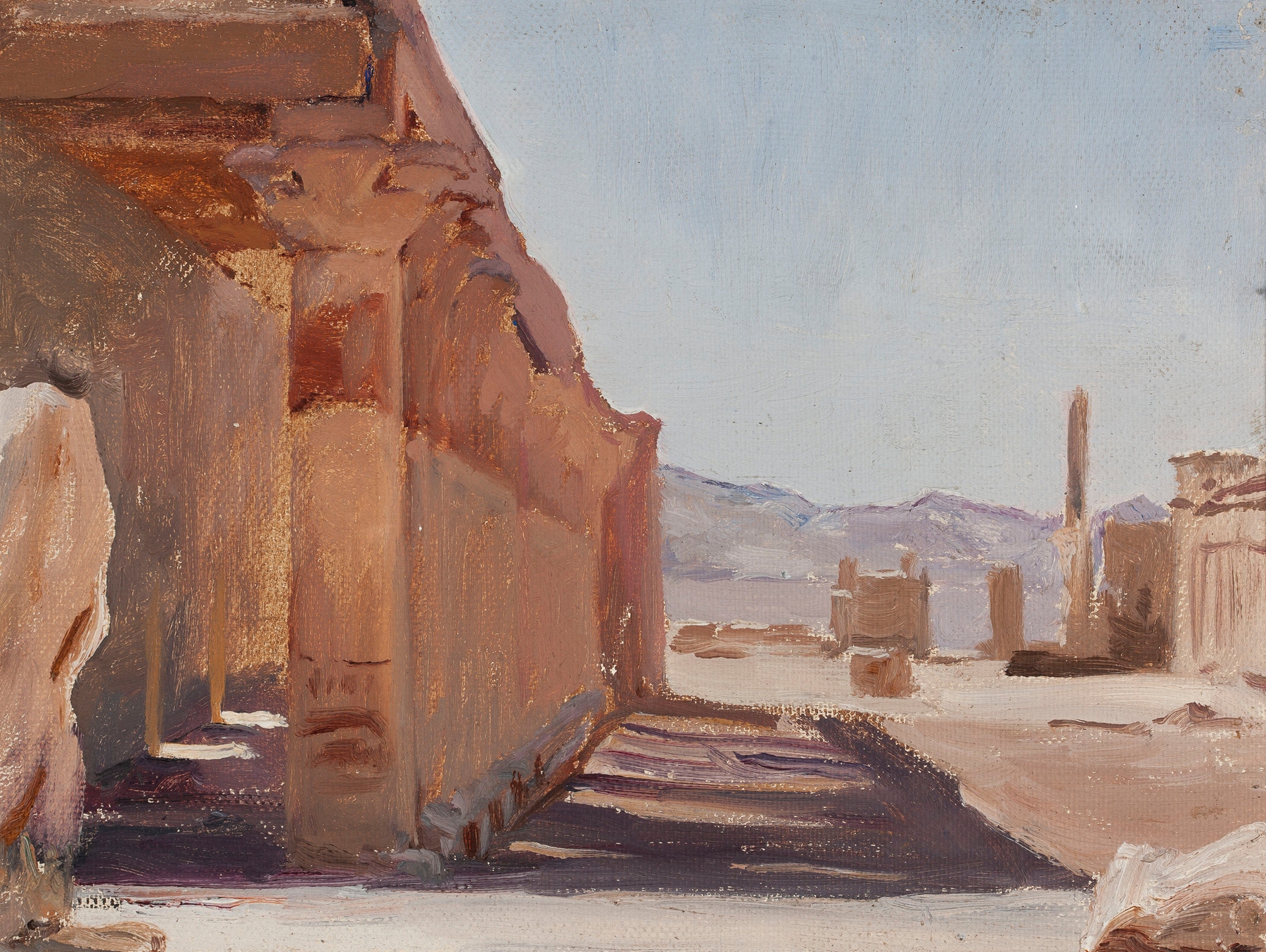
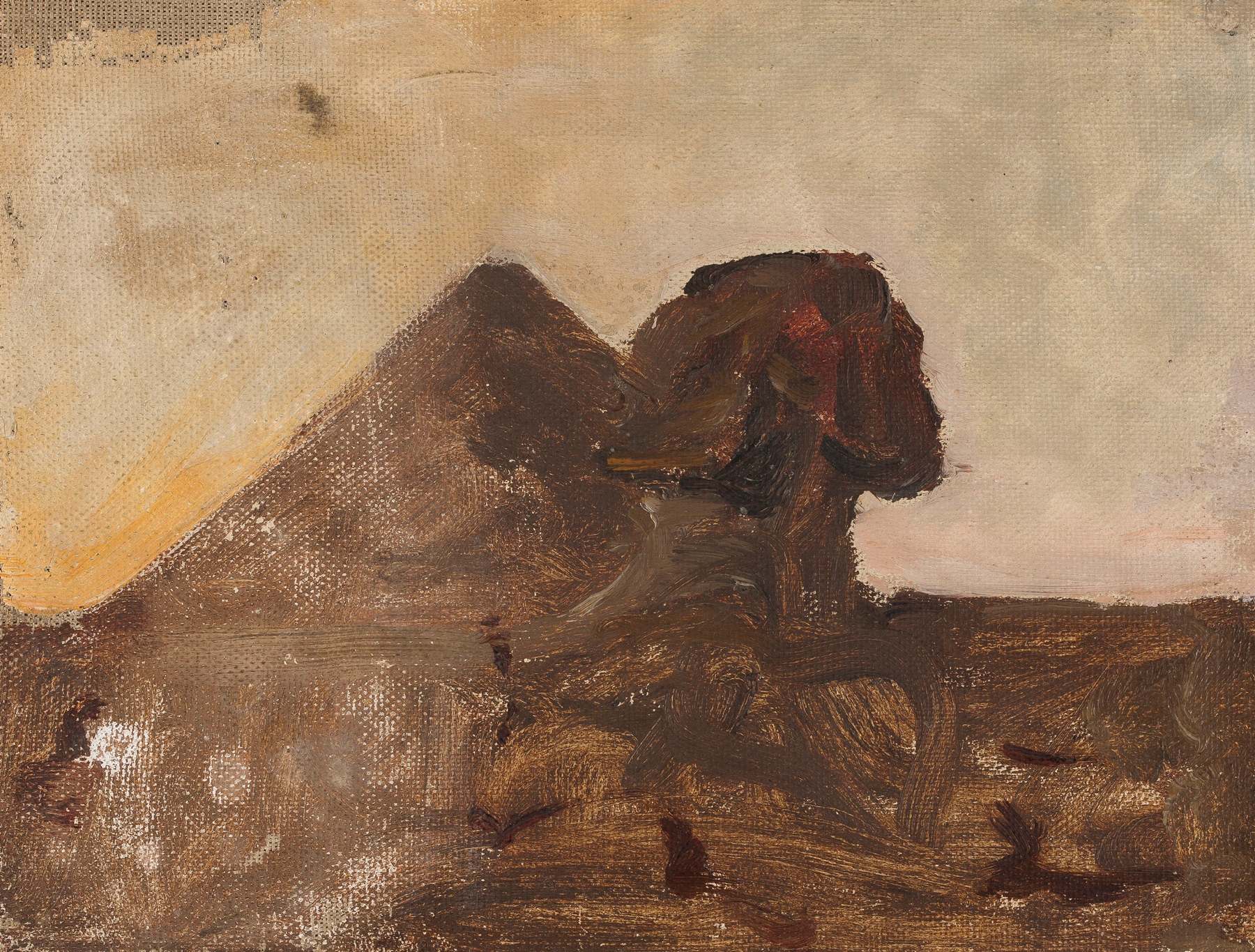
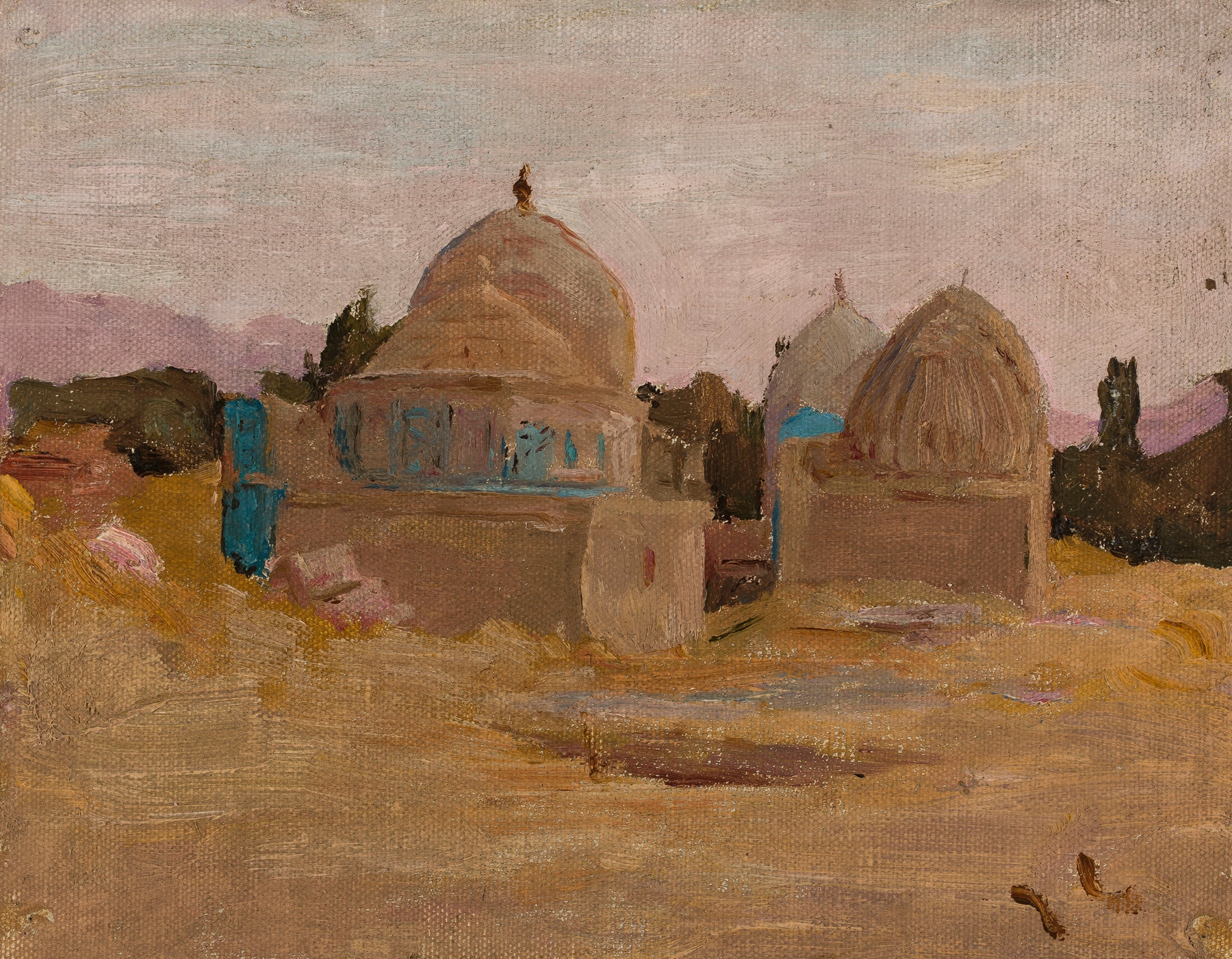
Can paint confess what words never could? In At Bosporus, the brushstrokes reveal a world where the divine intertwines seamlessly with the mundane, inviting us to ponder the sacred amidst the everyday. Look to the left at the gentle arch of the horizon, where land meets water in a soft embrace. The tranquil blues and greens of the sea reflect the golden hues of the setting sun, creating a serene atmosphere that feels both expansive and intimate.
Notice how the light dances on the water’s surface, accentuating the fluidity of the scene, while the small, vibrant figures of fishermen and boats enhance the narrative's human scale. The contrast between the peacefulness of nature and the industriousness of the figures evokes a sense of harmony yet tension; life thrives in the presence of beauty. The artist captures fleeting moments of existence, hinting at the divine essence hidden within the ordinary. Each brushstroke seems to whisper stories of devotion and labor, suggesting a spirituality that transcends mere depiction.
Ciągliński painted this piece in 1899 while living in Paris, immersed in the vibrant art scene of the time, which was heavily influenced by the advent of Impressionism. The late 19th century saw a burgeoning interest in capturing light and atmosphere, as artists sought to convey the essence of their subjects rather than mere realism. This painting reflects both his personal journey as an artist and the broader artistic movements that sought to bridge the gap between reality and divinity.