The Sirocco — History & Analysis
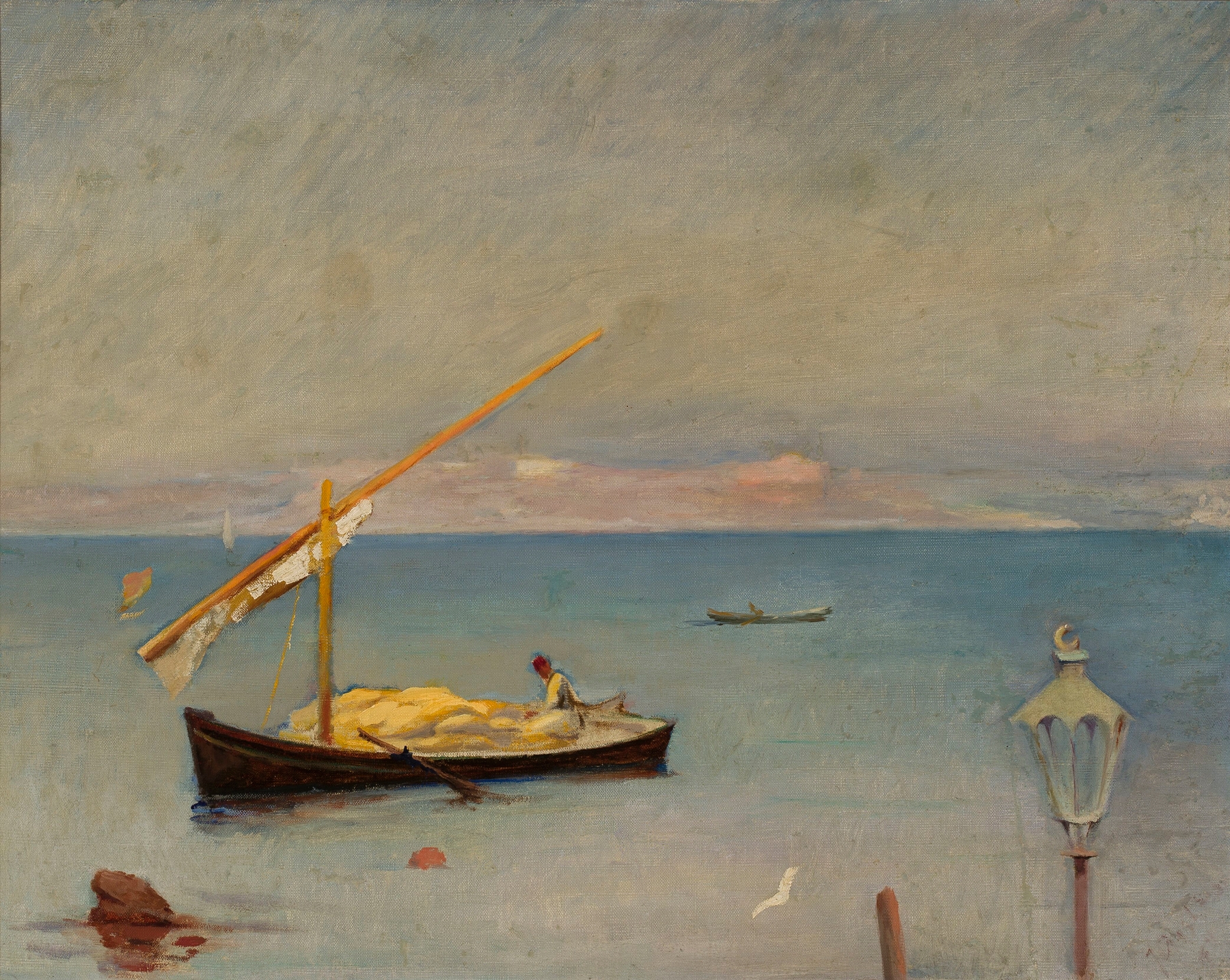
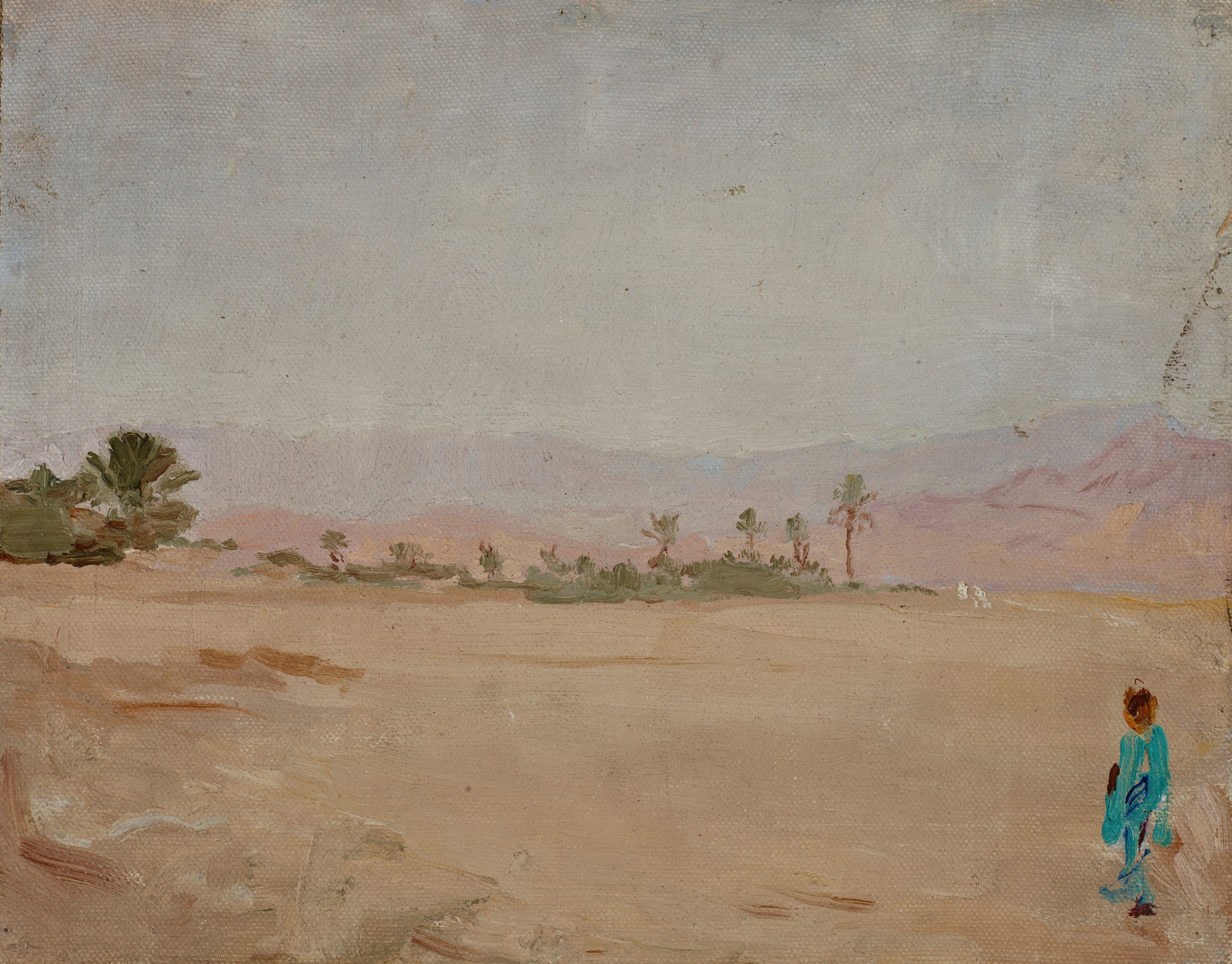
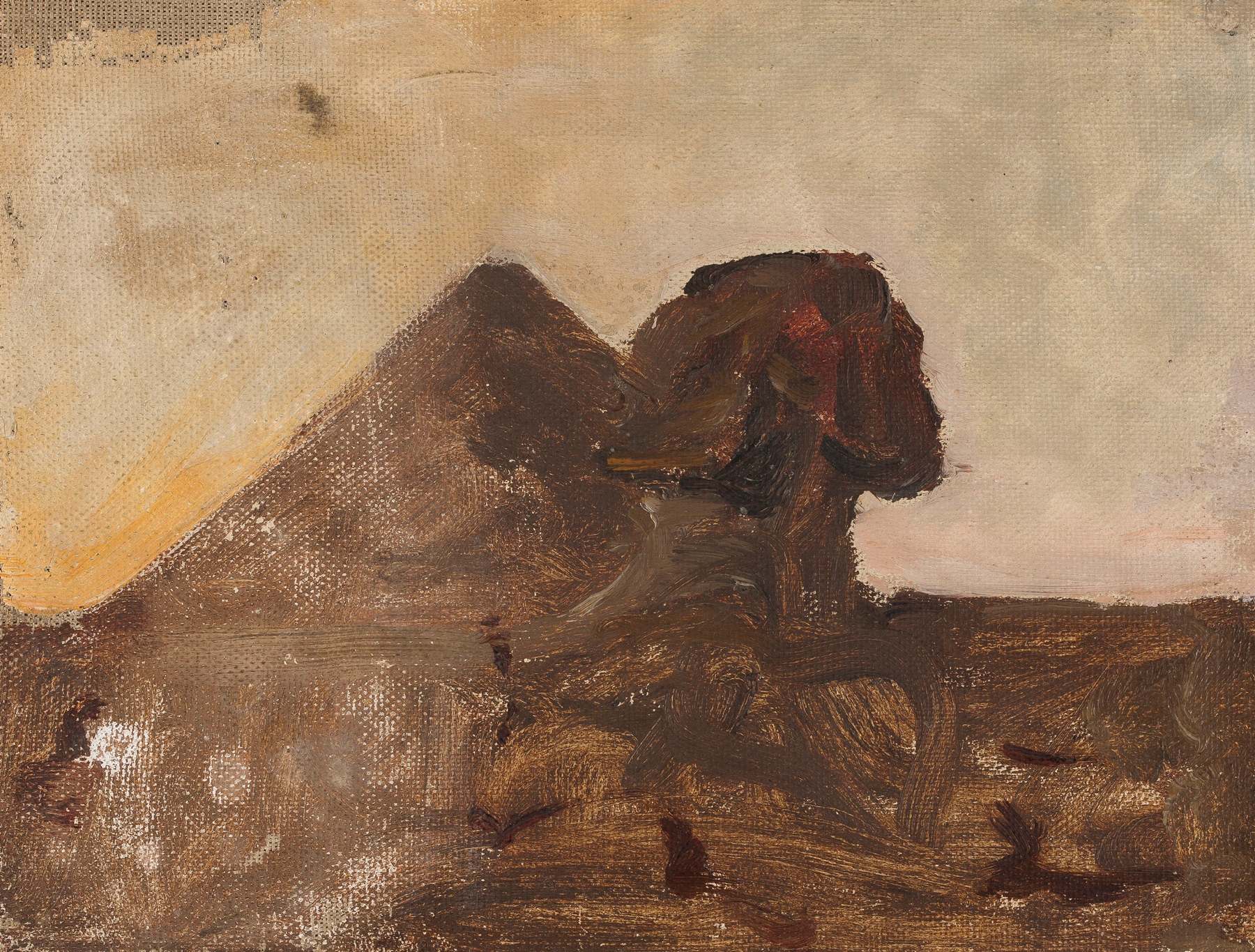
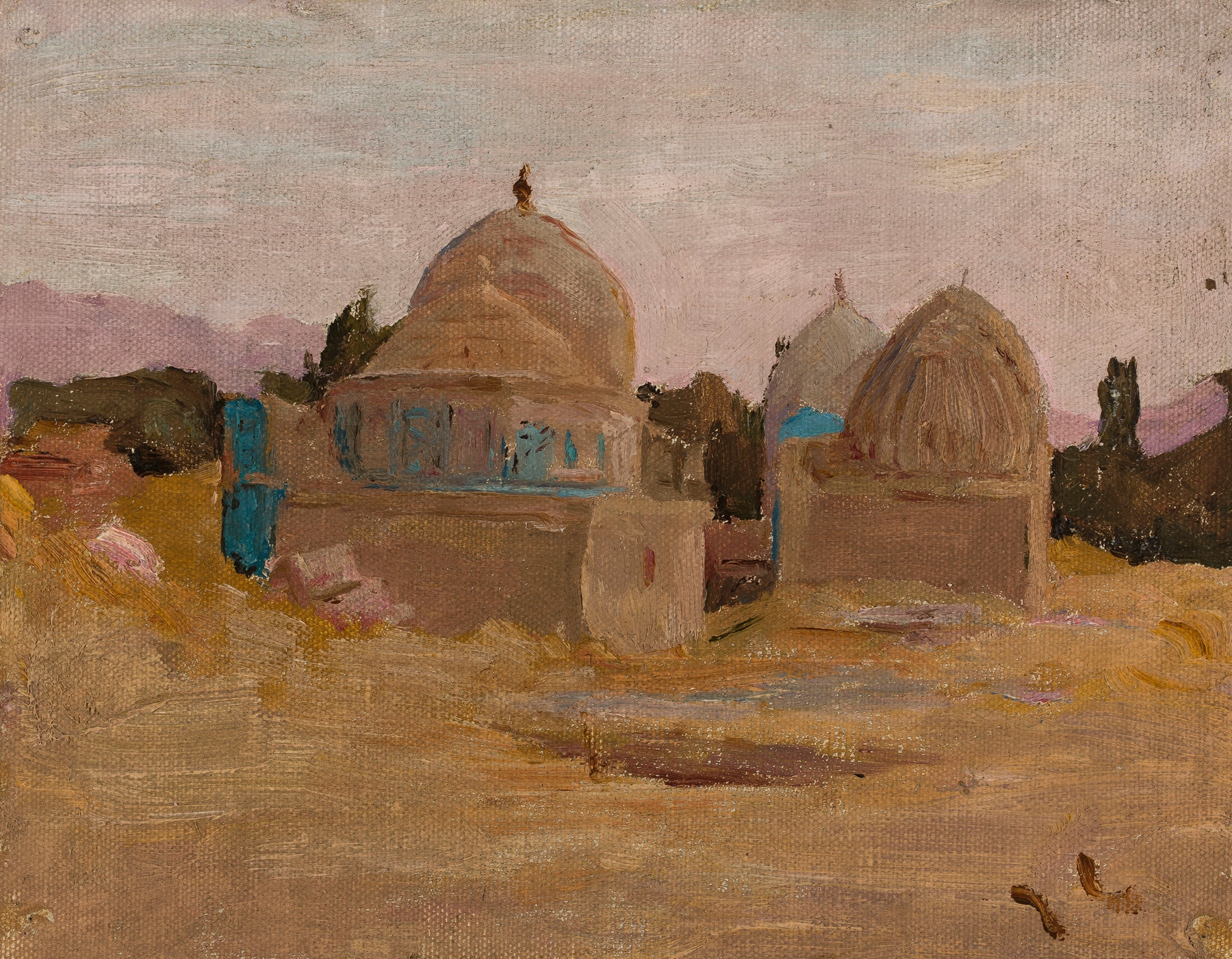
“Under the brush, chaos becomes grace.” In the face of mortality, the human spirit finds an unyielding will to endure. The tension between life and death intertwines through every stroke, reminding us of the delicate balance we navigate. Look to the swirling clouds at the top, where pale hues of purple and gray converge, forming an ominous vortex. The chaotic brushwork captures the relentless winds of the sirocco, a fierce desert wind that sweeps in from the Sahara. Notice how the earth tones below contrast sharply with the sky, grounding the tumultuous atmosphere and echoing the struggle between nature's fury and human resilience.
The figures, though small, are vividly animated, their forms almost lost in the tempest, embodying the fight against an overwhelming force. The juxtaposition of light and shadow creates an emotional depth that reflects the ever-present specter of mortality. Each figure, with its posture and gaze, seems to grapple with fate, rendered in rich, earthy tones that speak to our connection to the land. As the wind howls above, it serves as both a destructive and transformative force, suggesting that through chaos, we find our truest selves.
The tension between despair and hope becomes palpable, reminding us of the fragility of existence. In 1909, Jan Ciągliński created this work during a period of personal struggle, living in London after a series of setbacks in his career. The early 20th century was marked by artistic experimentation, with movements exploring the forces of nature and the emotional depth of the human experience. In this environment, The Sirocco emerged, a testament to both the artist's resilience and the universal battle against the uncertainties of life.