Sahara (Desert) — History & Analysis
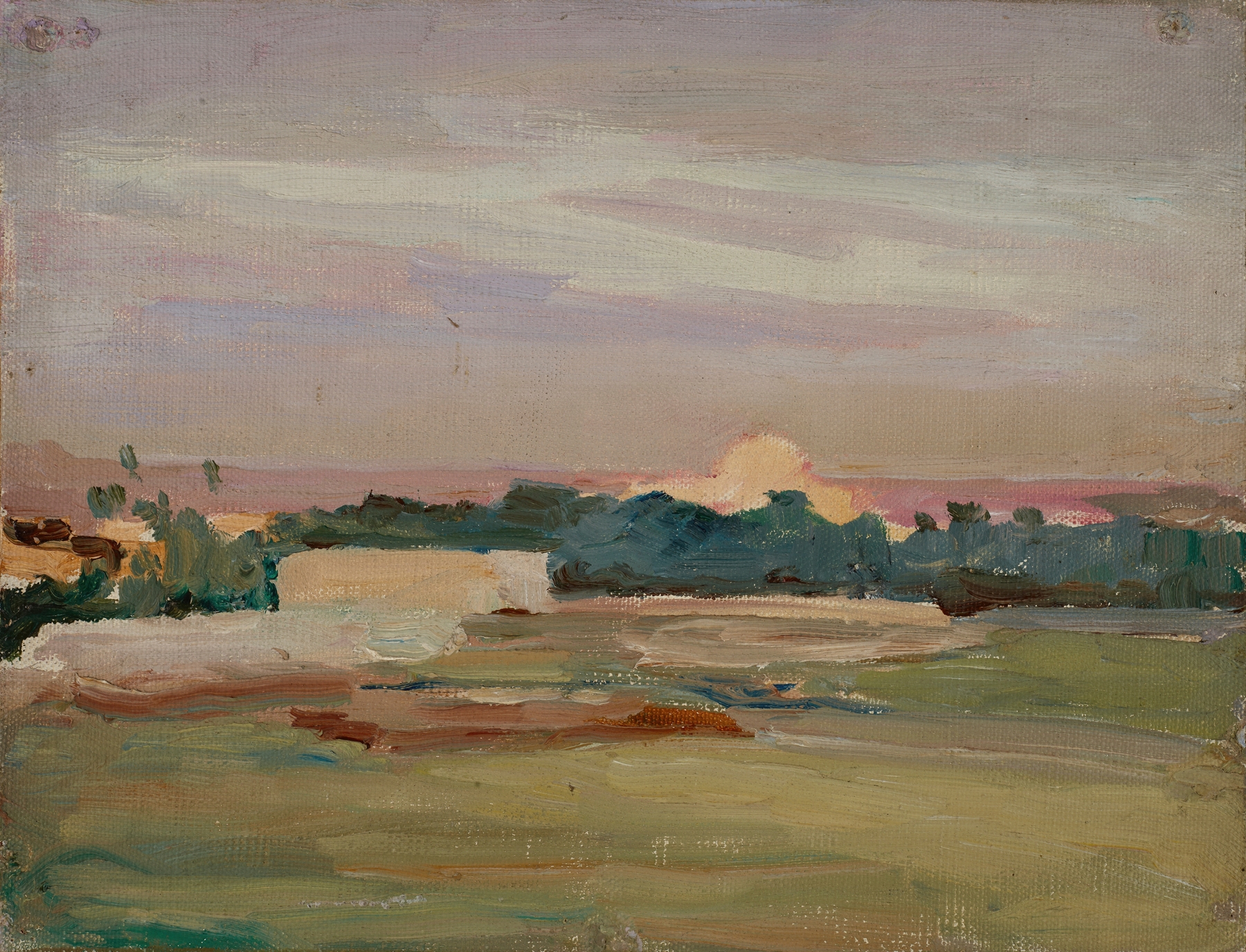
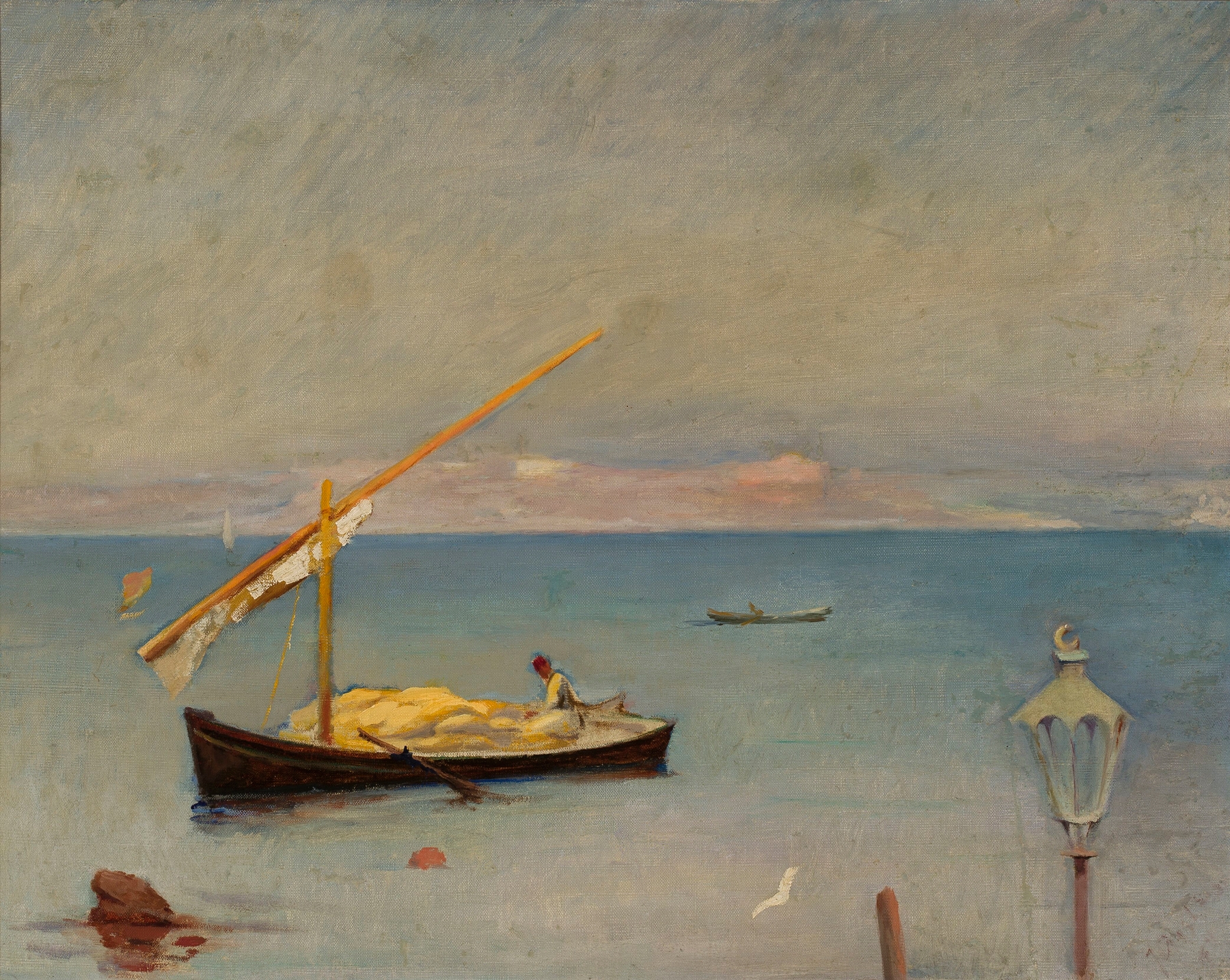
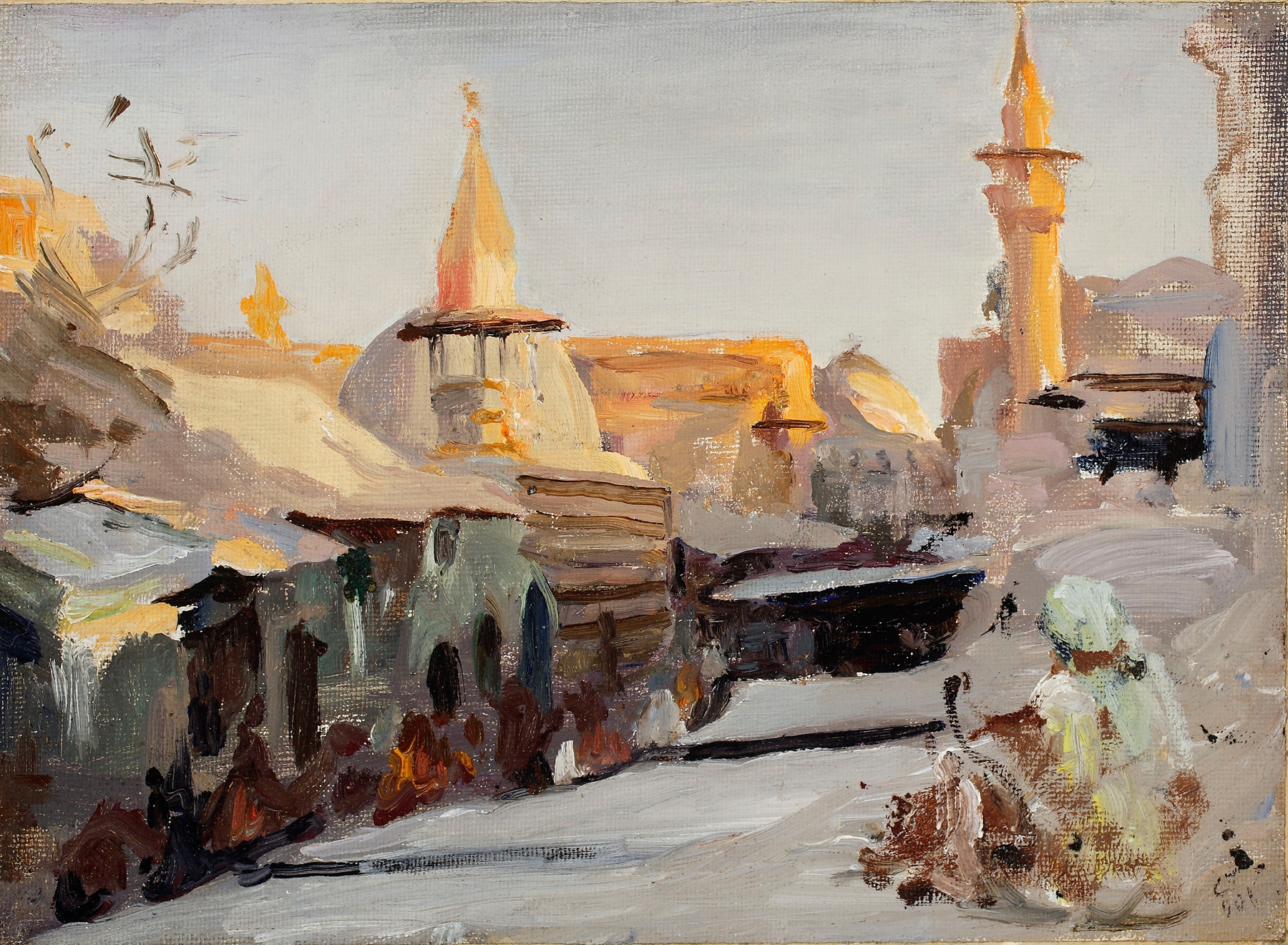
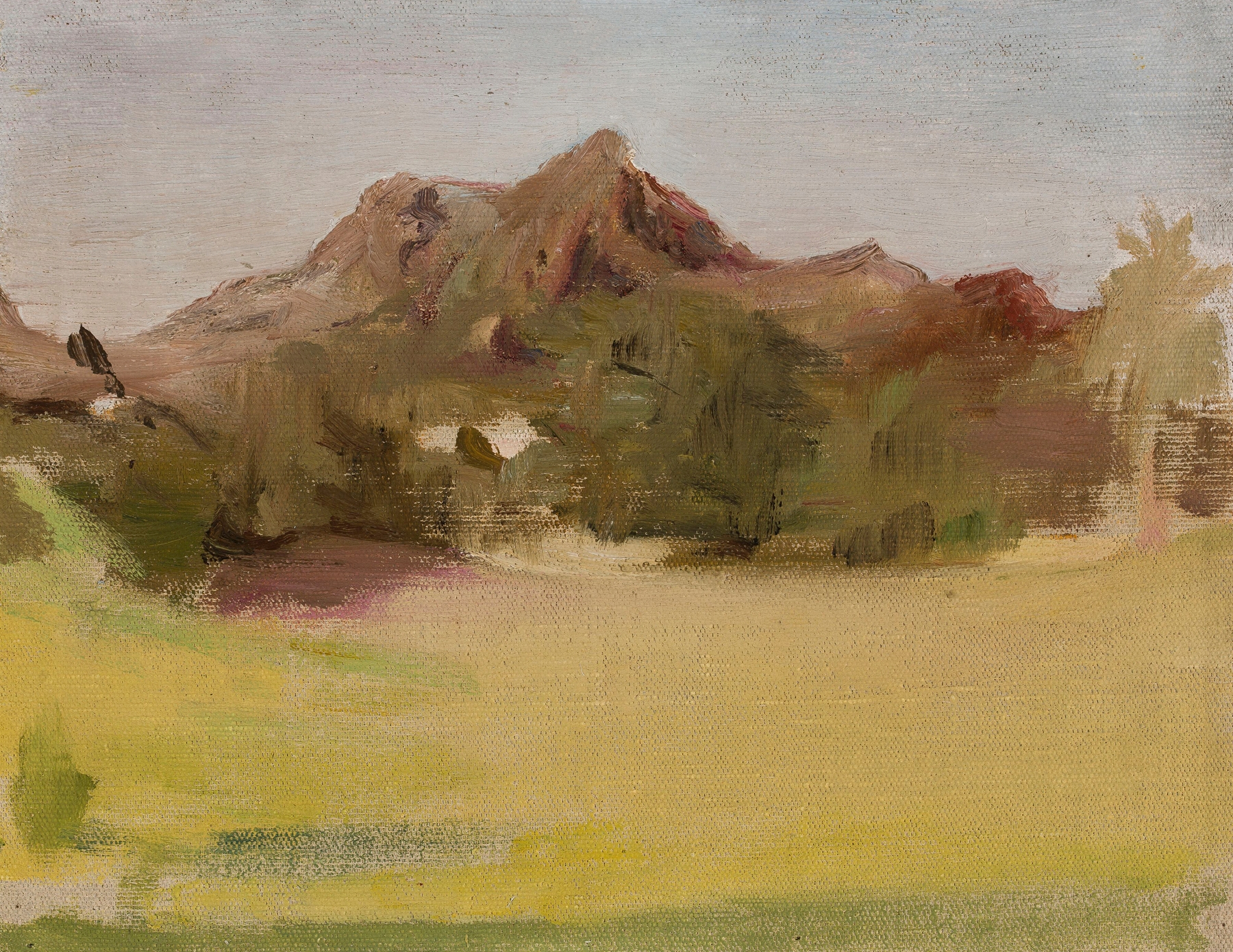
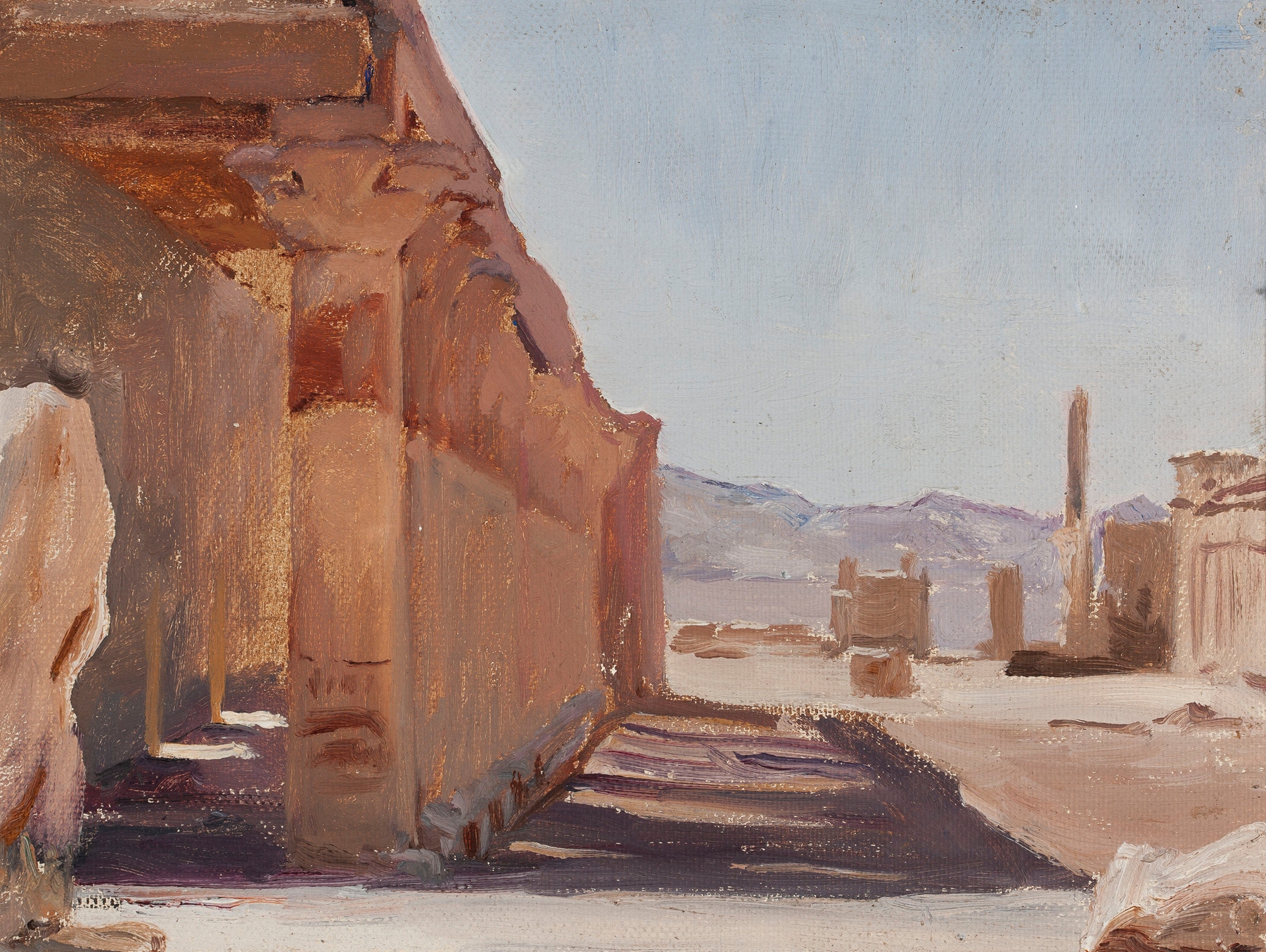
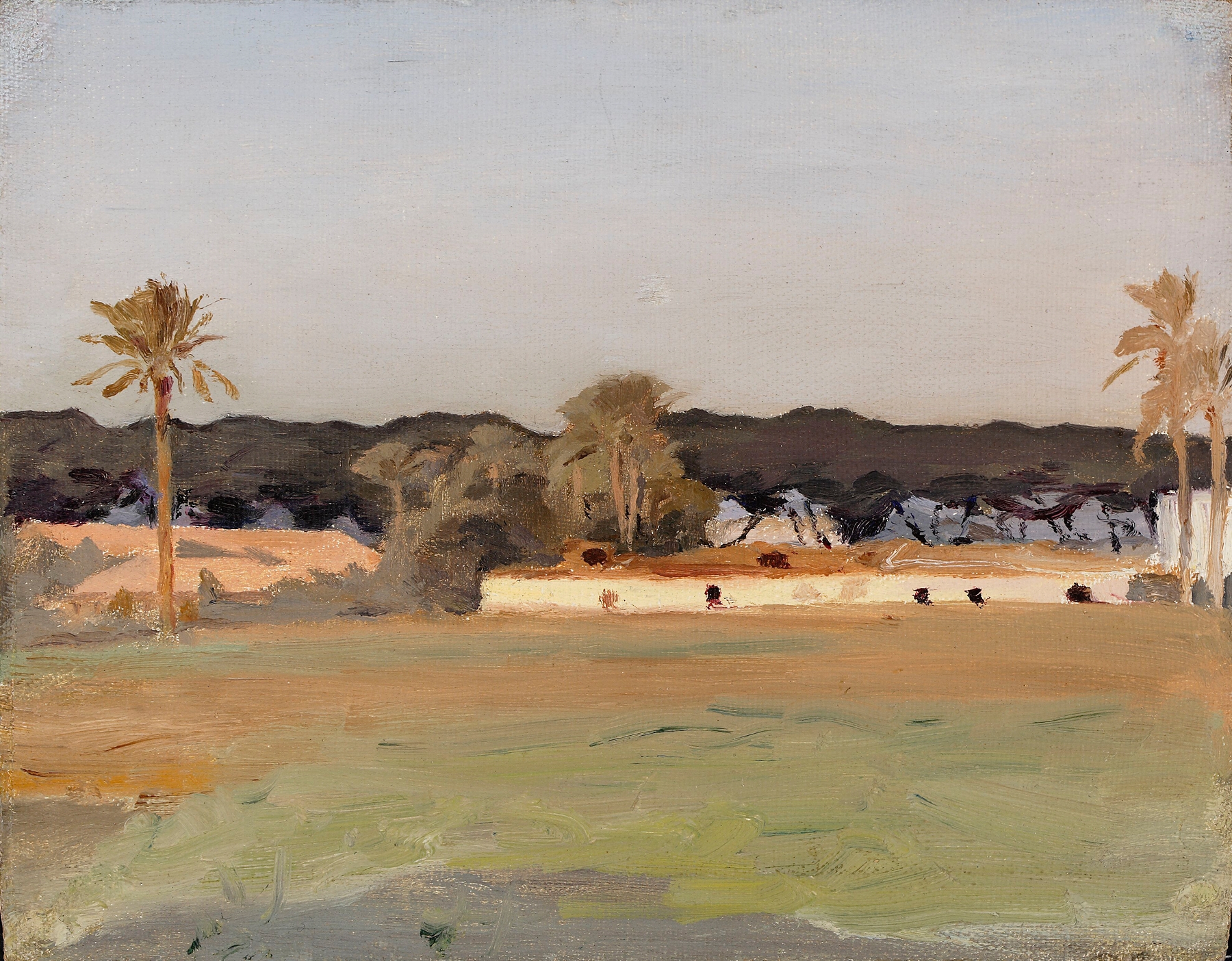
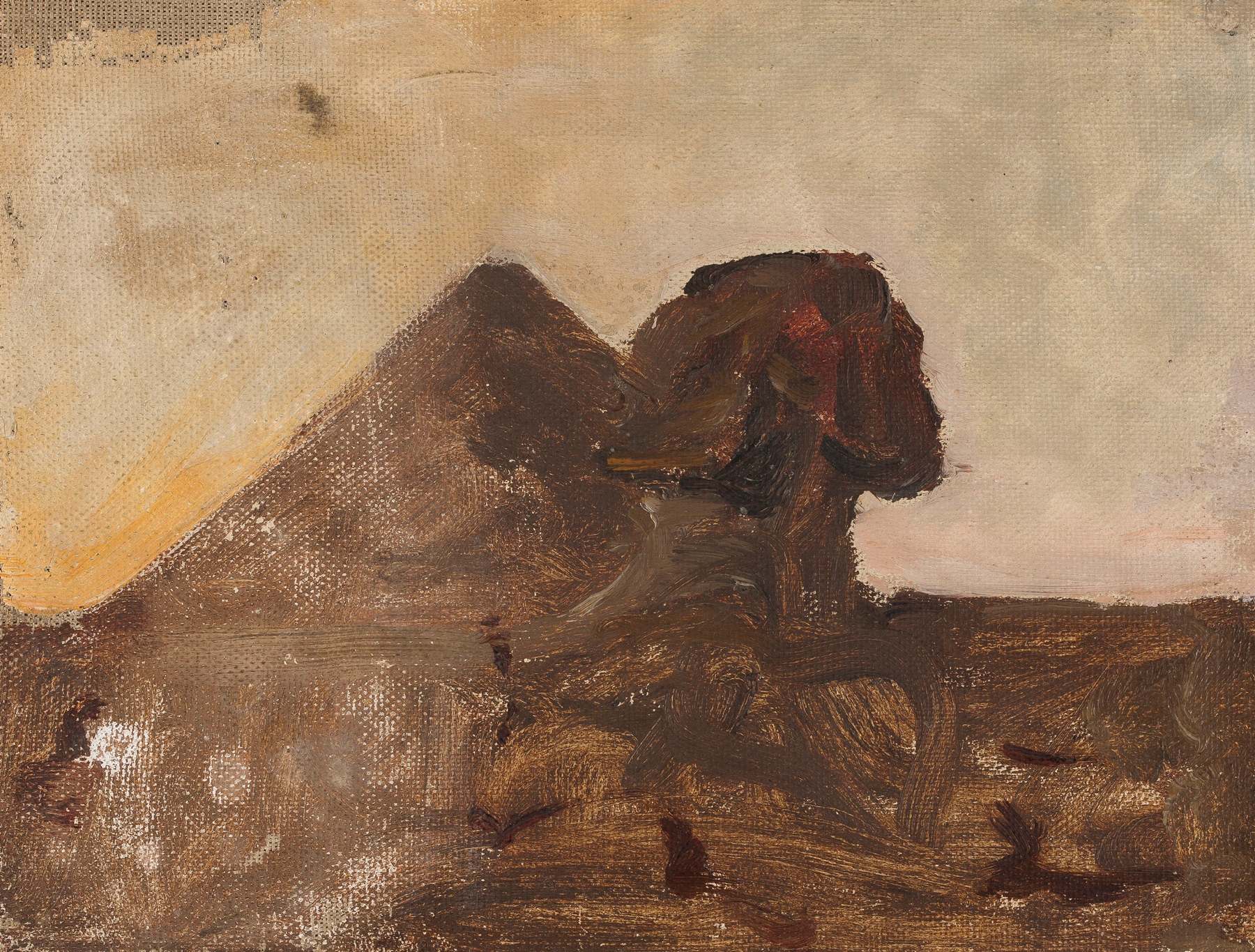
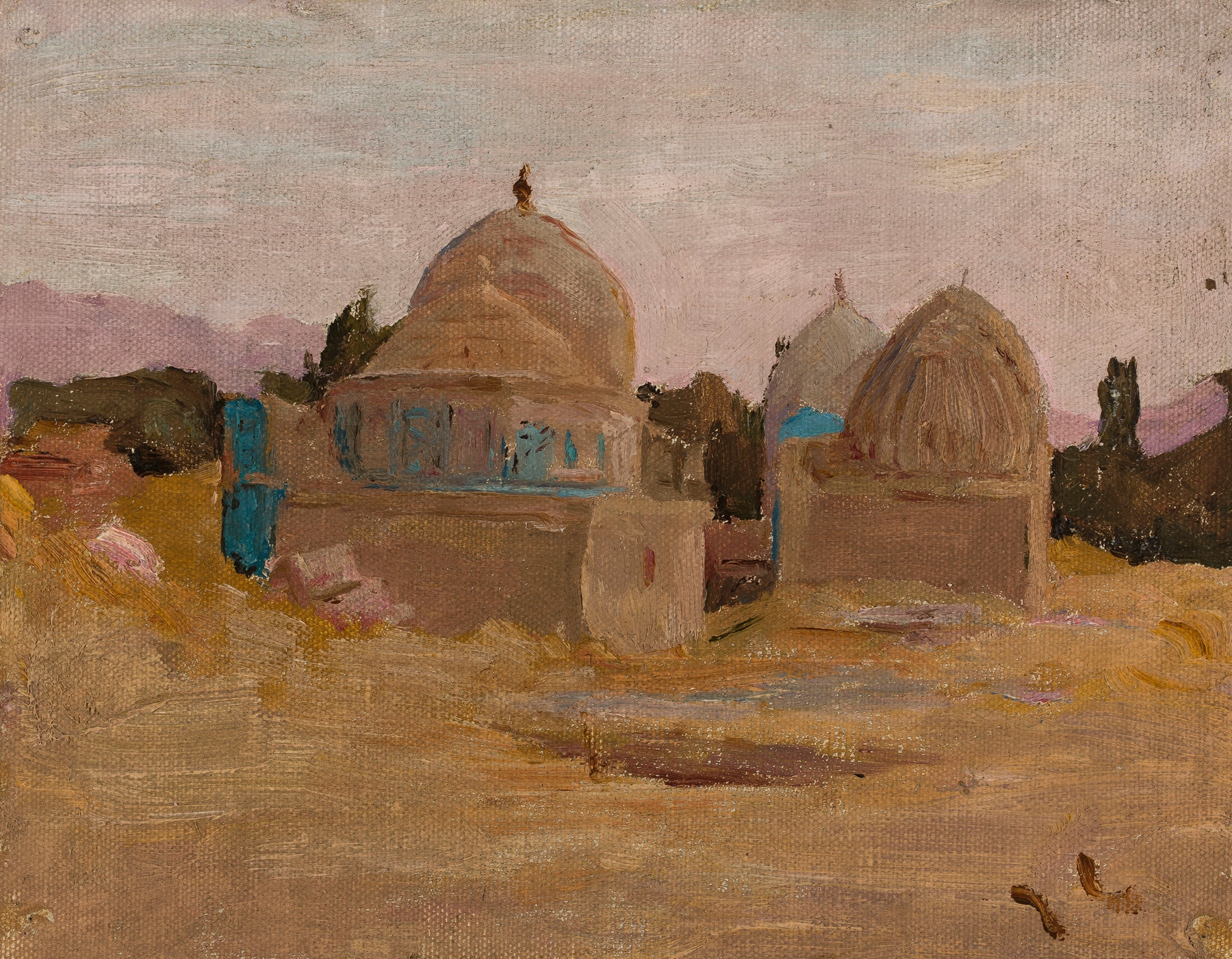
“To paint is to remember what time wants us to forget.” In a world where memories fade like mirages, the canvas stands as a testament to revelation and resilience. Look closely at the horizon where the dusky orange sky kisses the undulating dunes. Notice how the gentle curves of the sandy landscape guide the viewer’s eye into the depths of the painting, creating a sense of vastness and solitude. The light, almost ethereal, bathes the scene, casting elongated shadows that whisper of the mysteries hidden within this arid expanse.
Each stroke captures the texture of the grains, inviting you to run your fingers across the surface, feeling both the heat and stillness of the Sahara. Hidden within this serene vista lies a profound tension between beauty and desolation. The emptiness of the desert invites contemplation, while the colors evoke warmth and comfort, suggesting an oasis of hope amidst the harshness. This duality serves as a metaphor for human existence — the ability to find solace even in the starkest environments.
Small details, like a solitary tuft of grass daring to survive against the odds, reflect resilience and the indomitable spirit of life. In 1909, Jan Ciągliński painted this evocative landscape while residing in France, navigating the burgeoning movement of Orientalism that swept through European art. His time spent in North Africa influenced his work profoundly, blending Western techniques with the allure of Eastern themes. This painting emerged during a period of exploration and fascination with exotic locales, capturing both the allure and the isolation of the desert landscape.