Harvest Time. — History & Analysis
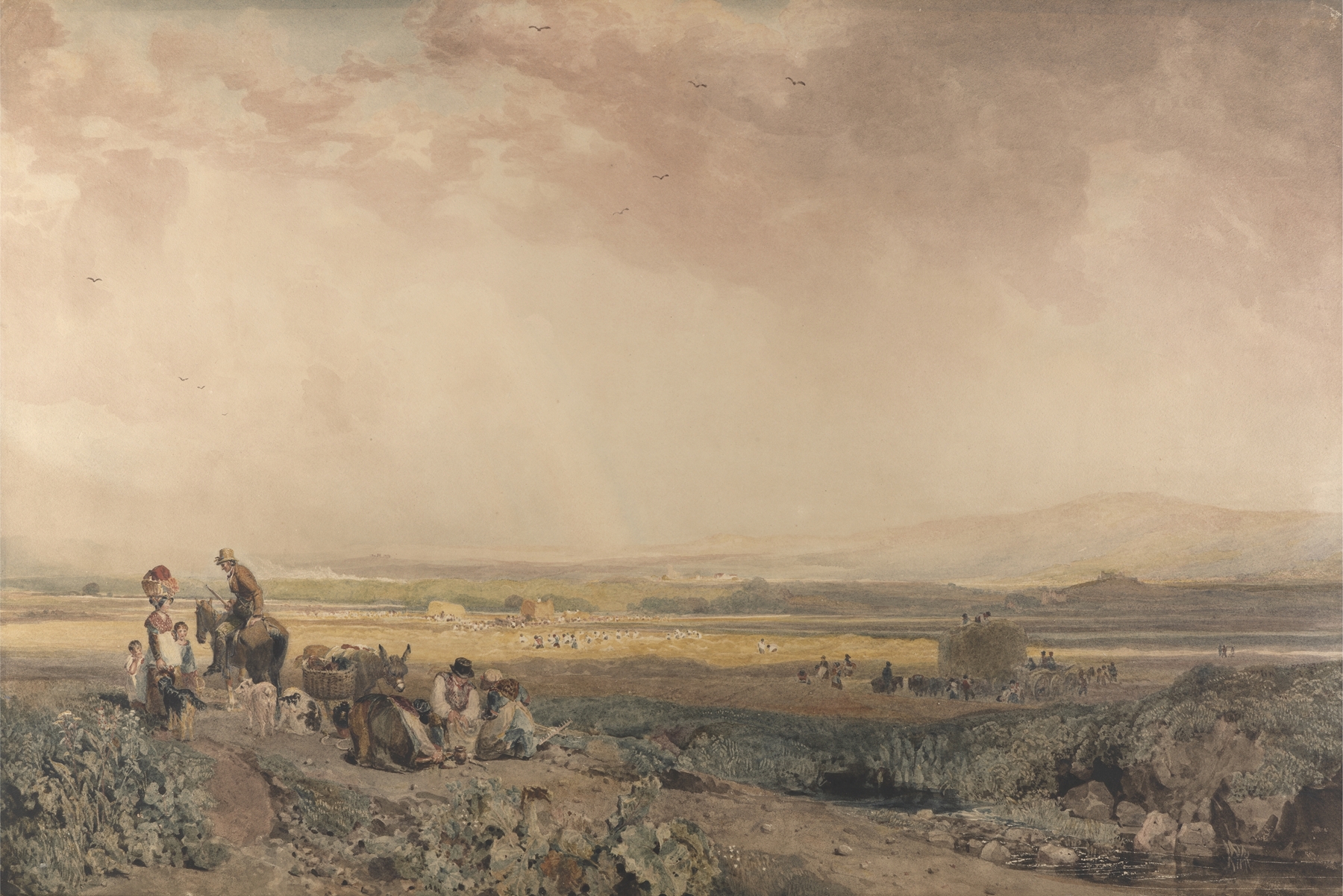
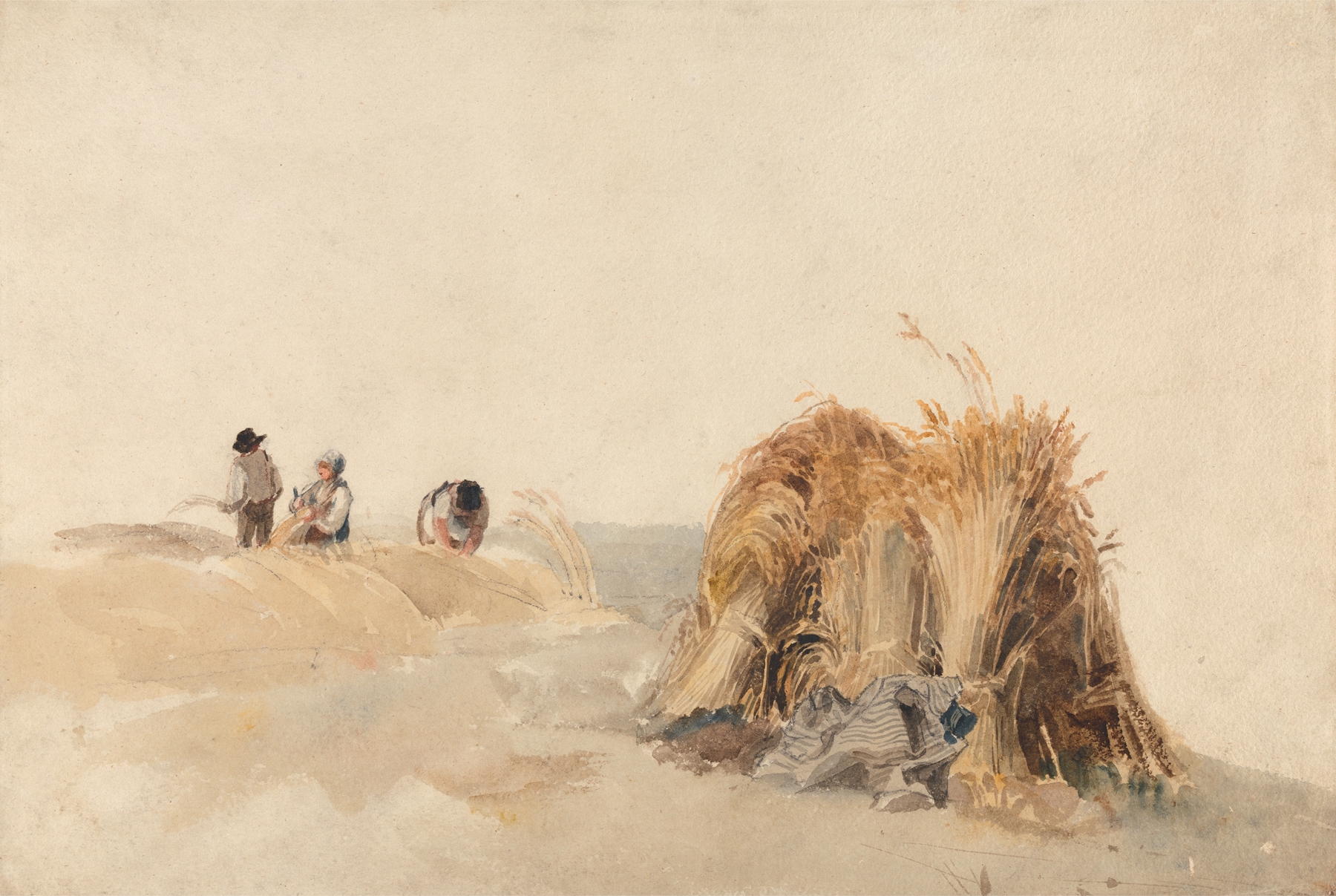
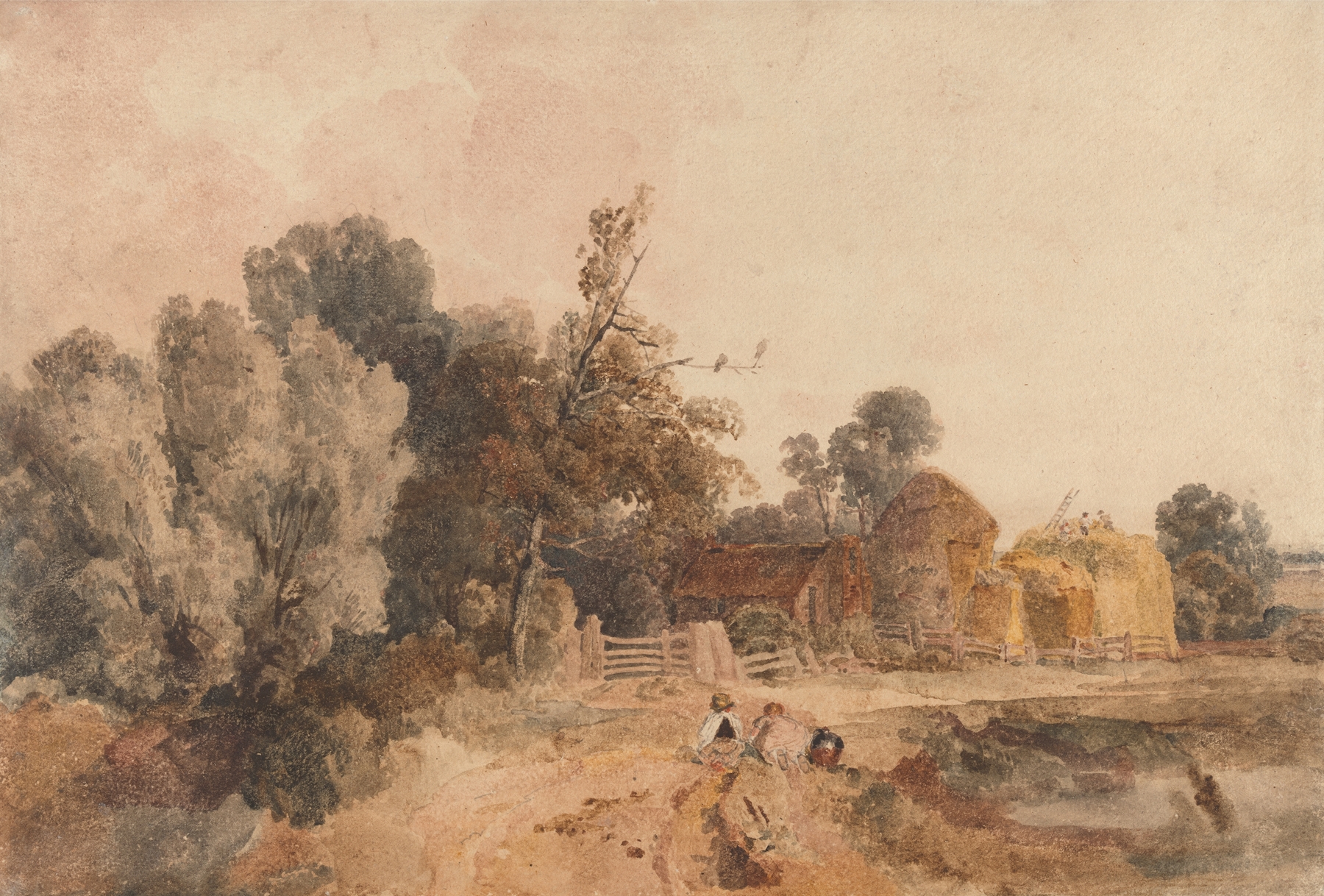
What if beauty was never meant to be finished? In the gentle embrace of nature, there lies a divine essence that transcends time and invites the beholder to reflect on the cyclical rhythms of life. Look to the foreground, where vibrant fields unfurl beneath soft, golden light. The warm hues of the crops dance in a sea of amber and green, suggesting the richness of the harvest. Notice how the brushstrokes vary; some are bold and sweeping, while others are delicate and precise, reflecting the artist's hand and intention.
As your gaze wanders, pay attention to the subtle interplay between shadow and luminosity, which reveals a tranquil yet dynamic atmosphere, breathing life into this pastoral tableau. Deeper than its visual allure lies a sense of harmony and interconnectedness. The labor of the farmers, though not overtly depicted, resonates through the abundance of the land, symbolizing the divine partnership between humanity and nature. Contemplating this relationship prompts reflections on gratitude and reverence, urging viewers to consider their own role within the cycle of sustenance and renewal.
The painting evokes a profound sense of peace, a reminder that beauty, like life itself, is an ongoing process rather than a final destination. Created during a time when landscape painting was flourishing in England, the artist captured Harvest Time in a period where Romanticism was beginning to take hold, emphasizing a return to nature. While little biographical information is available about DeWint, his works reveal a deep appreciation for the rural life that was central to the English identity of the 19th century. As a member of the Royal Academy, he straddled tradition and innovation, contributing to the era's exploration of divine beauty in the world around us.