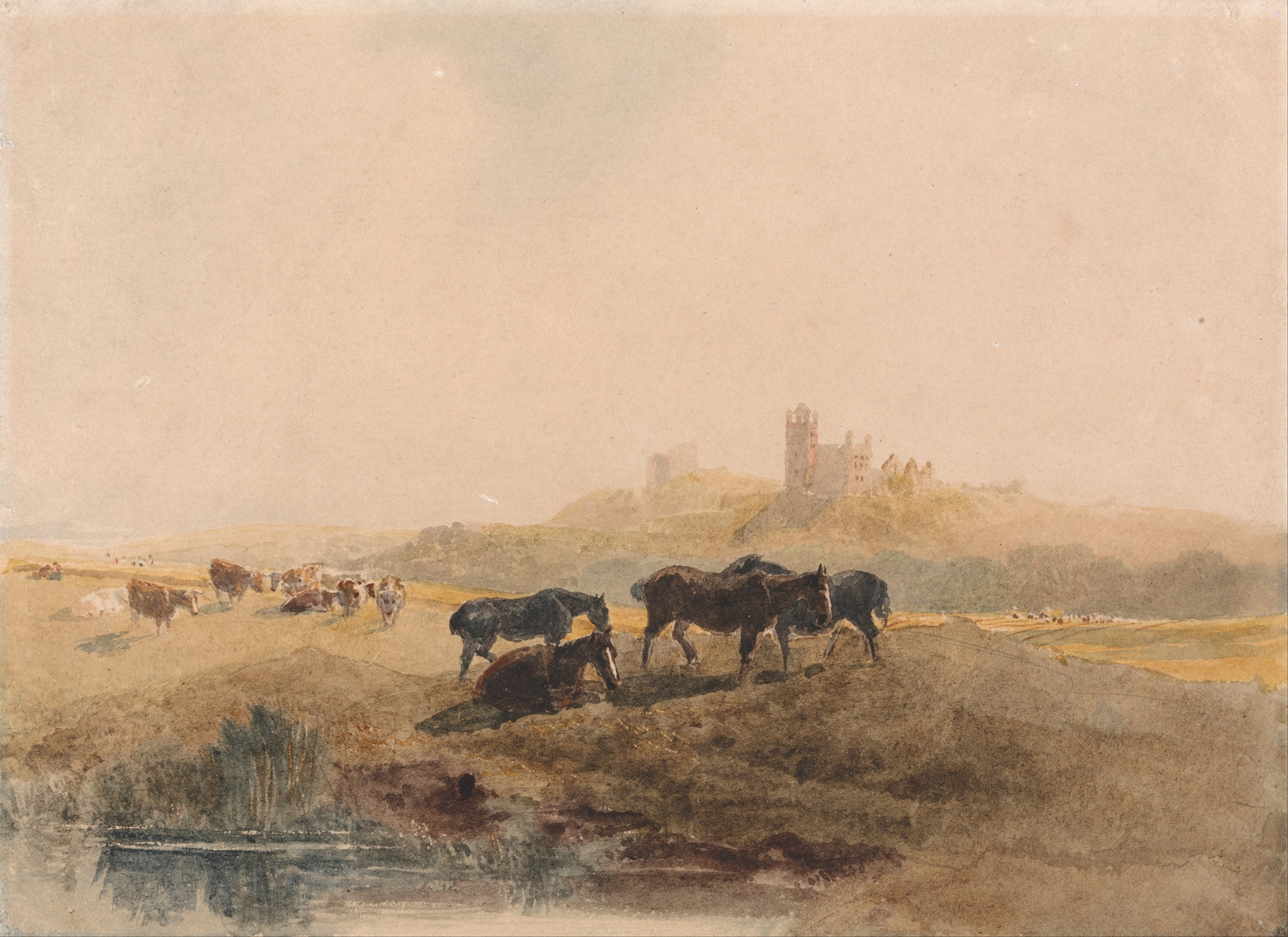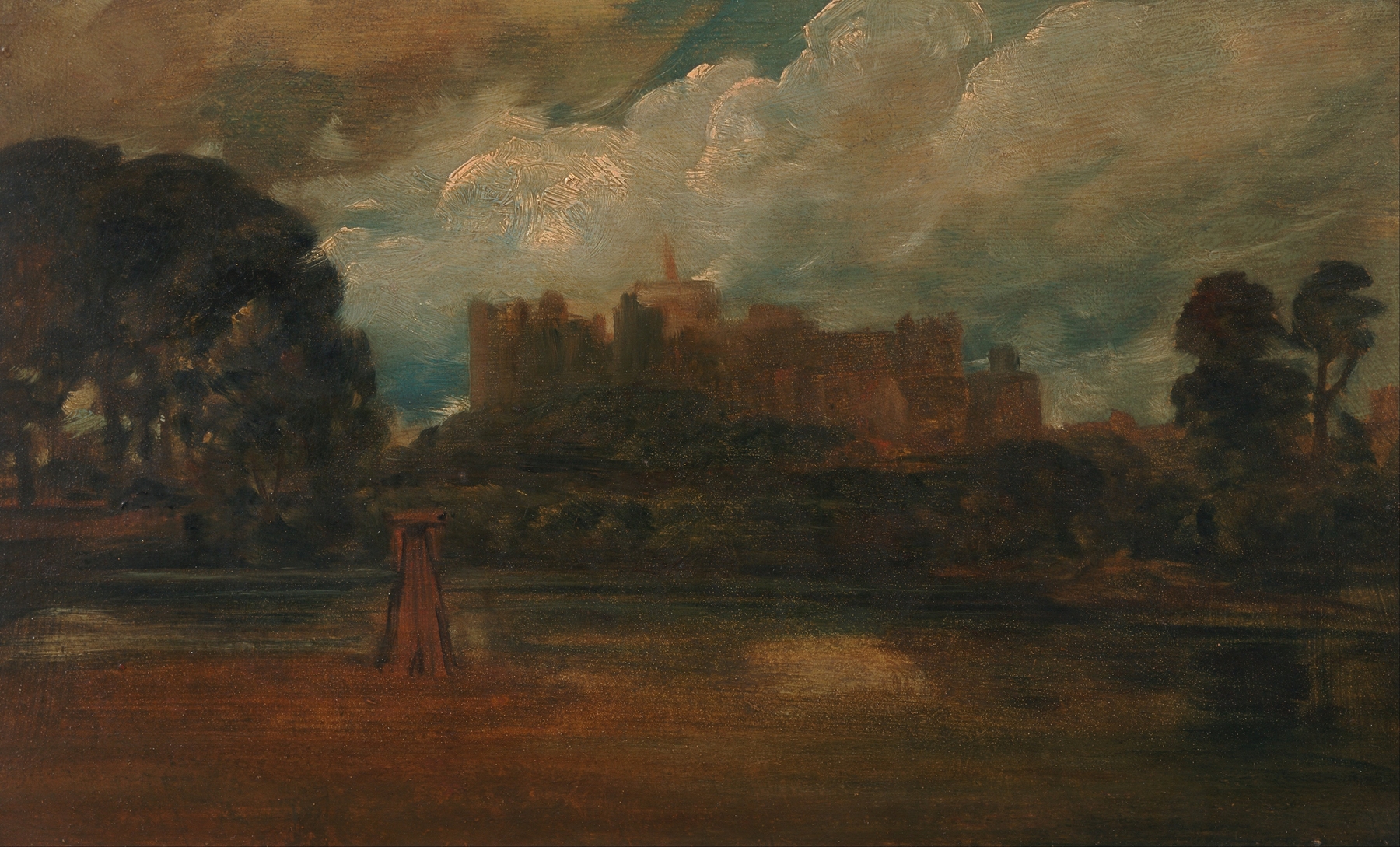
Windsor Castle — History & Analysis
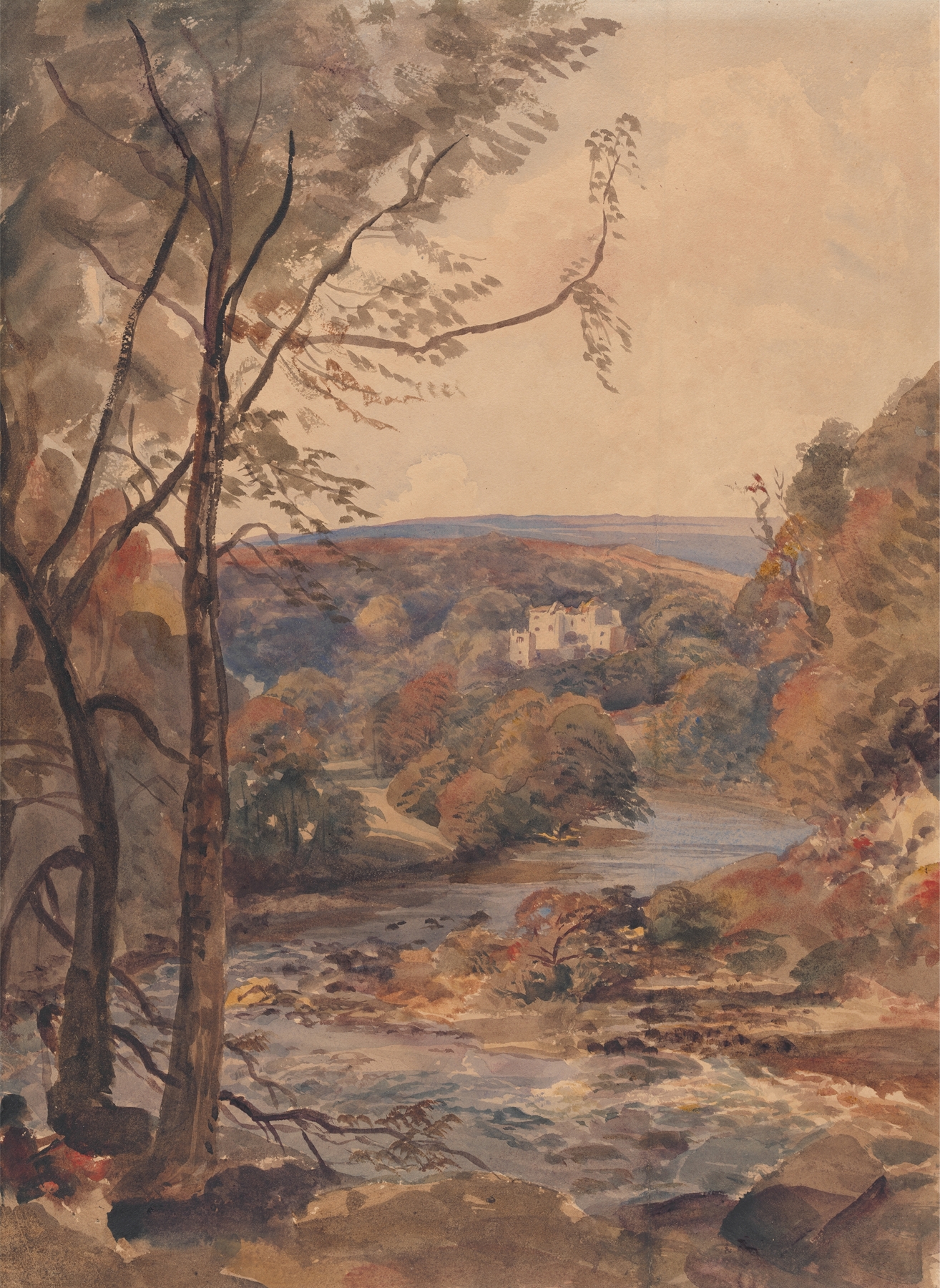
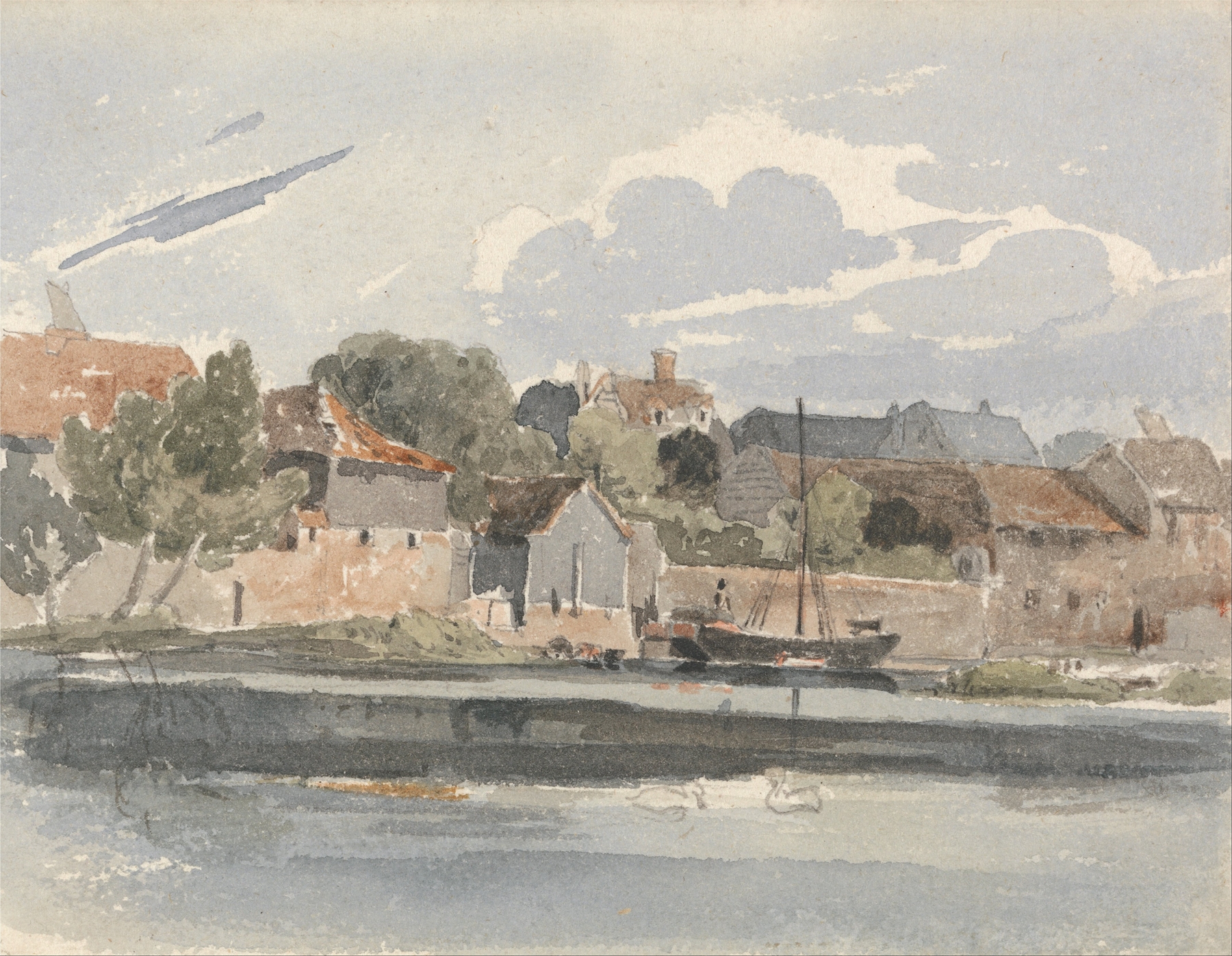
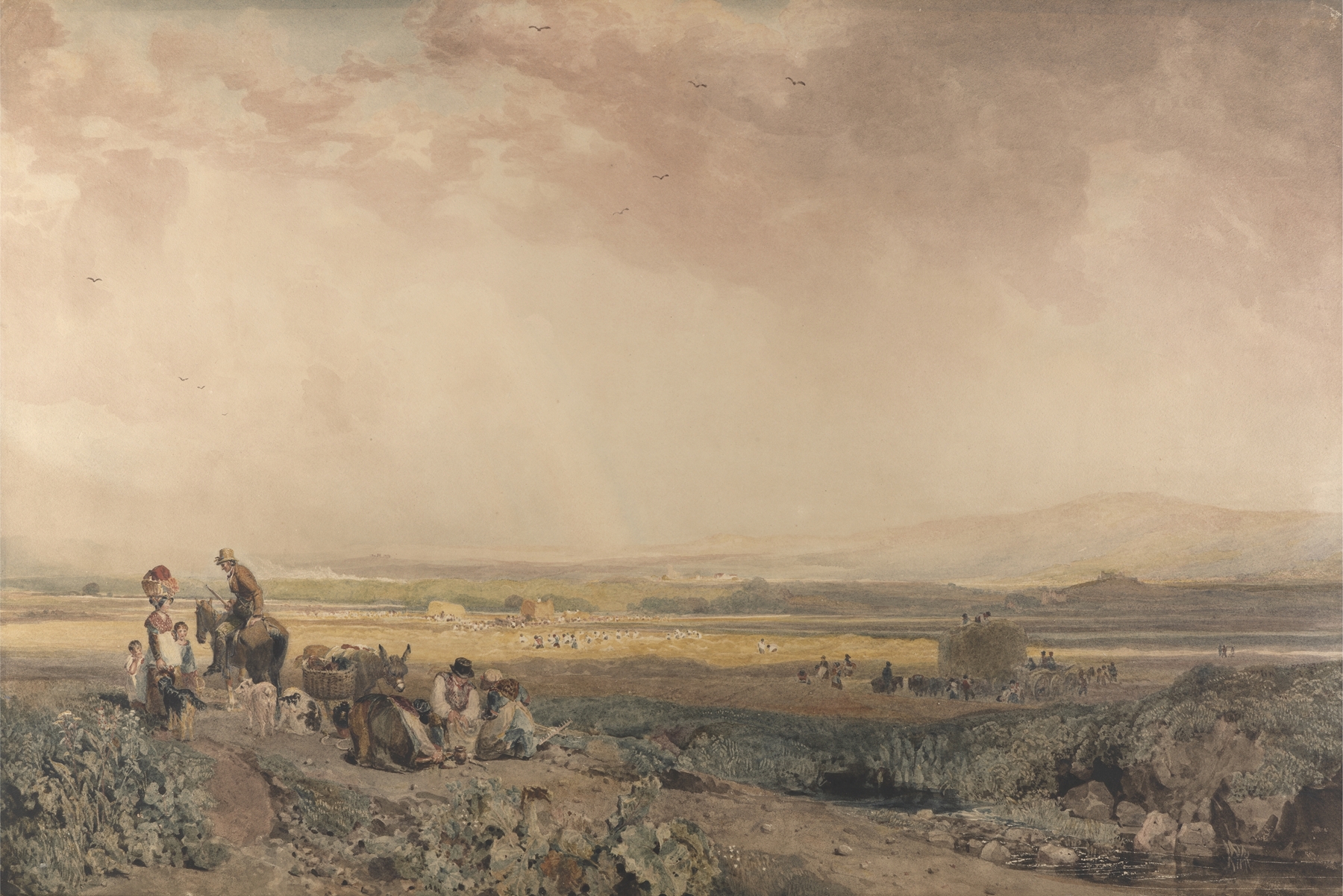
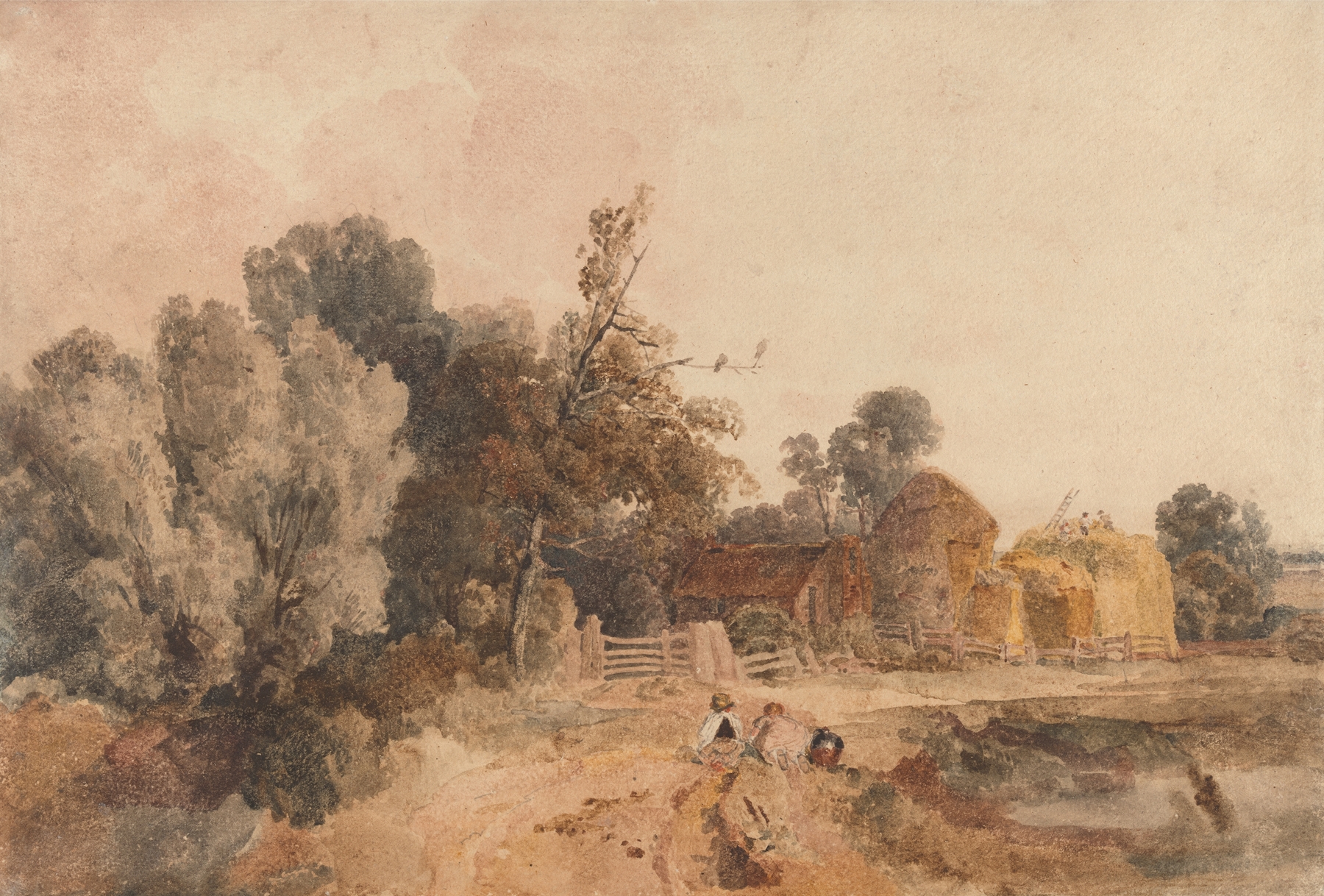
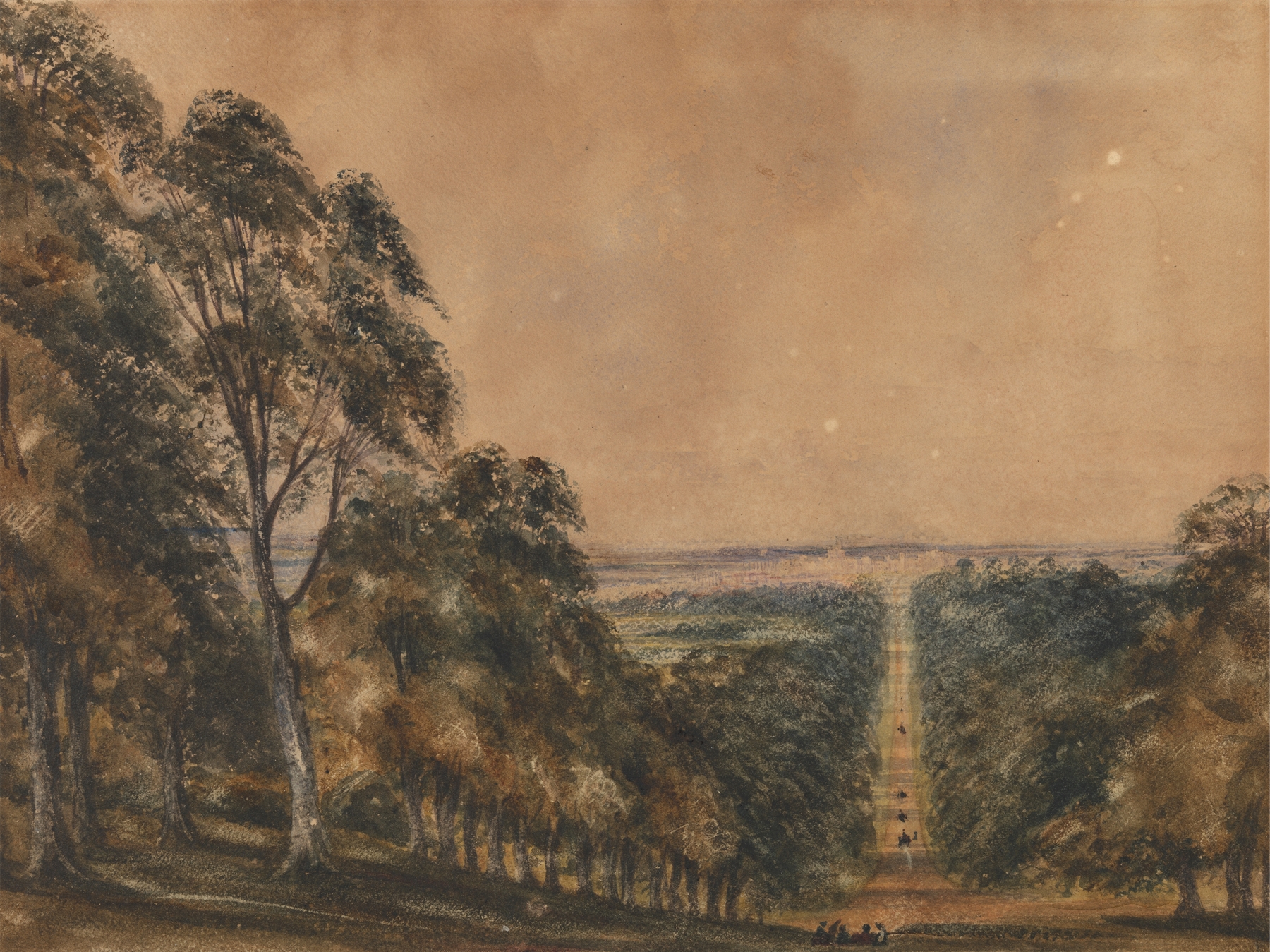
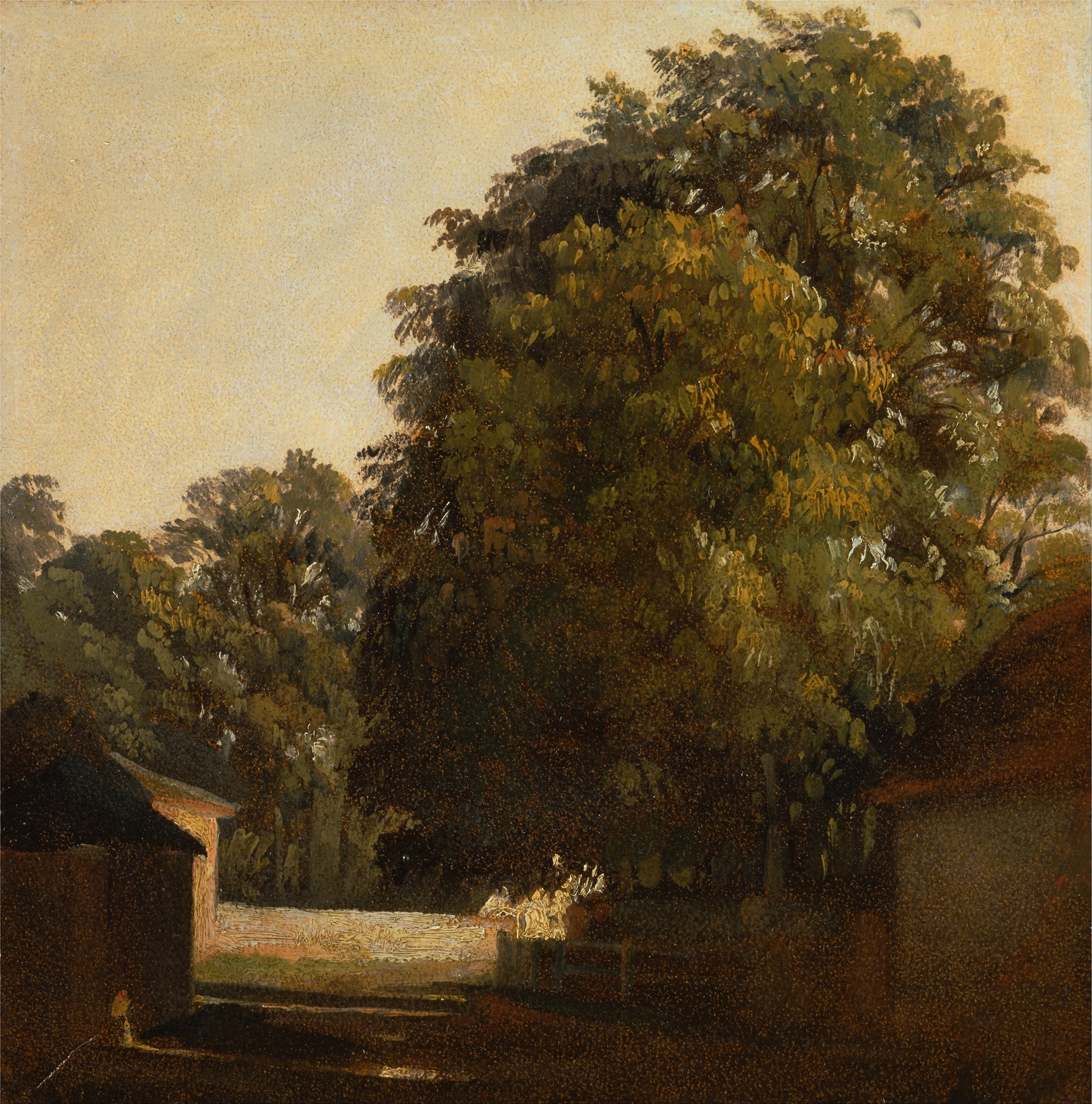
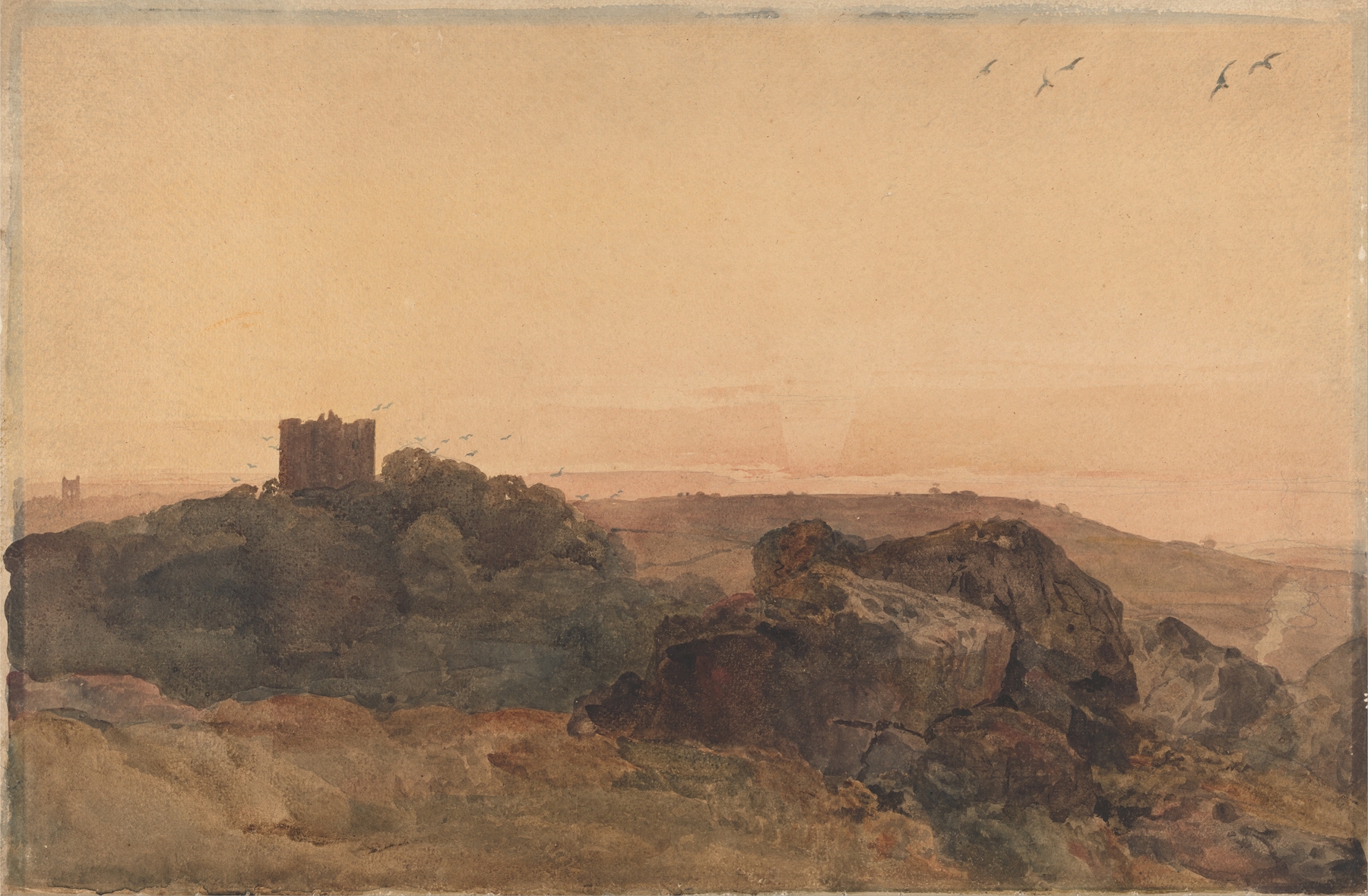
“Between color and silence, truth hides.” In the crumbling walls of history, there exists a profound stillness that echoes the passage of time. Focus on the rich, muted hues that envelop this landscape, drawing your eye first to the soft, golden light that bathes the castle’s façade. Notice how the palette transitions from warm ochres to cool blues, evoking a sense of decay and nostalgia, as if the very essence of the castle is fading into the background. The gentle brushwork creates a sense of depth, allowing the viewer to feel the weight of both the stone structure and the surrounding nature, which seems to reclaim its space.
Within this composition lies a juxtaposition of strength and fragility. The castle, an emblem of stability, stands resilient yet vulnerable against encroaching foliage that whispers of nature’s relentless advance. Shadows dance between the stones, hinting at stories long forgotten while the vibrant sky above suggests hope and continuity. This interplay of elements evokes a contemplative mood, inviting the viewer to ponder the relationship between civilization and the passage of time.
During the early 19th century, the artist created this work amidst the Romantic movement's embrace of nature and emotion. Working in England, he witnessed a period marked by industrialization and political strife, which starkly contrasted with the timeless beauty of historical landmarks. In this context, his depiction of Windsor Castle serves as both a tribute to heritage and a commentary on decay, reflecting an artist deeply aware of the world around him.