View of the Thames at Kingston — History & Analysis
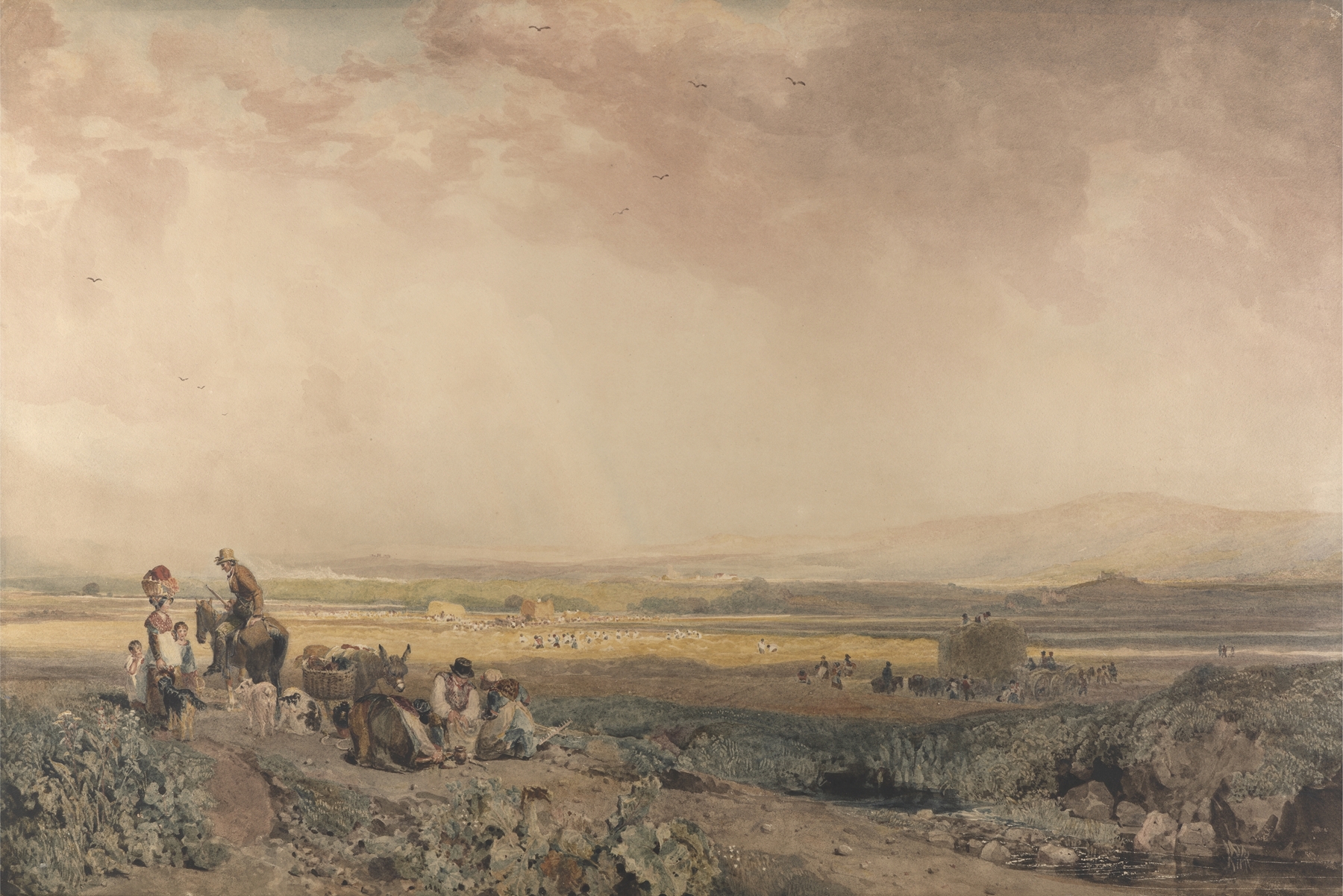
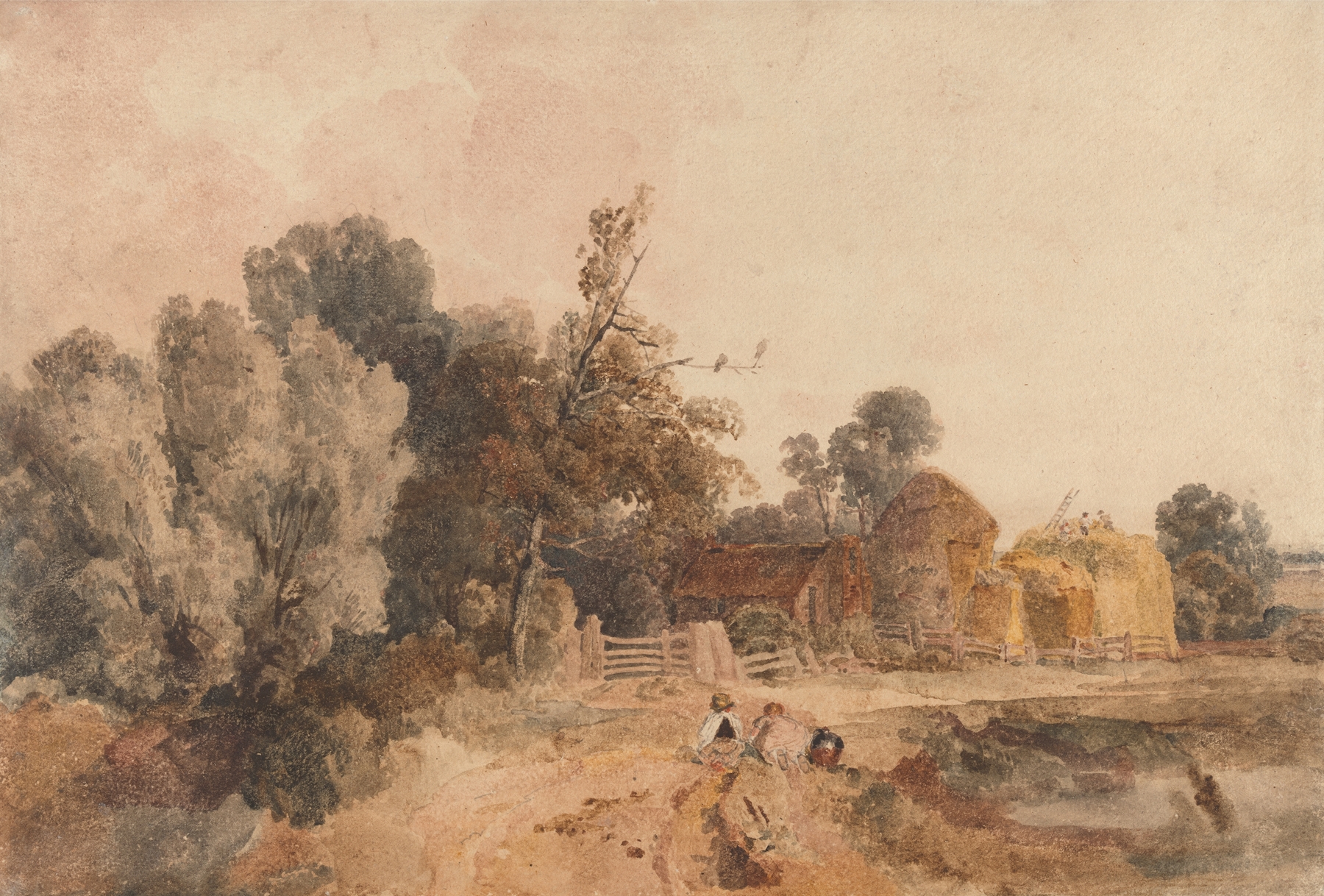
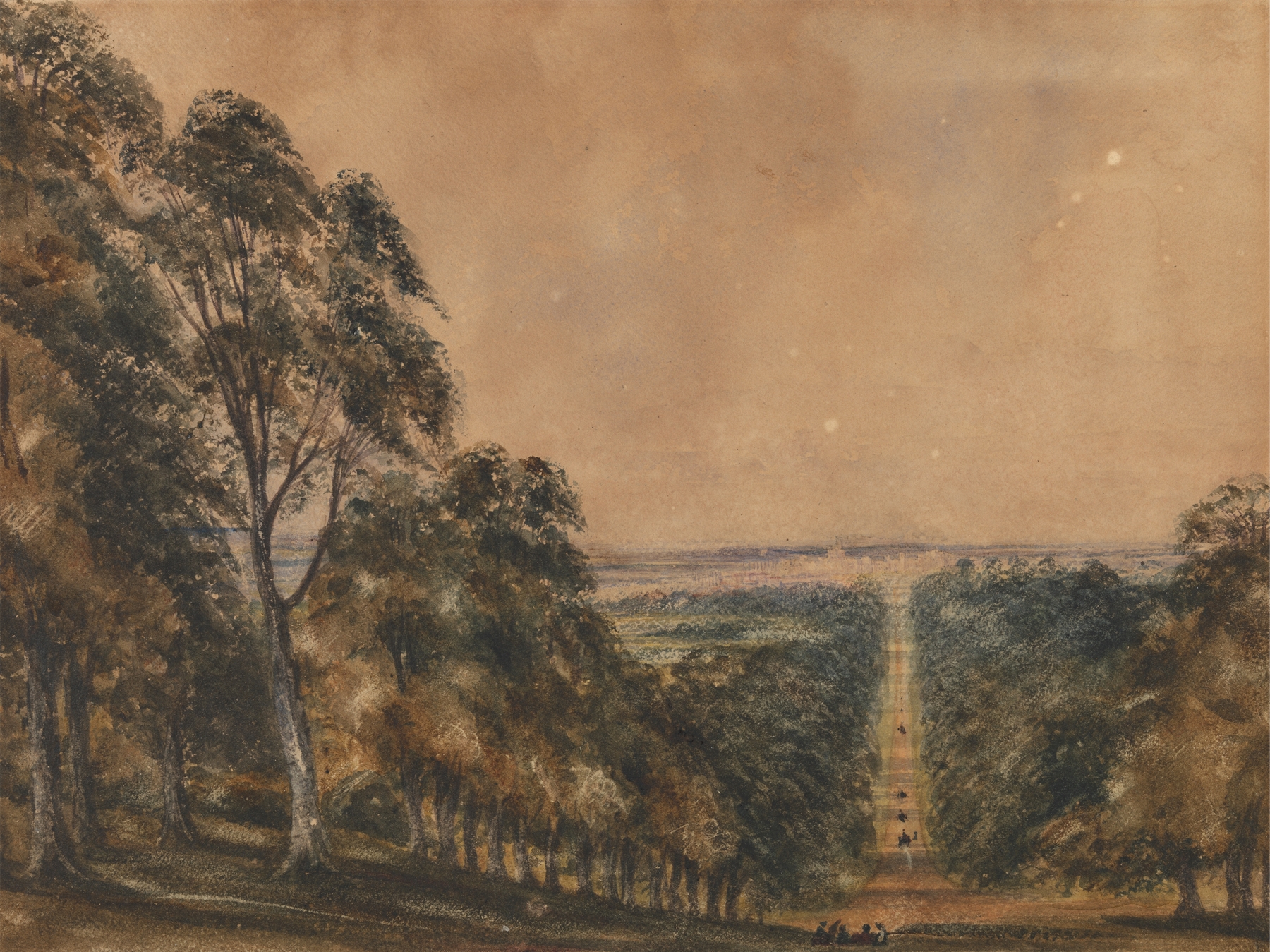
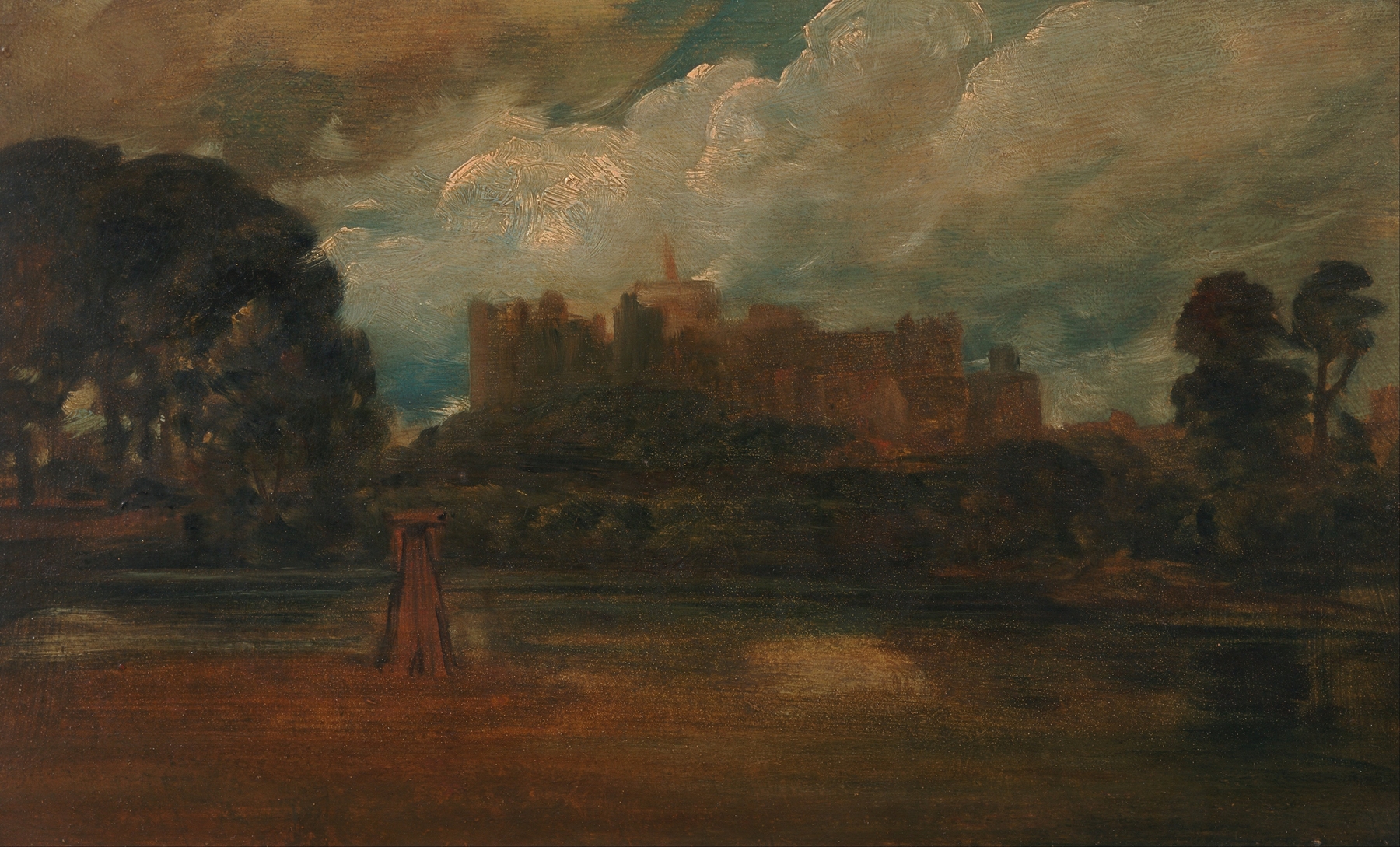
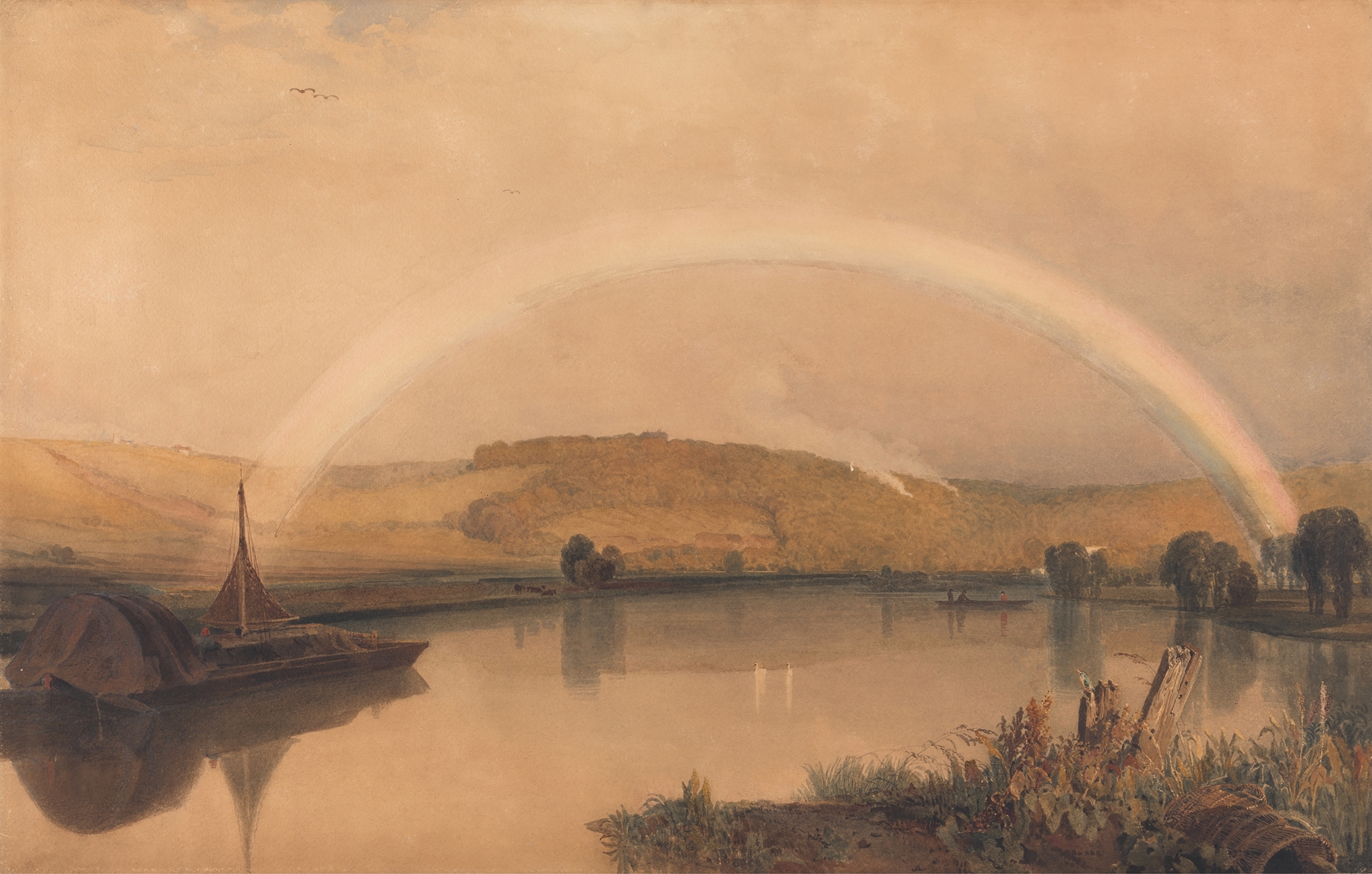
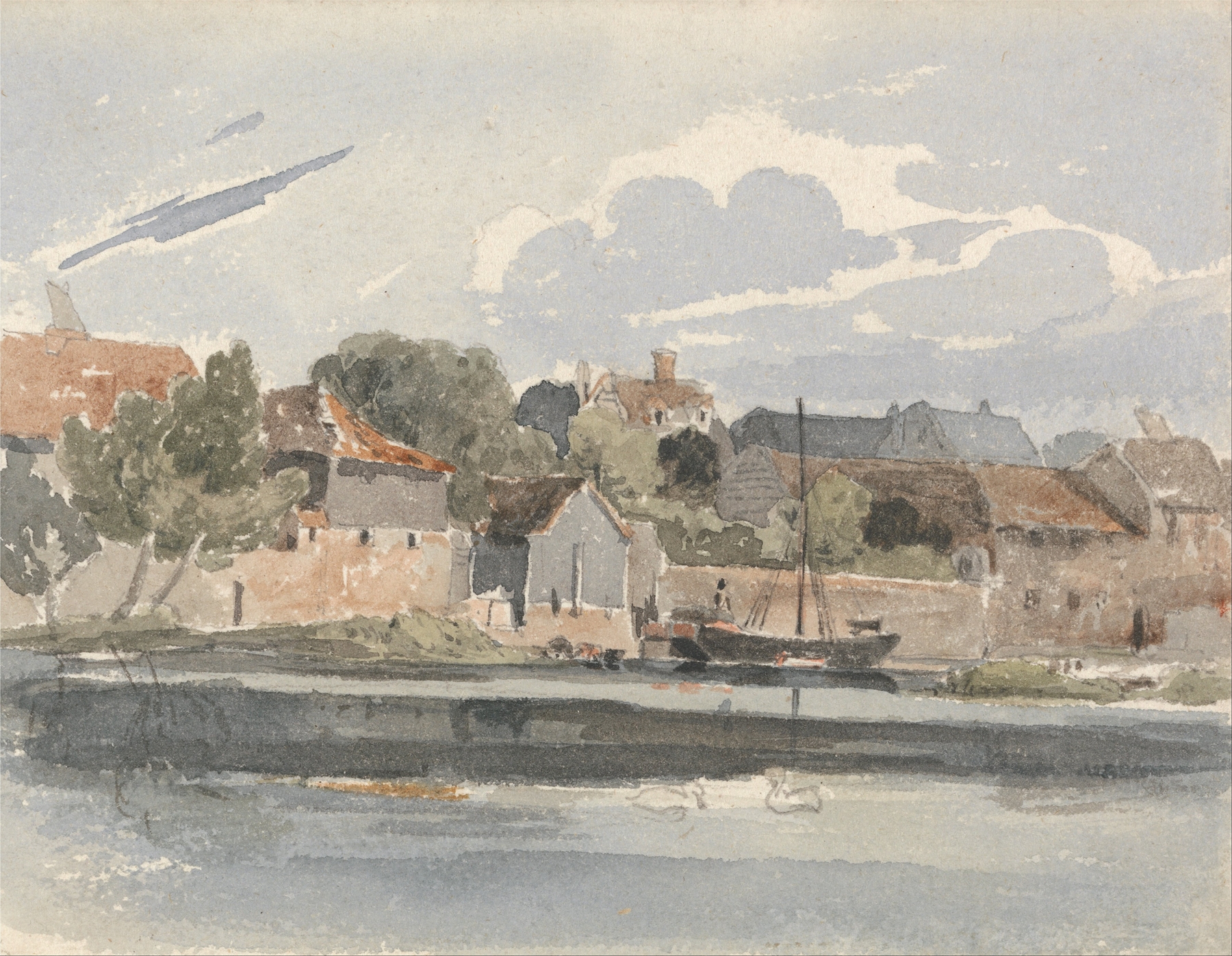
Is this a mirror — or a memory? The tranquil waters of the Thames invite contemplation, a reflection of both the lush landscape and the emotions stirred by nature's beauty. Focus on the gentle undulations of the river as it stretches across the canvas, drawing your gaze towards the soft hues of green and blue that blend seamlessly with the pale sky. Notice how the artist employs delicate brushstrokes to convey the shimmering light on the water's surface, creating a sense of movement and tranquility.
The trees lining the banks stand tall, their shadows spilling across the ground, while a few scattered boats grace the scene, hinting at life and activity just beyond the stillness. The emotional tension in this artwork lies in its serene simplicity contrasted with a subtle undercurrent of longing. The interplay of light and shadow evokes a sense of nostalgia, as if the viewer is peering into a cherished memory. This is further emphasized by the muted colors, which evoke the passage of time and the fleeting nature of beauty, inviting the onlooker to reflect on their own experiences by the water.
Peter DeWint created this piece during a time when the Romantic movement in art was gaining prominence, likely around the mid-19th century. Living in England, he was influenced by the picturesque qualities of his surroundings and the growing appreciation for landscape painting. As he captured the Thames at Kingston, he sought to express not just the beauty of nature but also the emotional responses it evokes, resonating with a broader cultural shift towards reverence for the natural world.