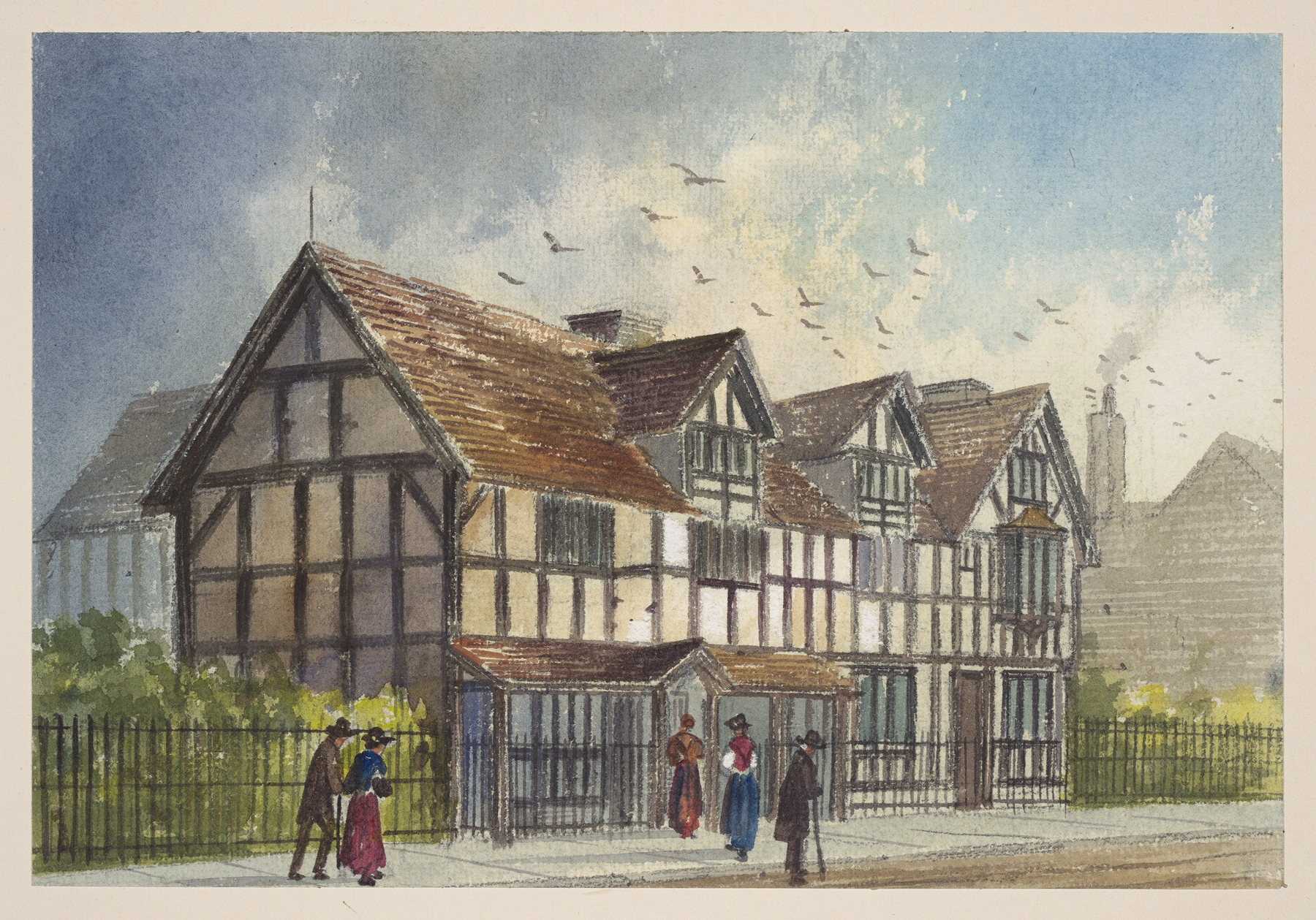
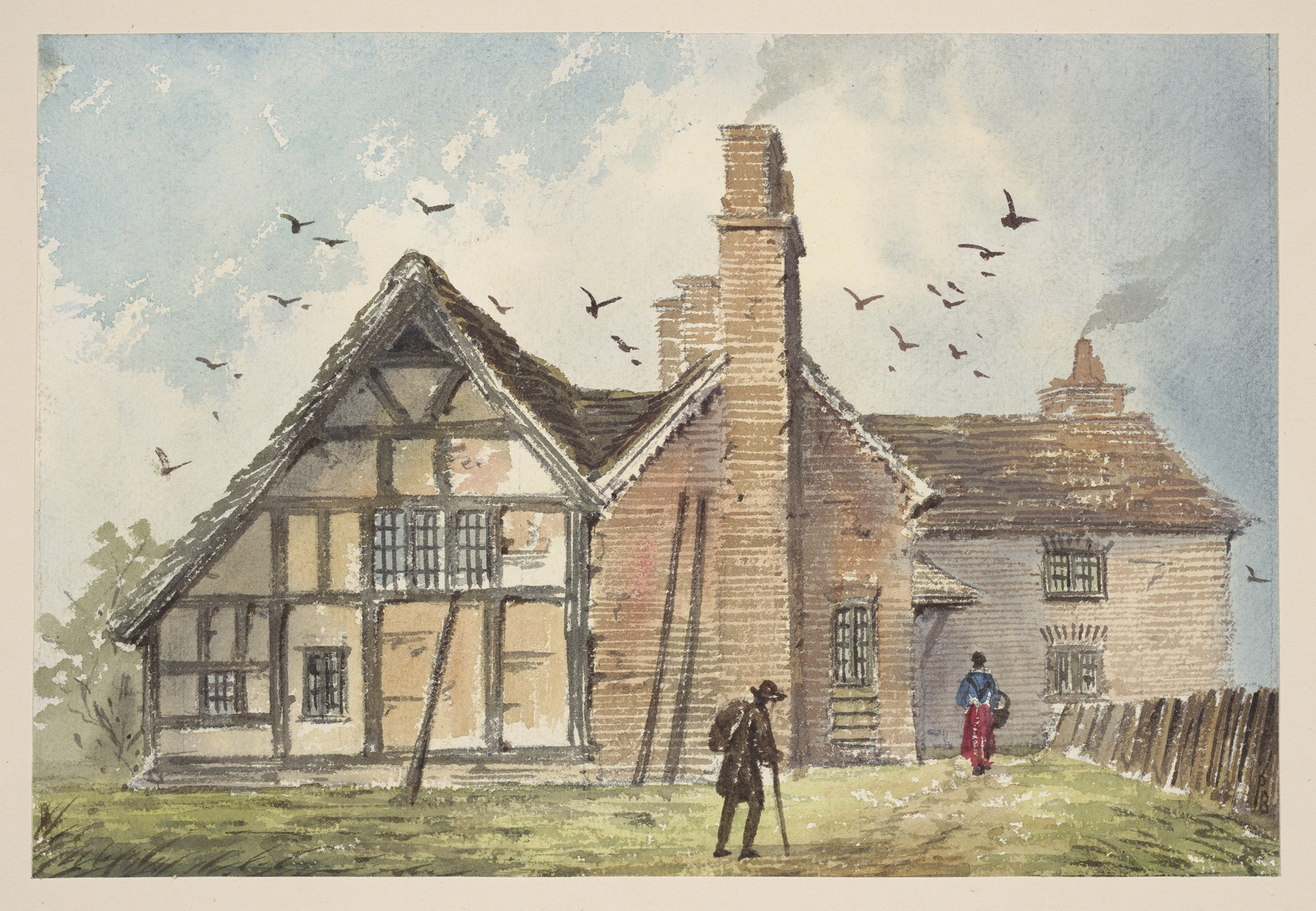
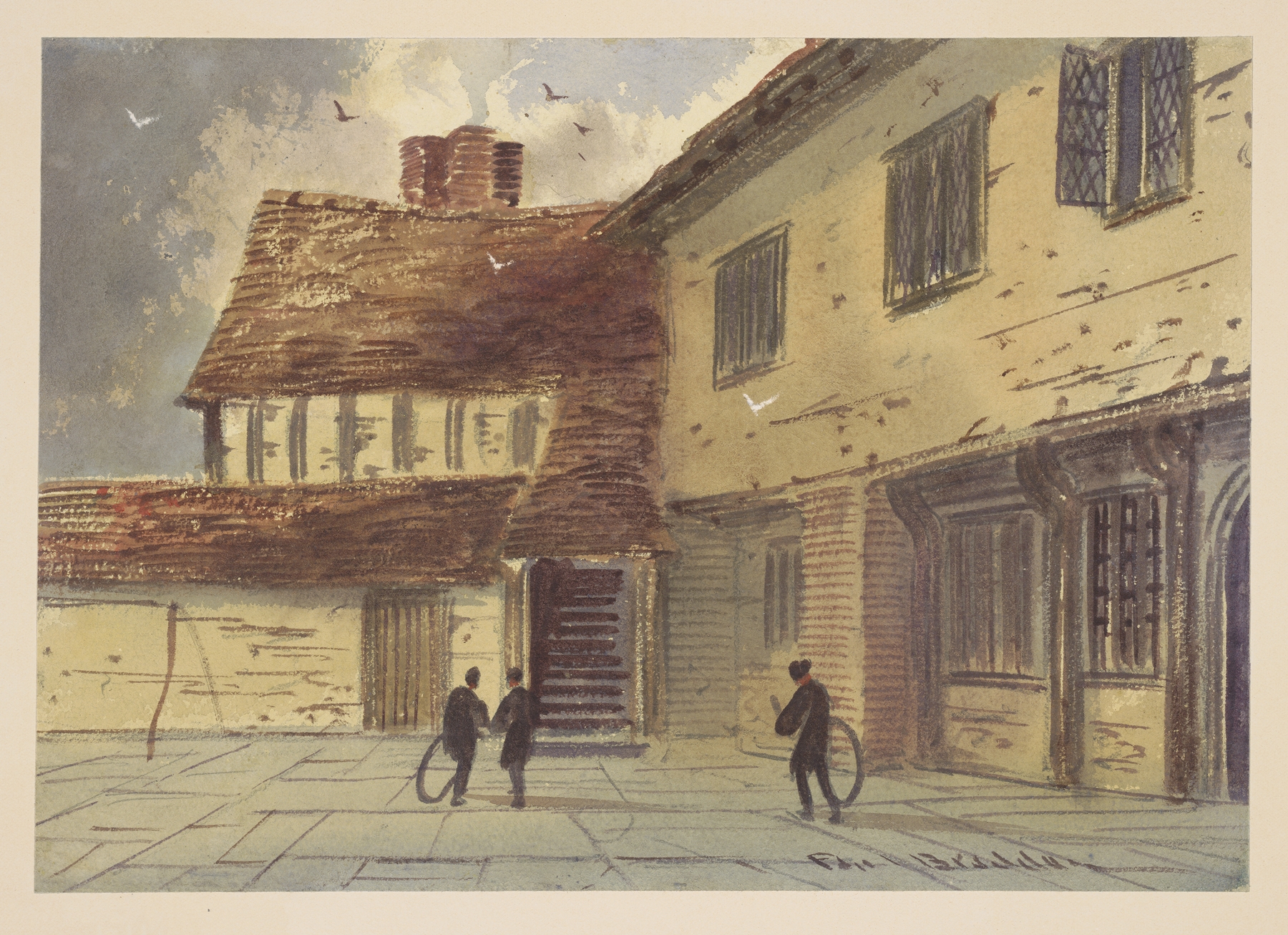
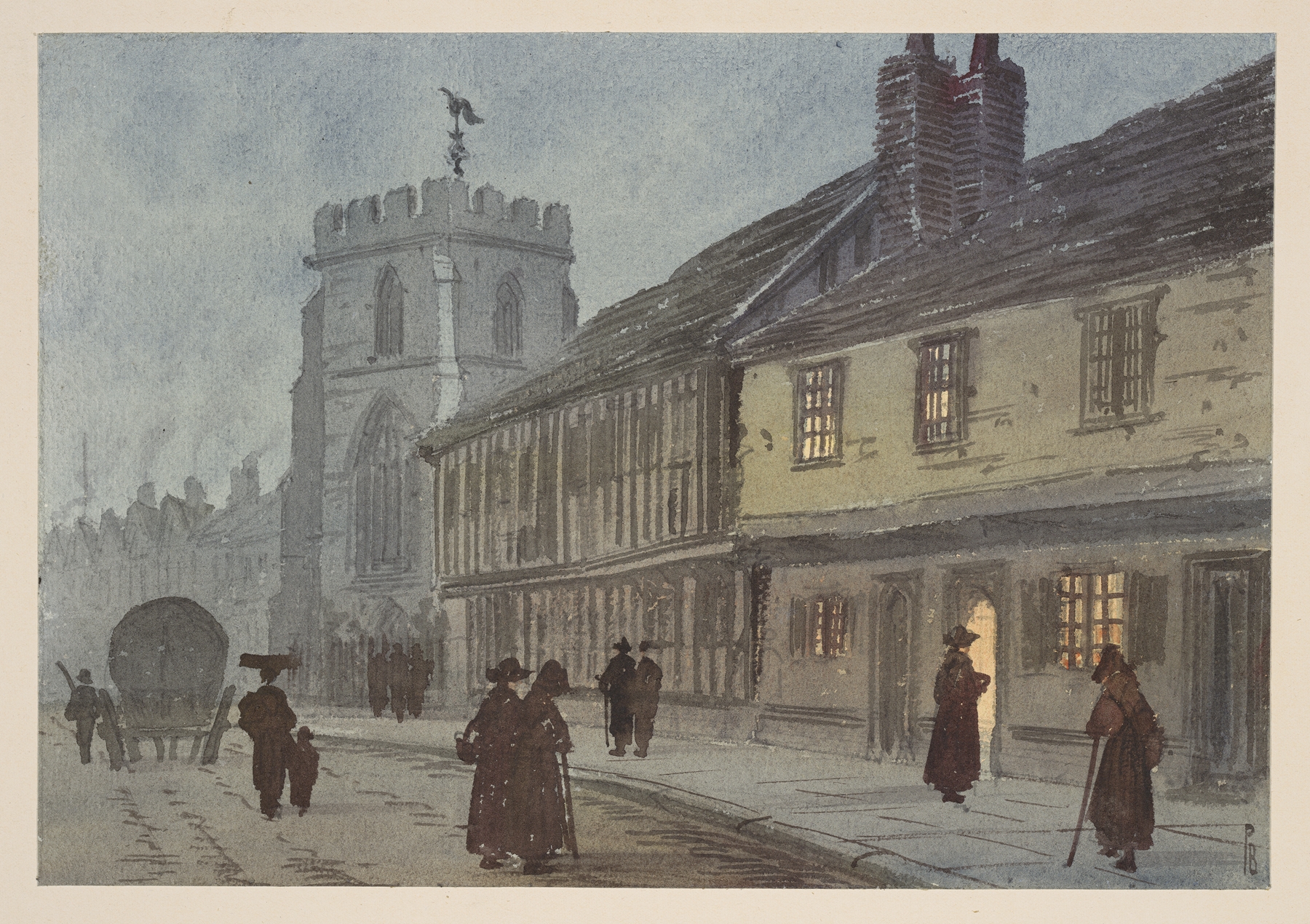
Haunts of Shakespeare Pl.03 — History & Analysis
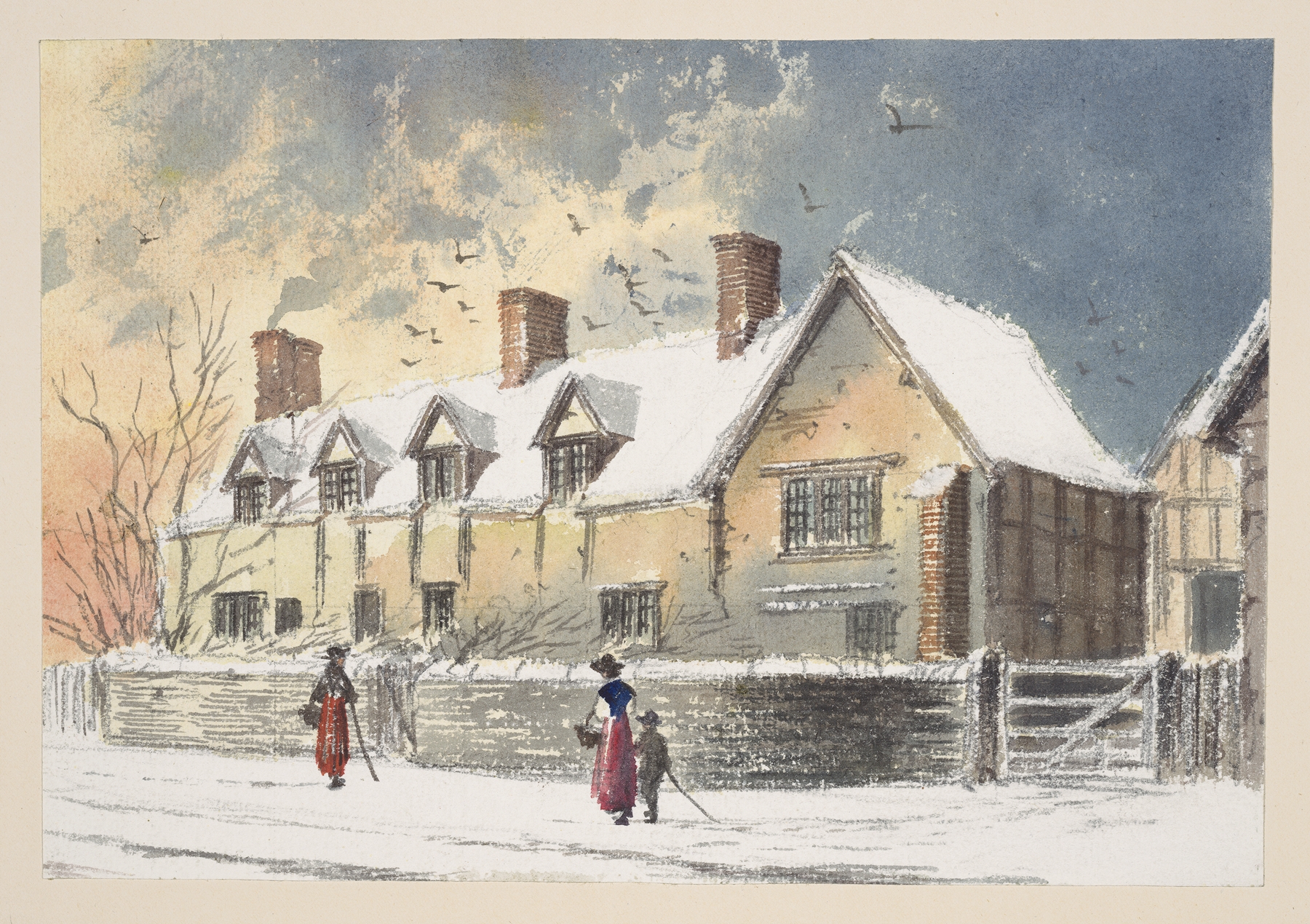
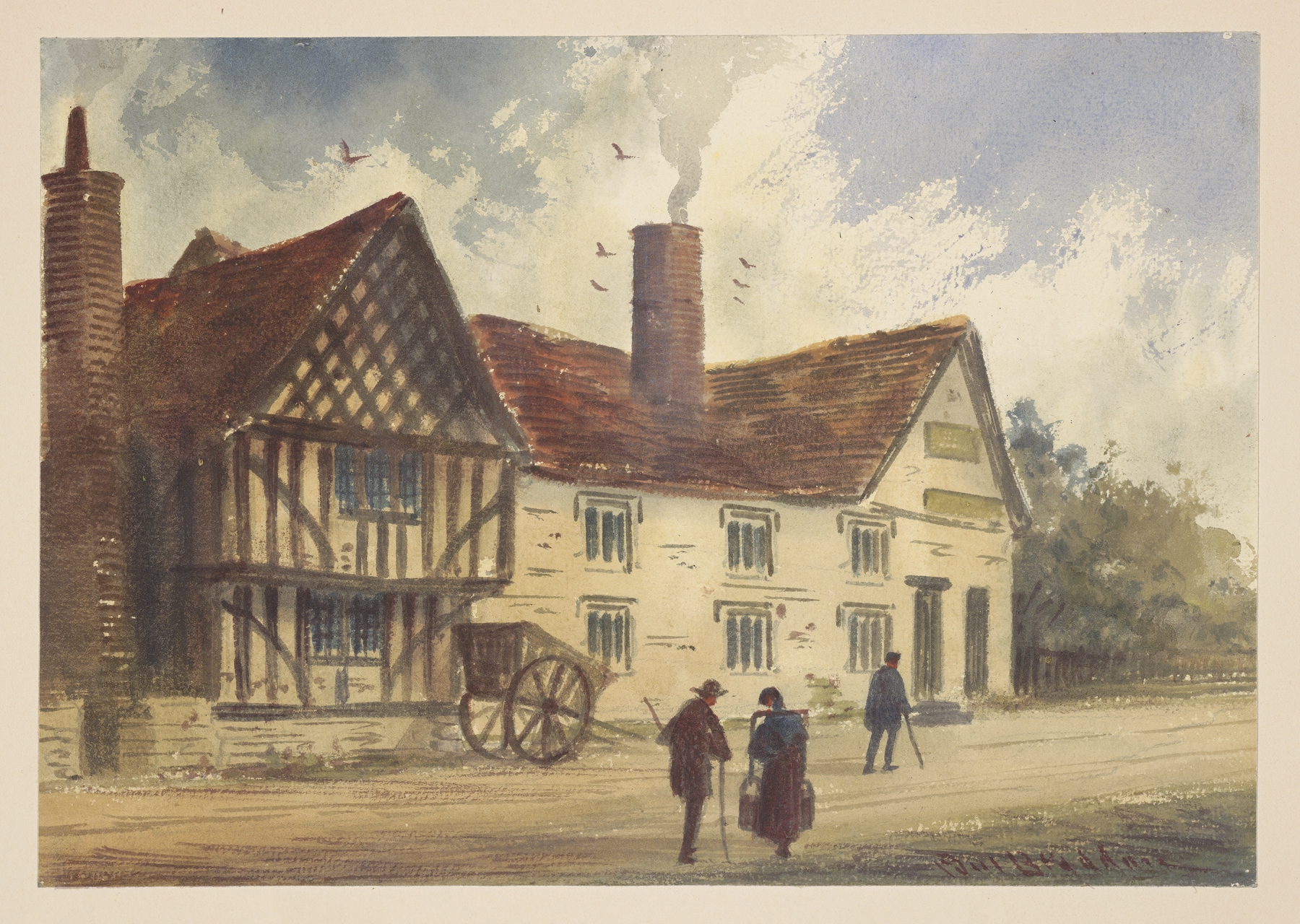
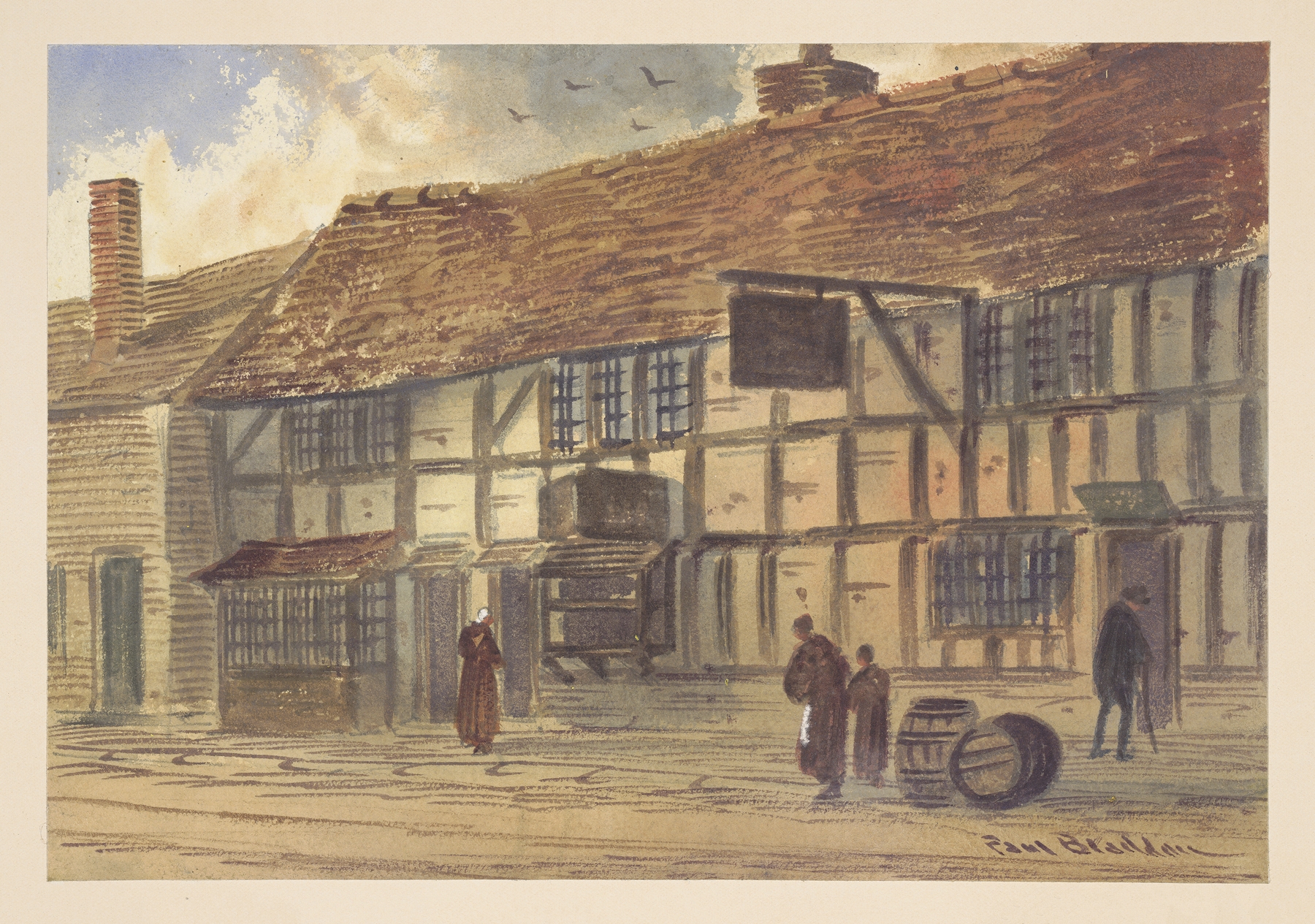
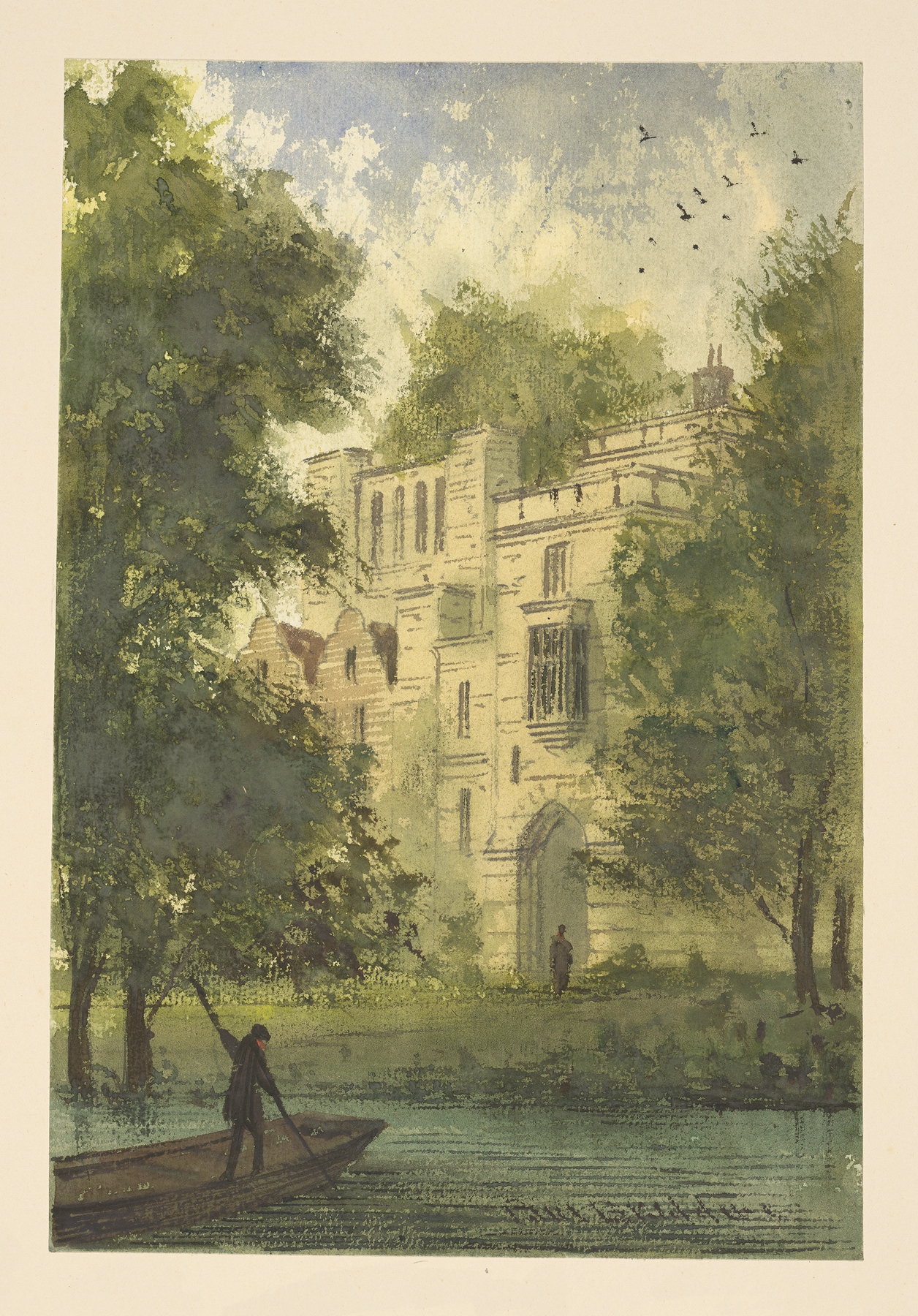
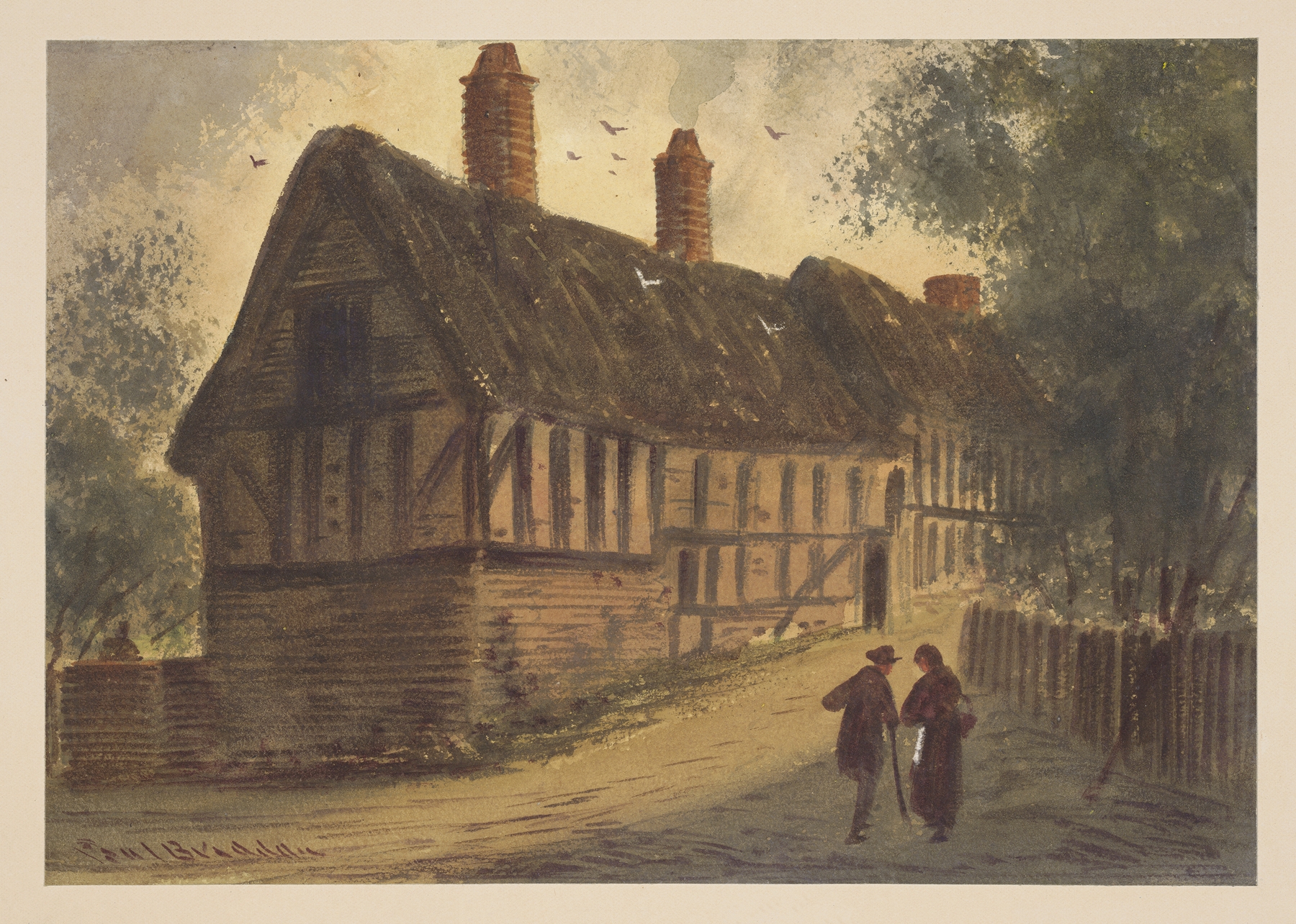
Can beauty exist without sorrow? In the stillness of memory, one often finds the traces of joy and pain intertwined. Look to the left at the figure cradled in the arms of twilight, an ethereal silhouette that invites contemplation. The delicate brushwork captures the soft glow of a fading sun, bathing the scene in warm hues of orange and gold. Notice how the landscape undulates gently, each stroke creating a sense of depth and whispering secrets of the past.
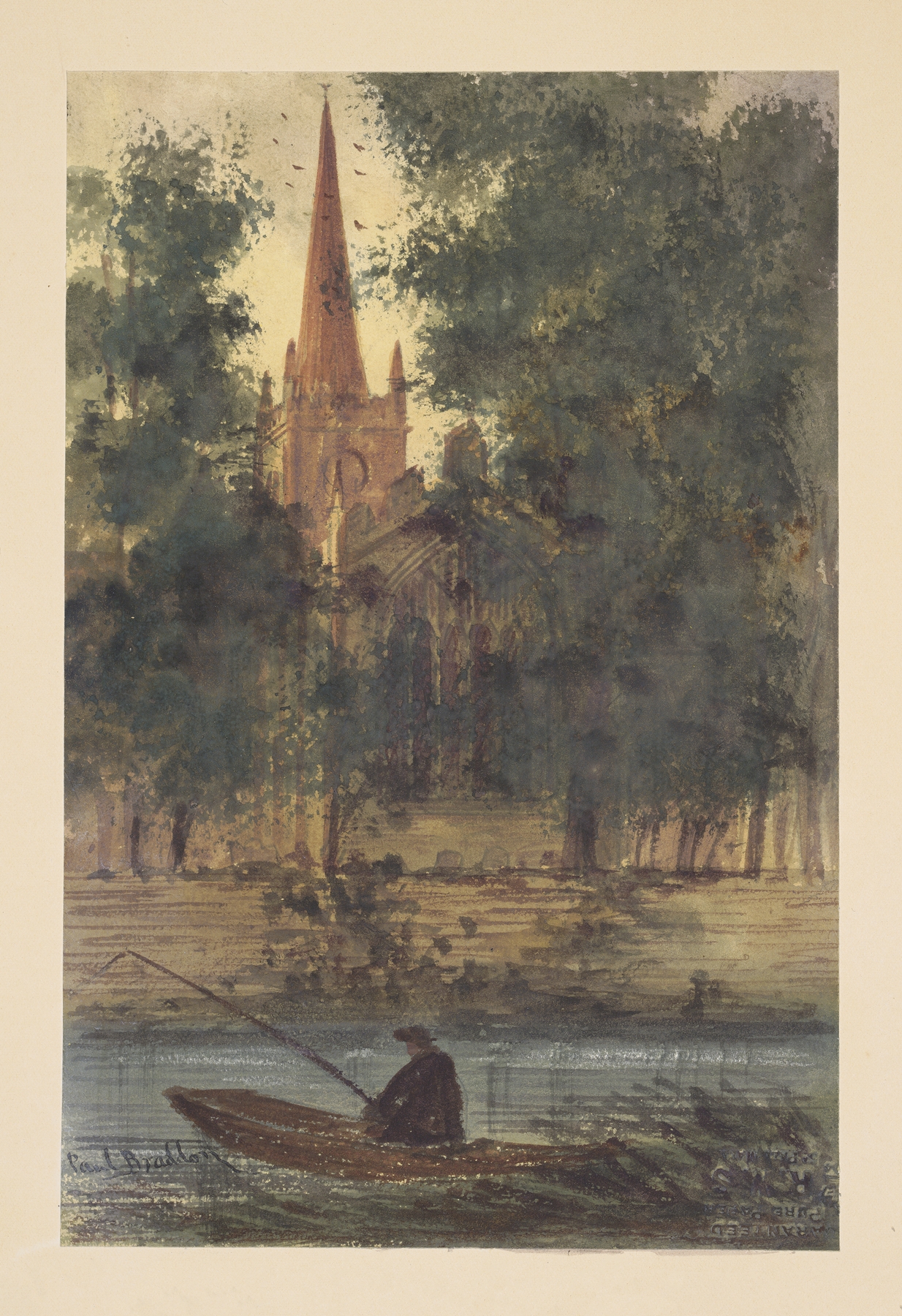
The rich, deep greens of the foliage contrast starkly with the luminous sky, evoking a bittersweet harmony — the fleeting nature of time, forever etched in this moment. Delving deeper, one can sense the tension between presence and absence. The ghostly figures lurking in the background suggest memories long faded yet deeply cherished. They echo the ephemeral nature of life, reminding us that every joy is often tinged with the shadows of what has been lost.
The artist's choice to blend past and present speaks to the universal human experience, where every beautiful moment carries with it the weight of remembrance. In the 19th century, the artist found himself navigating both artistic innovation and personal introspection. This period marked a resurgence of interest in Romantic ideals, as well as a fascination with literary figures like Shakespeare, whose works deeply influenced him. Painted during this time, this piece reflects not only Braddon's journey but also the broader cultural dialogue surrounding memory and emotion in art.