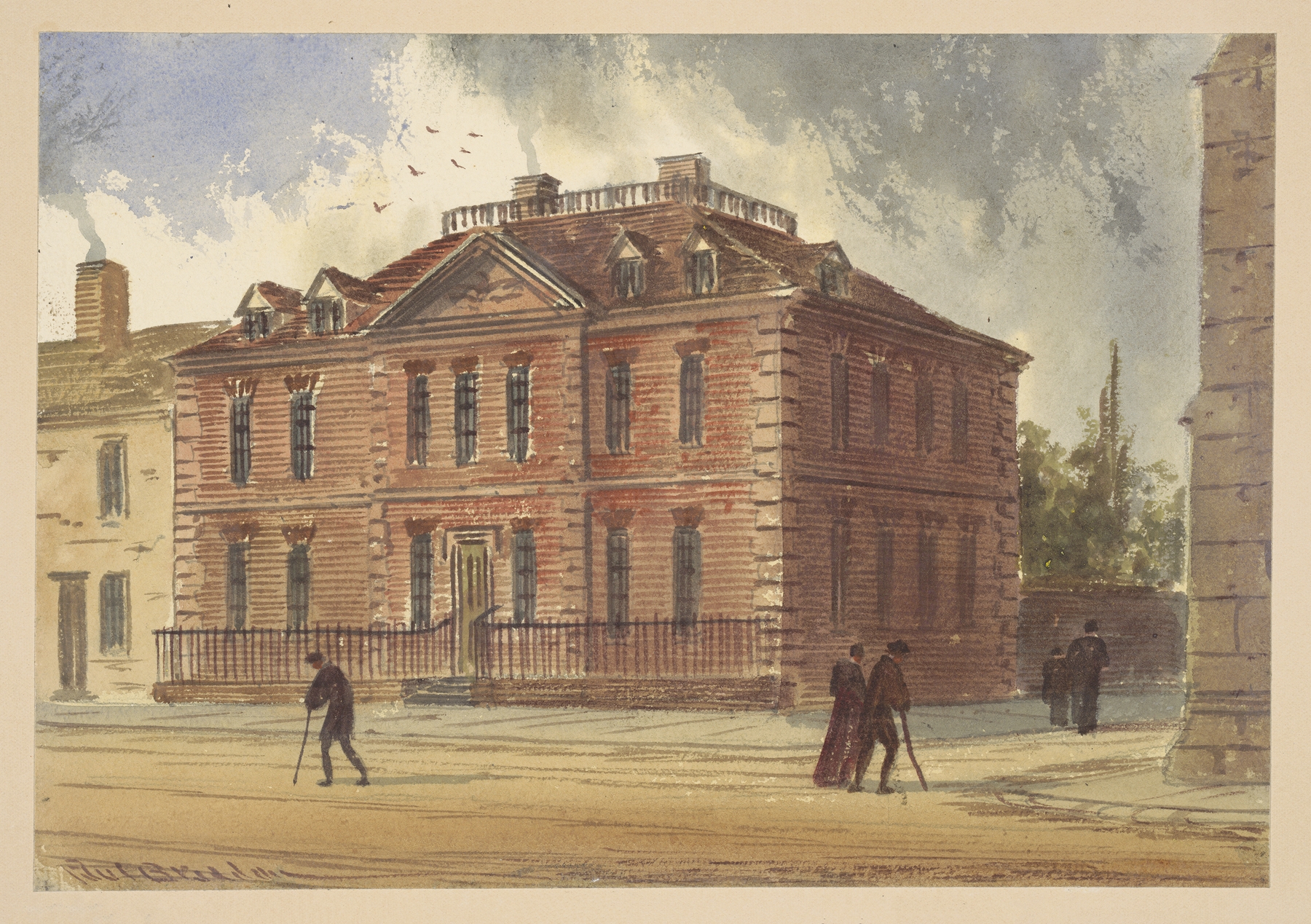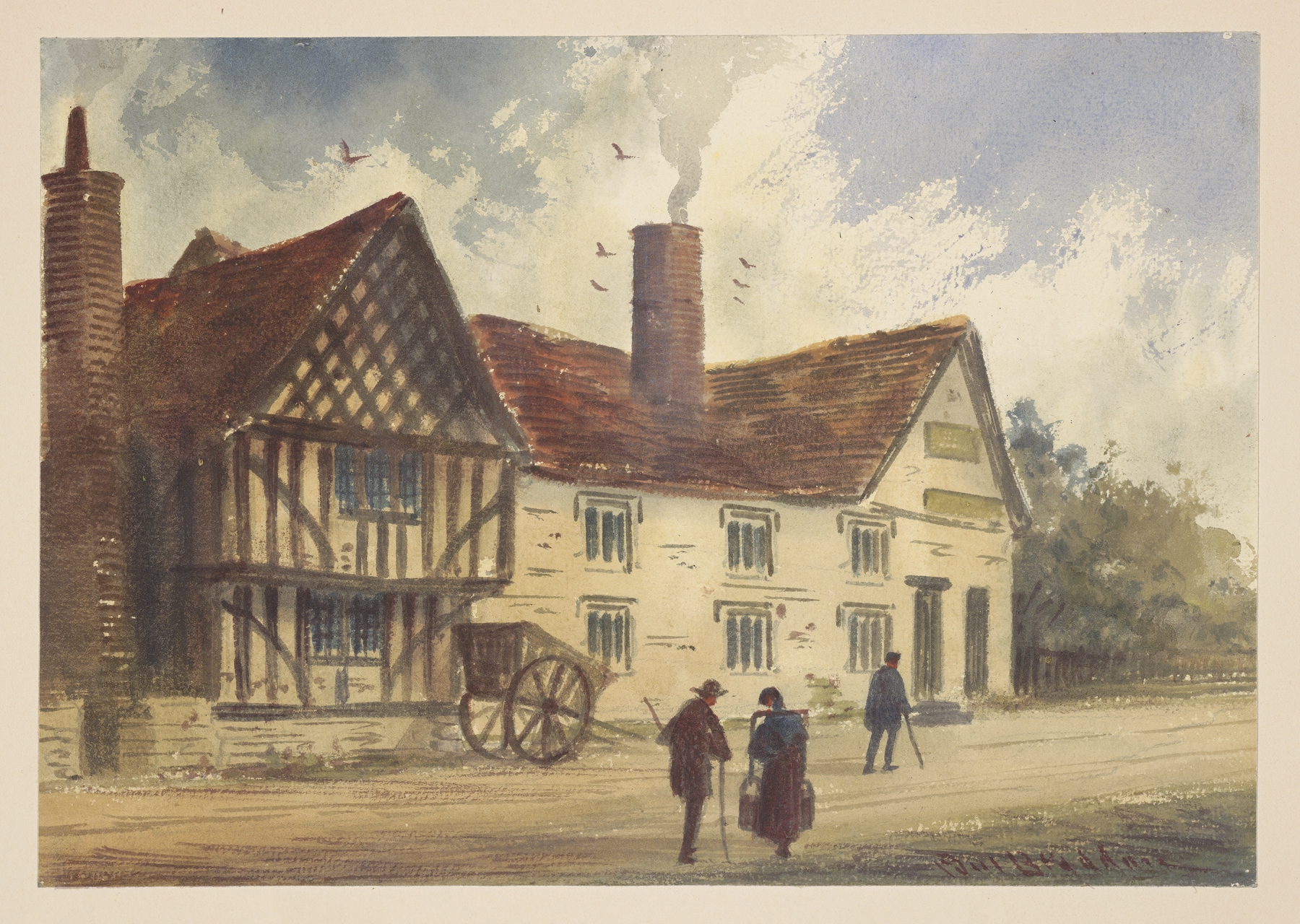
Haunts of Shakespeare Pl.12 — History & Analysis
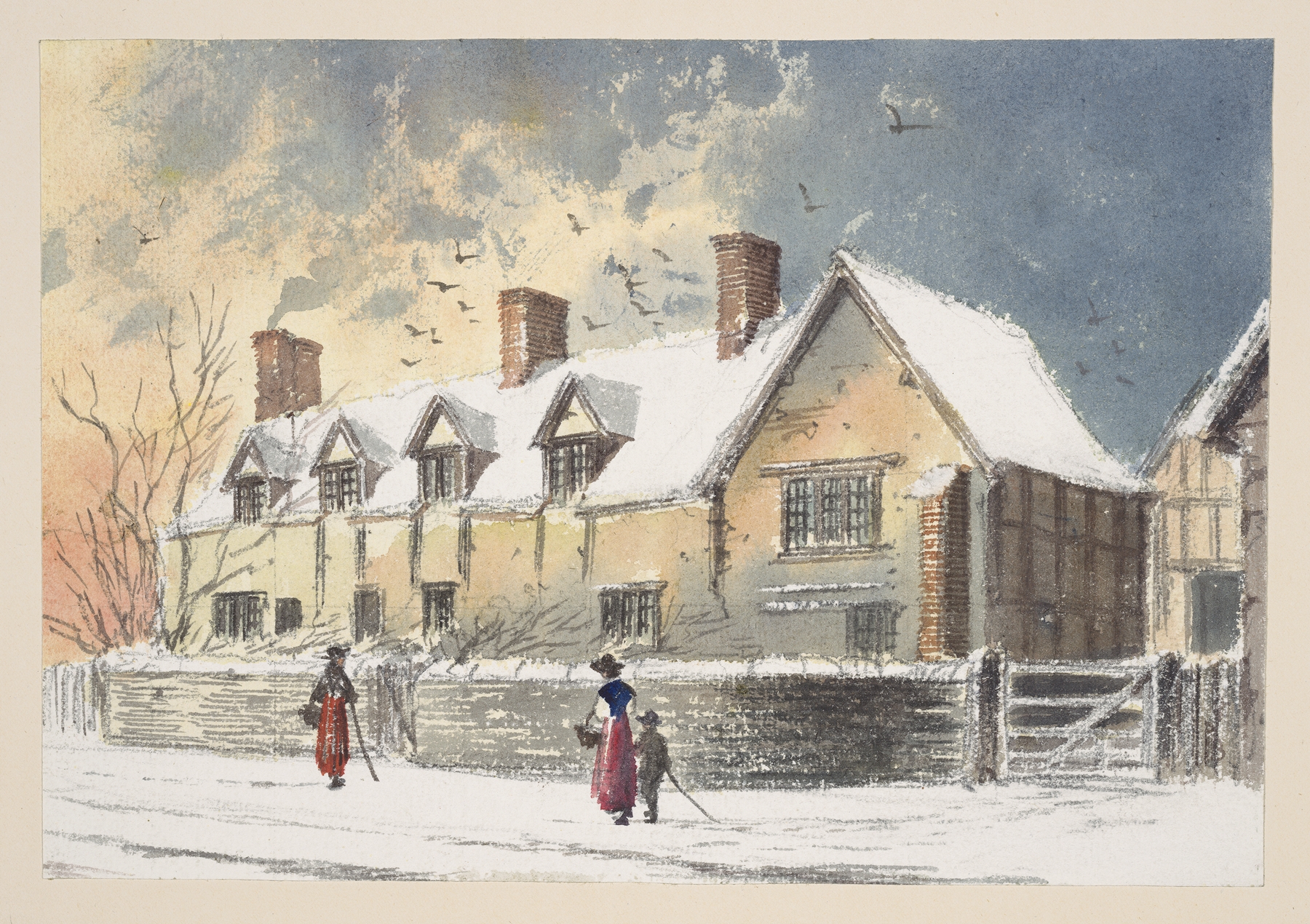
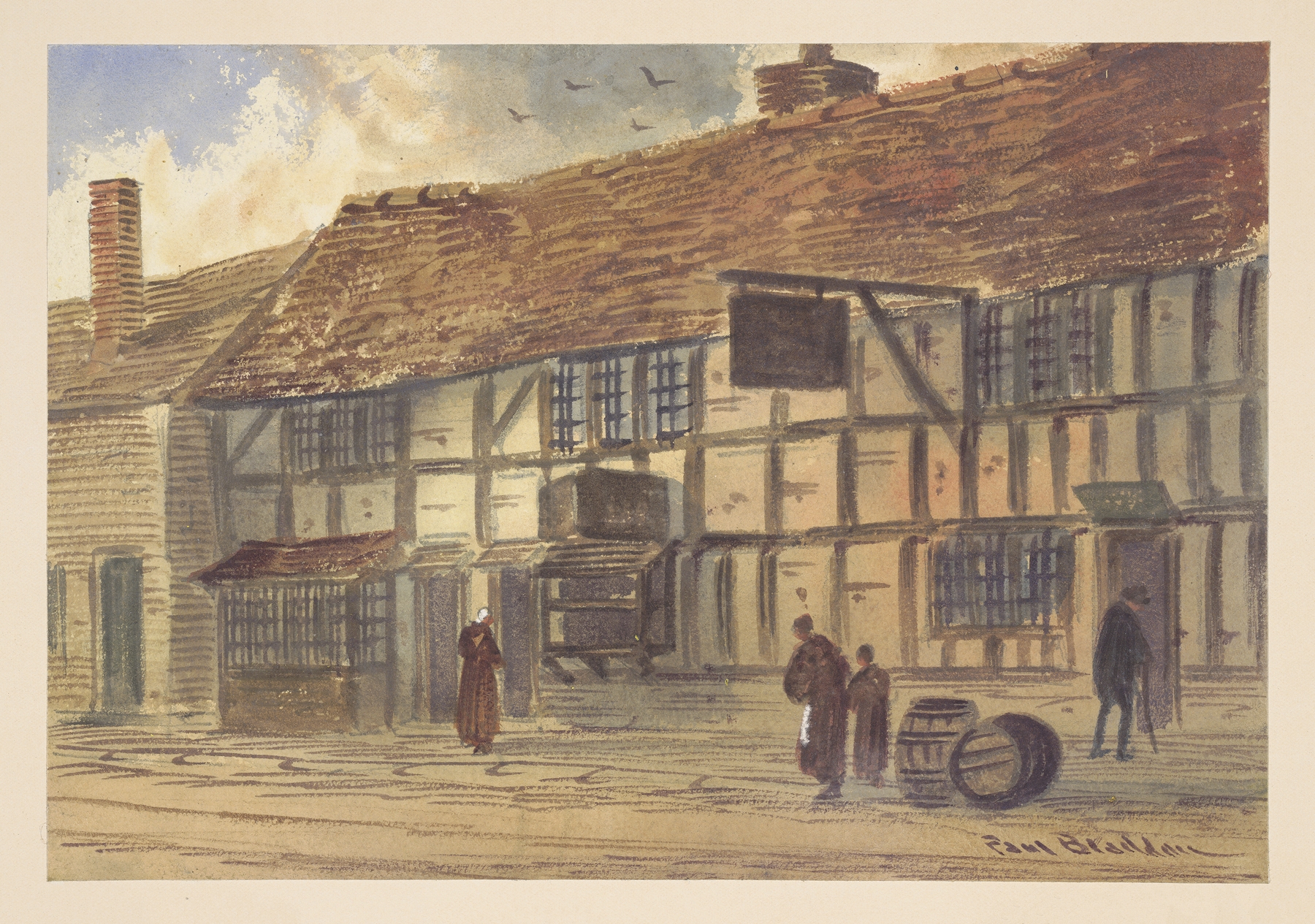
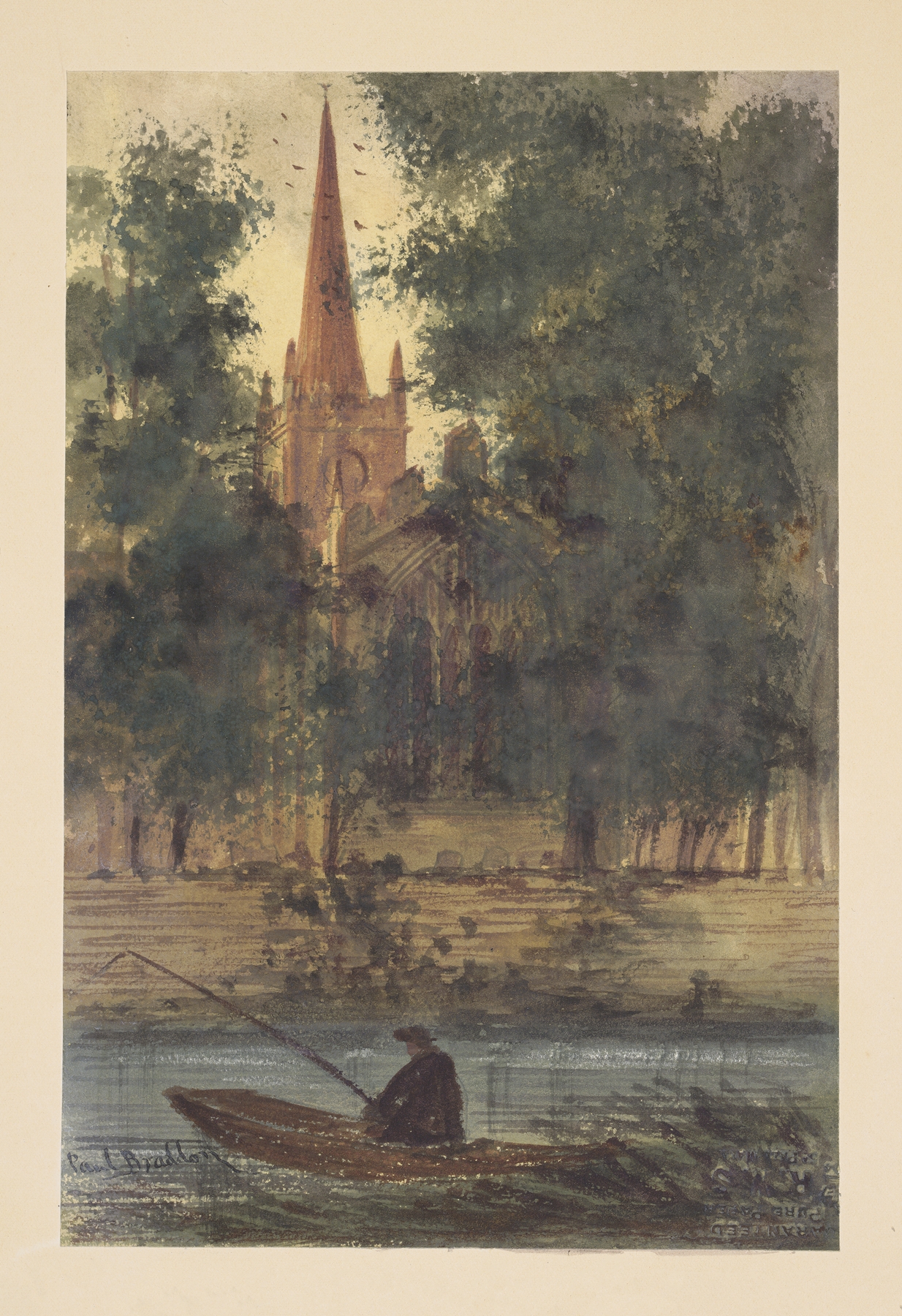
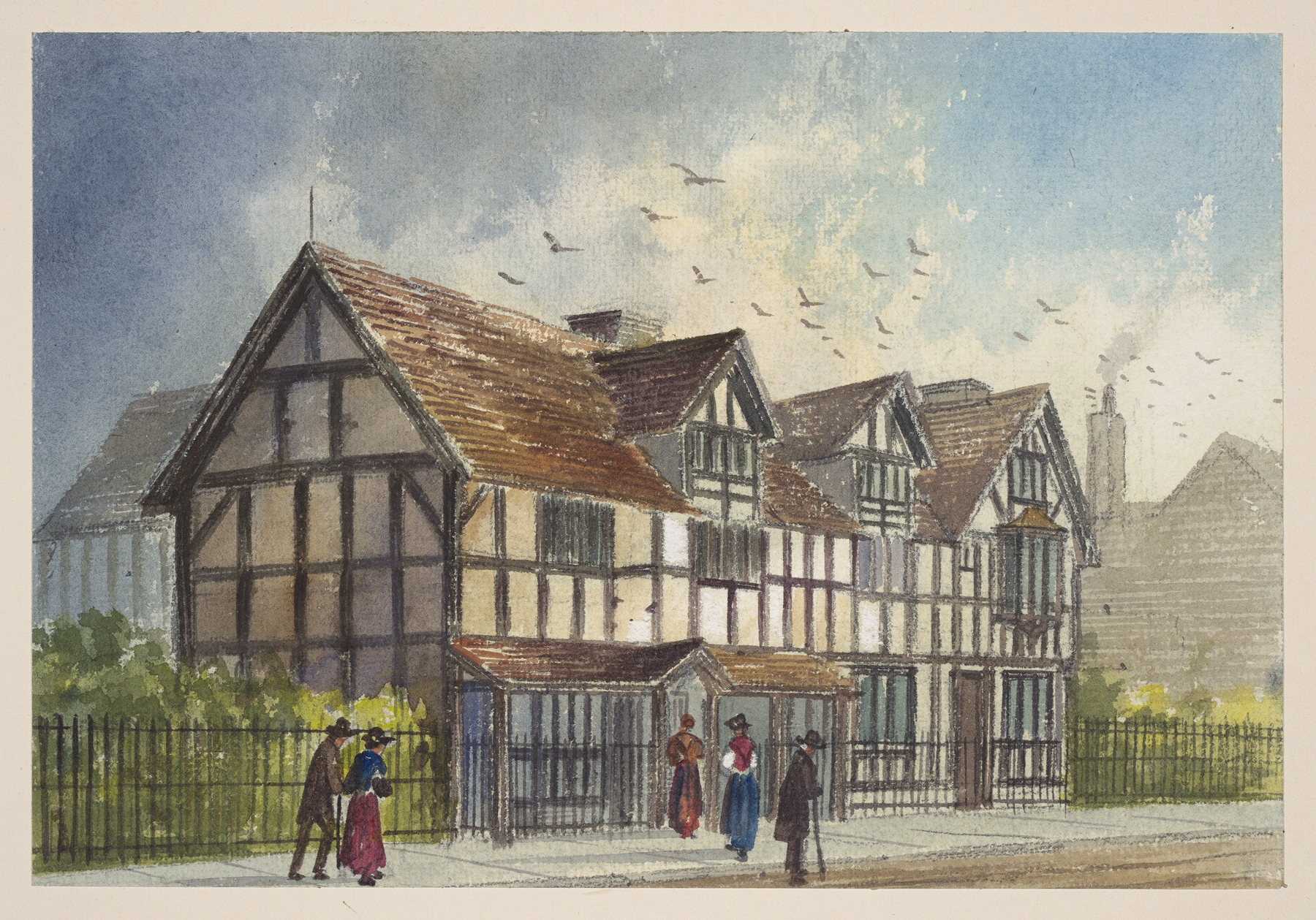
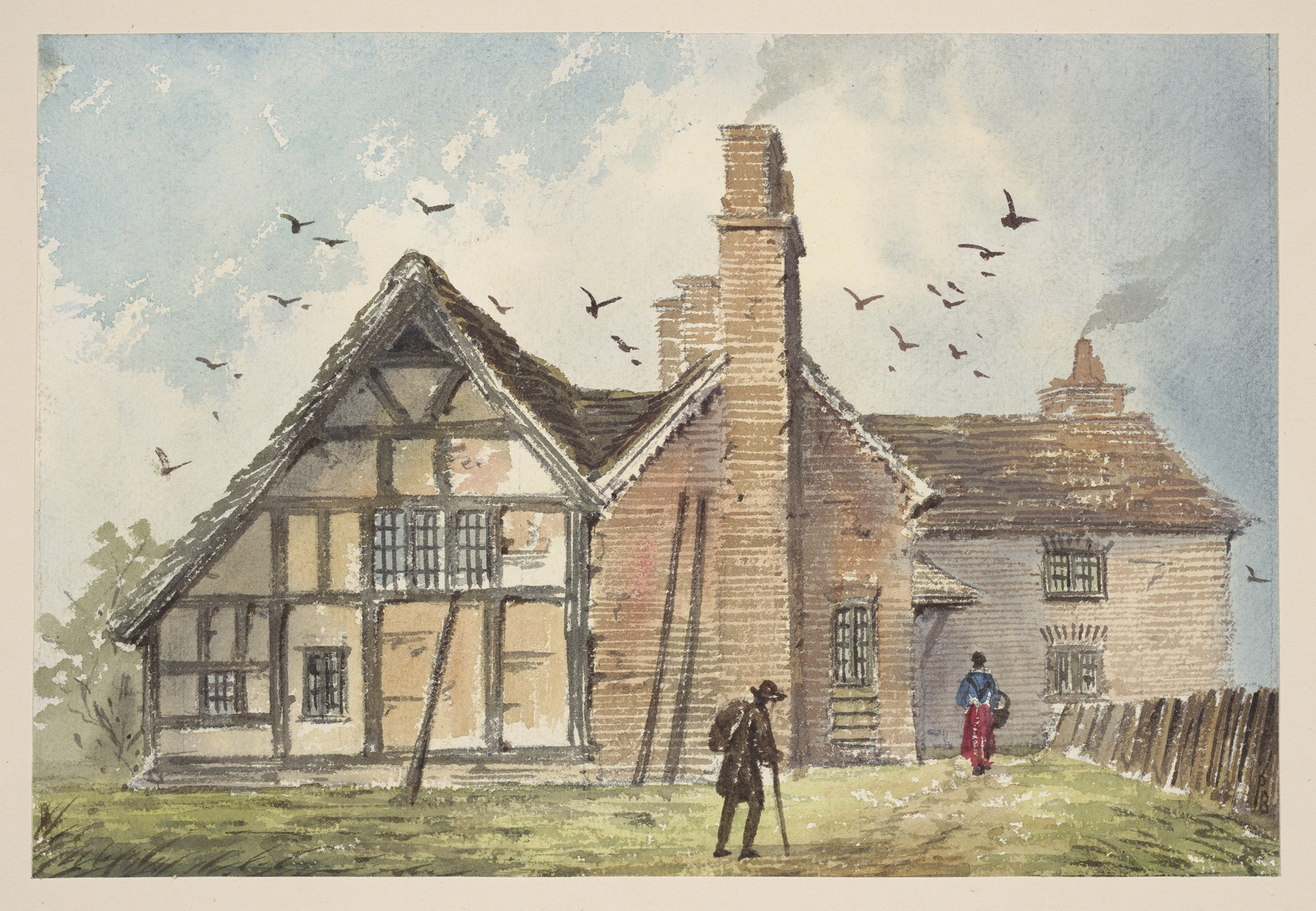
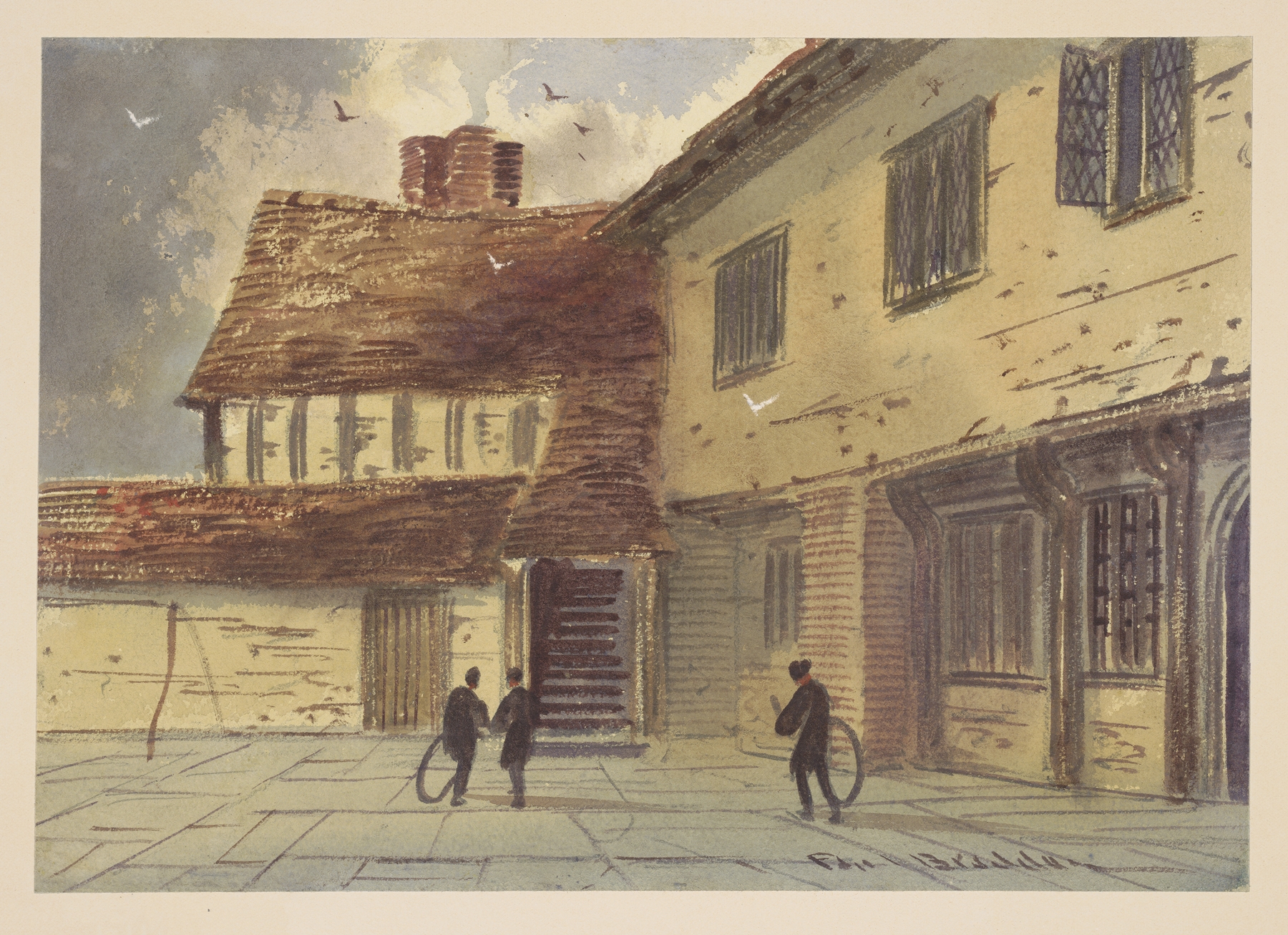
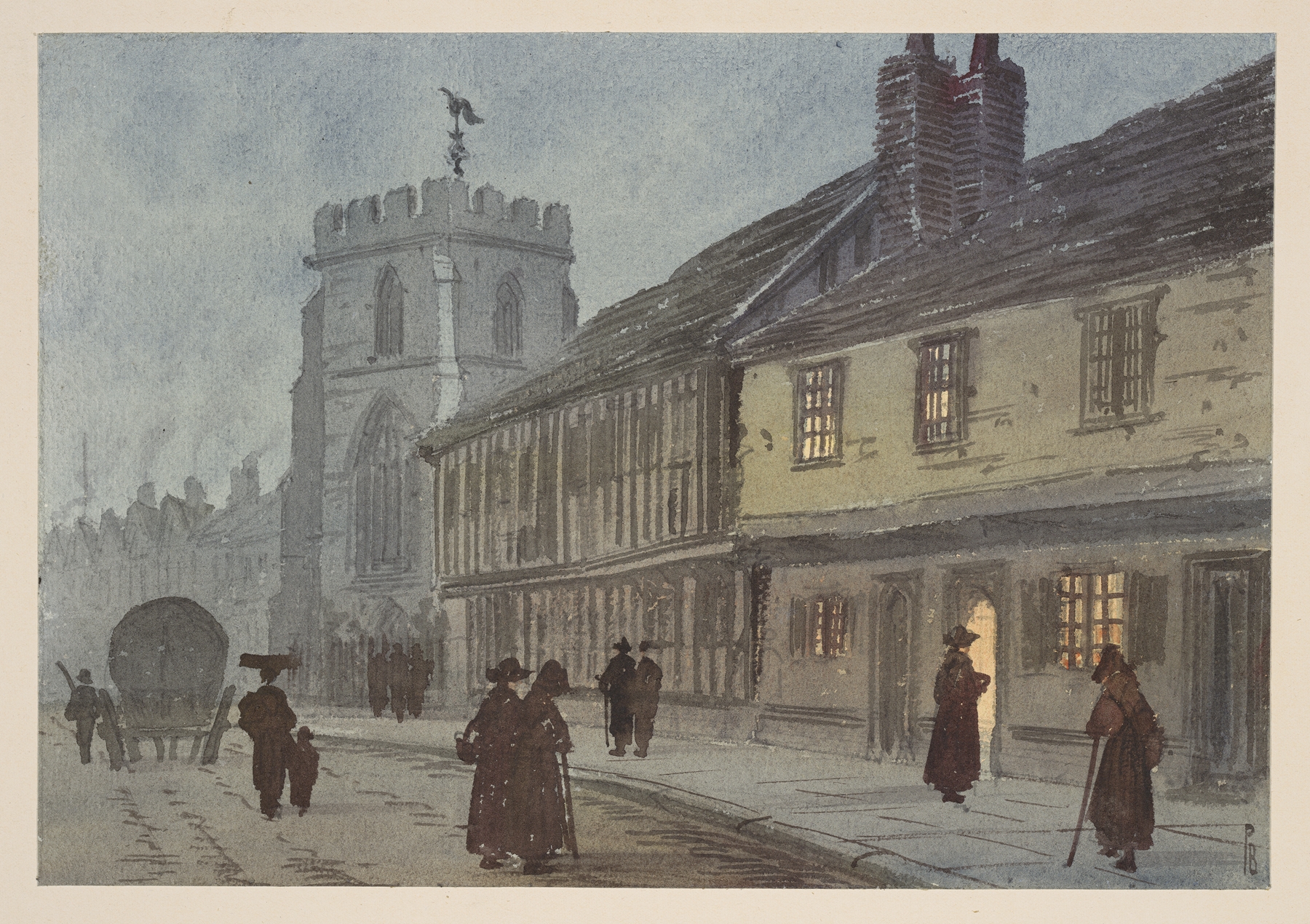
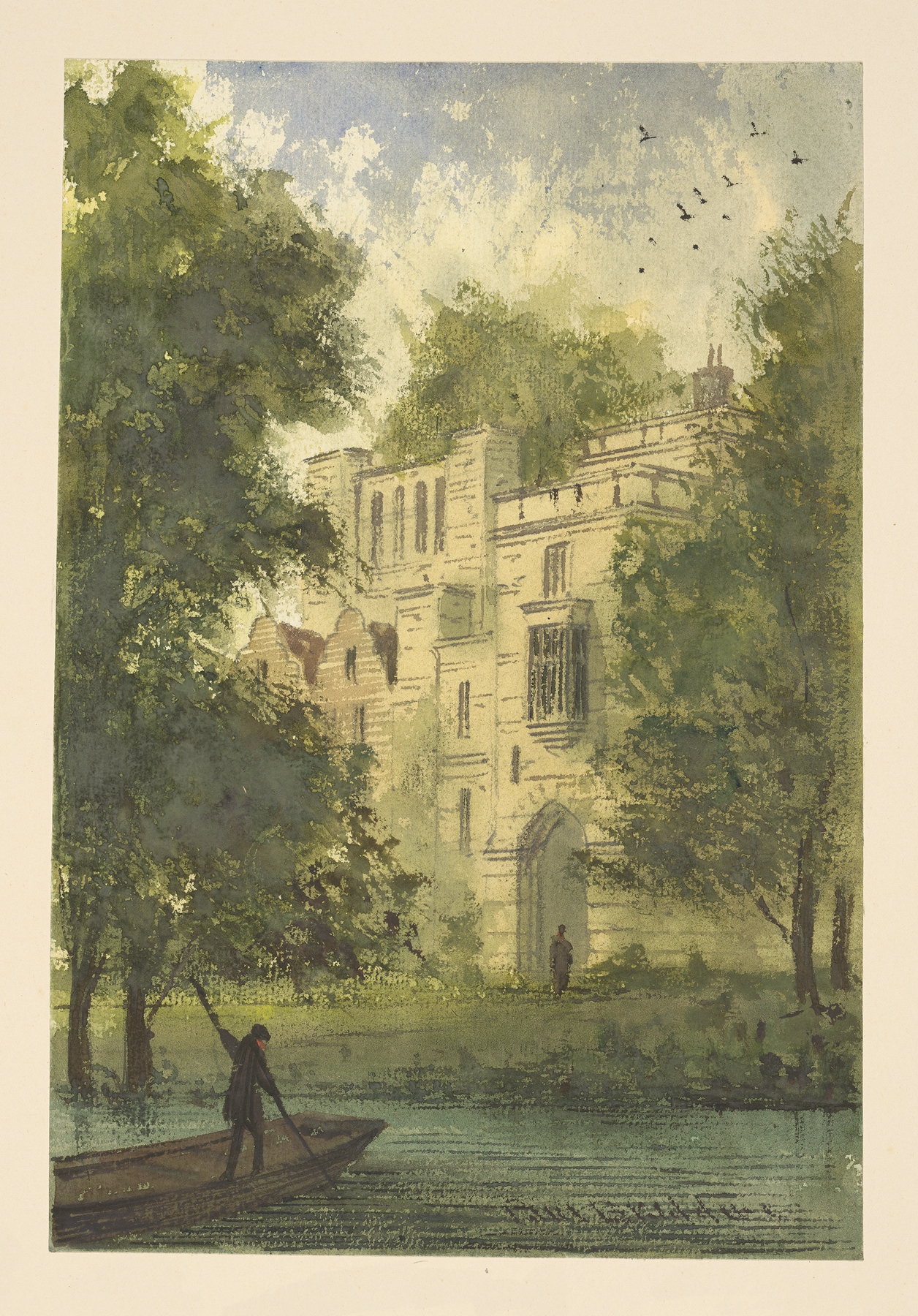
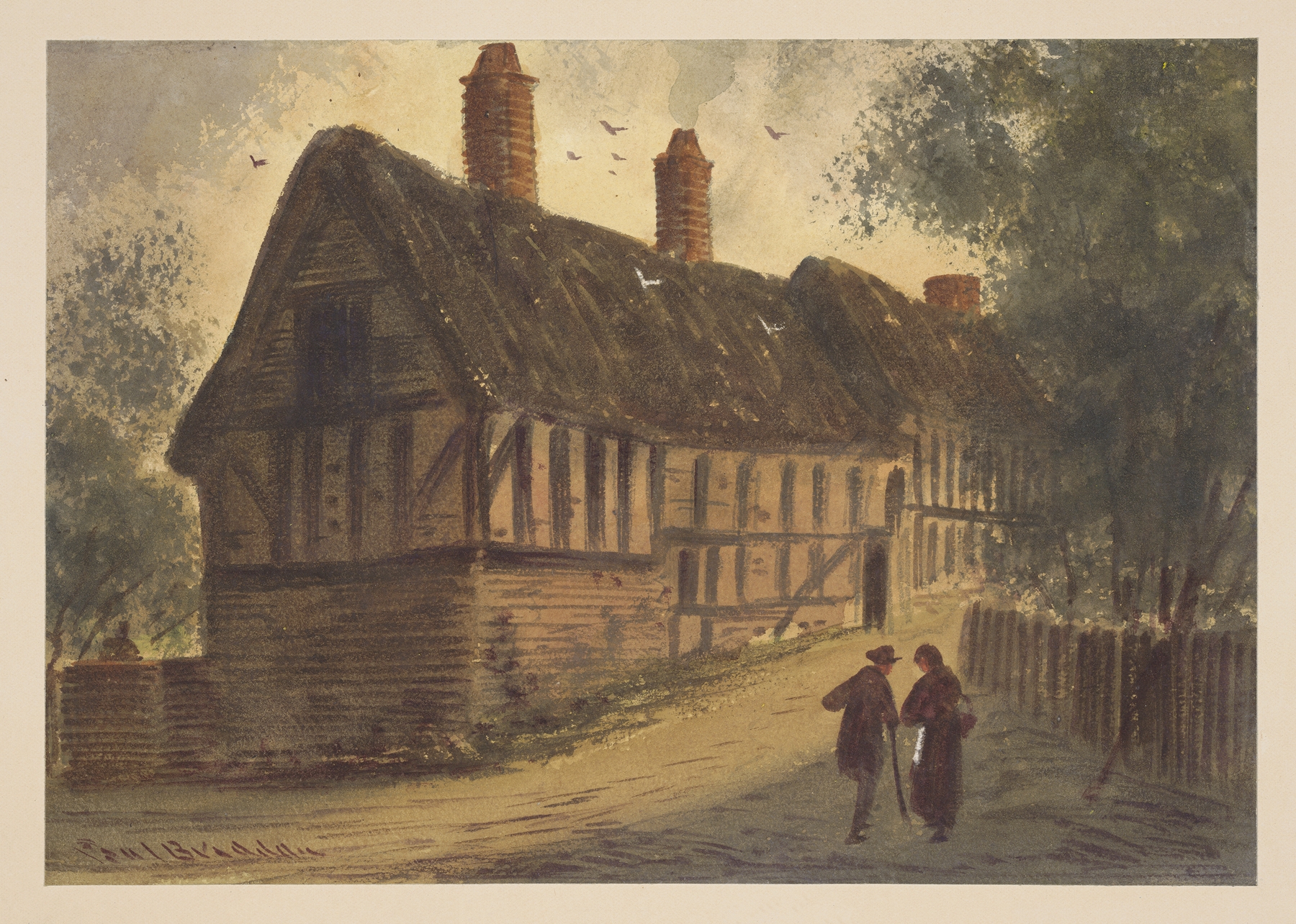
What if silence could speak through light? In the stillness of a moment, it whispers the legacy of history, echoing through the ages. Focus your gaze on the ethereal play of shadows and light that dances across the canvas. Notice how the warm, golden hues of sunlight filter through the dense foliage, illuminating the figures caught in their contemplation.
The composition leads your eye towards the central figure, poised gracefully, a quill in hand, poised between reality and reverie, as if about to inscribe words that will transcend time. The juxtaposition of the lively greens against the somber browns evokes a tension between nature's vibrancy and the weight of human endeavors. Delve deeper to reveal the subtle nods to Shakespearean themes, where the ethereal presence of the past mingles with the present. Each brushstroke carries an emotional weight, suggesting both the beauty and transience of legacy, as the viewers feel the soft pull of inspiration amidst the surrounding tranquility.
In the 19th century, Paul Braddon created this work during a period of renewed interest in Shakespeare's life and influence on literature and art. Living in England, where Romanticism flourished, he sought to capture the poetic essence of historical figures, navigating the complexities of artistic identity amid the cultural resurgence of his time. Braddon's exploration in Haunts of Shakespeare Pl.12 reflects a deep connection to the past, illuminating the pathways of creativity and remembrance.