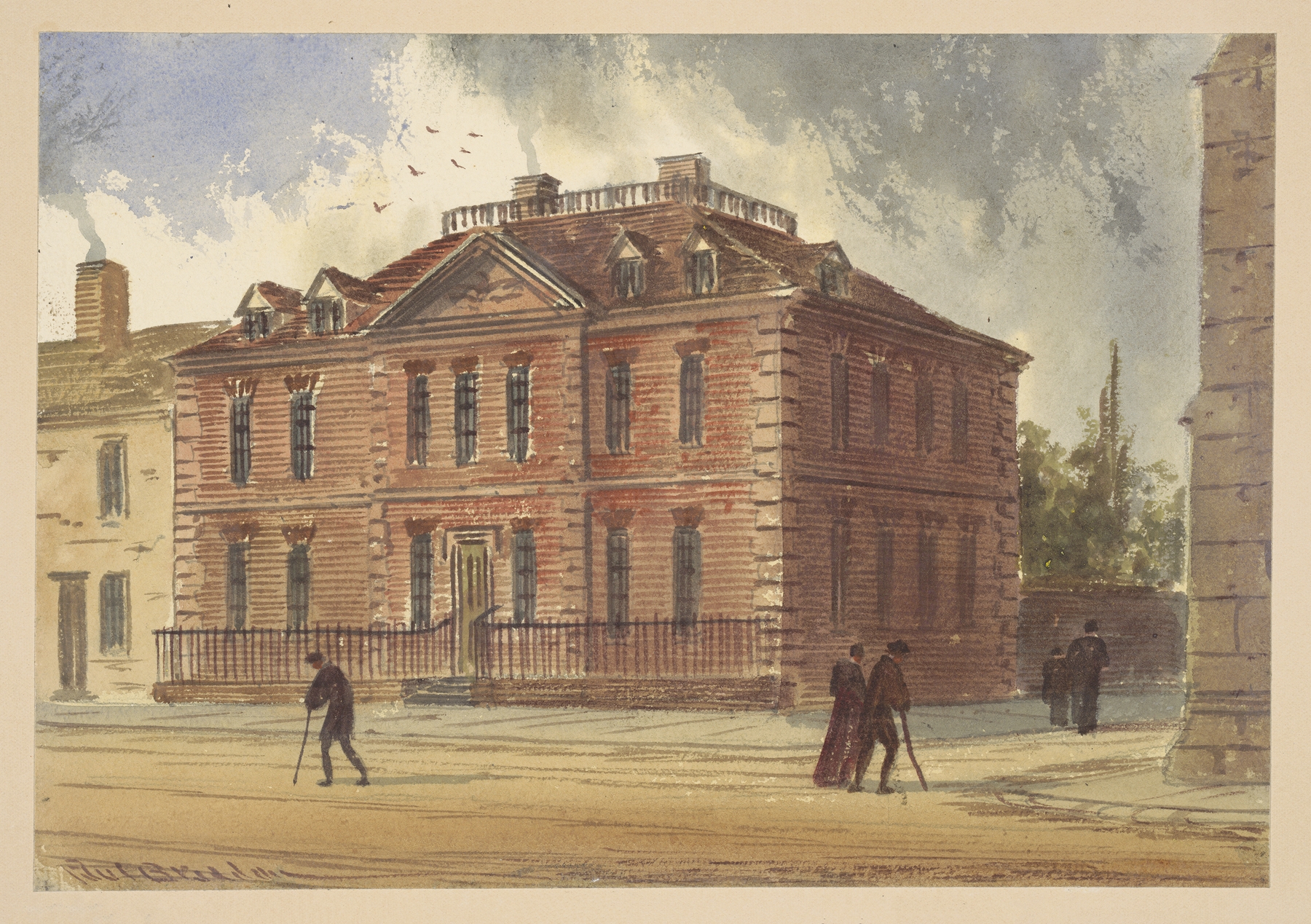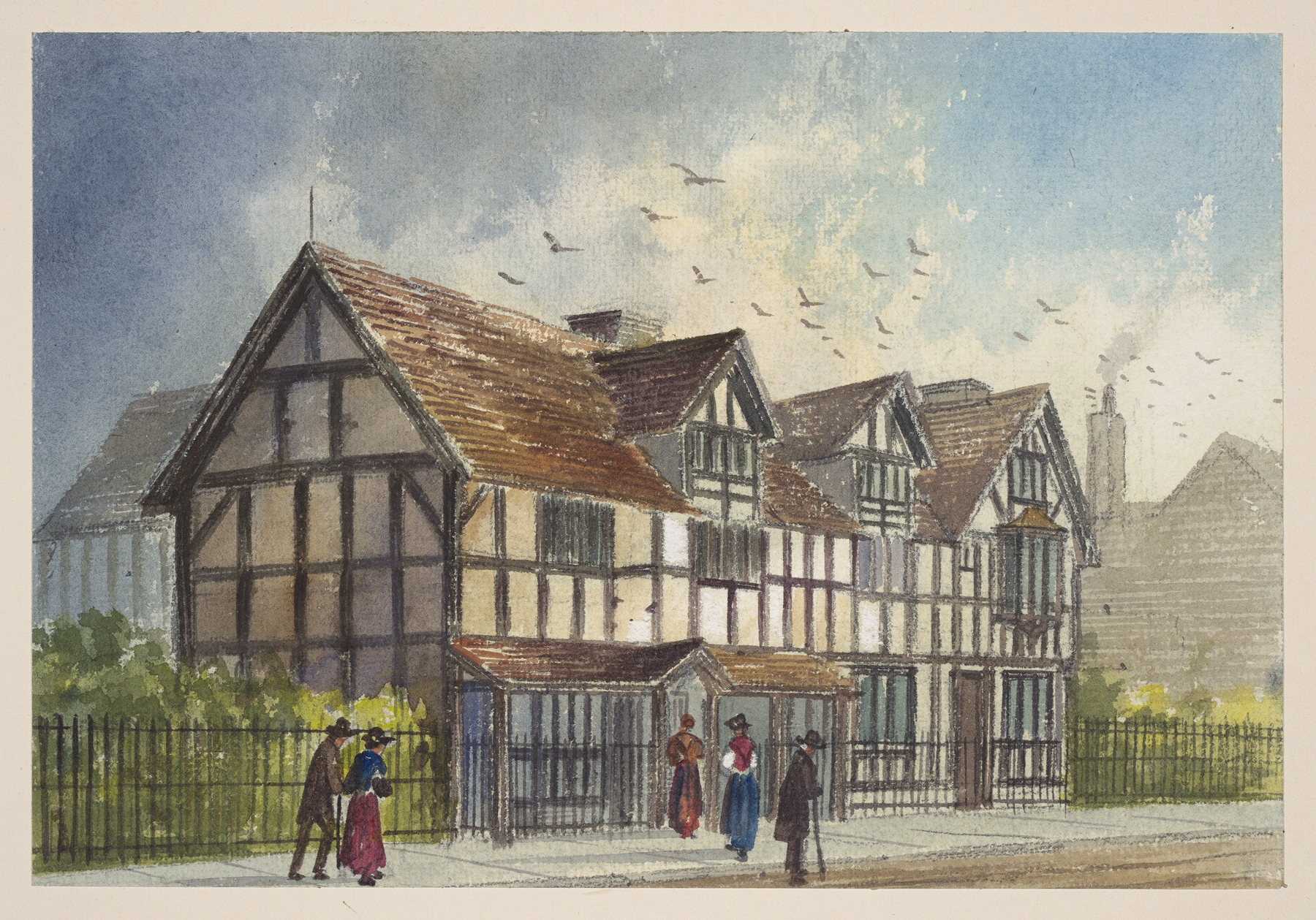
Haunts of Shakespeare Pl.18 — History & Analysis
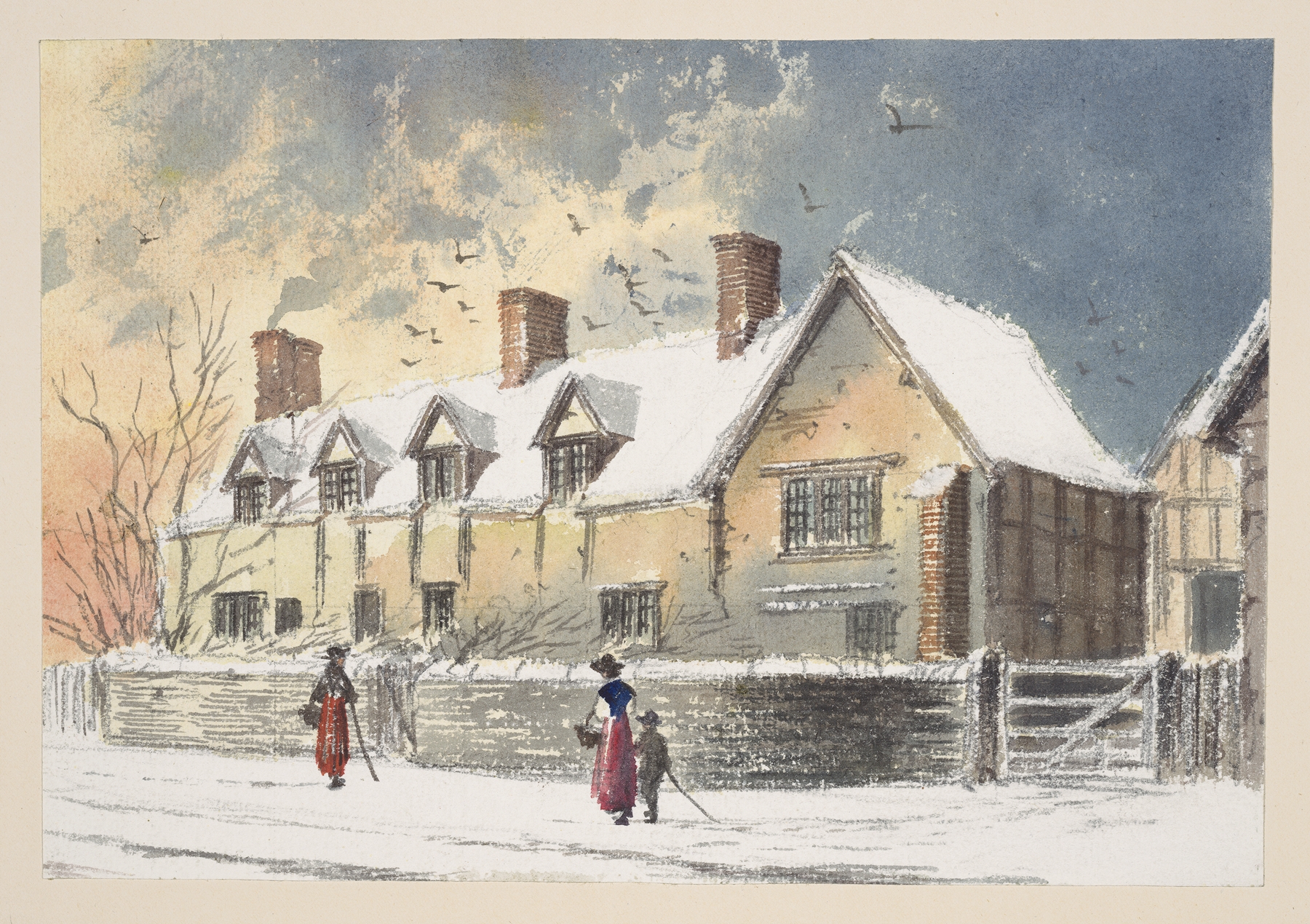
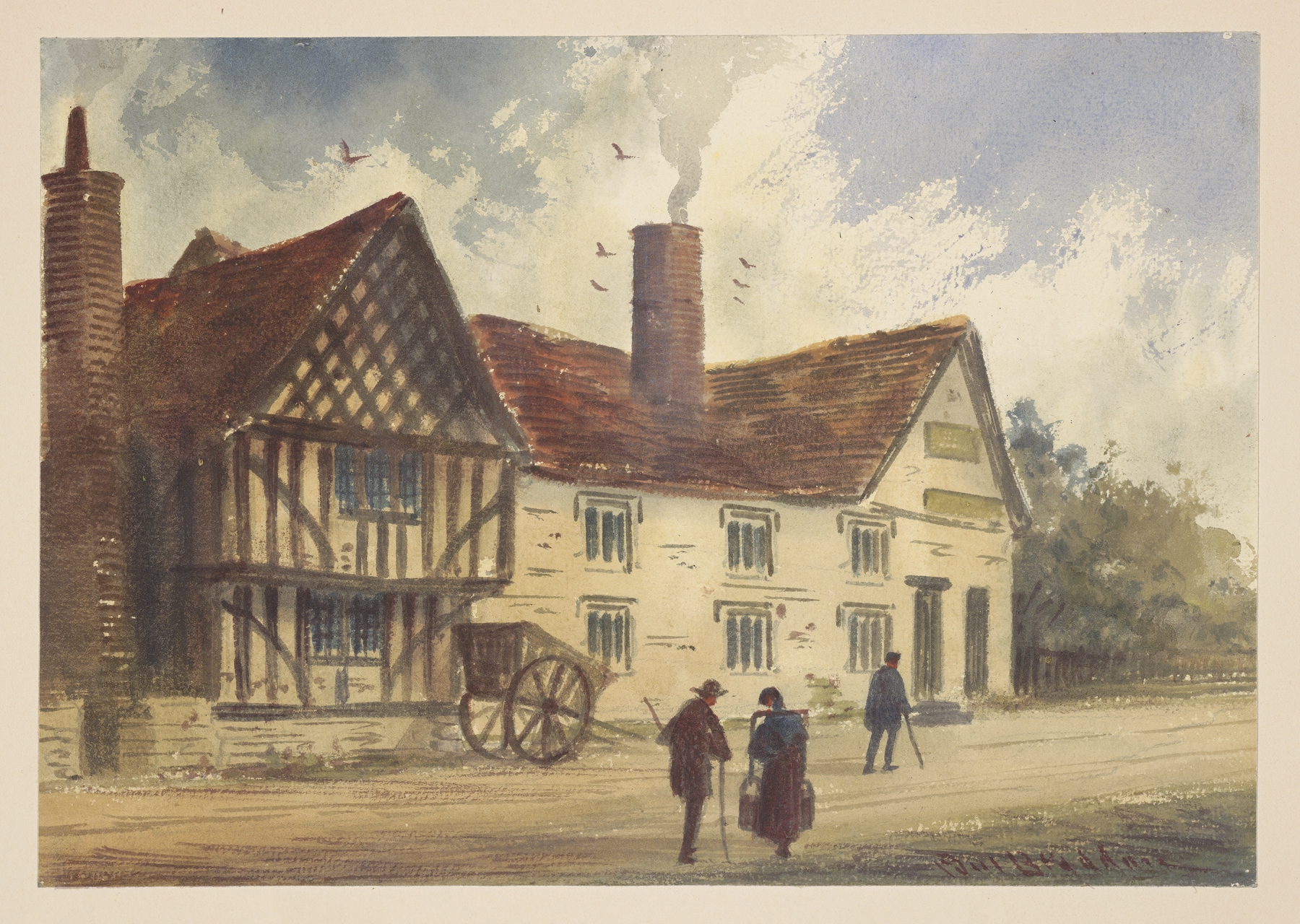
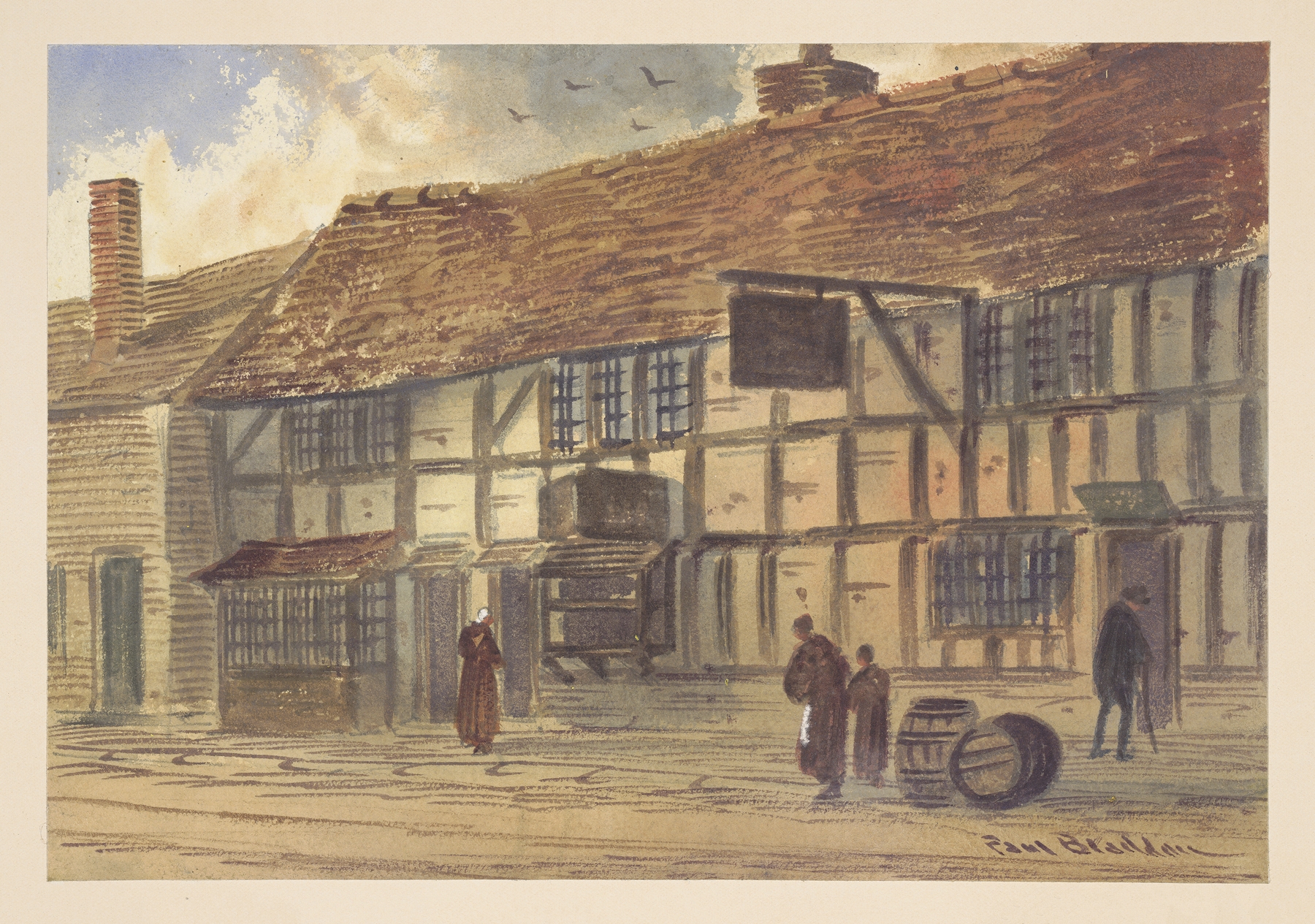
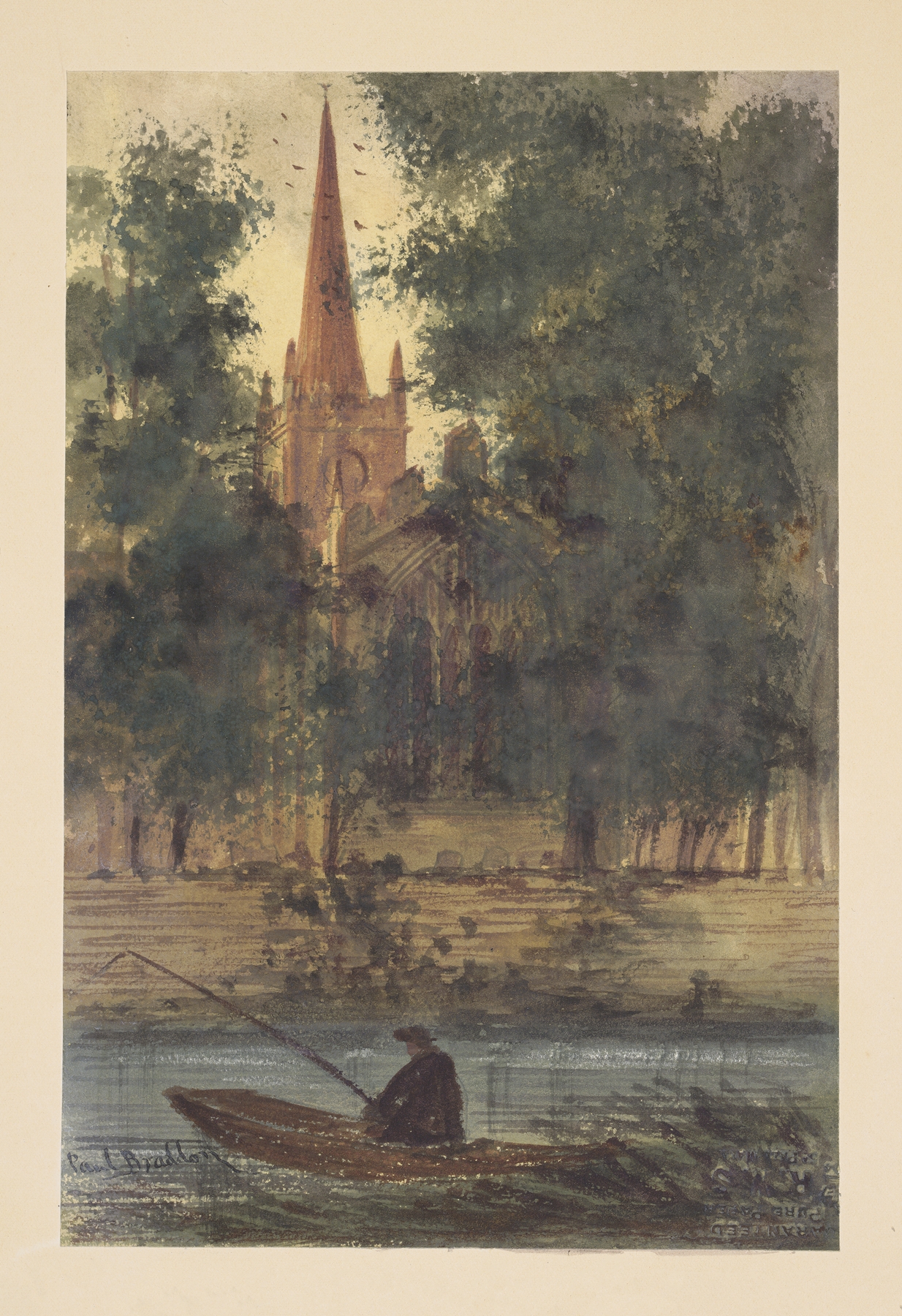
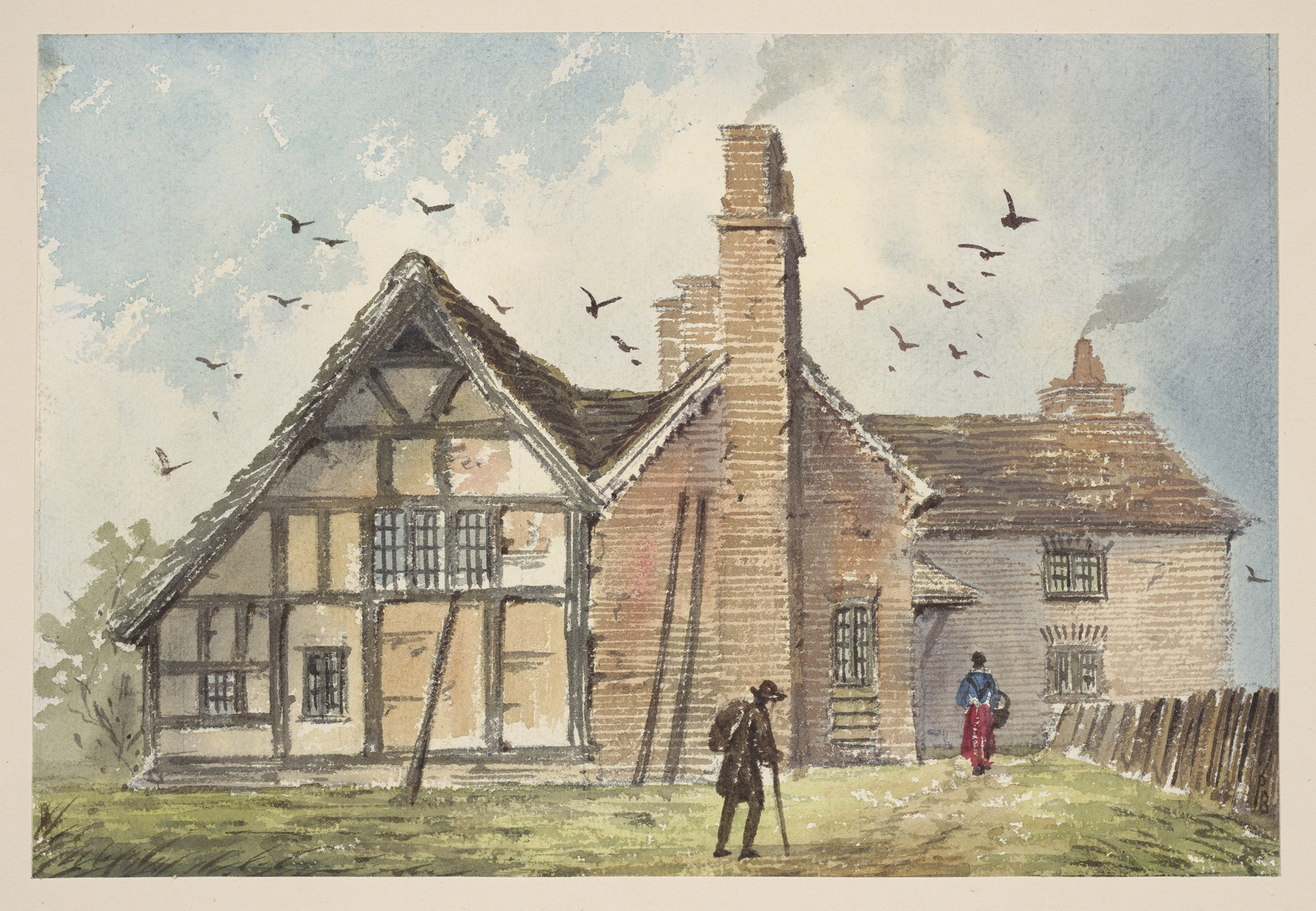
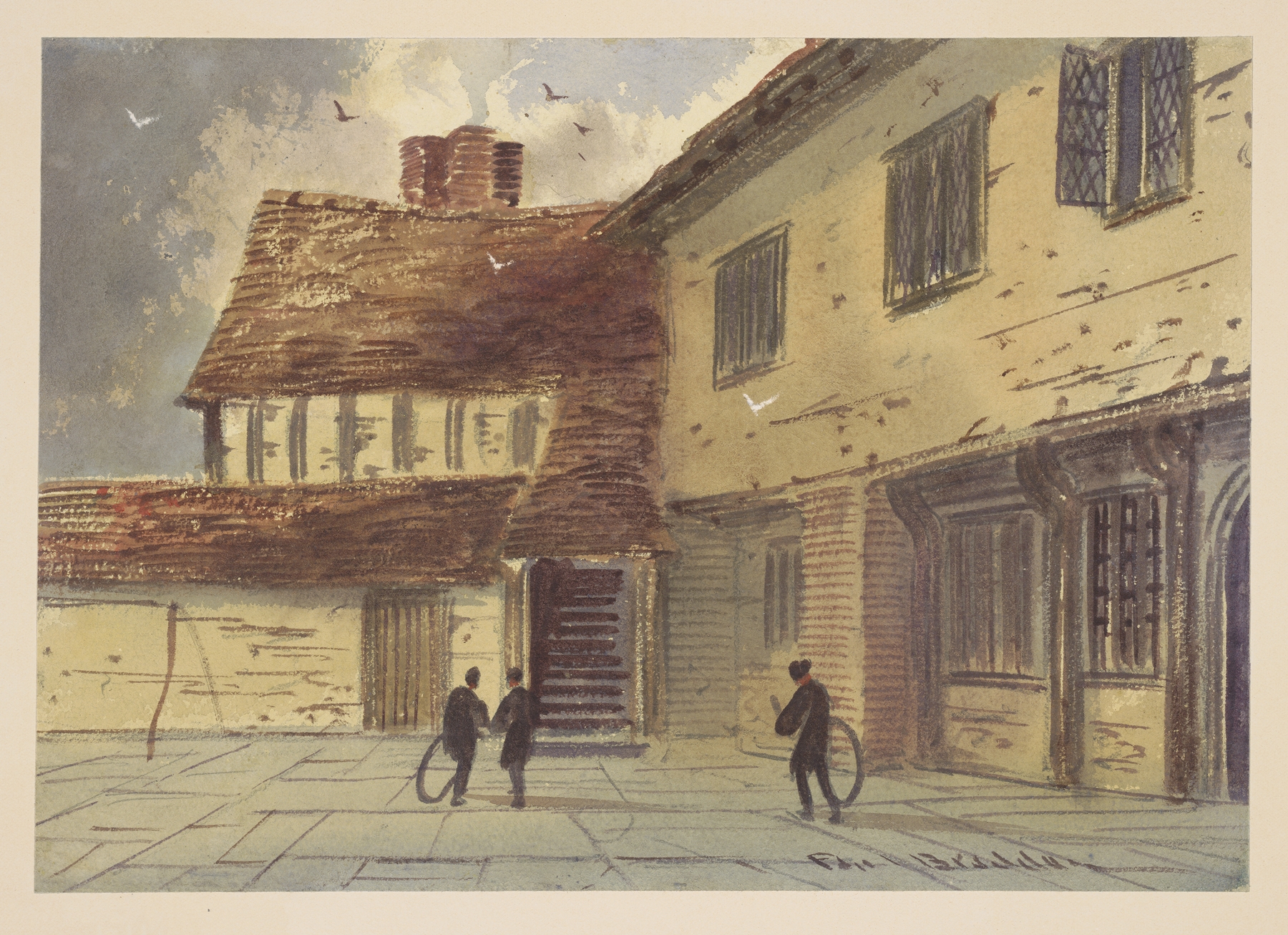
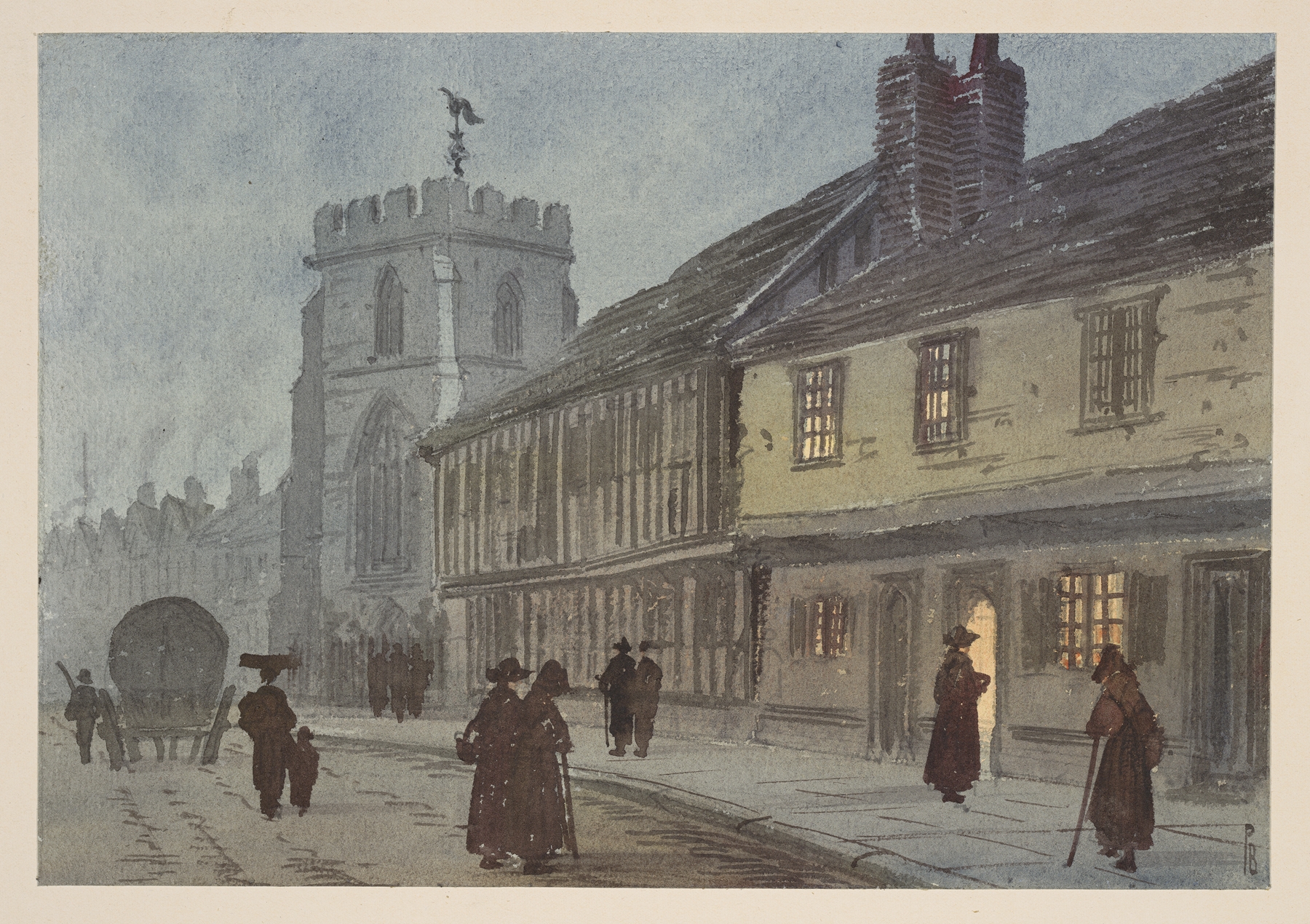
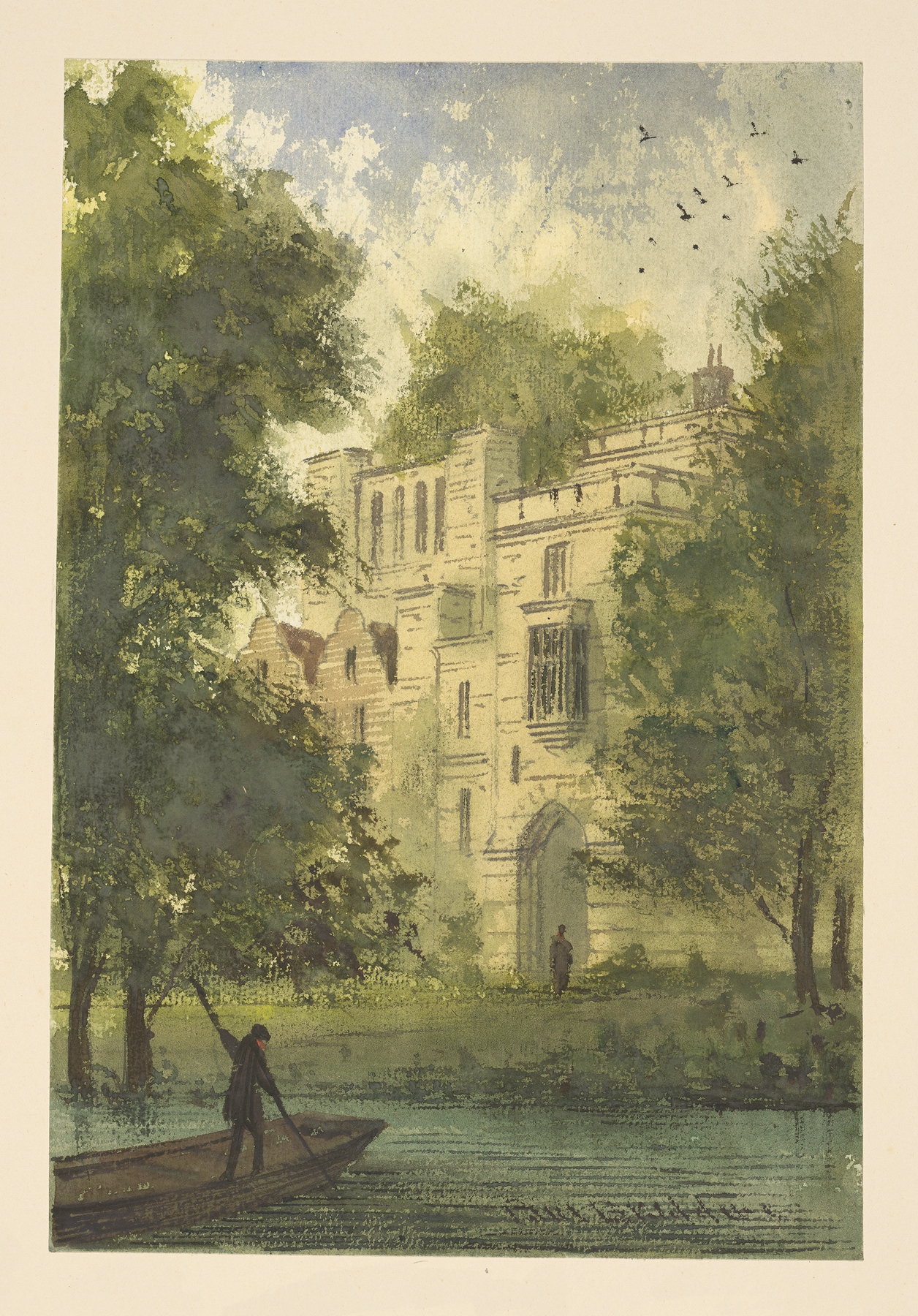
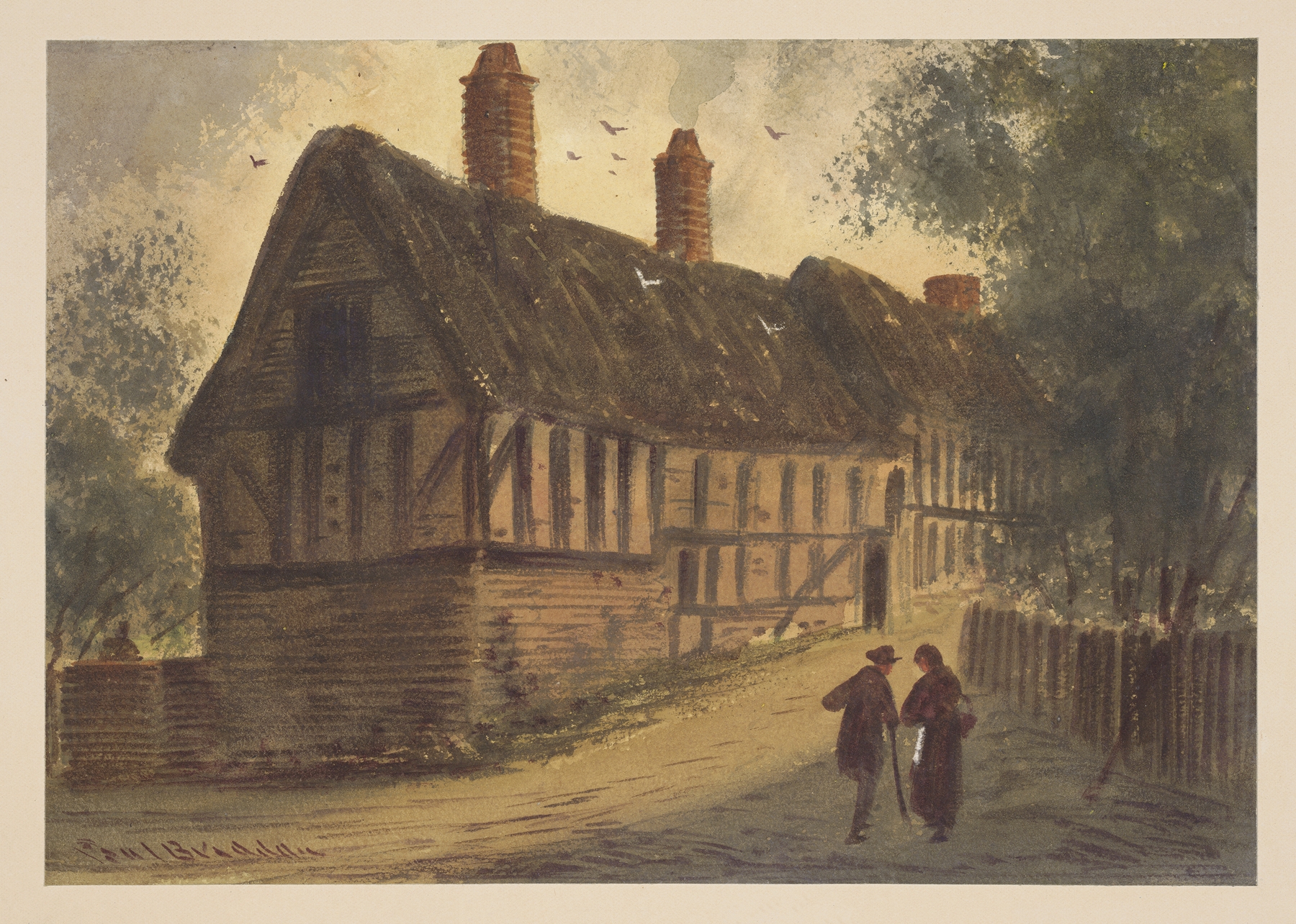
When did color learn to lie? The vibrant shades that dance across the canvas beckon the viewer into a realm where reality blurs with imagination, inviting us to question the very nature of perception. Focus on the foreground, where a striking interplay of golden hues and deep greens captures a timeless landscape, hinting at fertile grounds of inspiration. Notice how the light spills over the edges of the foliage, crafting shadows that deepen the emotional resonance of the scene.
The meticulous brushwork creates a sense of movement, as if the very air vibrates with the whispers of past playwrights, their muses woven into the tapestry of the natural world. Contrast is key here; the richness of the colors evokes a duality between beauty and melancholy. Look closely at the delicate details — perhaps a solitary figure gazing into the distance, embodying both solitude and introspection. This juxtaposition reflects the artist's exploration of the human condition, inviting us to ponder the ghosts of creativity that linger in the shadows of inspiration.
In the 19th century, Paul Braddon painted Haunts of Shakespeare Pl.18 during a period marked by a growing fascination with the interplay of nature and literature. As the Romantic movement flourished, artists sought to convey emotional depth in their work, influenced by the cultural revolution and the shifting paradigms of their time. Braddon, an avid admirer of Shakespeare, channeled this spirit into his art, capturing the essence of literary contemplation against the backdrop of an ever-evolving world.