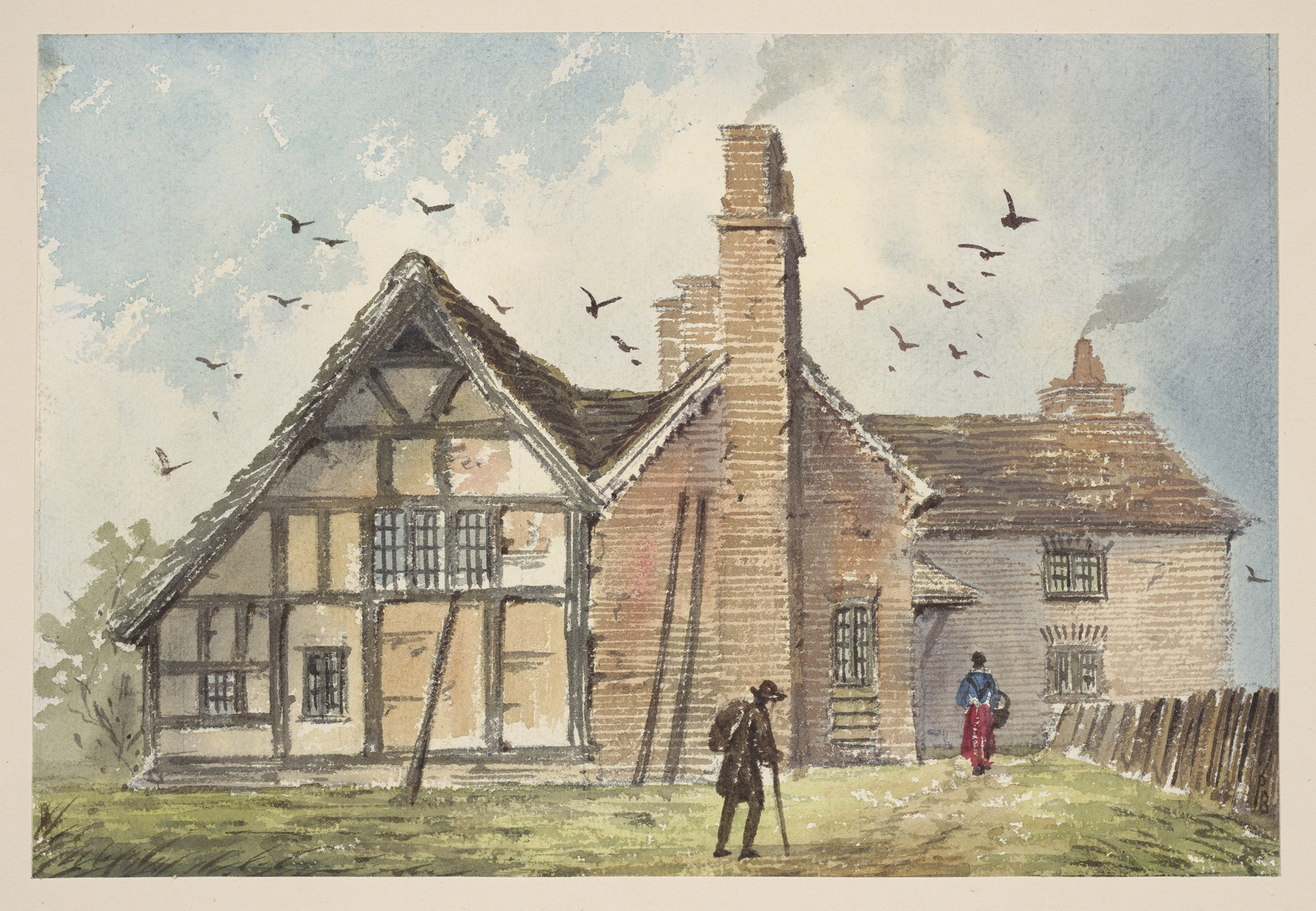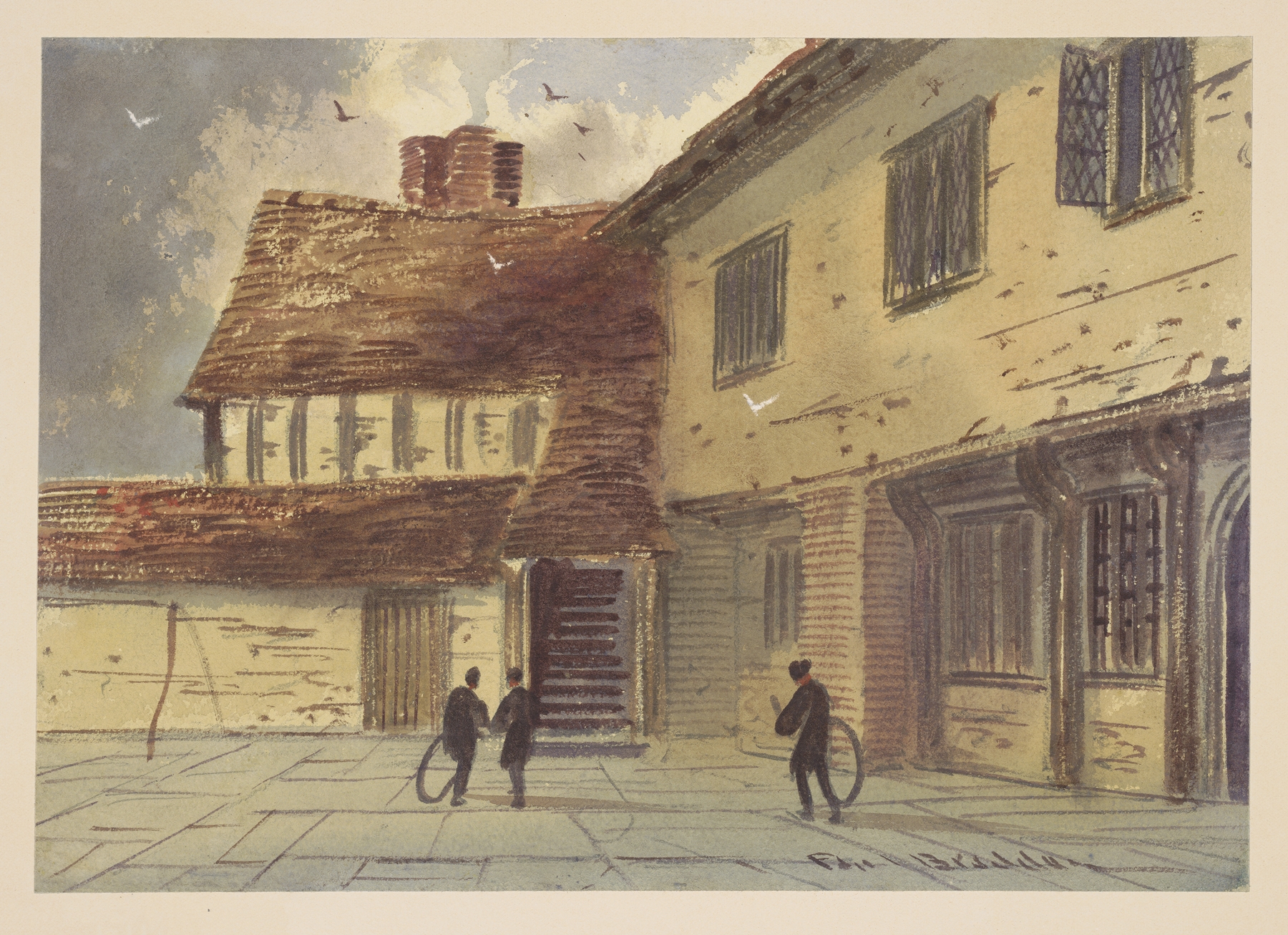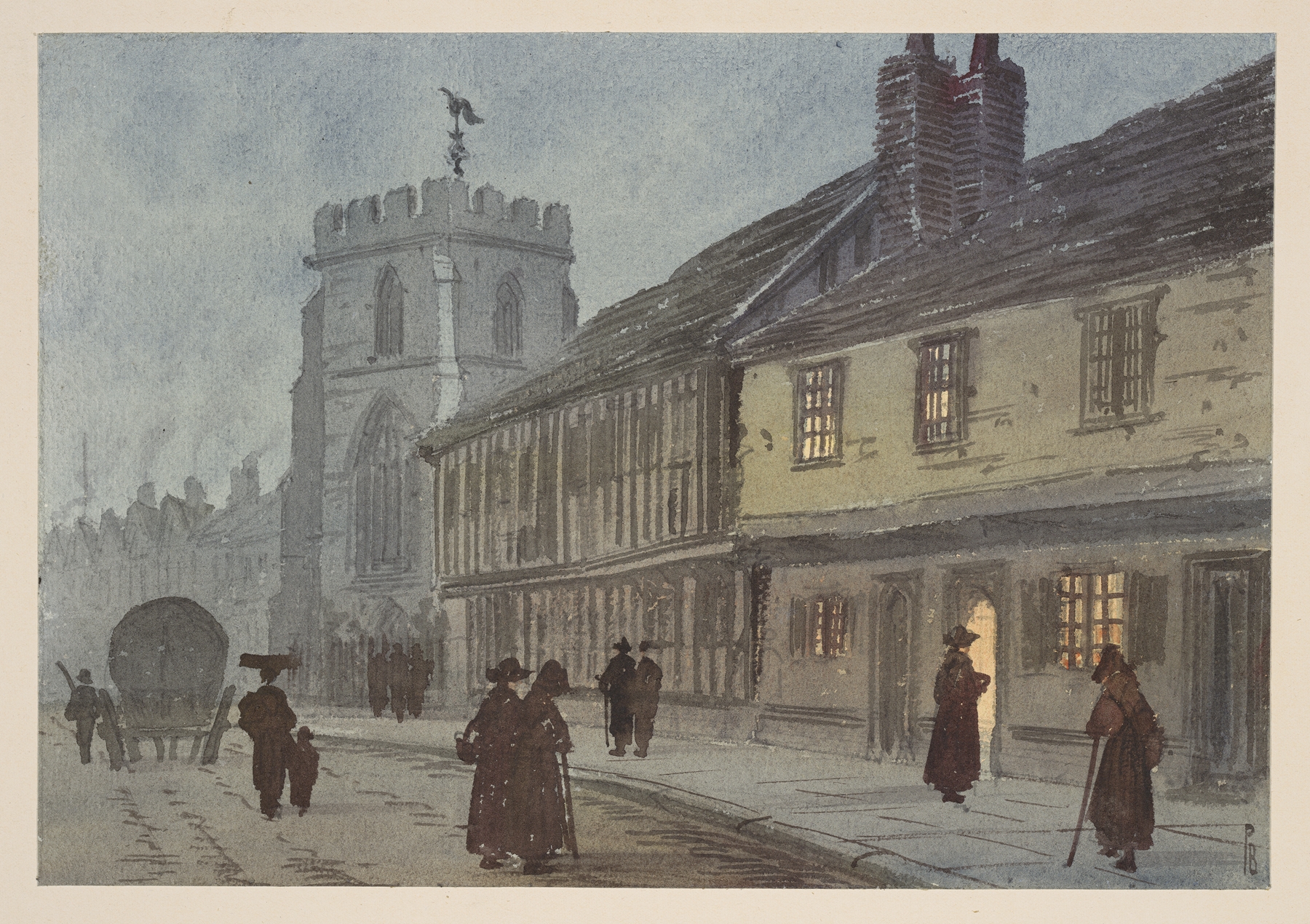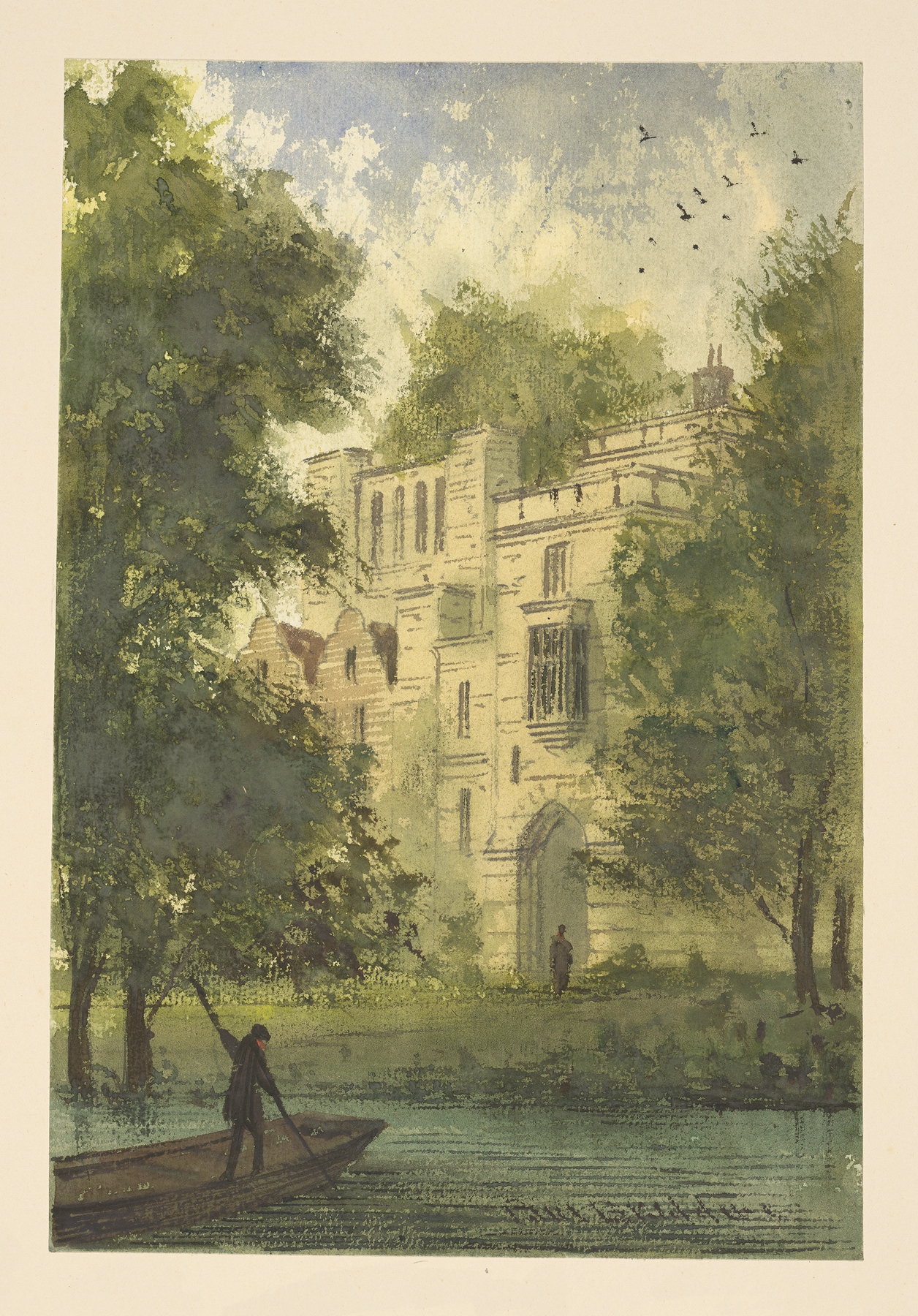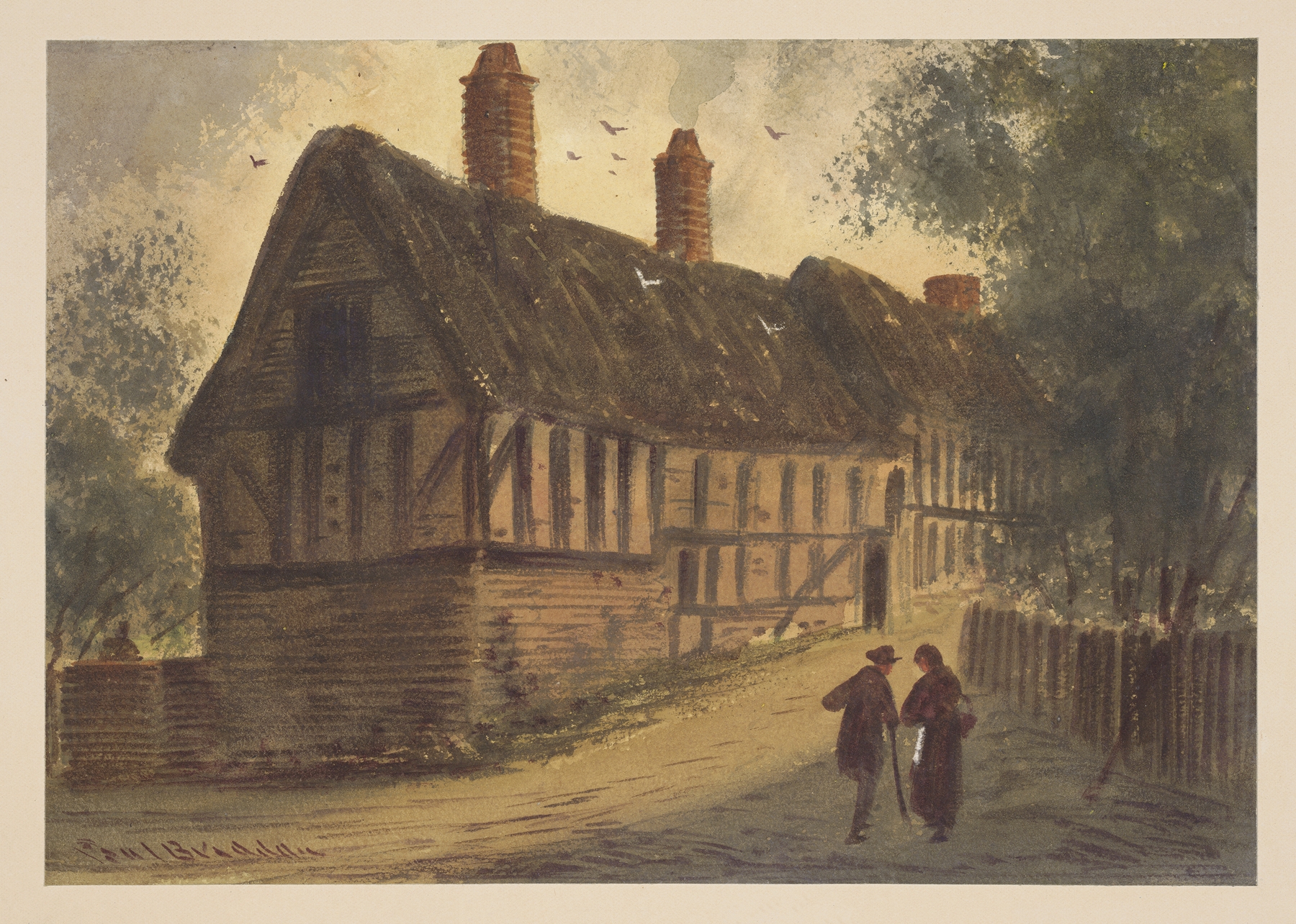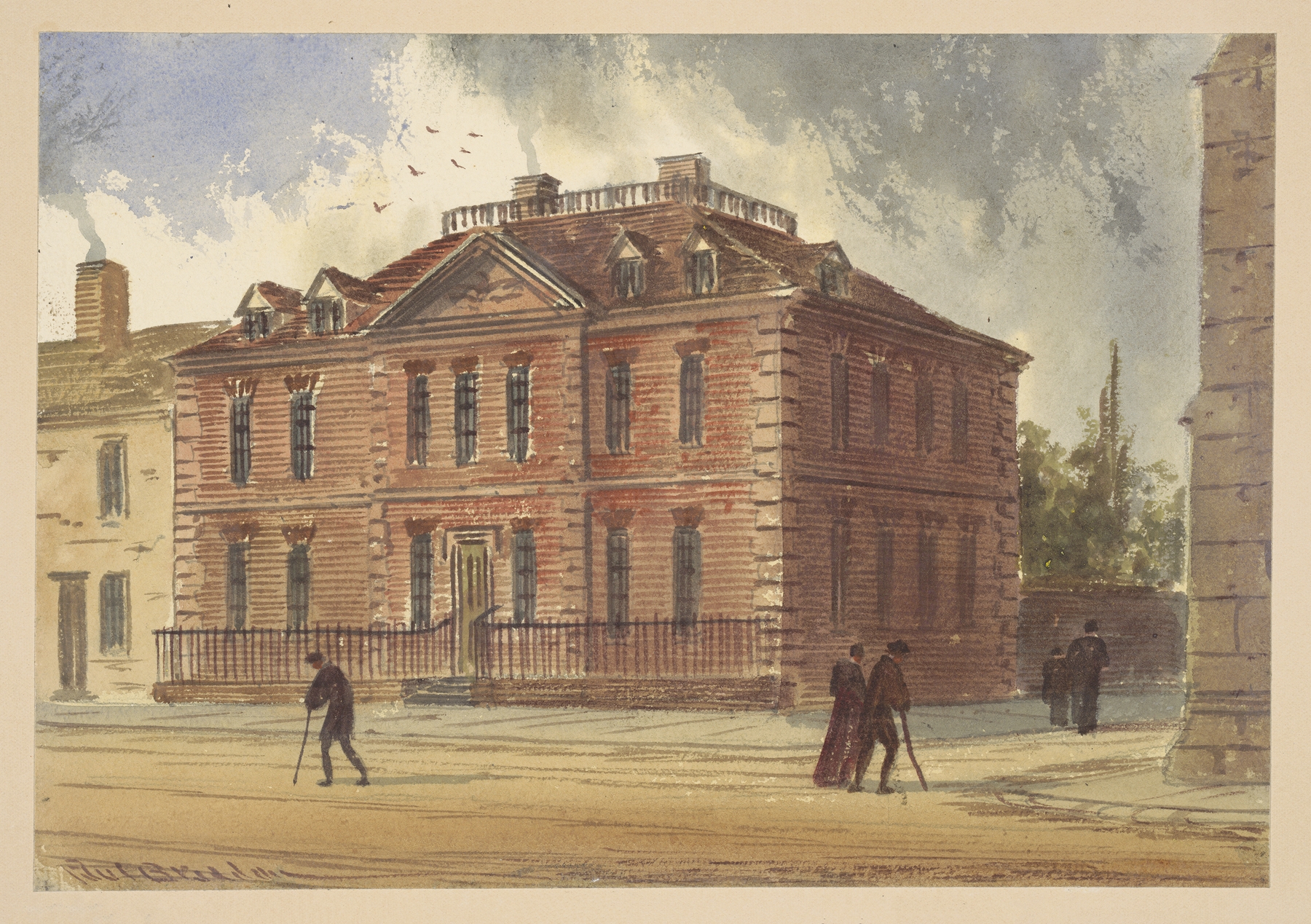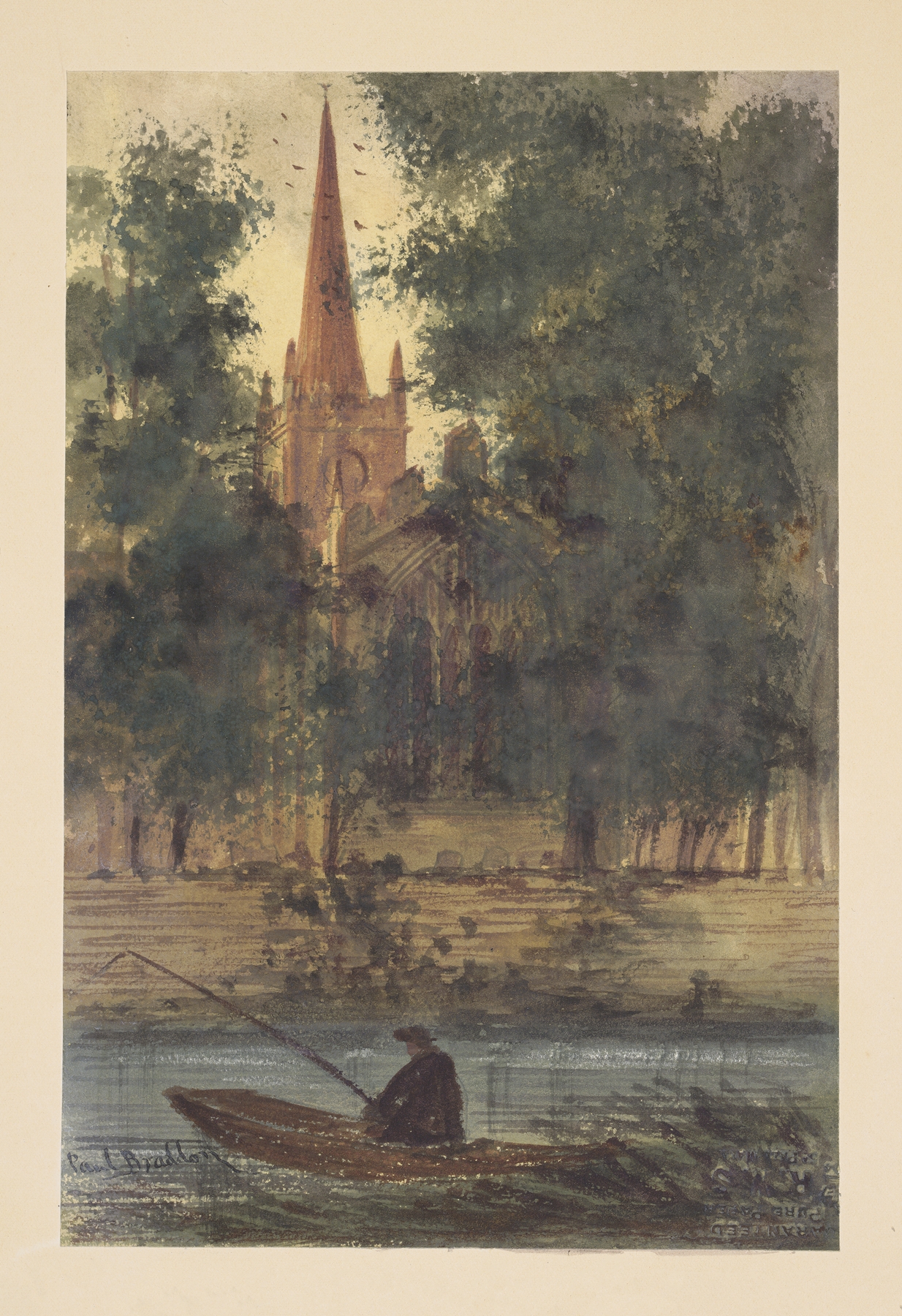
Haunts of Shakespeare Pl.16 — History & Analysis
Can paint confess what words never could? In the delicate interplay of colors and forms, there lies an unspoken narrative of hope that transcends language itself. Look to the right at the ethereal figure, cloaked in whispers of soft blues and greens. The brushstrokes flow like a gentle breeze, inviting the viewer into a dreamscape that merges reality with the spirit of literature.
Notice how the light falls upon the pages of an open book—an invitation, a portal—drawing the eye toward the heart of the composition. The careful blending of hues gives the scene a fleeting quality, as if it were captured in a moment just before dawn. In this haunting portrayal, the luminous figure gazes thoughtfully into the distance, suggesting a yearning for connection that echoes the sentiments of Shakespeare’s own characters. The juxtaposition of the open book and the solitary specter hints at the potential for rebirth and inspiration, even in the face of loneliness.
Each brushstroke serves as a reminder of the power of storytelling, where hope can rise even from shadows. Paul Braddon created Haunts of Shakespeare Pl.16 in the 19th century, during a period marked by a resurgence of interest in the Bard's work. As Romanticism flourished, artists sought to capture the emotional depth and complexities of literature through visual means. This painting reflects Braddon's personal investment in combining art and narrative, as he drew on both the literary legacy and the cultural revival happening around him, enriching the dialogue between past and present.