Haunts of Shakespeare Pl.06 — History & Analysis
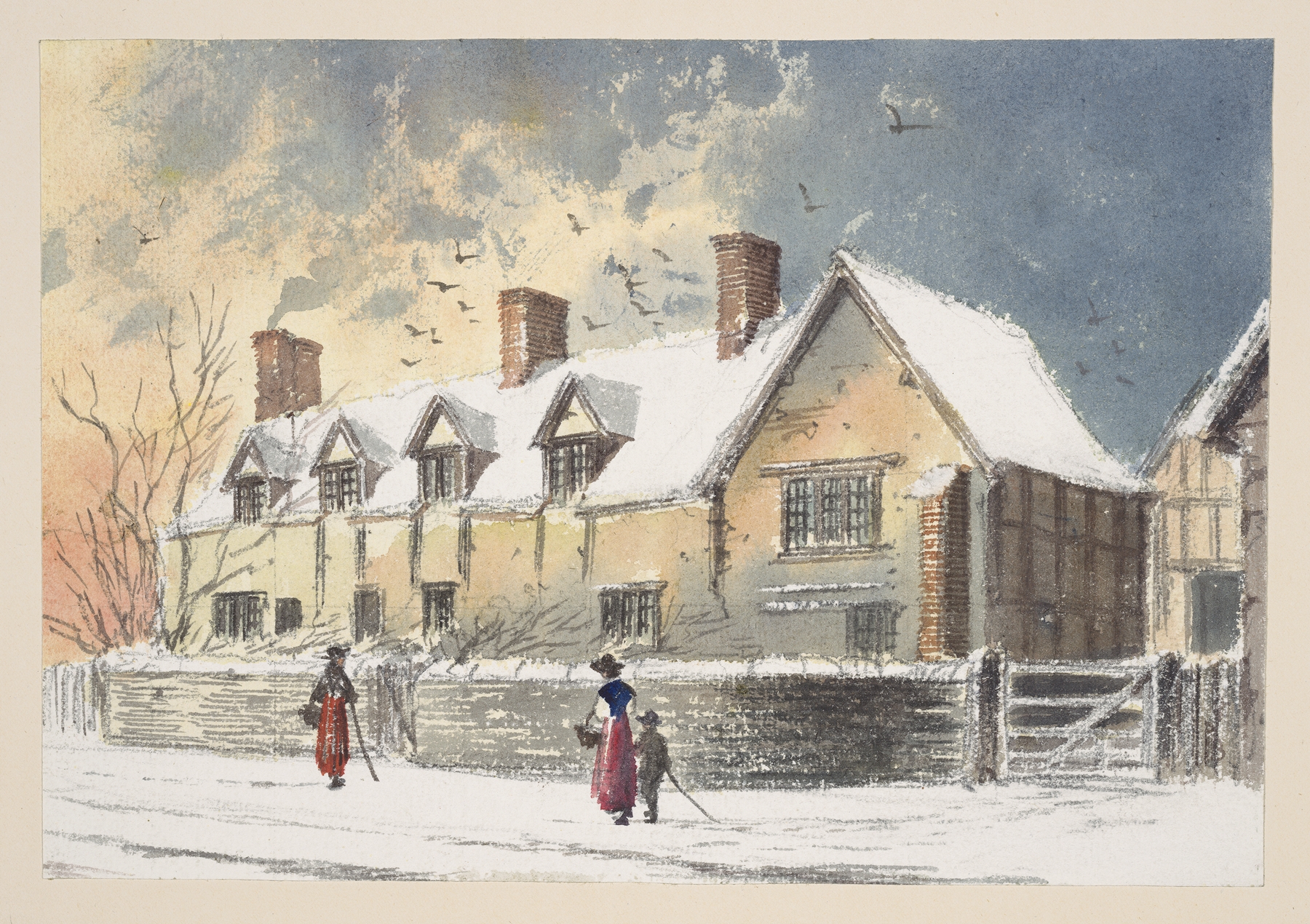
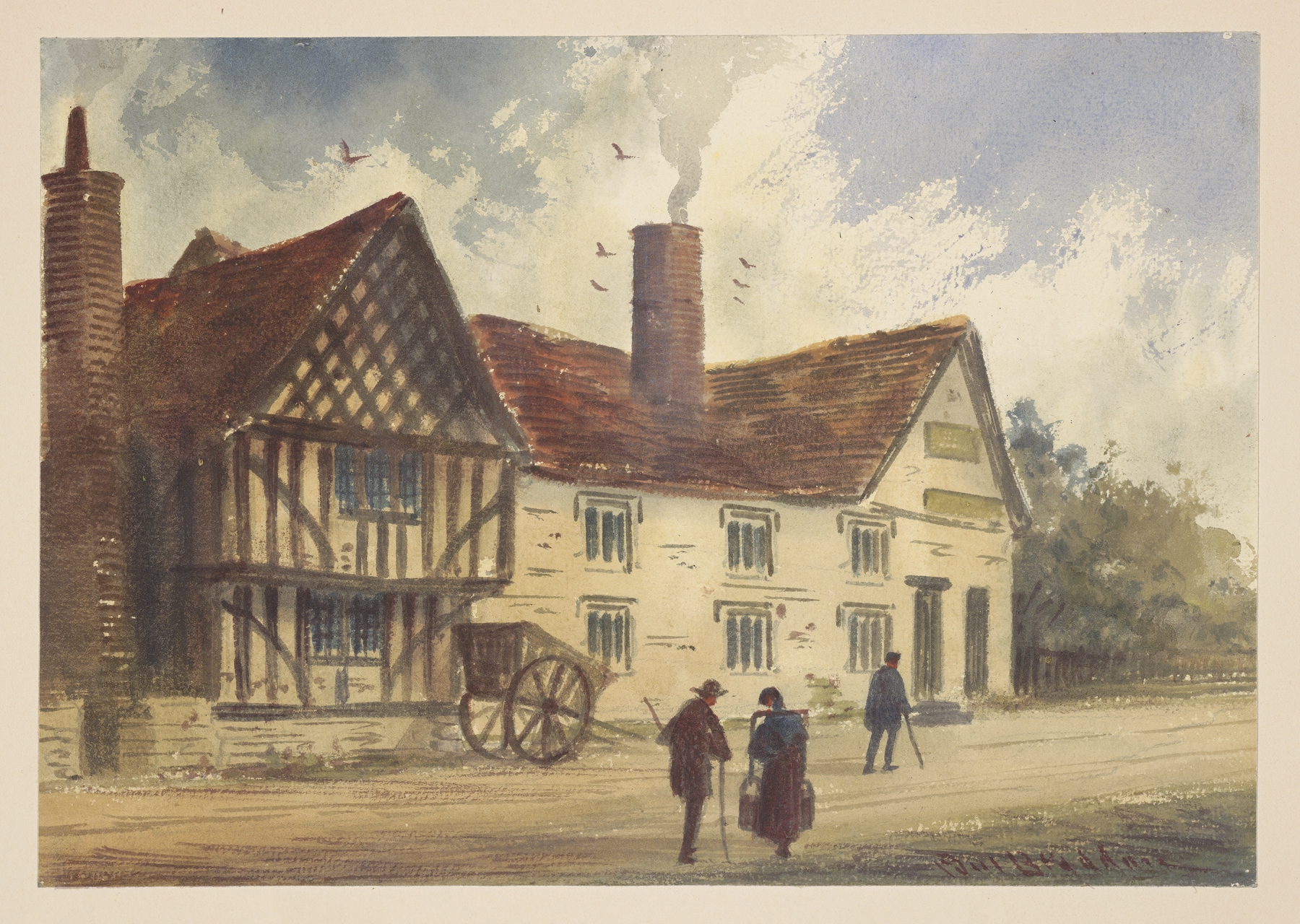
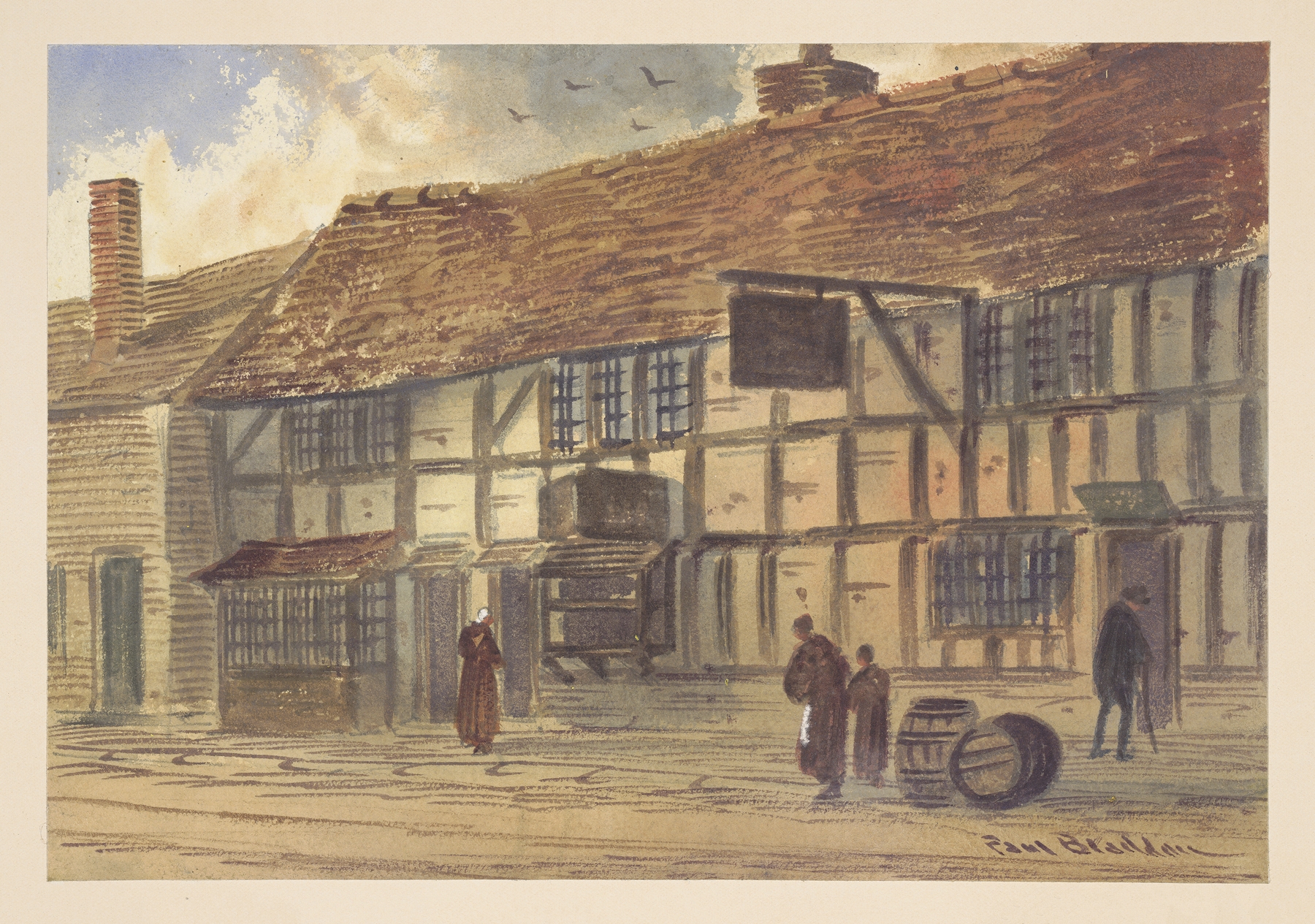
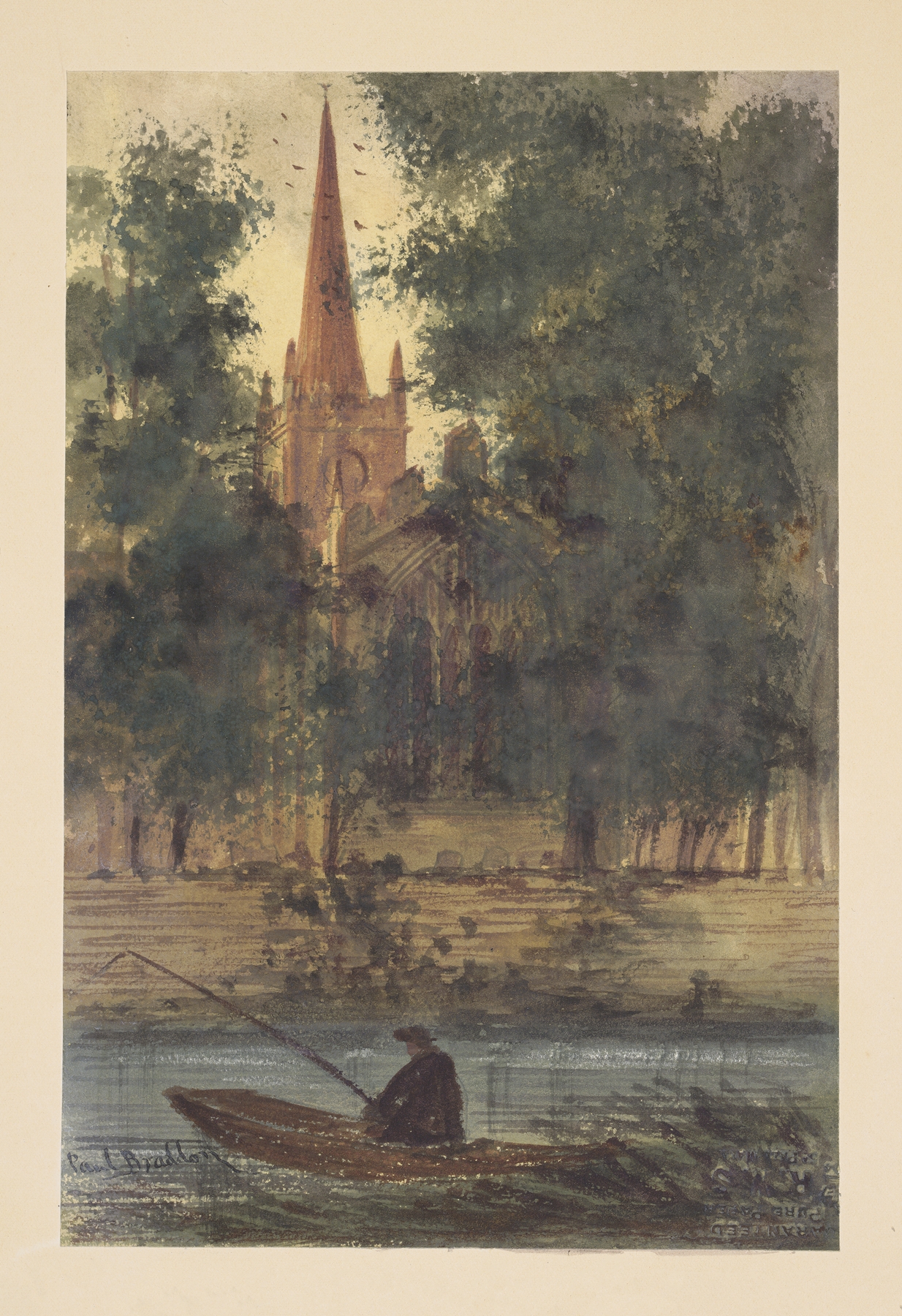
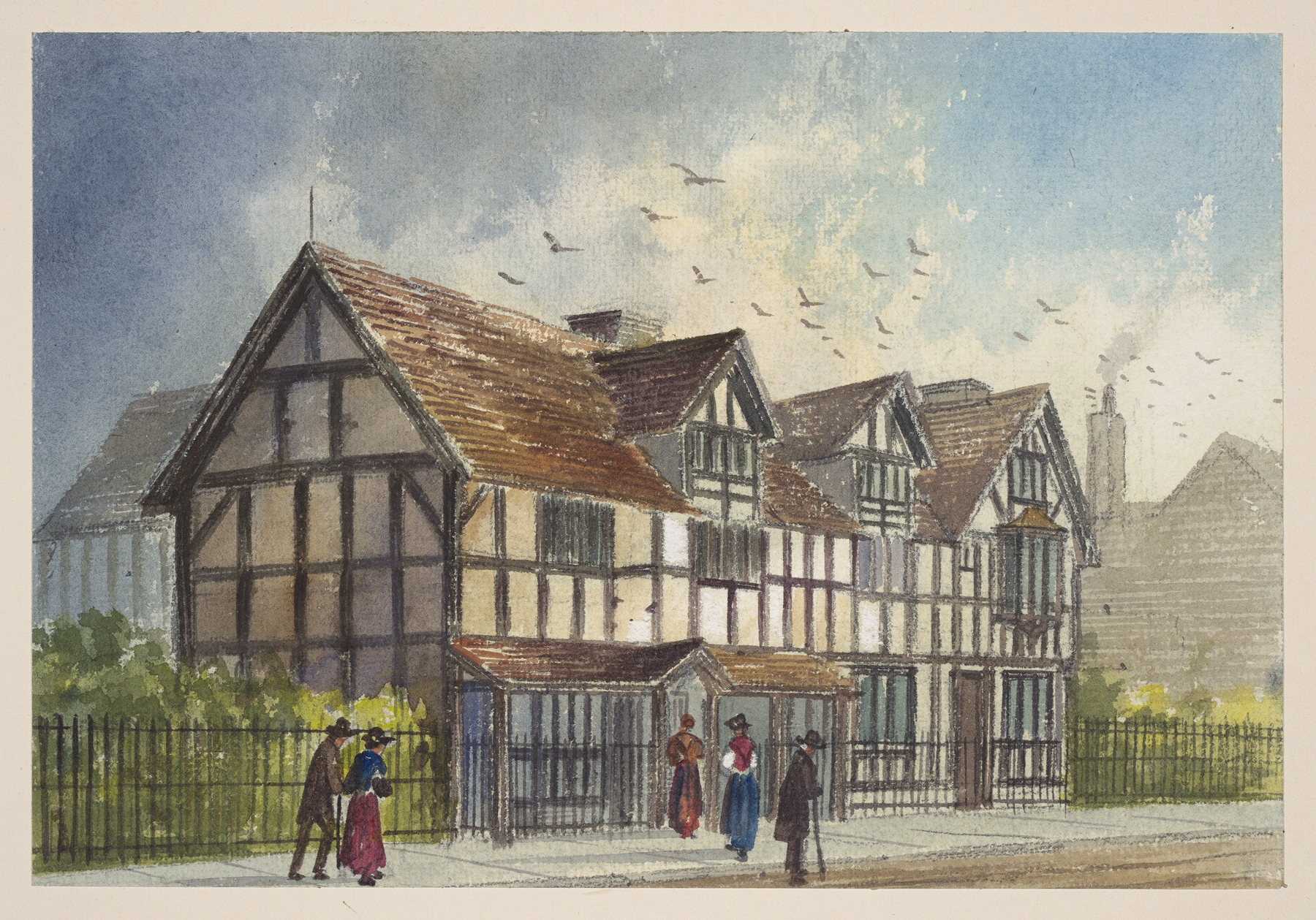
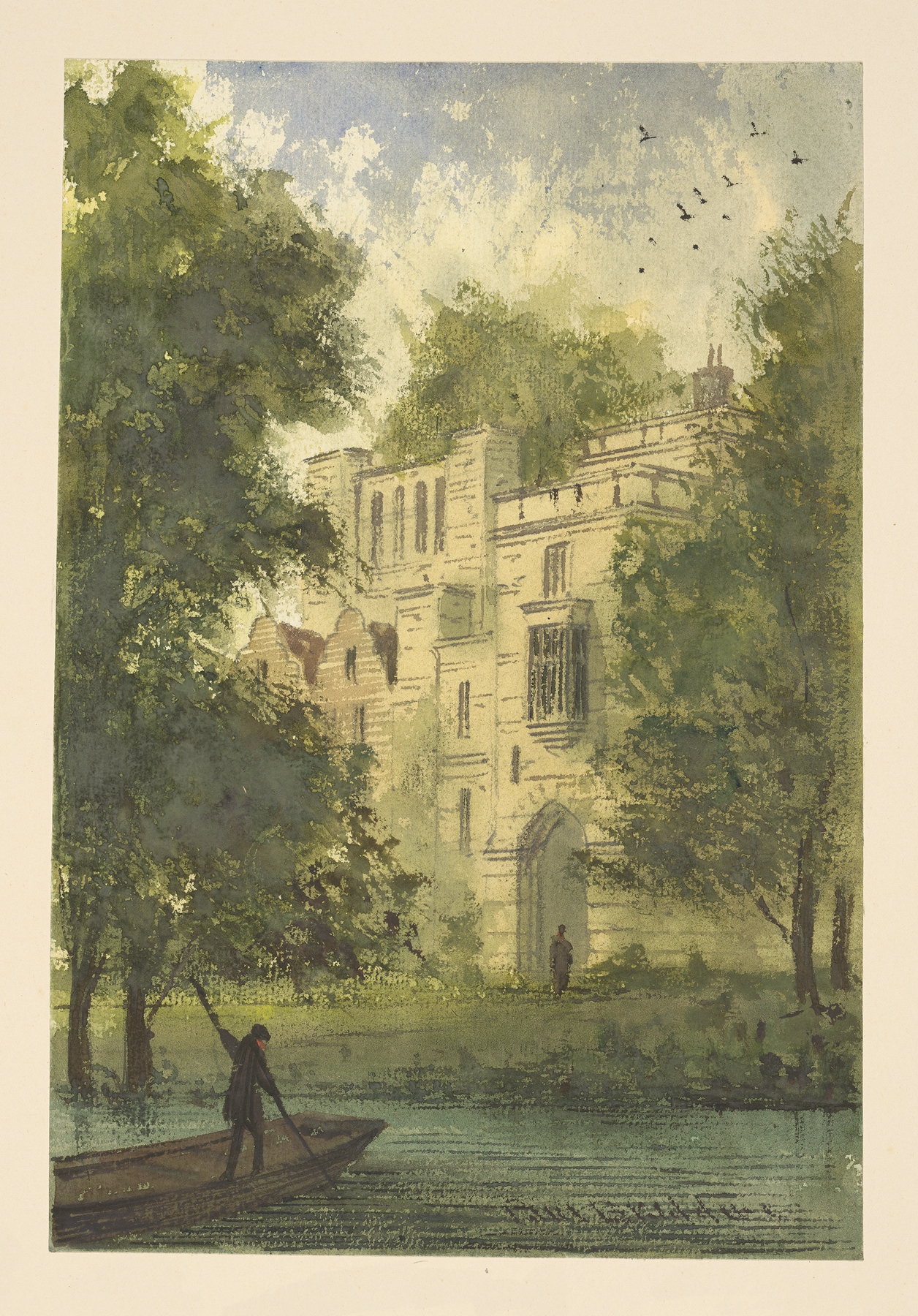
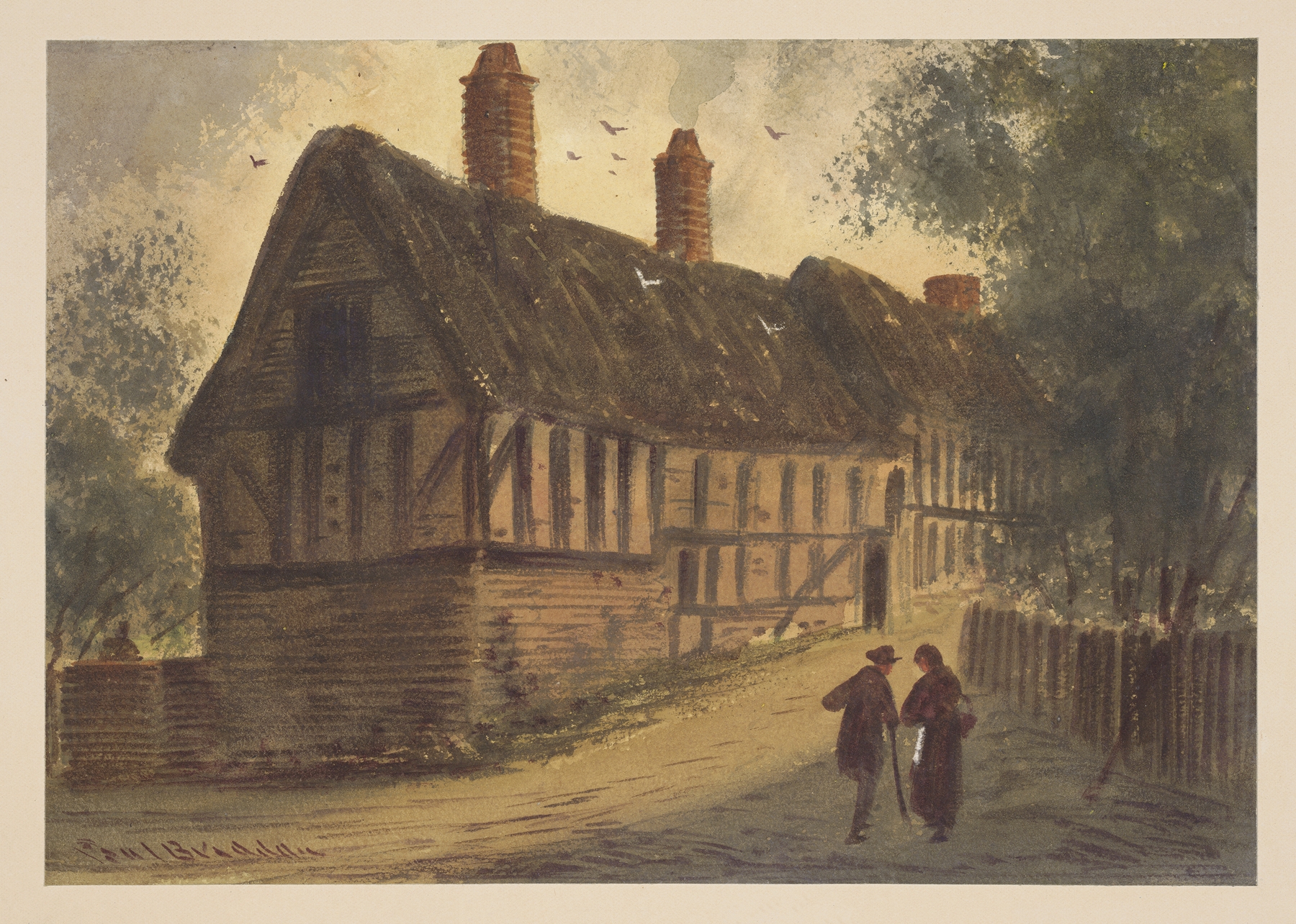
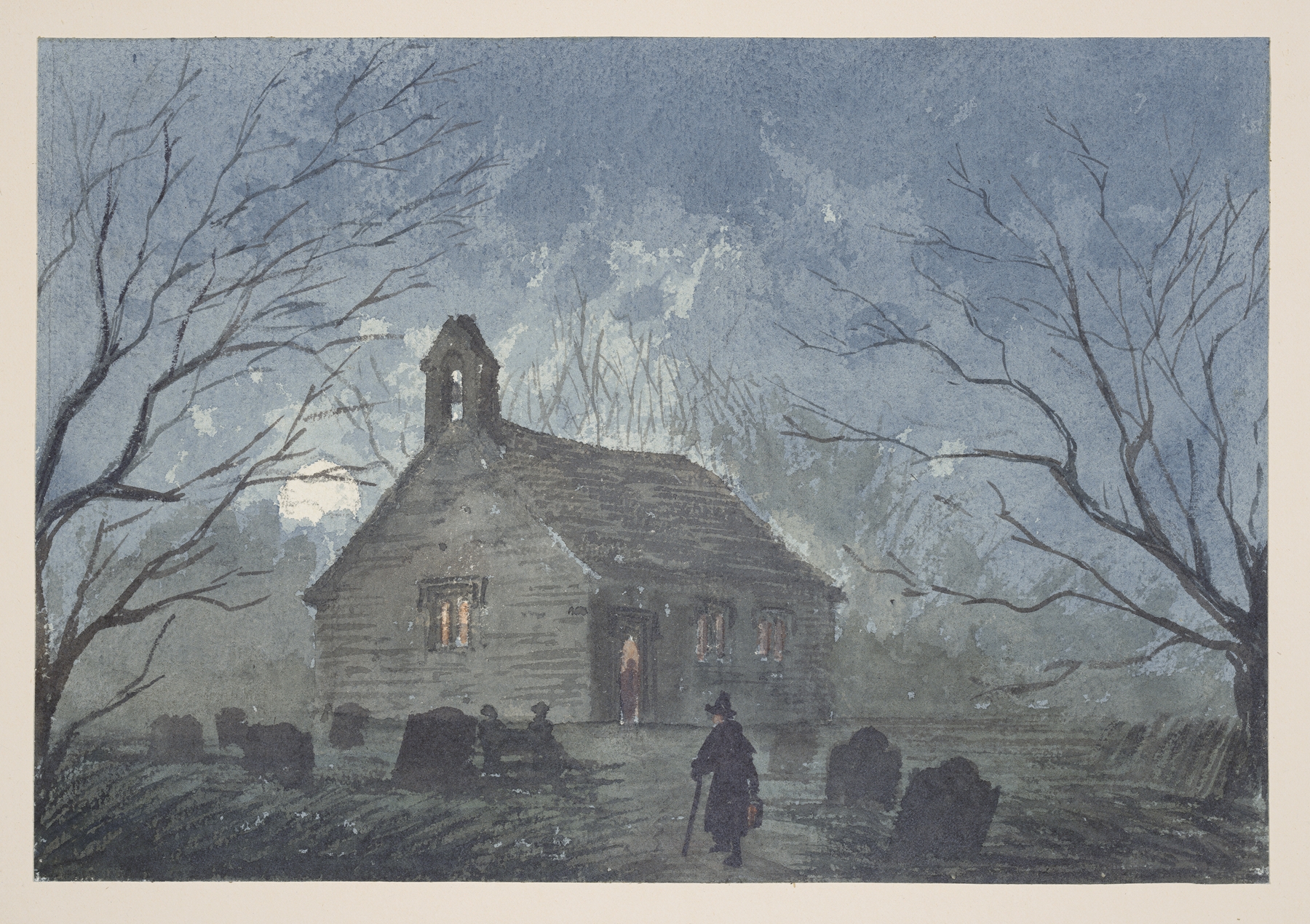
“Art reveals the soul when the world turns away.” In the quiet folds of history, light becomes a whisper, illuminating the unseen depths of our human experience. Focus on the gentle interplay of light and shadow in Haunts of Shakespeare Pl.06. The warm radiance cascading down draws your eyes to the intricacies of the foliage and the subtle textures of the stonework. You can almost feel the brushstrokes that breathe life into the landscape, creating a dramatic dialogue between the ethereal and the tangible.
Notice how the light dances across the scene, highlighting the ephemeral quality of memory and evoking a sense of nostalgia. The juxtaposition of vibrant greens against muted earth tones reveals a dichotomy of life and decay, suggesting that even in moments of stillness, there is an underlying pulse of vitality. The presence of the weathered stones hints at the passage of time, evoking the weight of history and the echoes of voices long gone. This tension between the vibrancy of nature and the remnants of human endeavor invites reflection on our own transient existence.
Created in the 19th century, the artist painted this piece during a time when Romanticism thrived, focusing on emotion and the sublime. Paul Braddon was known for his ability to evoke literary themes through visual art, and in this work, he captures the spirit of Shakespearean landscapes as they might have been experienced by the playwright himself. It was a time when the exploration of nature and its connection to the human condition was paramount, mirroring broader shifts in art and literature.