Haunts of Shakespeare Pl.13 — History & Analysis
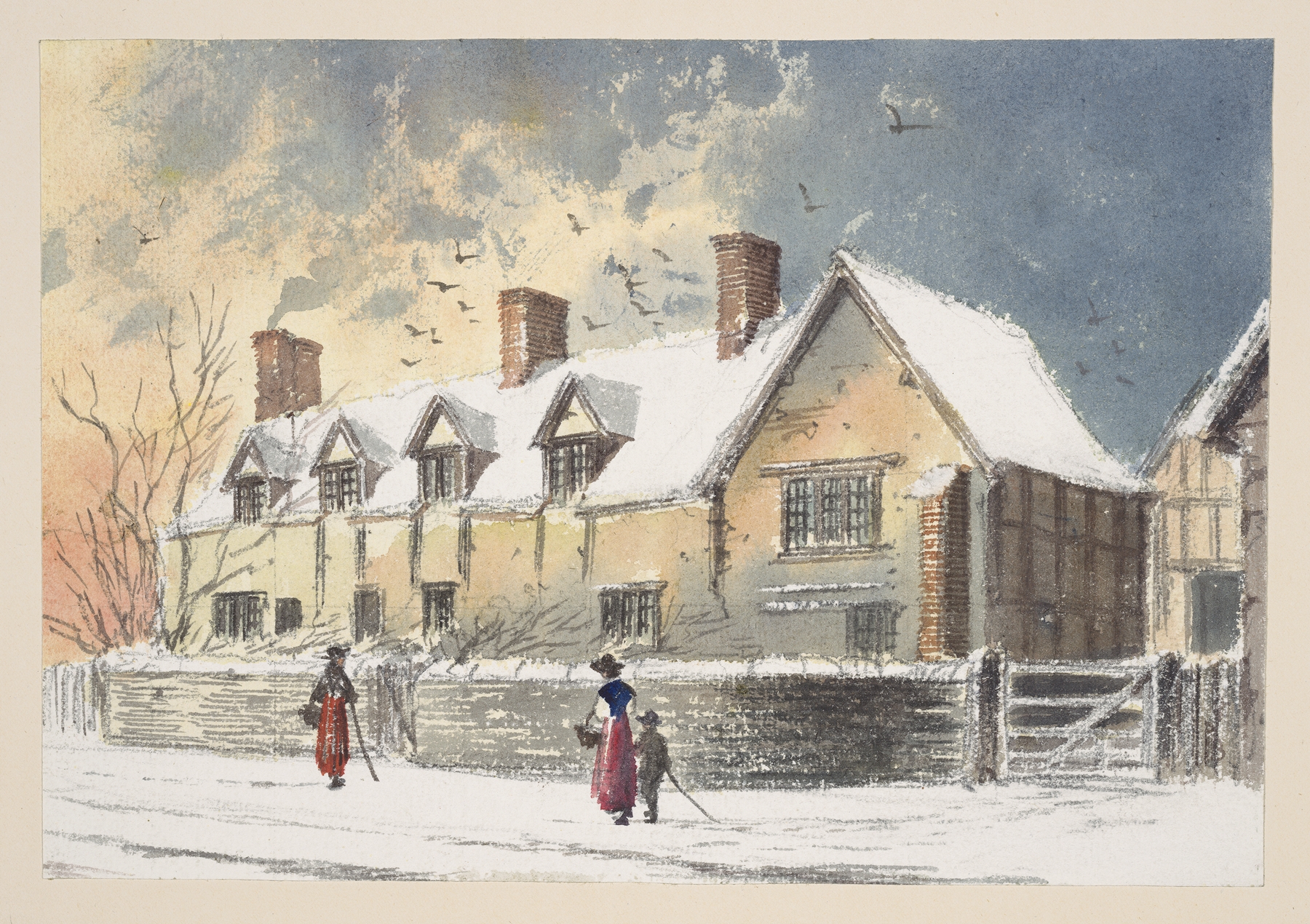
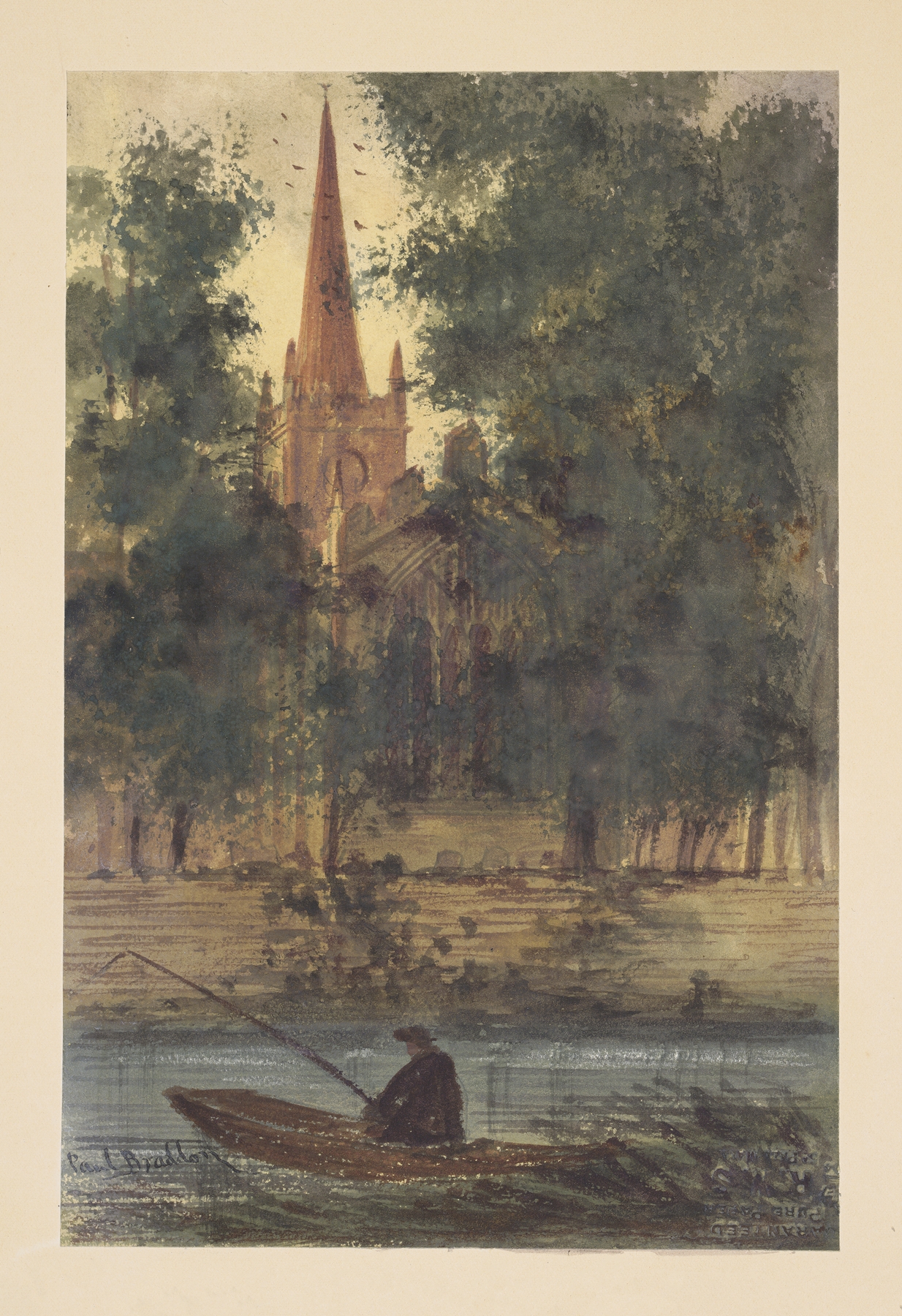
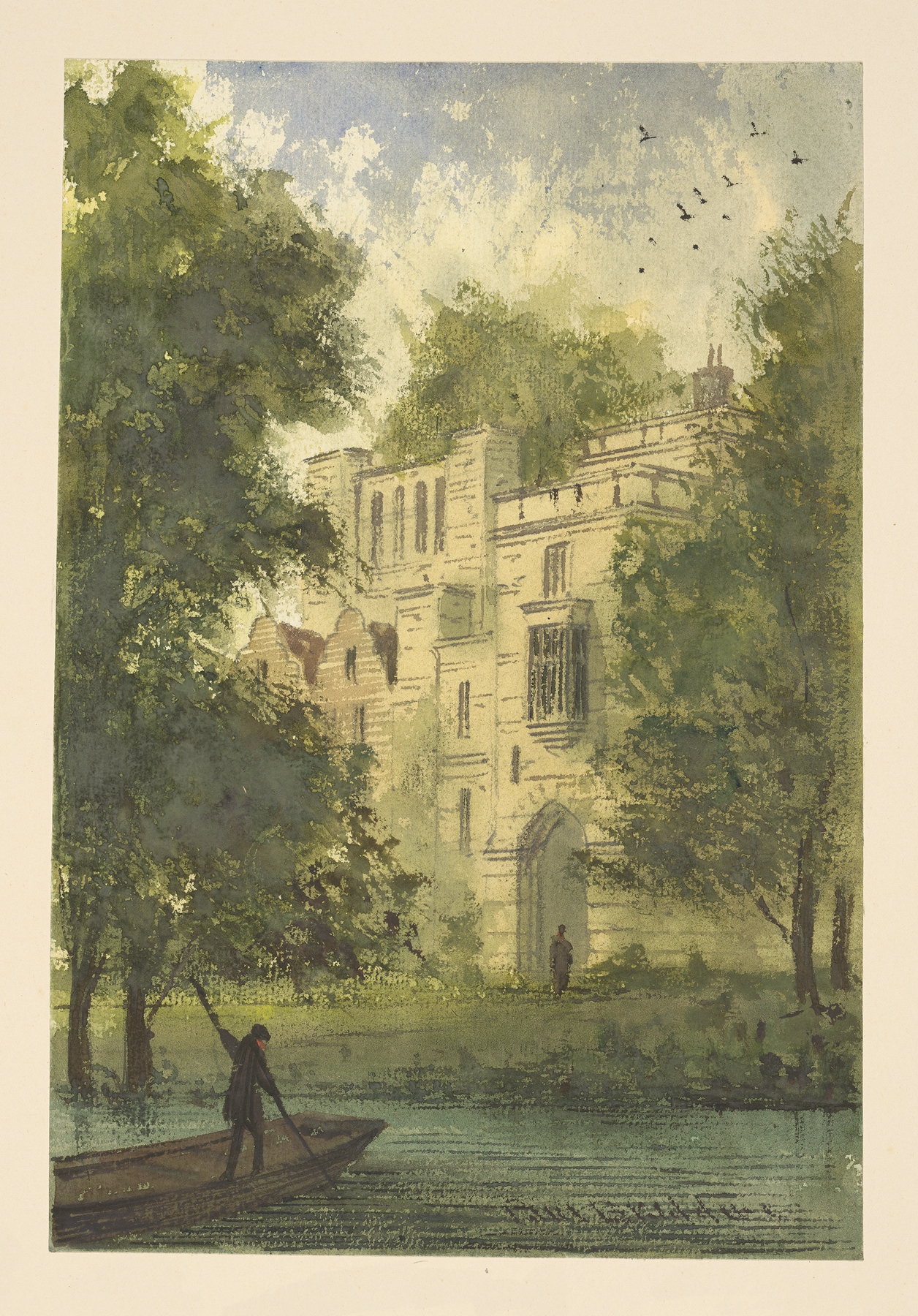
Can paint confess what words never could? In the depths of solitude, even the most vibrant colors can evoke a profound loneliness that echoes in silence. Look to the center, where shadows pool around an ethereal figure, draped in flowing garments that seem to whisper secrets of an unseen world. The vibrant greens and golds dance softly, yet they contrast starkly with the muted browns surrounding the solitary subject.
Notice how light filters through the leaves above, casting dappled patterns that both illuminate and obscure, highlighting the tension between presence and absence. Delve into the subtle details: the way the figure’s eyes gaze wistfully into the distance, suggesting a yearning for connection, or the delicate brushstrokes that create an almost ghostly aura. The environment, a lush but lonely grove, speaks of the duality of nature — both a place of beauty and a reminder of isolation. Each element, from the swaying branches to the quiet earth beneath, reflects an emotional landscape where loneliness reigns supreme.
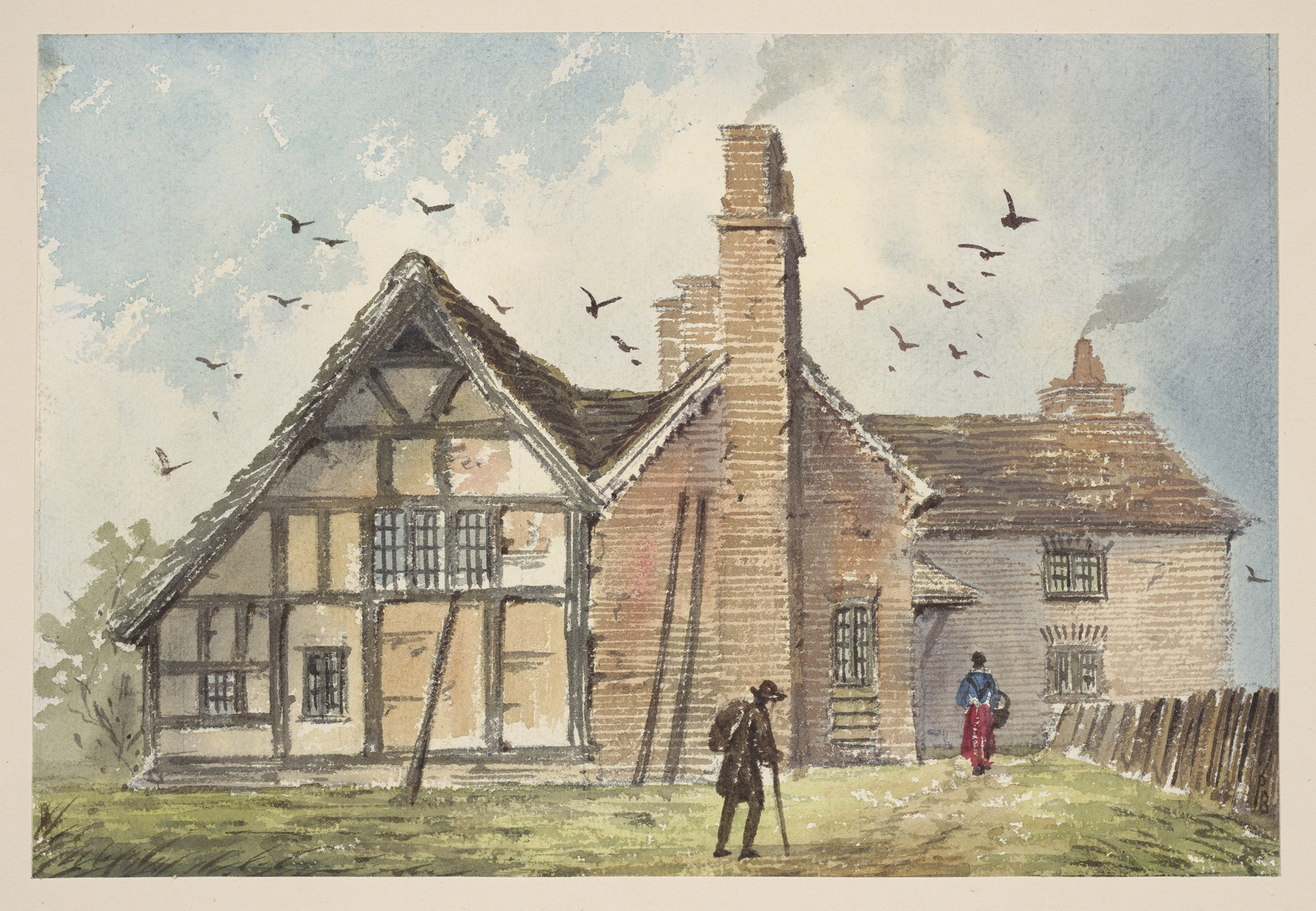
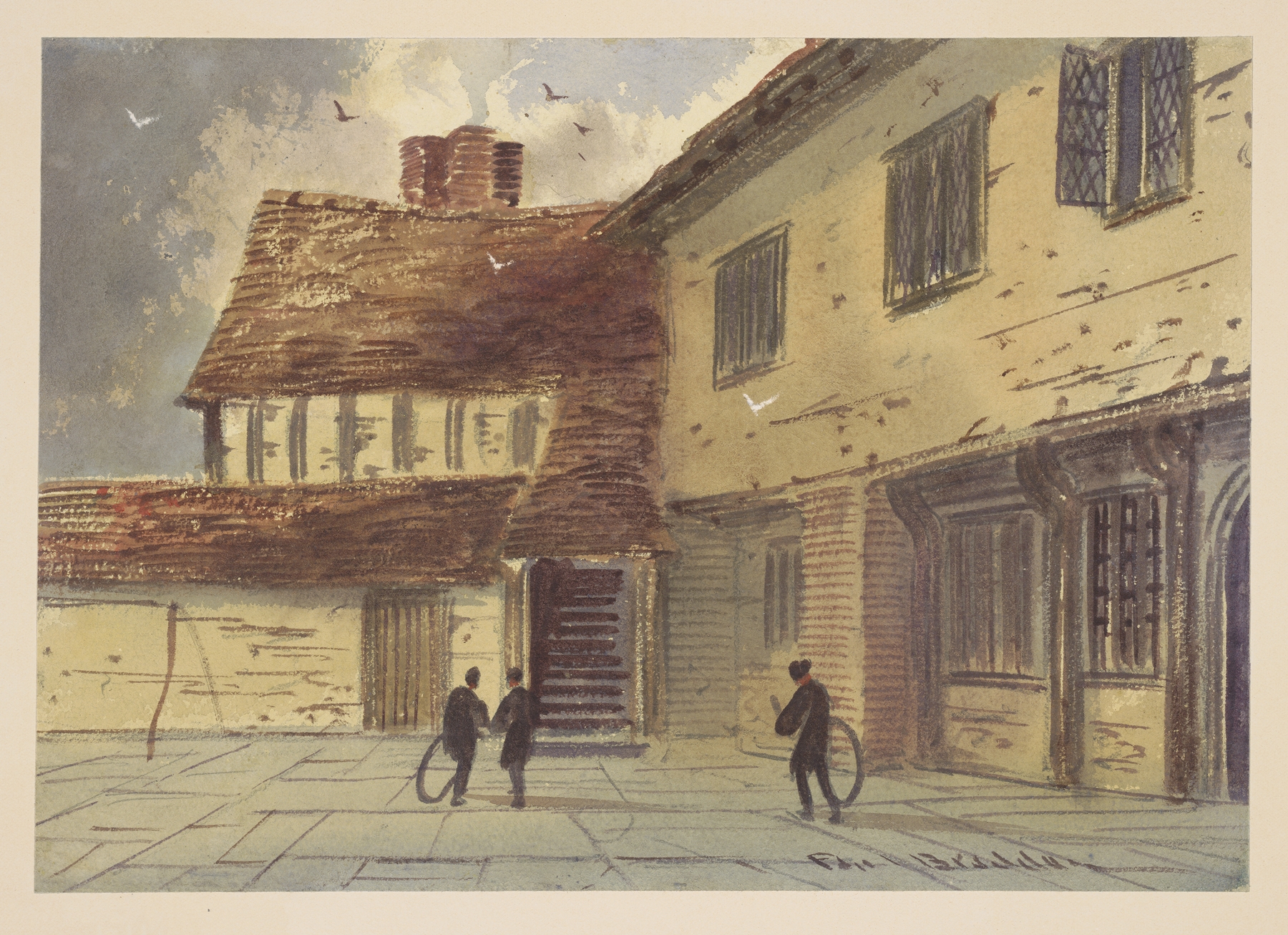
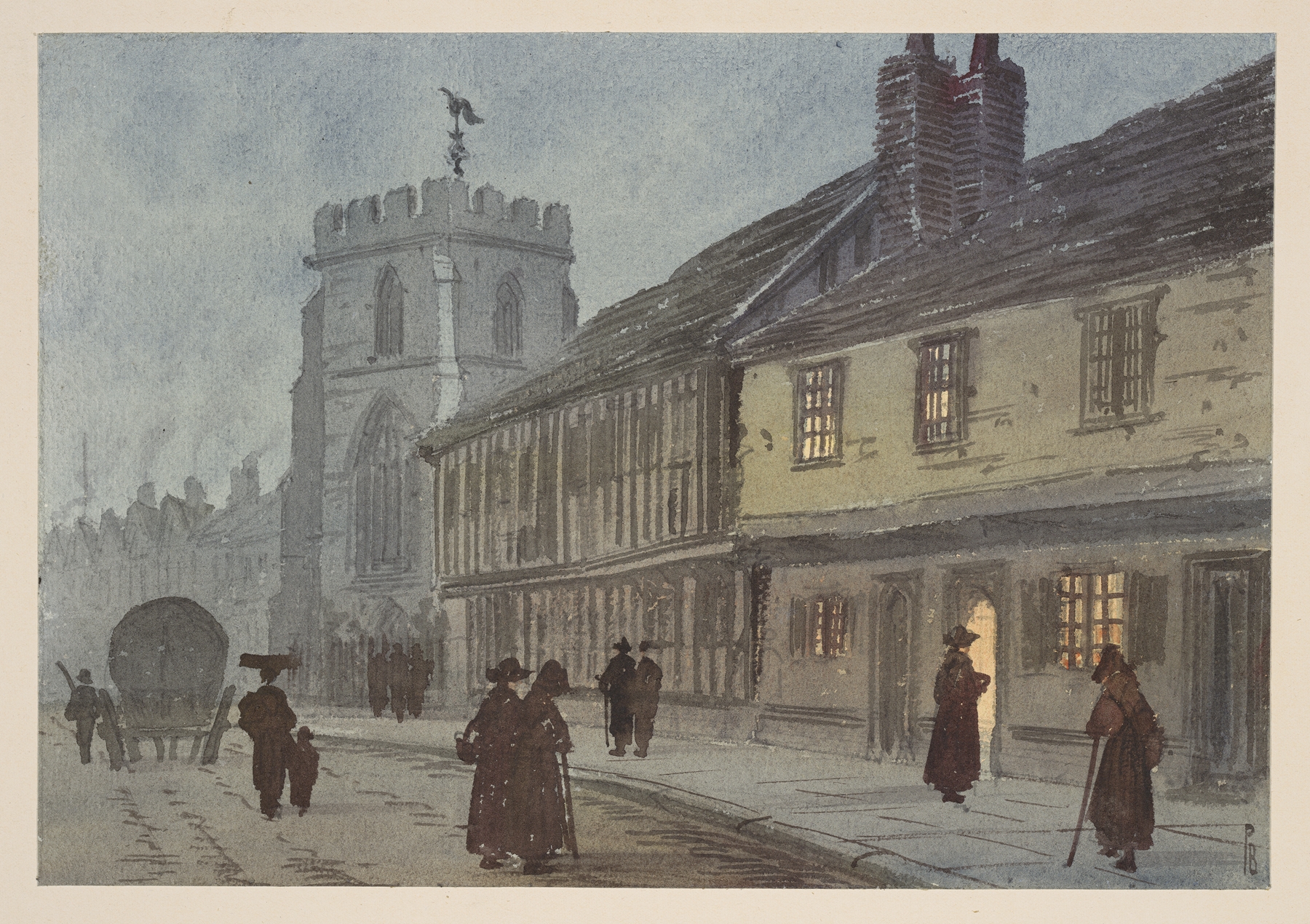
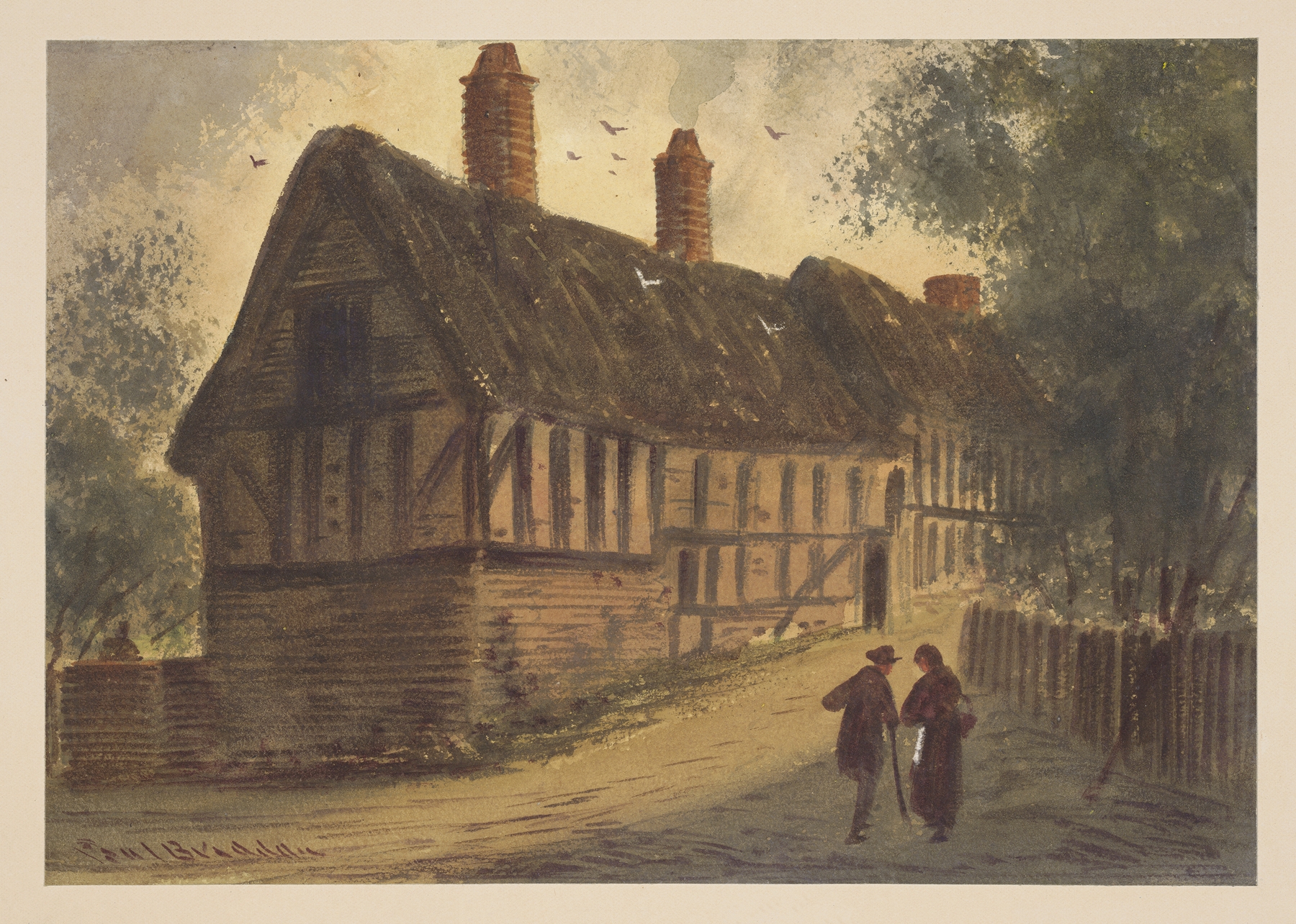
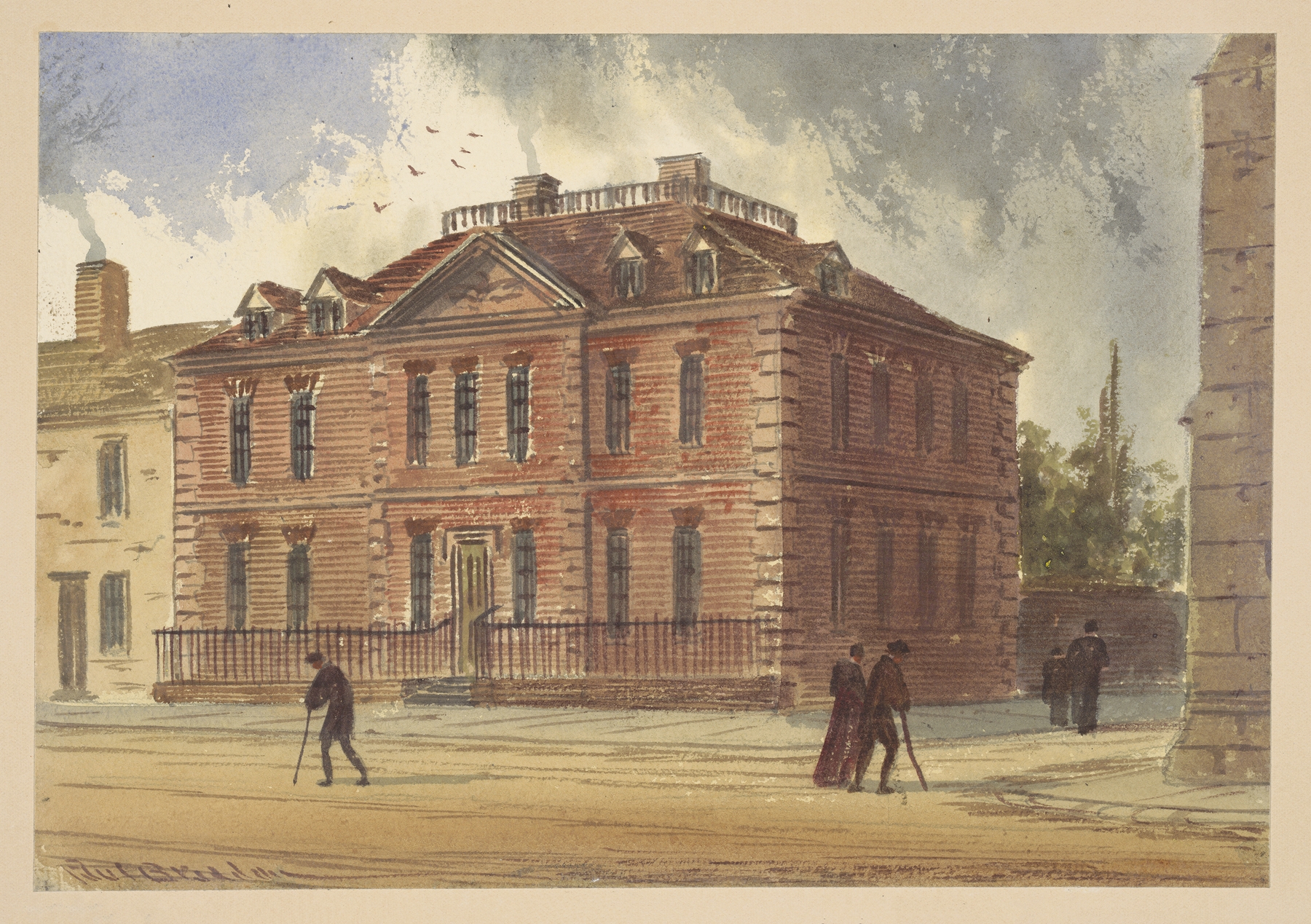
In the 19th century, Paul Braddon painted Haunts of Shakespeare Pl.13 during a time when the Romantic movement was flourishing, exploring themes of solitude and introspection. Working primarily in England, he was influenced by the literary works of the era, reflecting a deep connection to the human experience. This piece embodies that era's fascination with the interplay between nature and emotion, creating a haunting tableau that resonates with the soul.