Haunts of Shakespeare Pl.17 — History & Analysis
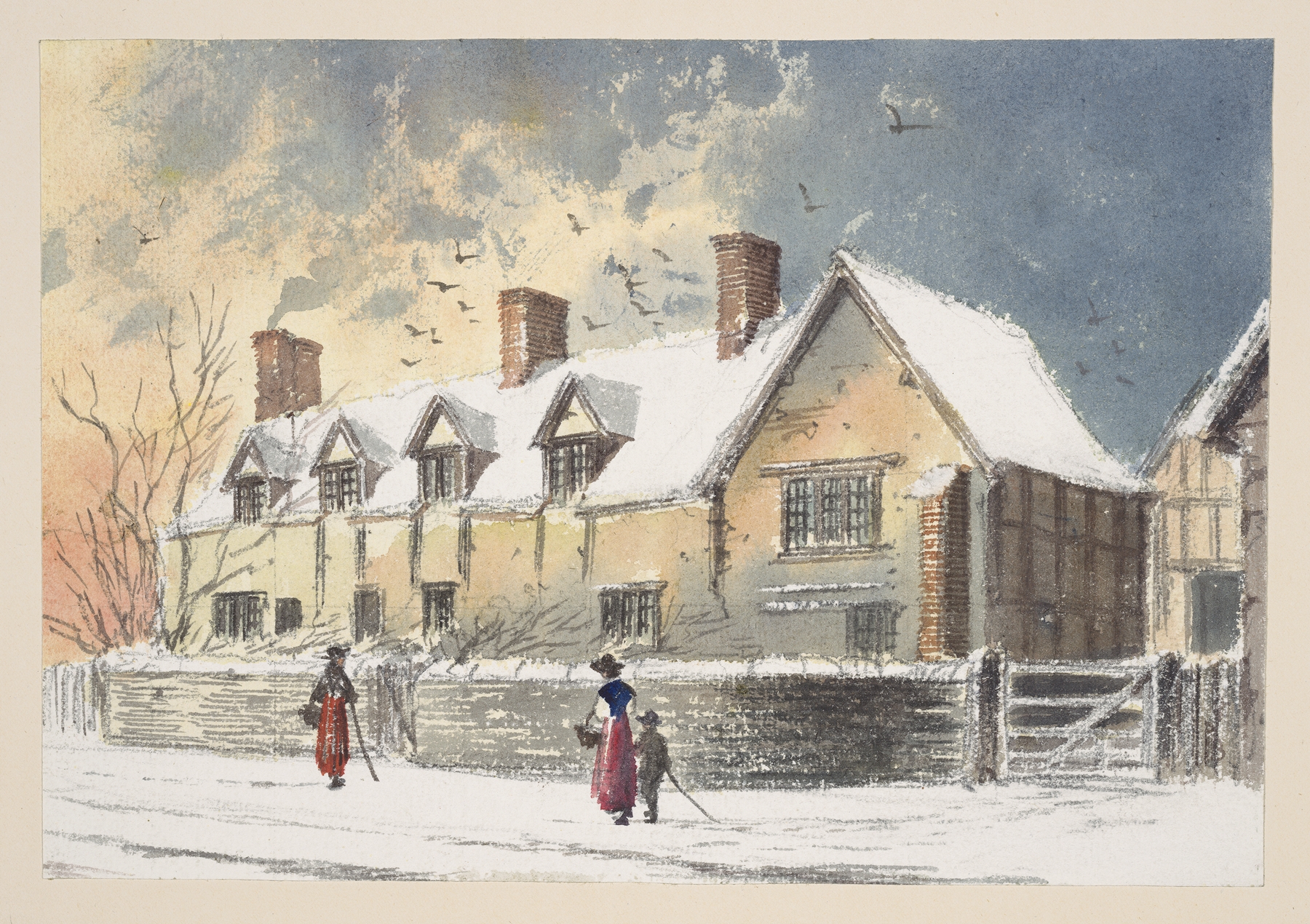
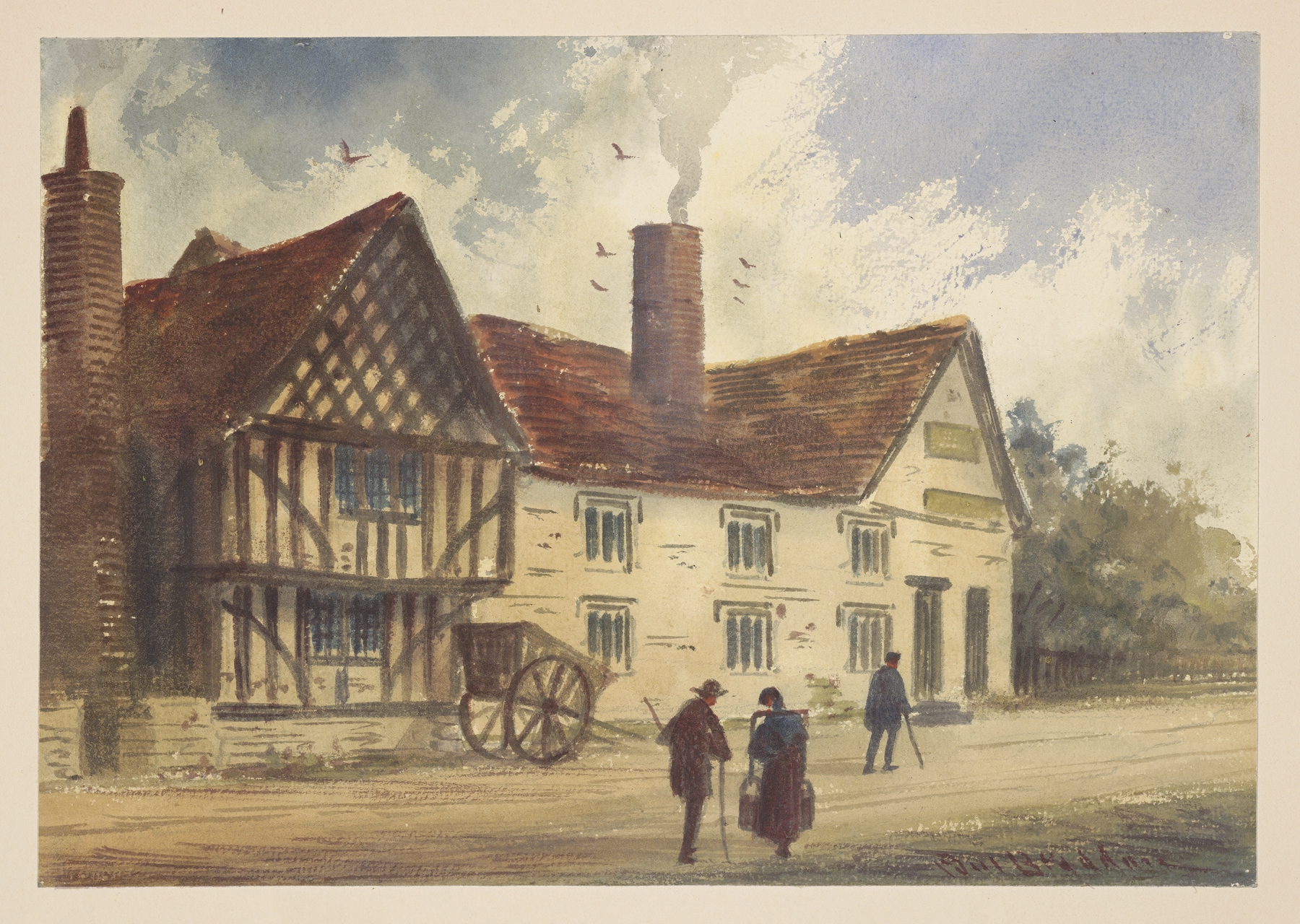
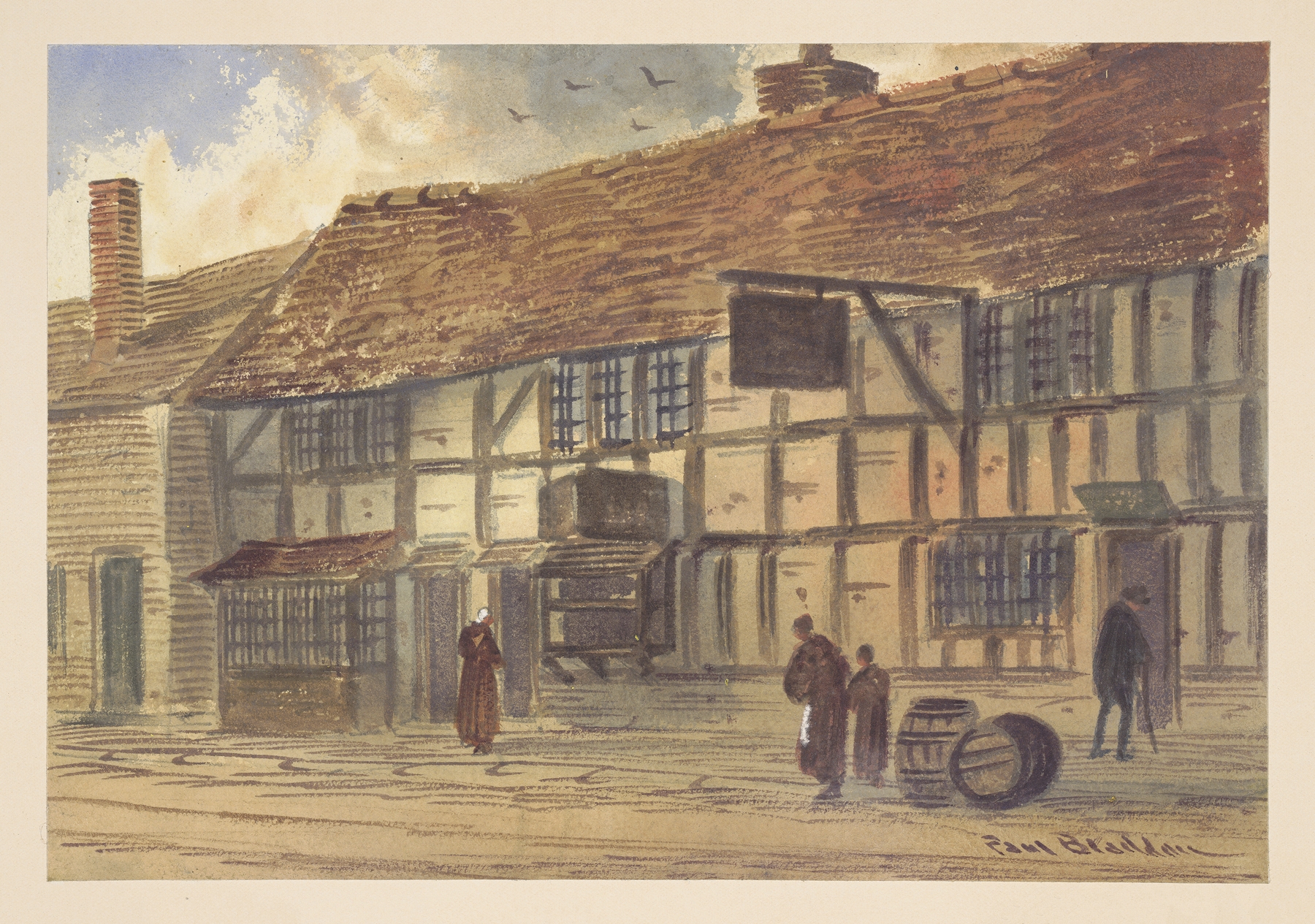
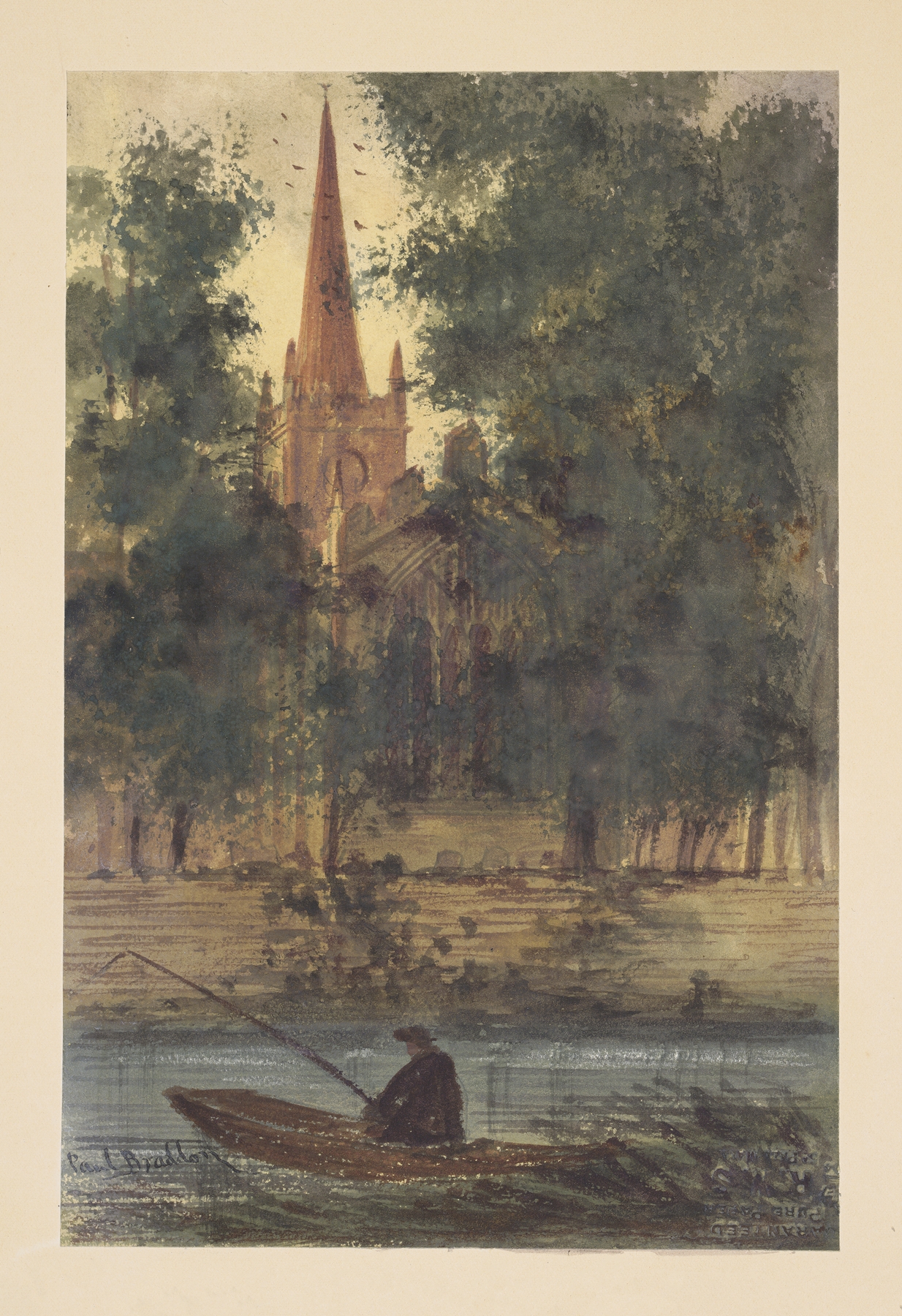
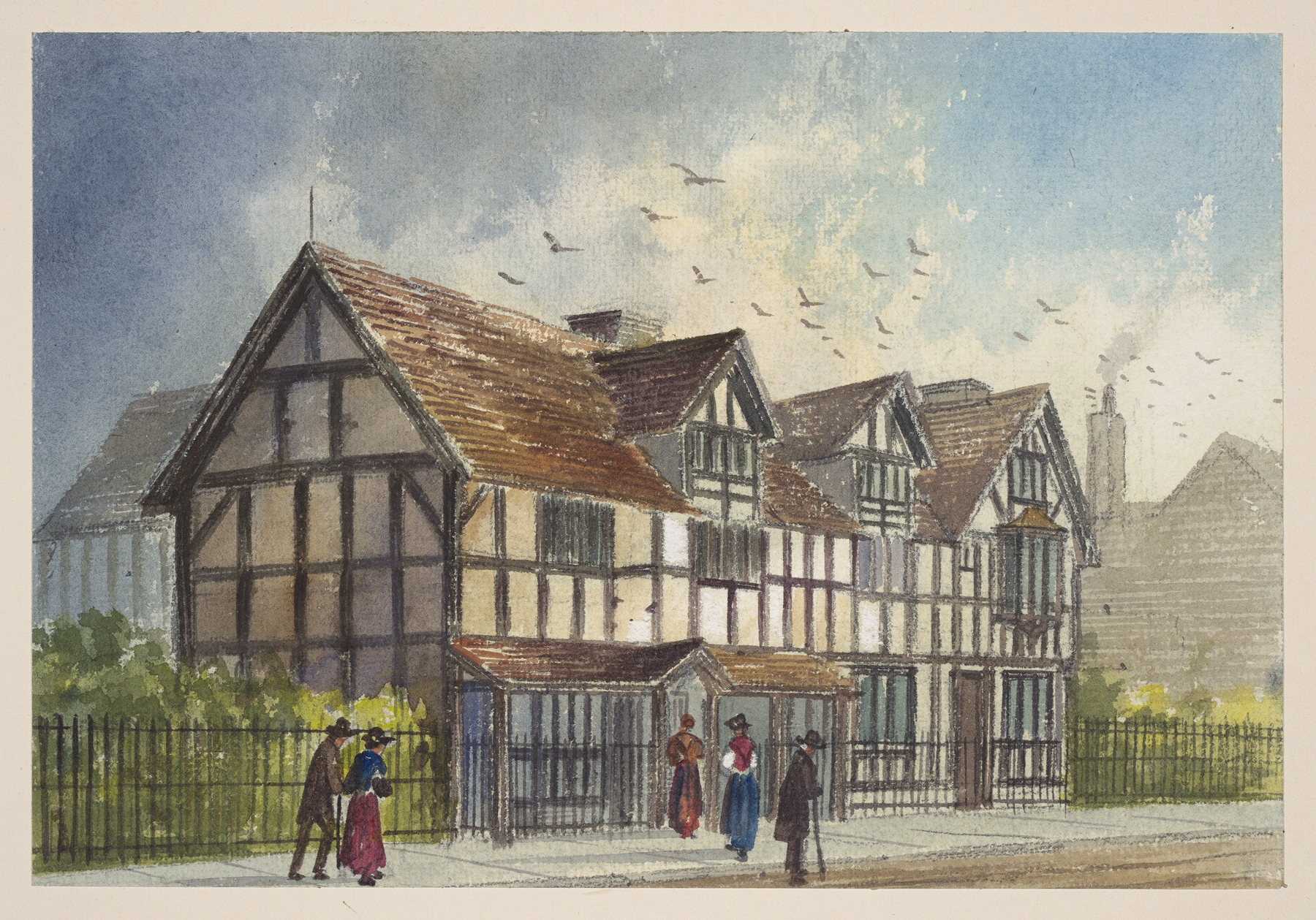
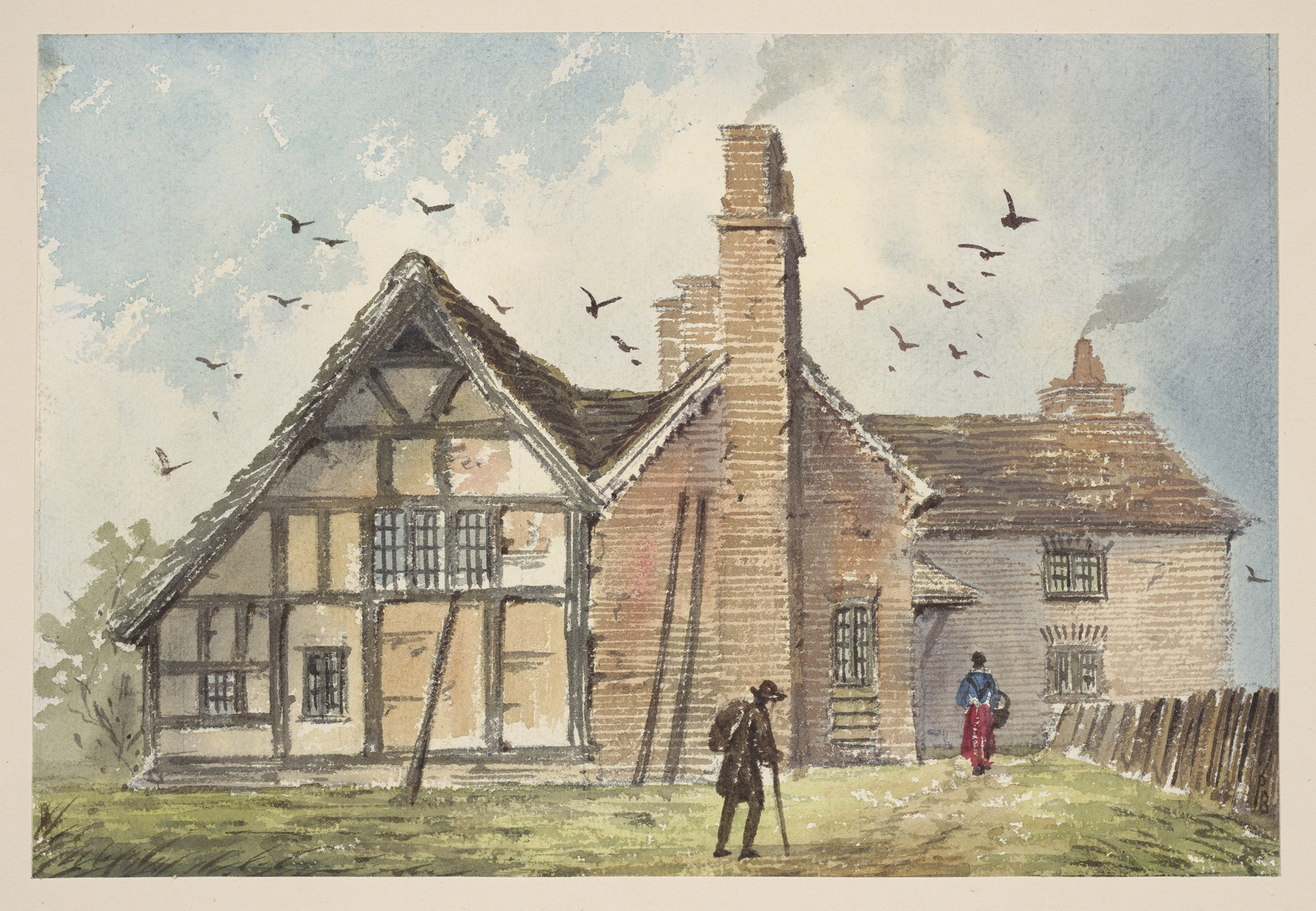
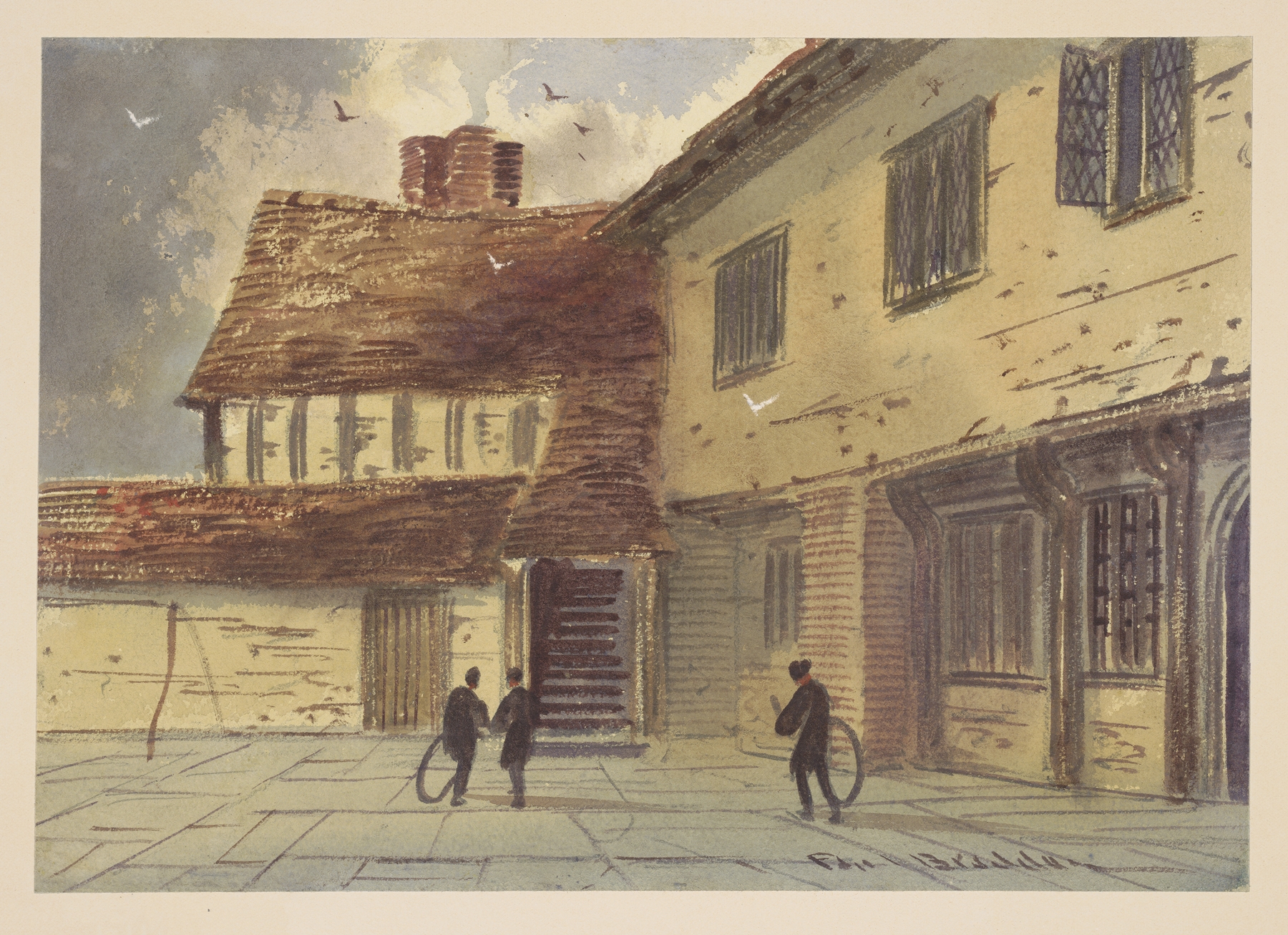
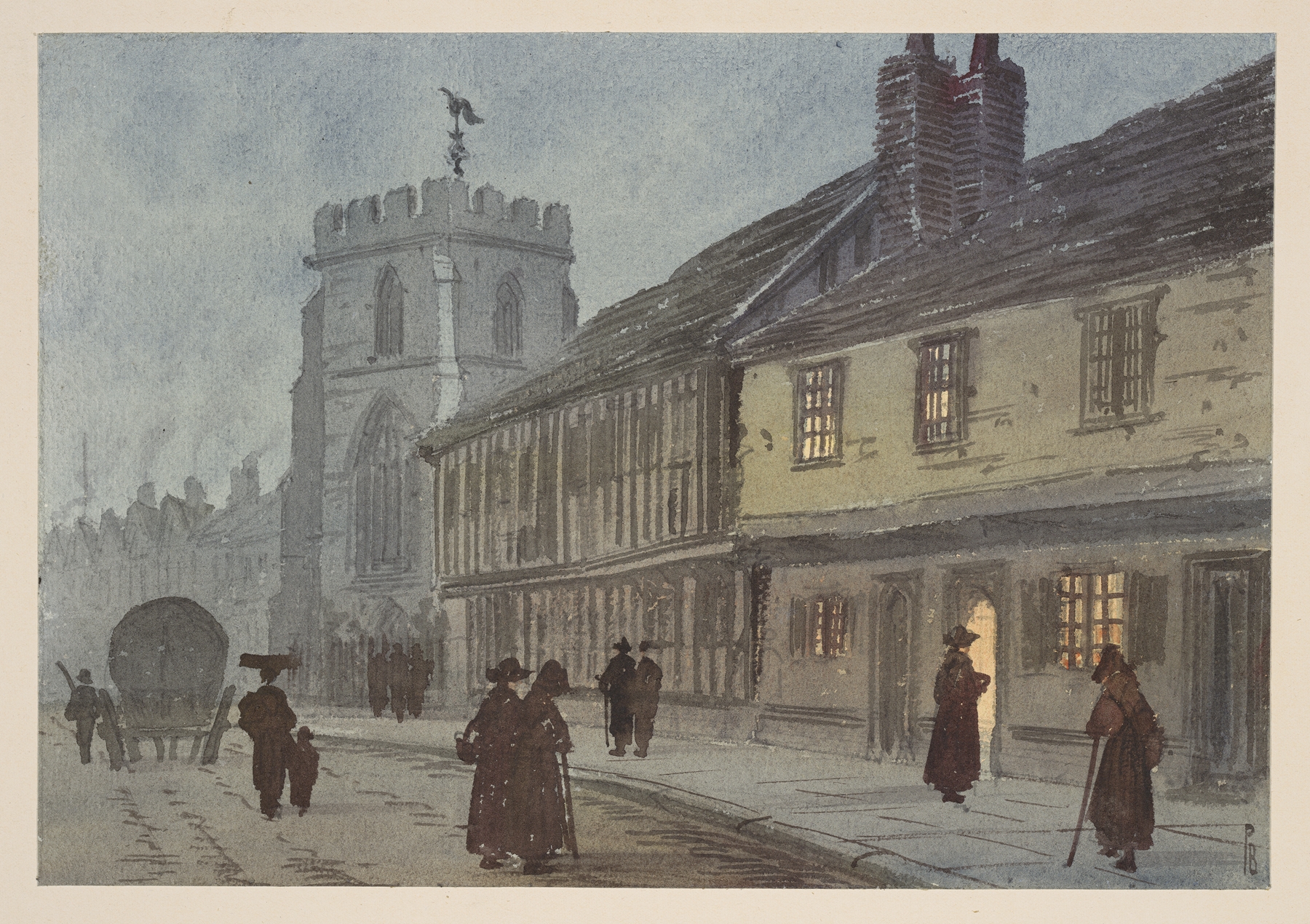
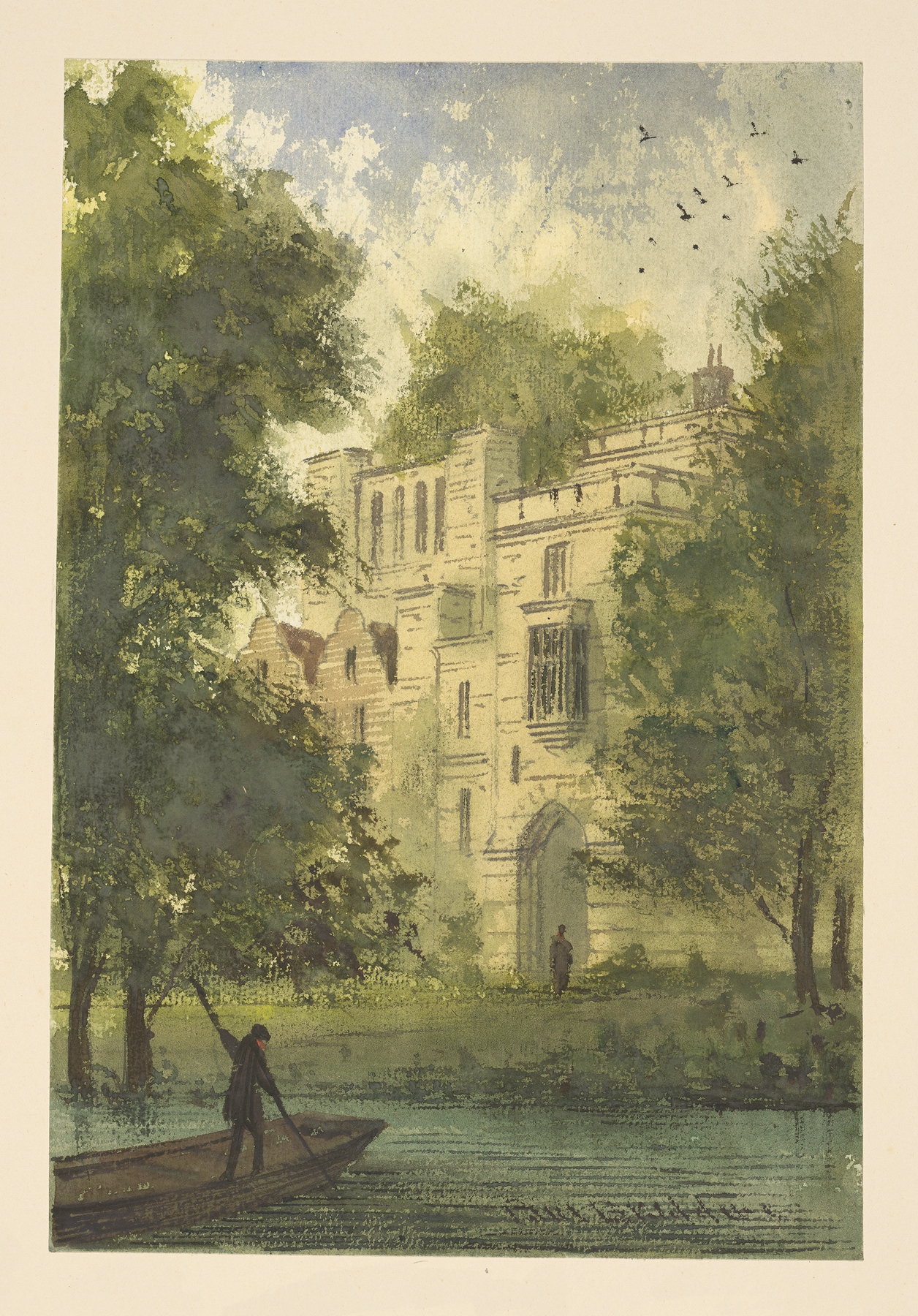
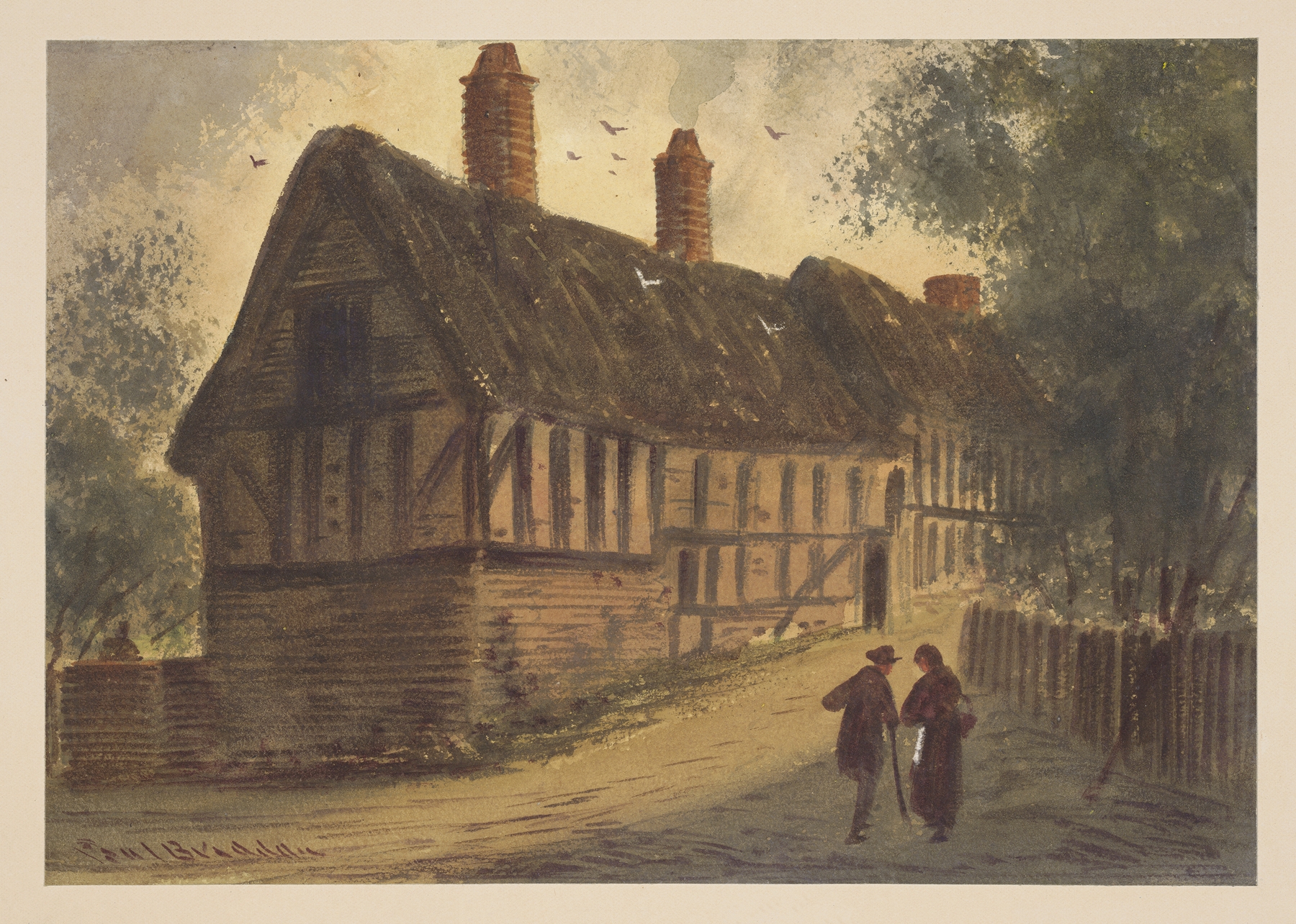
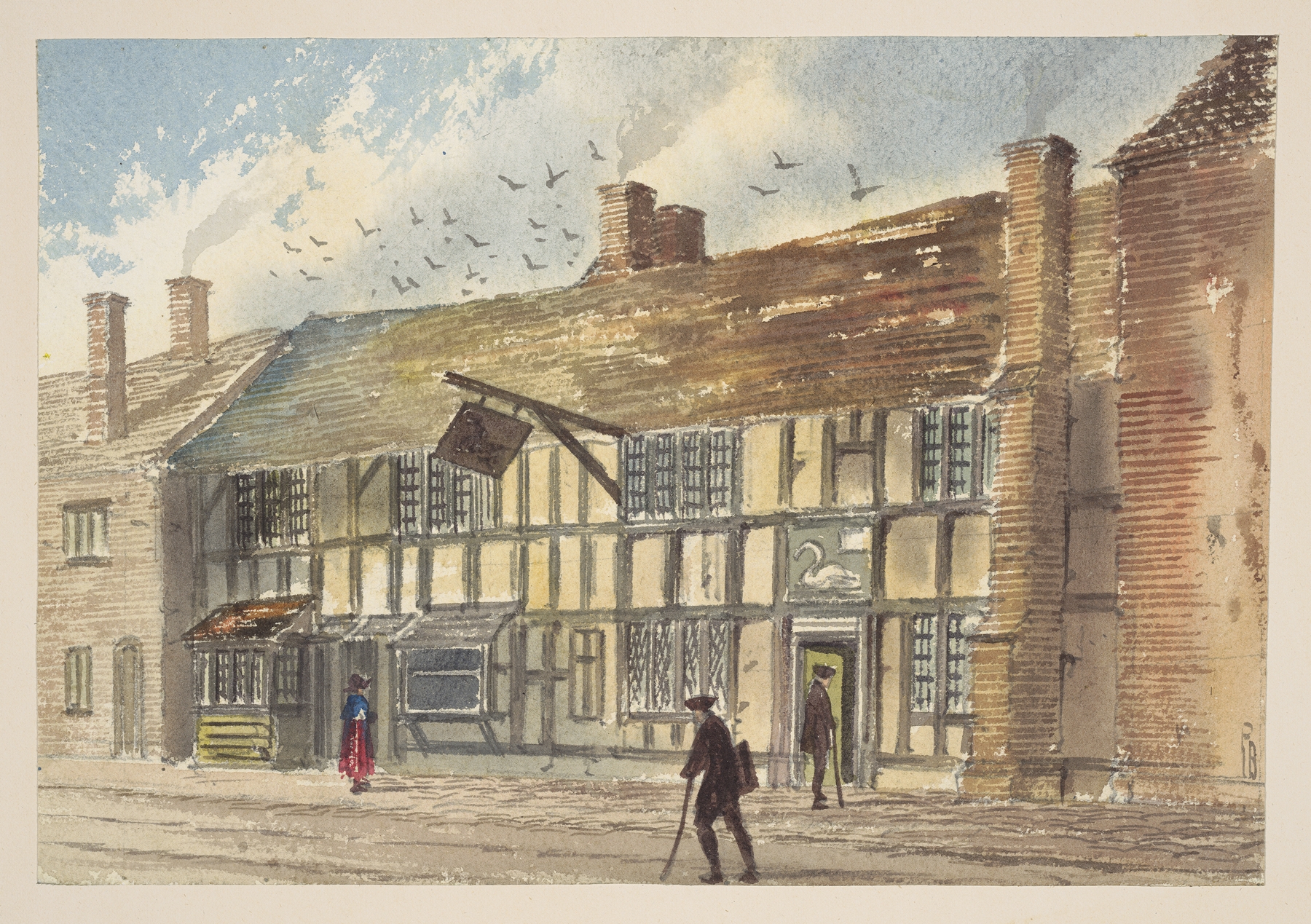
Is this a mirror — or a memory? In Haunts of Shakespeare Pl.17, the veil between reality and the imagination shimmers, revealing the madness that lurks in the shadows of the mind. Look to the center of the composition, where a spectral figure emerges, partially obscured by a swirling mist of muted grays and deep blues. The contrast between the ethereal presence and the somber backdrop pulls the viewer's gaze, evoking a sense of both intrigue and melancholy. Notice how the brushwork is fluid, almost ghostly, suggesting a transient essence — a fleeting thought or a long-forgotten whisper.
Layers of texture invite your eye to travel across the surface, where the interplay of light and dark creates an atmosphere rife with tension. Upon closer inspection, the elements of the painting reveal deeper emotional currents. The haunting figure, possibly an incarnation of Shakespearean characters, embodies the madness of artistic creation, a reflection of the tumultuous interplay between genius and insanity. The swirling fog can be interpreted as the obscured boundaries of reality, hinting at the fine line between inspiration and despair.
Each stroke seems to echo the psychological turmoil that haunts artists, suggesting that there is beauty in sorrow, and madness is often a companion of creativity. In the 19th century, Paul Braddon created Haunts of Shakespeare Pl.17 during a period marked by a resurgence of interest in literary figures and tragic themes. Living in England, Braddon was influenced by the Romantic movement, which celebrated emotional depth and the complexities of the human experience. This painting reflects not only his personal artistic journey but also a broader cultural fascination with the darker facets of creativity, positioning Shakespeare as both an icon and a mirror of our own inner struggles.