Haunts of Shakespeare Pl.20 — History & Analysis
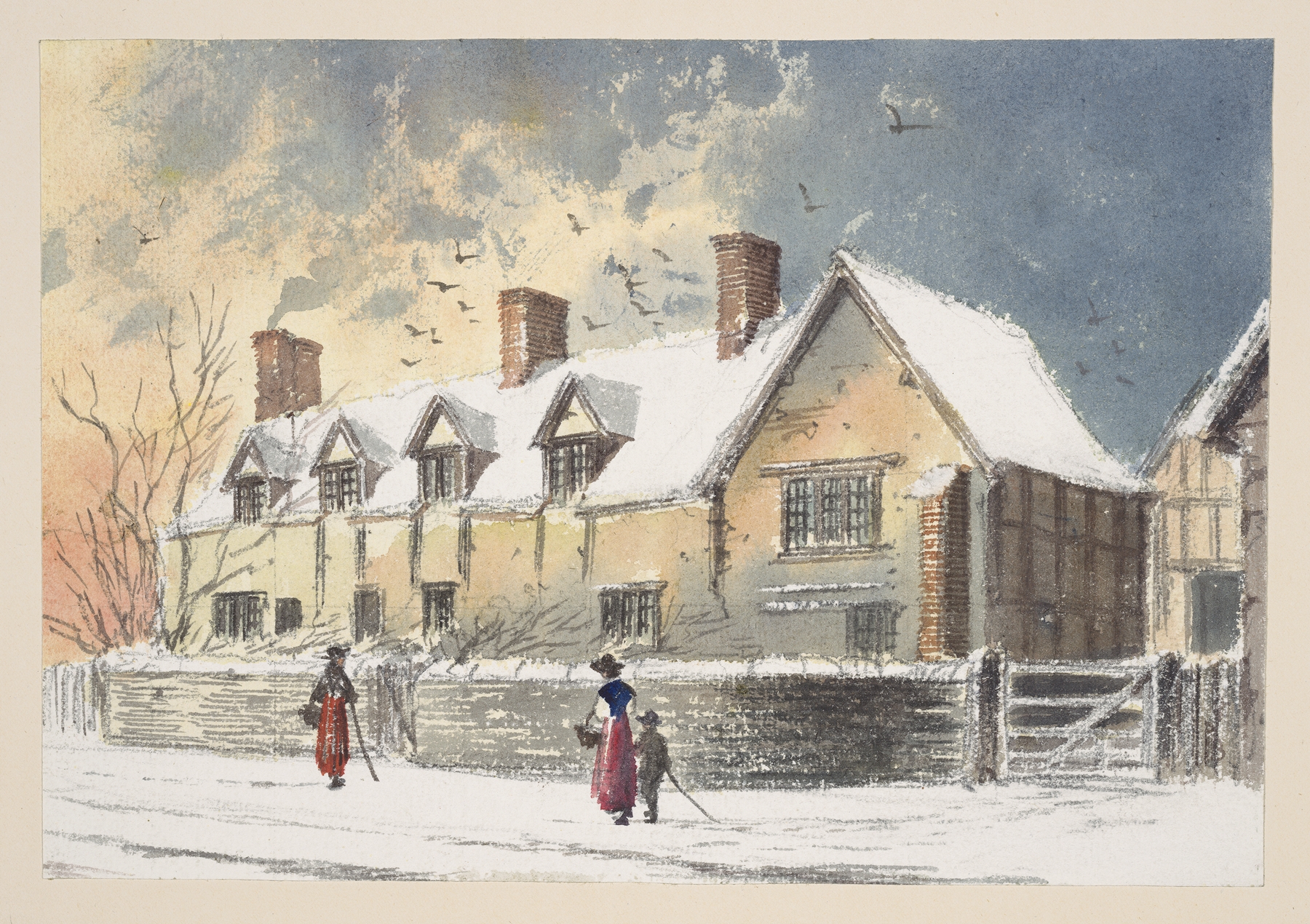
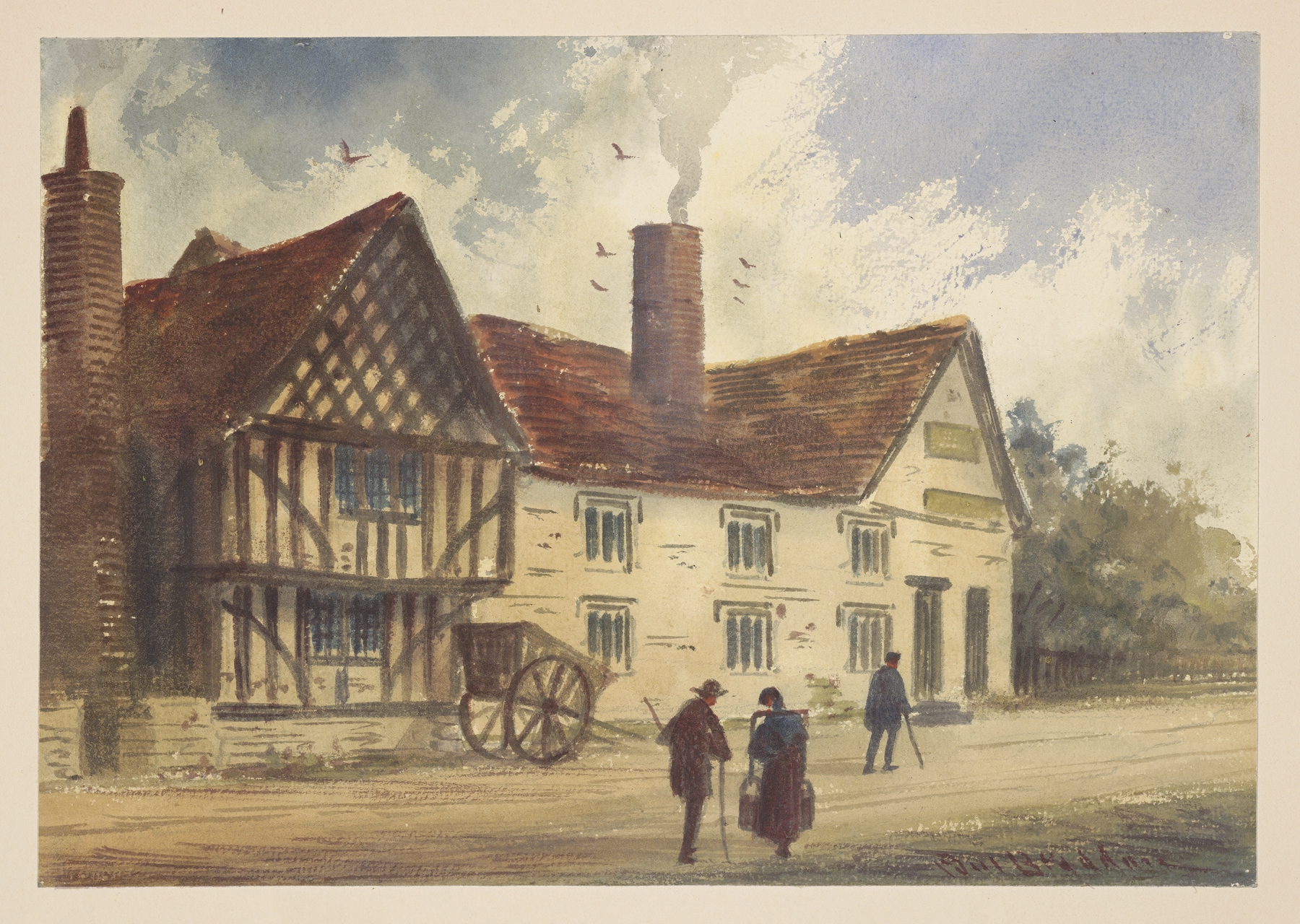
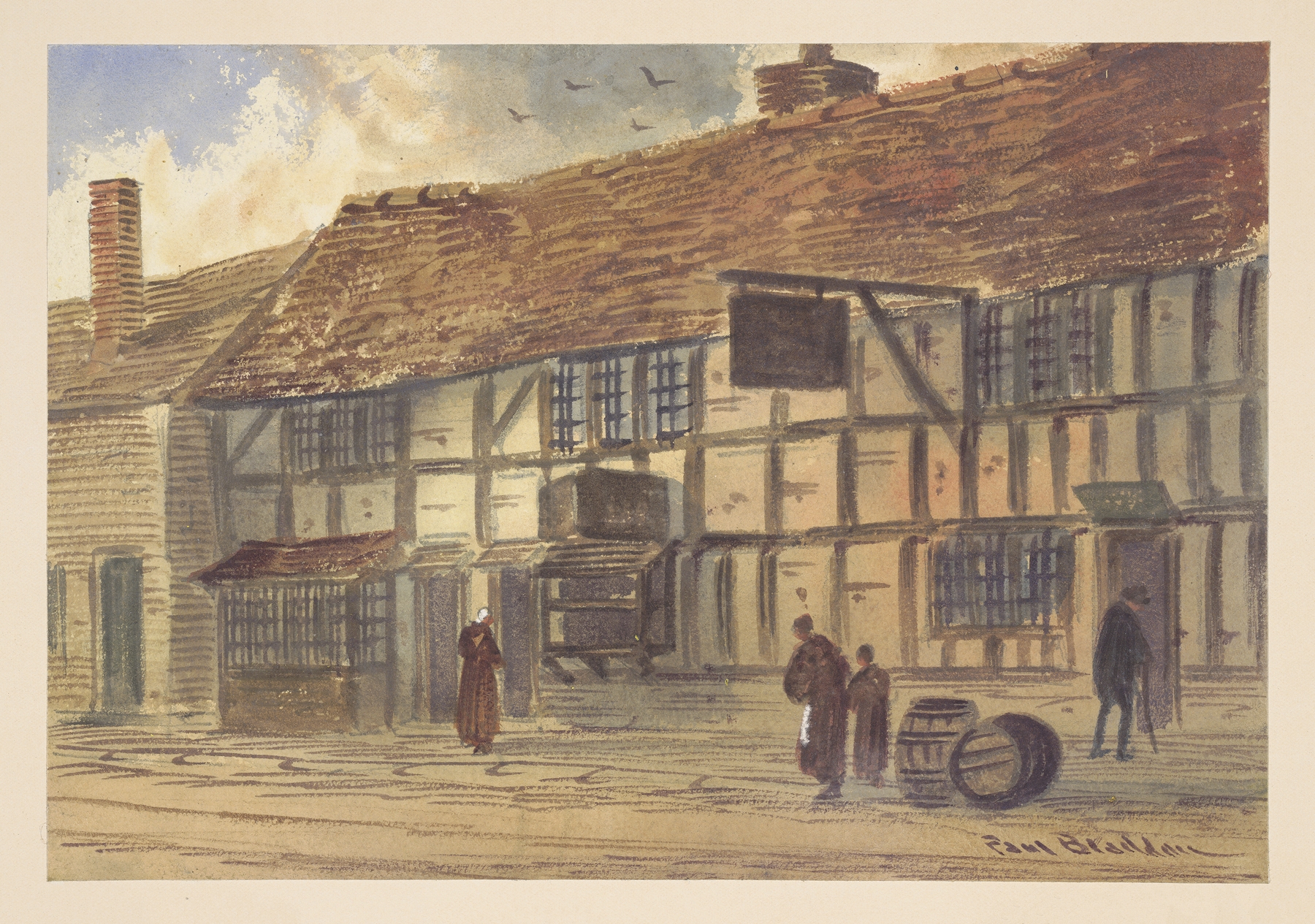
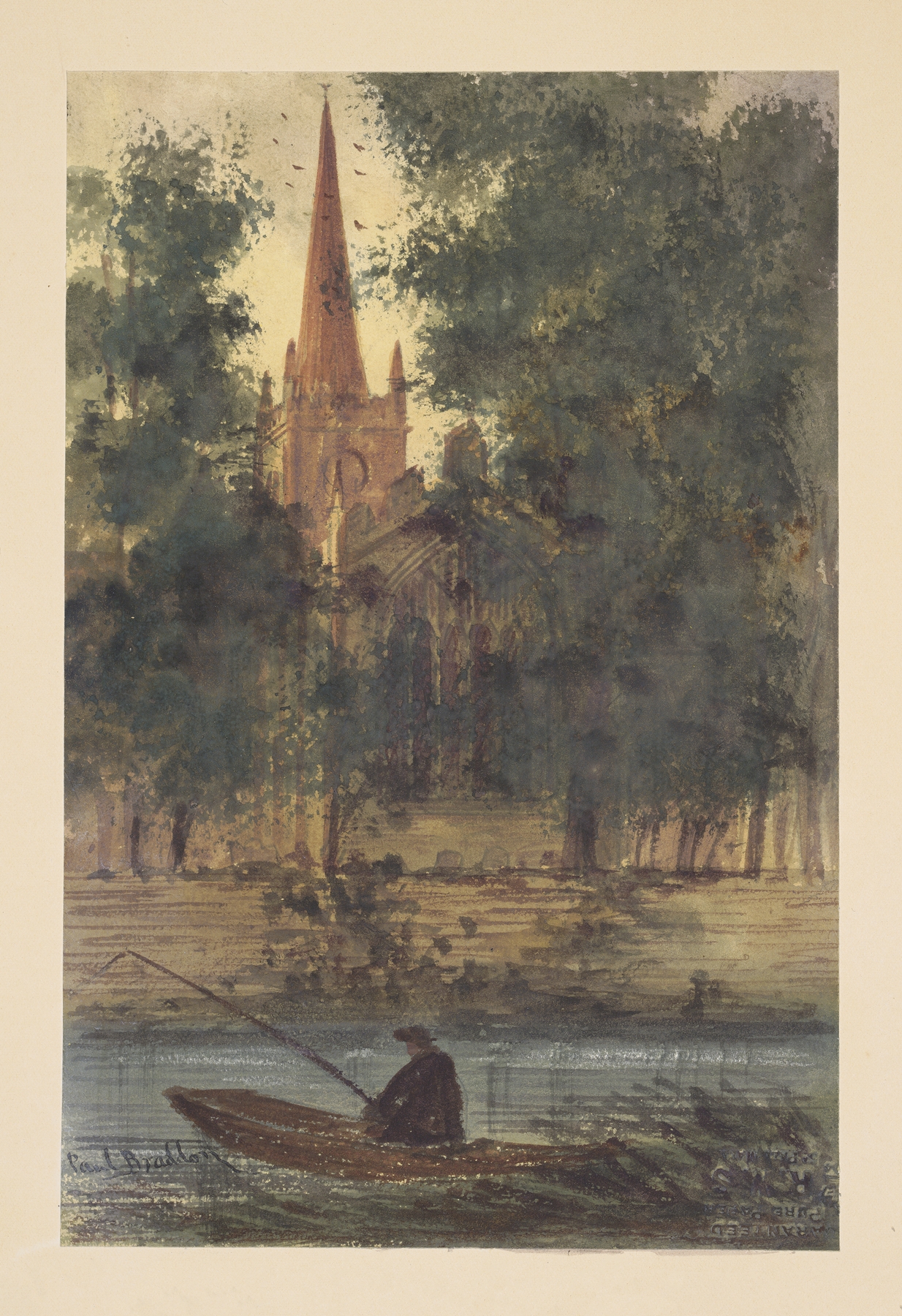
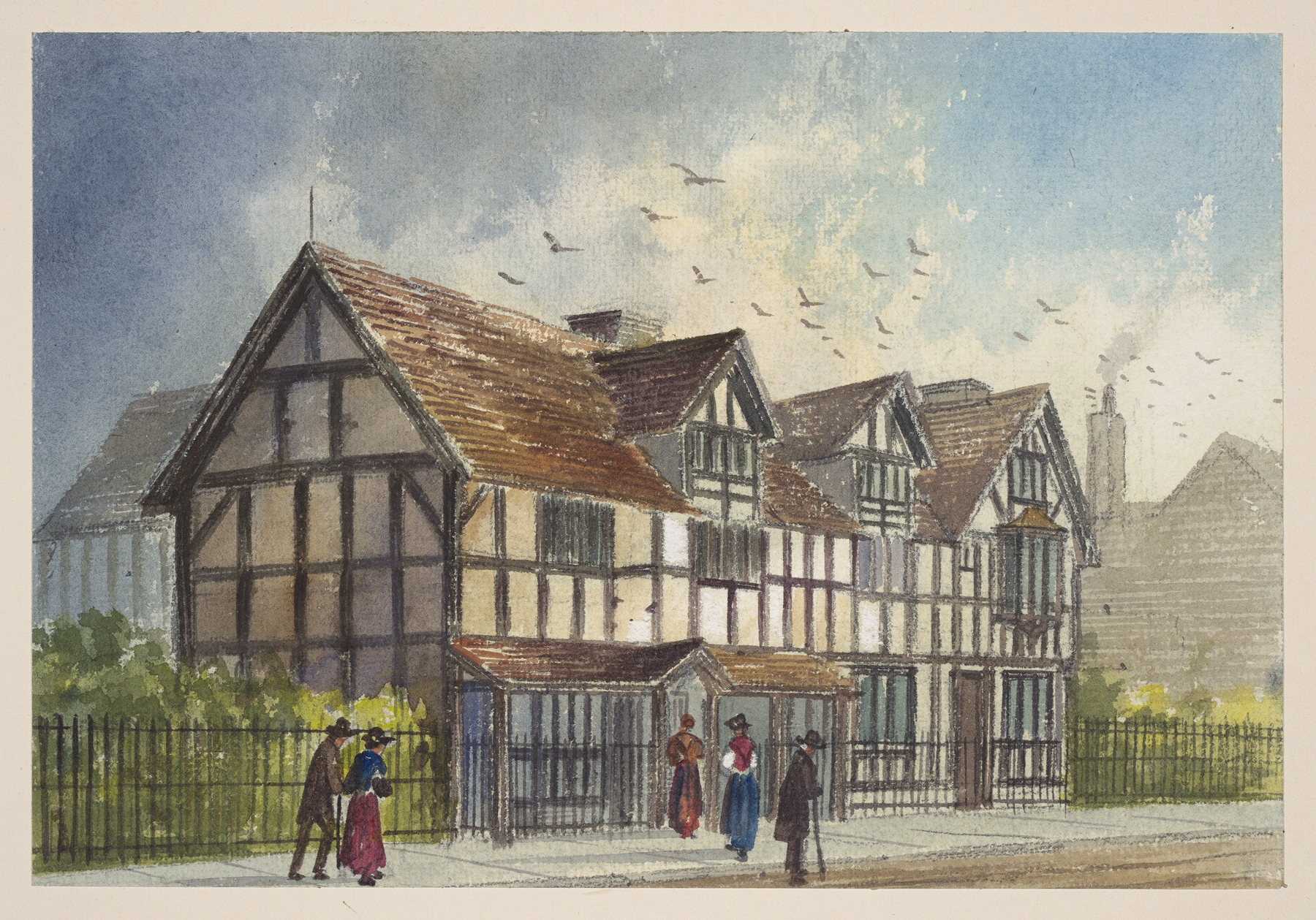
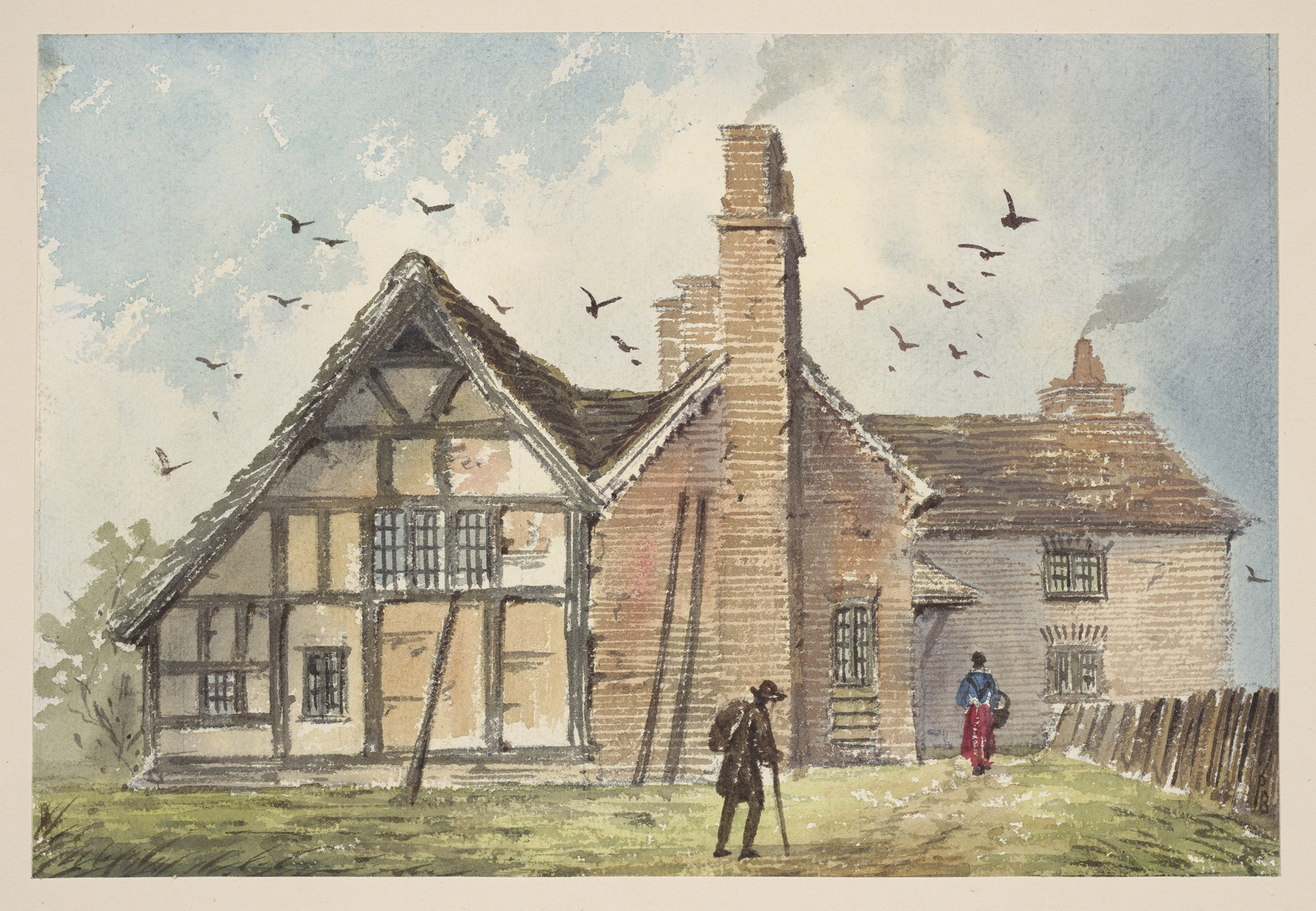
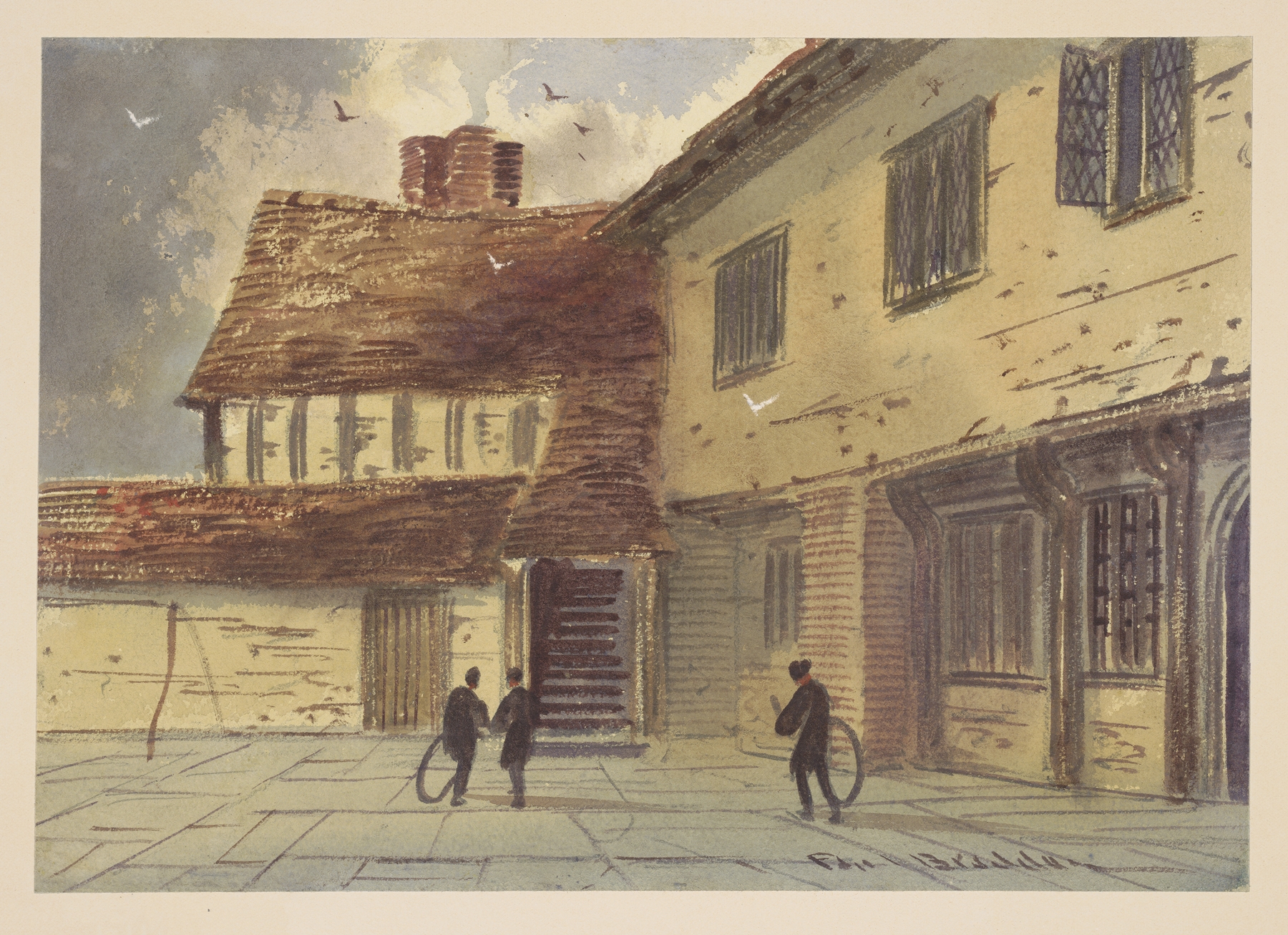
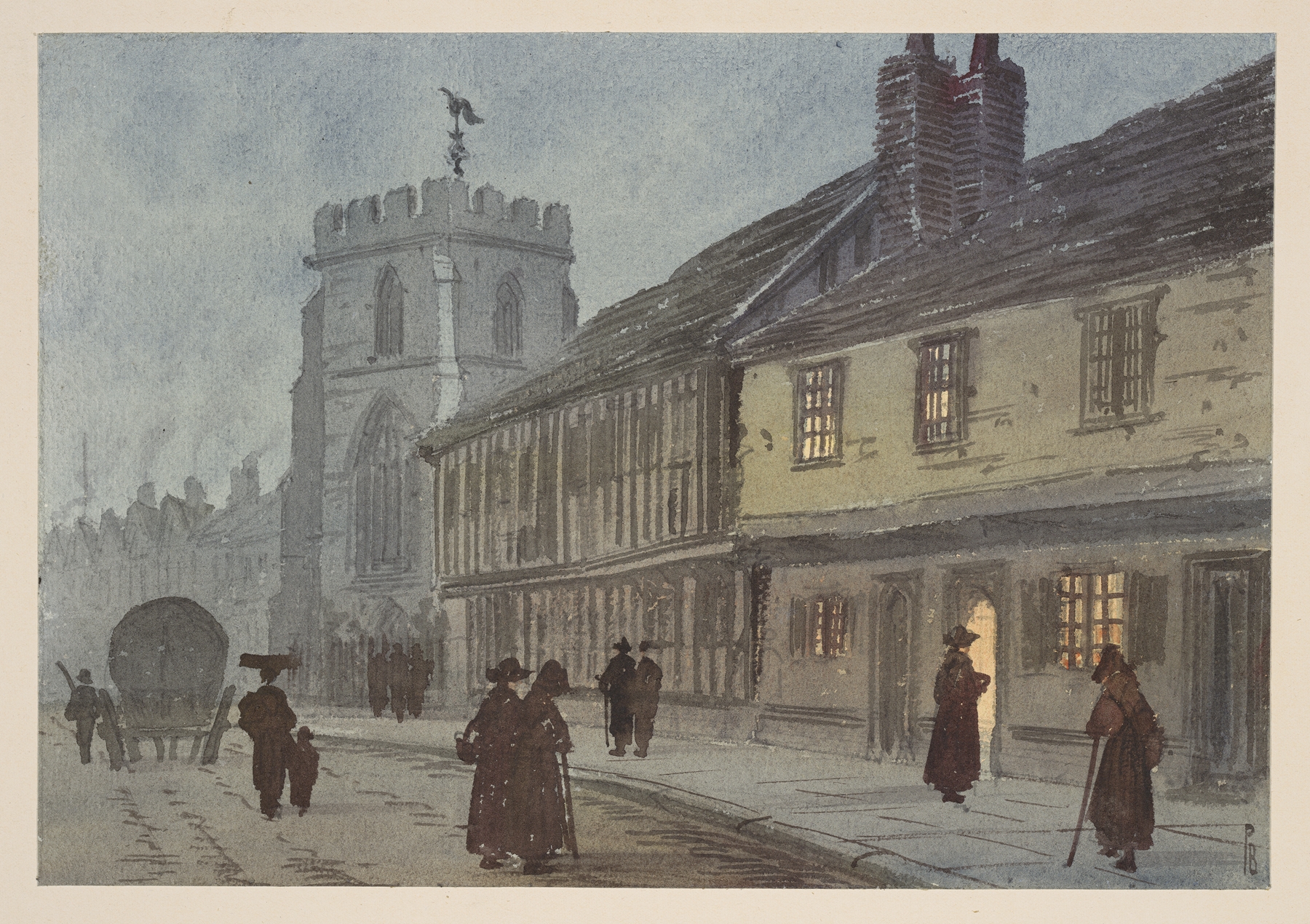
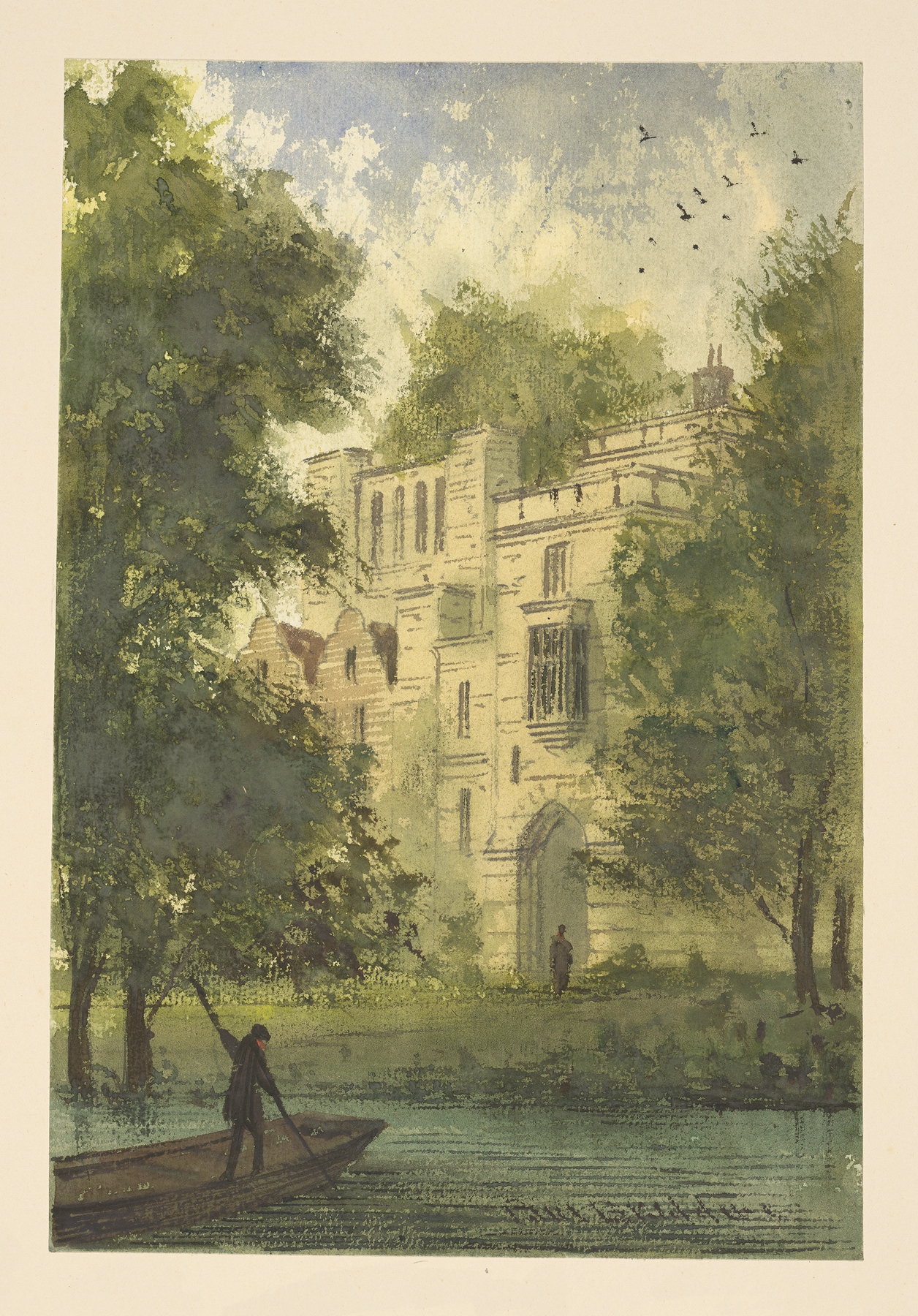
Can paint confess what words never could? In Haunts of Shakespeare Pl.20, a quiet yet palpable yearning permeates the canvas, inviting the viewer to feel the whispers of a lost world. Look to the left where the aged stone walls cradle delicate vines, their tendrils reaching out as if longing for a touch. The soft, muted palette evokes a sense of nostalgia, with shades of green and gray weaving together like memories fading in twilight.
Notice how the light filters through the leaves, casting gentle shadows that dance upon the ground, creating a serene yet contemplative atmosphere. Every brushstroke evokes the weight of history, guiding the viewer’s gaze with a tender hand. As you delve deeper, the contrast between the lush foliage and the crumbling architecture reveals layers of emotional tension. The encroaching nature seems to reclaim what was once vibrant and alive, reminding us of the inevitability of time and change.
This haunting juxtaposition speaks to the intersection of beauty and decay, urging us to confront our own fleeting moments. Each detail, from the textured stone to the delicate petals, encapsulates a story of love, loss, and the relentless passage of time. Paul Braddon painted Haunts of Shakespeare Pl.20 in the late 19th century, a time when the Pre-Raphaelite movement was prompting artists to explore deeper emotional landscapes. Living in England, he was surrounded by a resurgent interest in romantic literature, particularly the works of Shakespeare, which inspired him to capture the essence of the Bard's enduring legacy.