Haunts of Shakespeare Pl.21 — History & Analysis
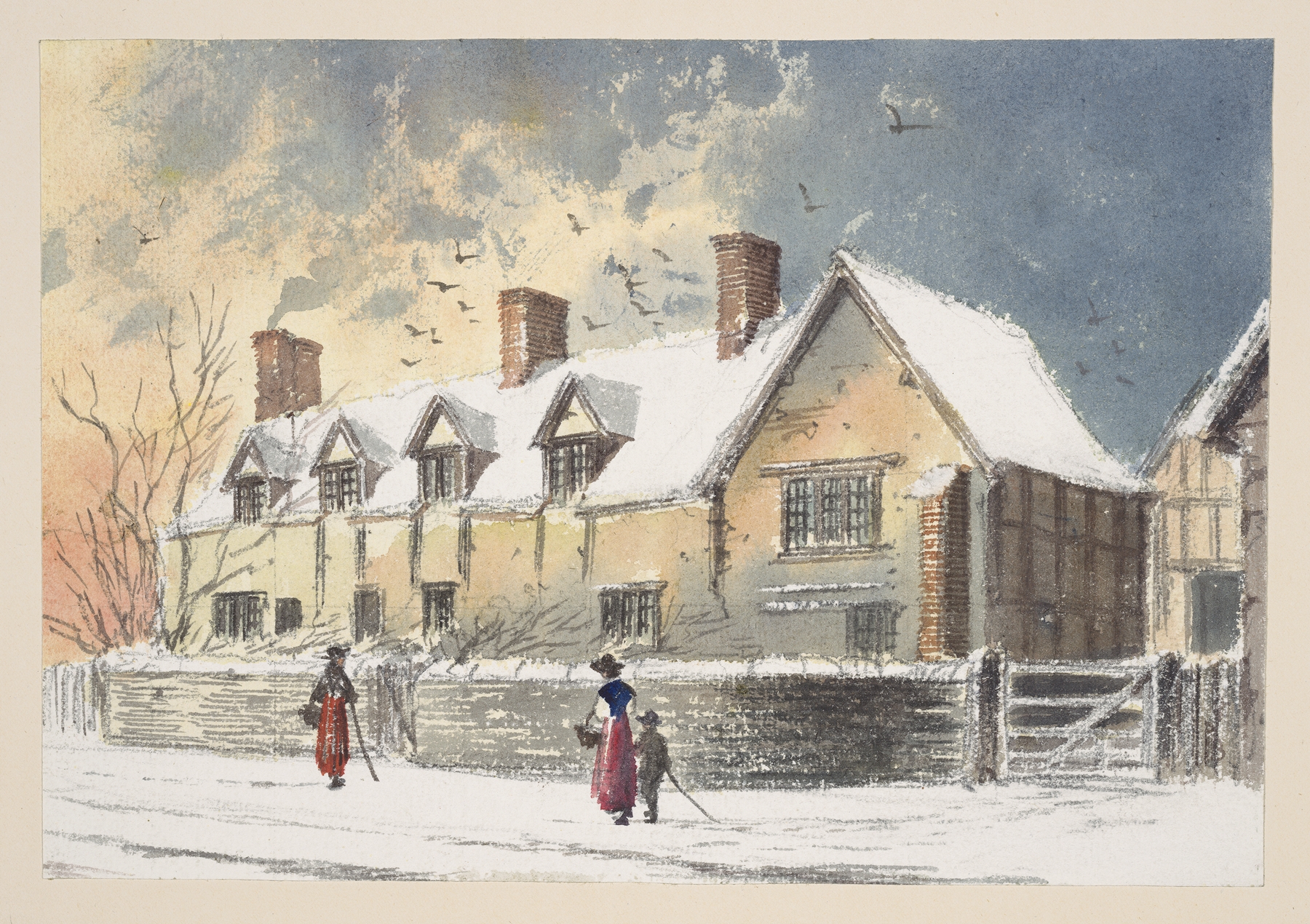
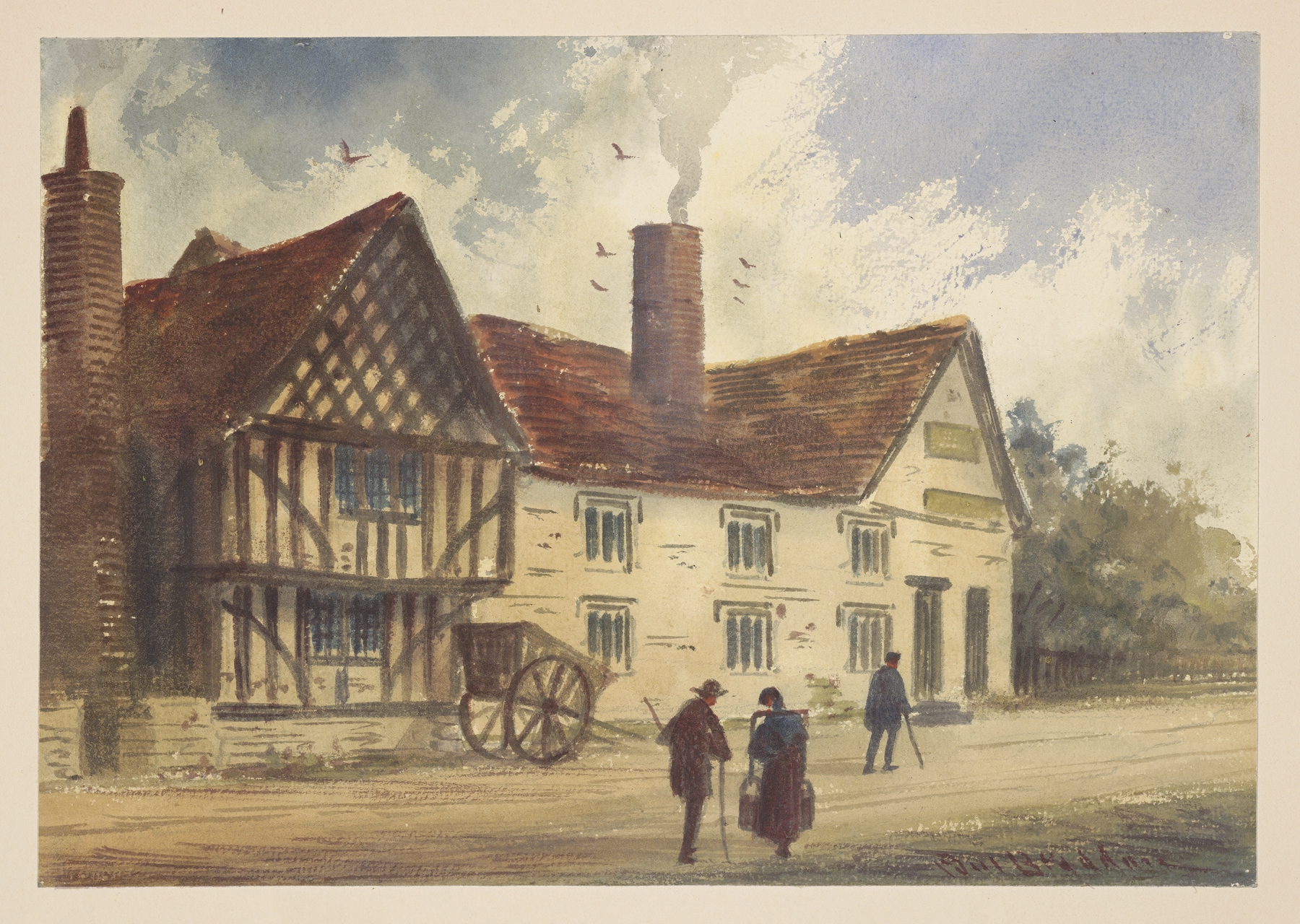
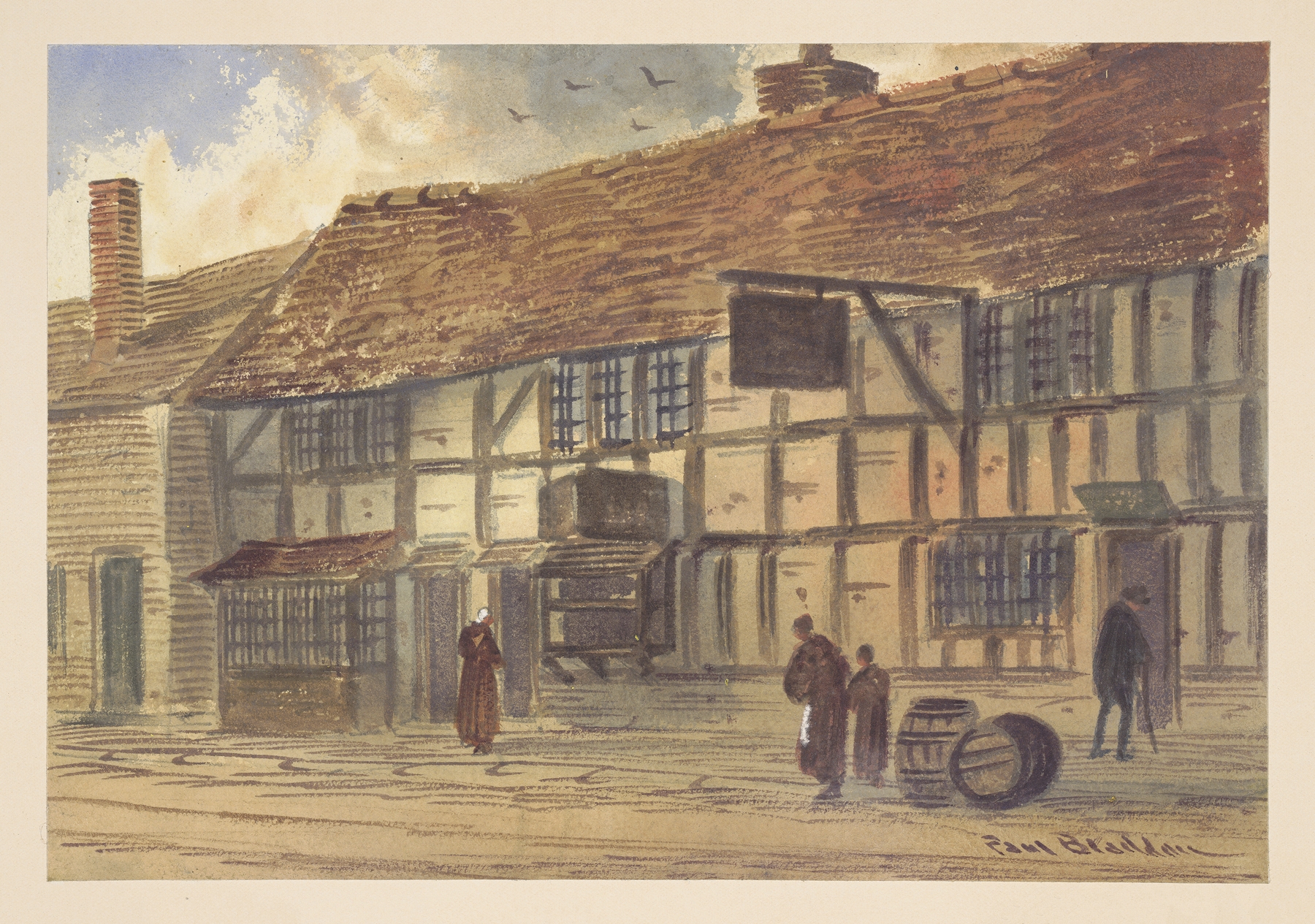
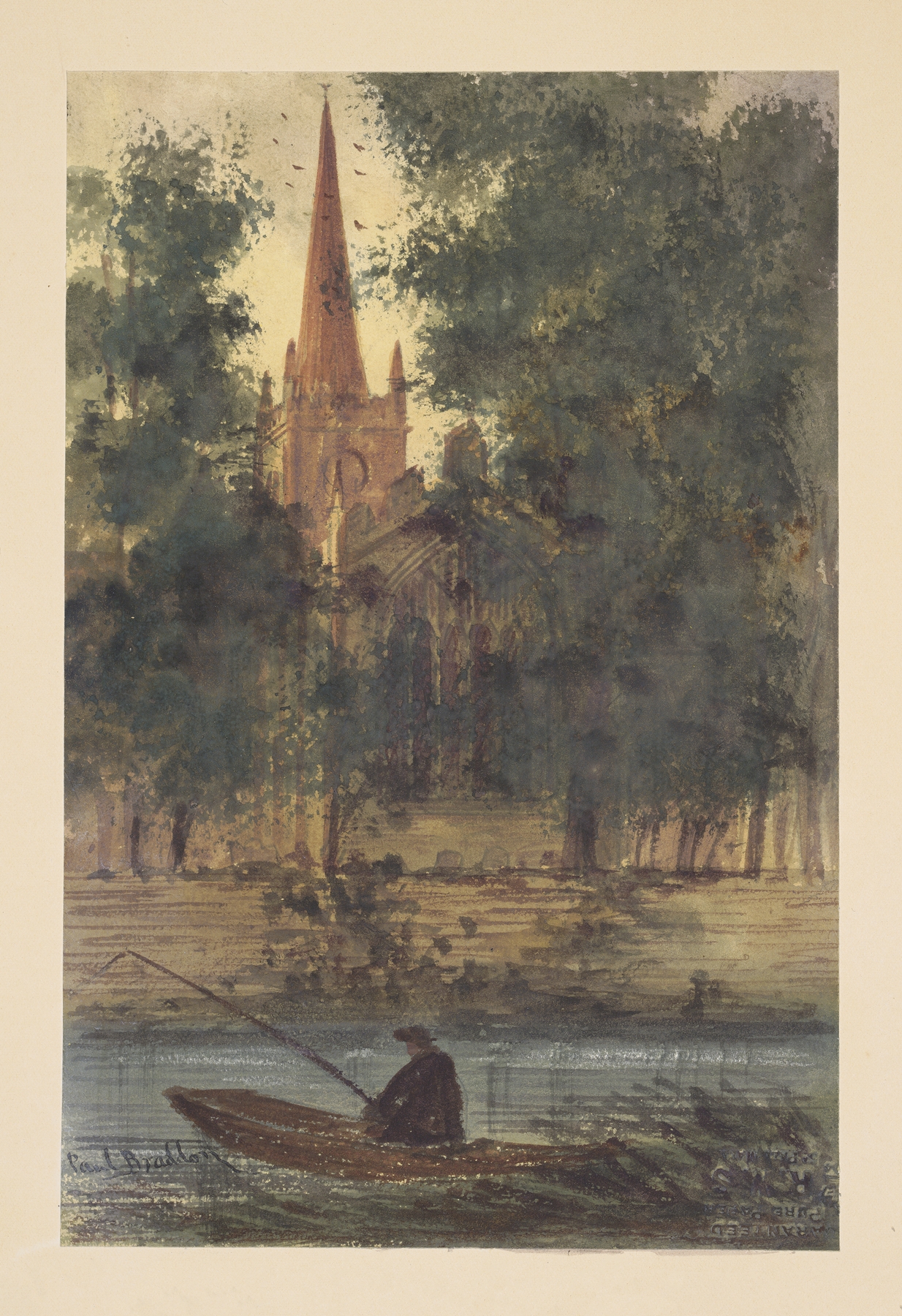
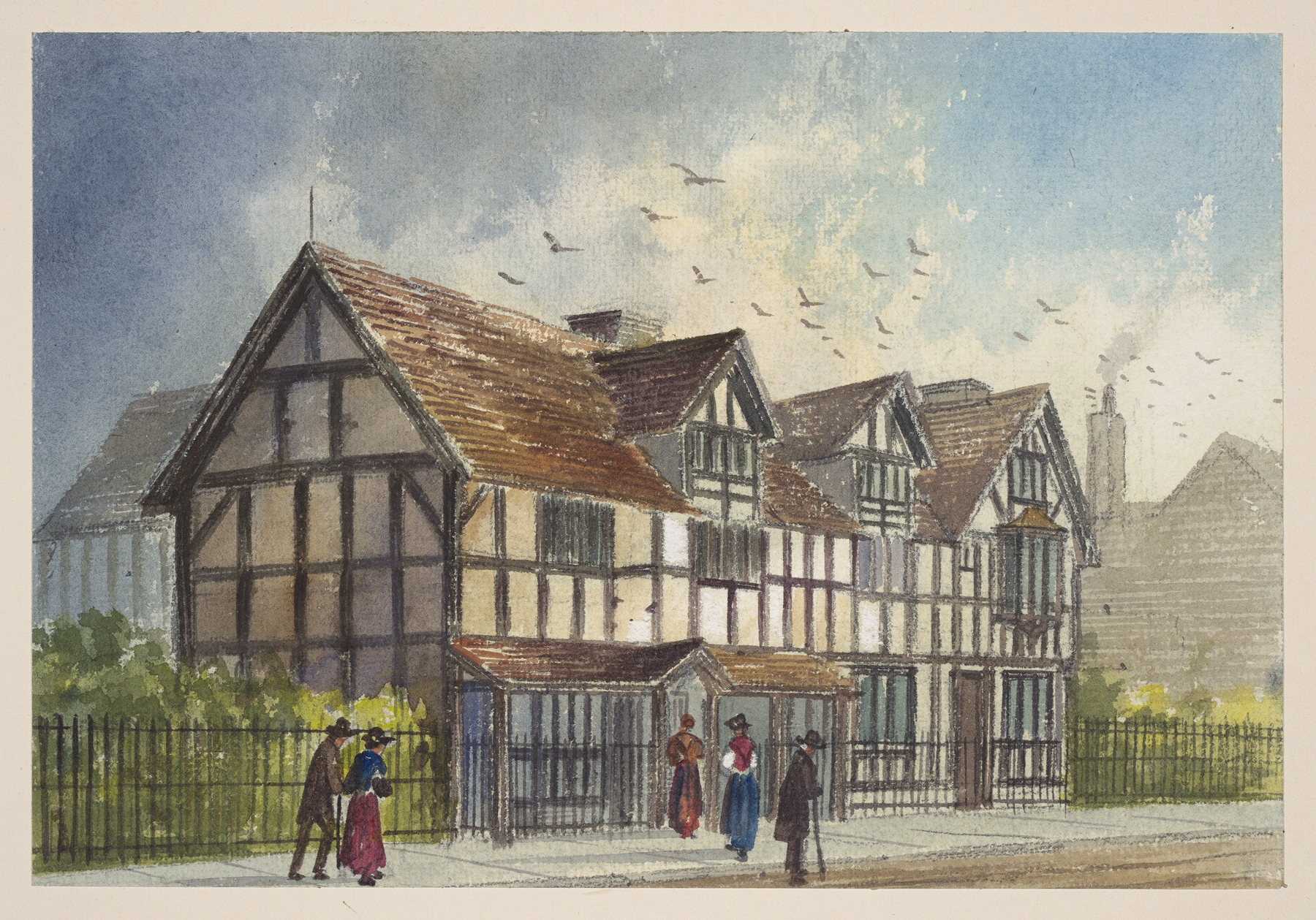
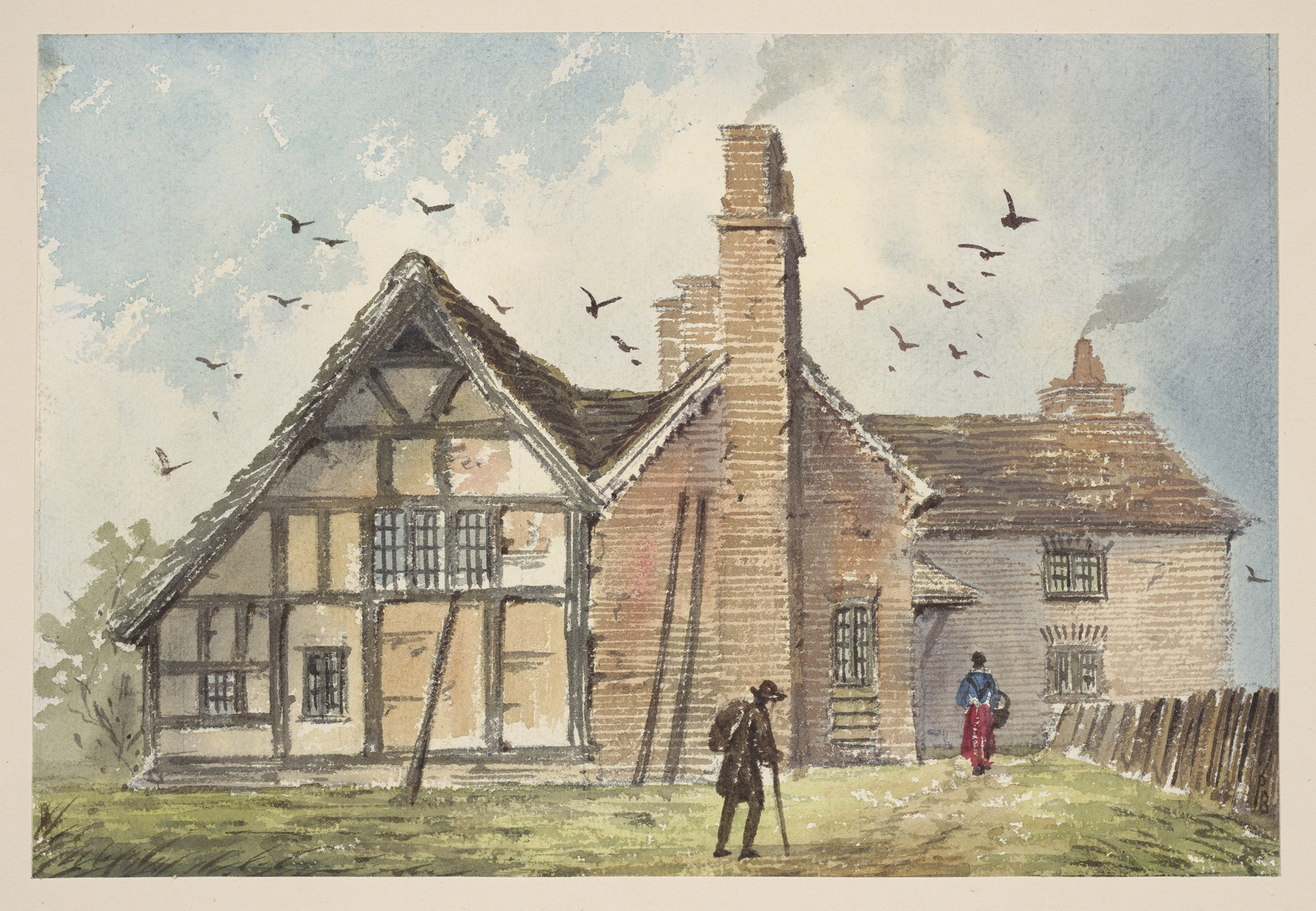
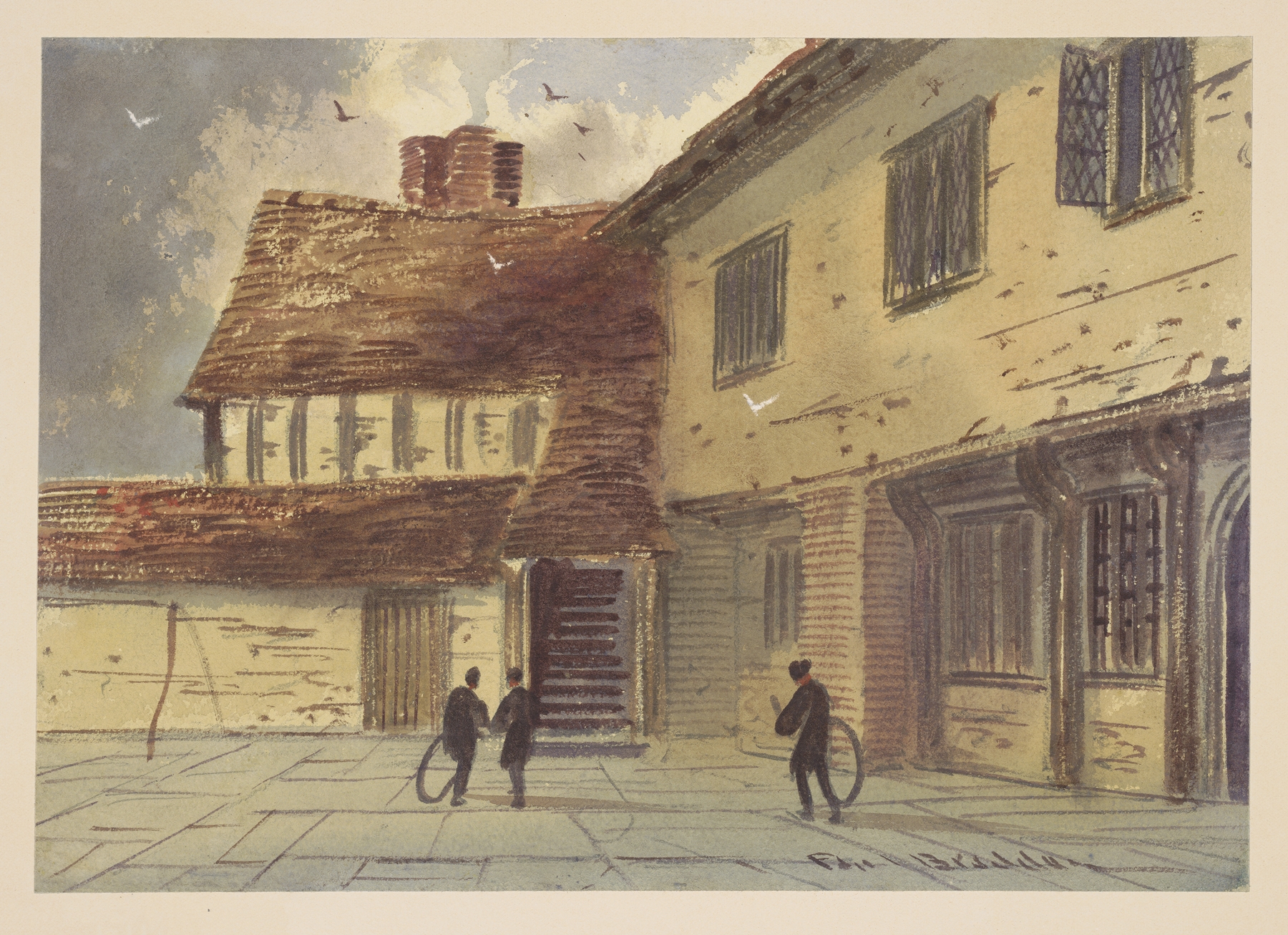
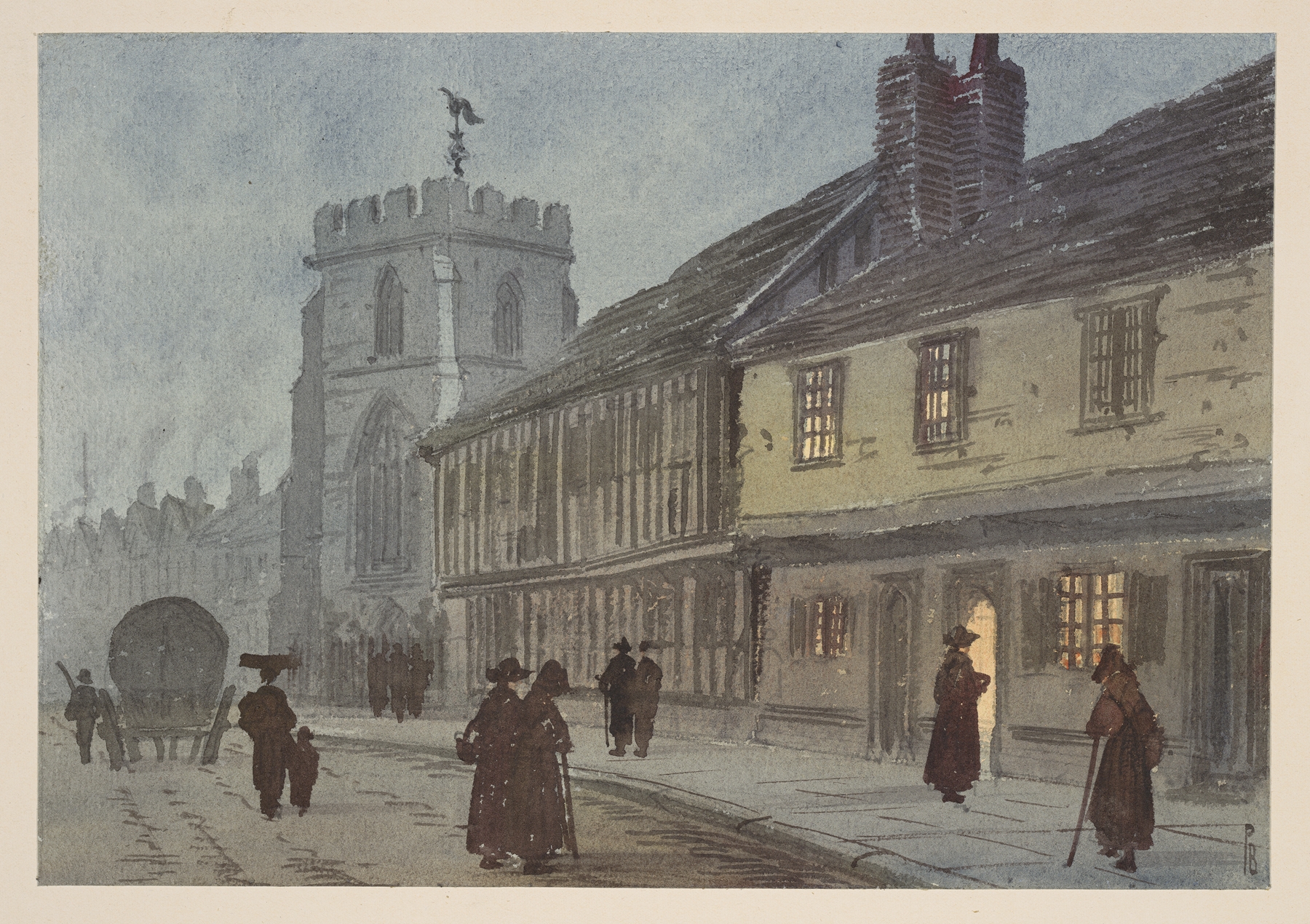
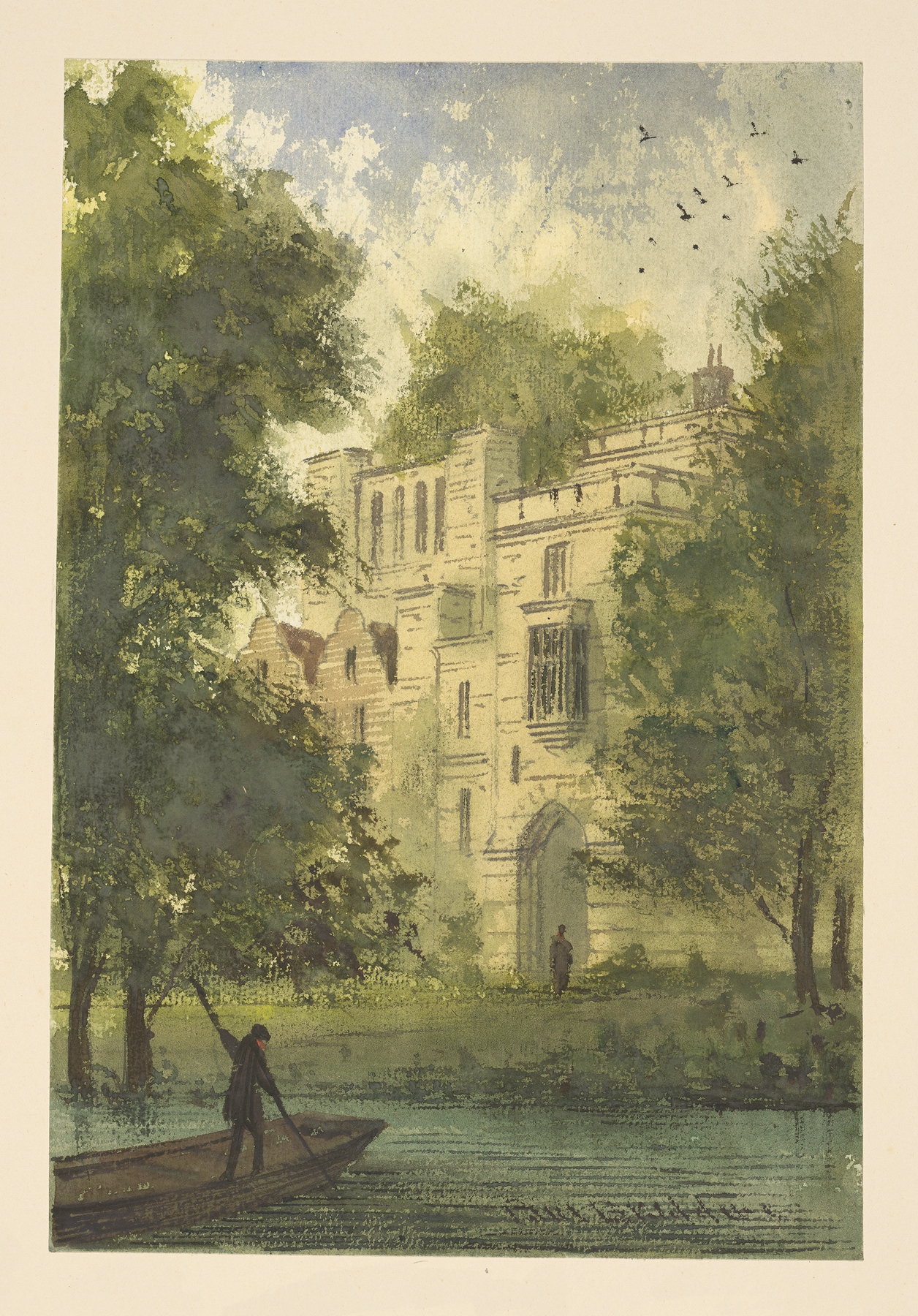
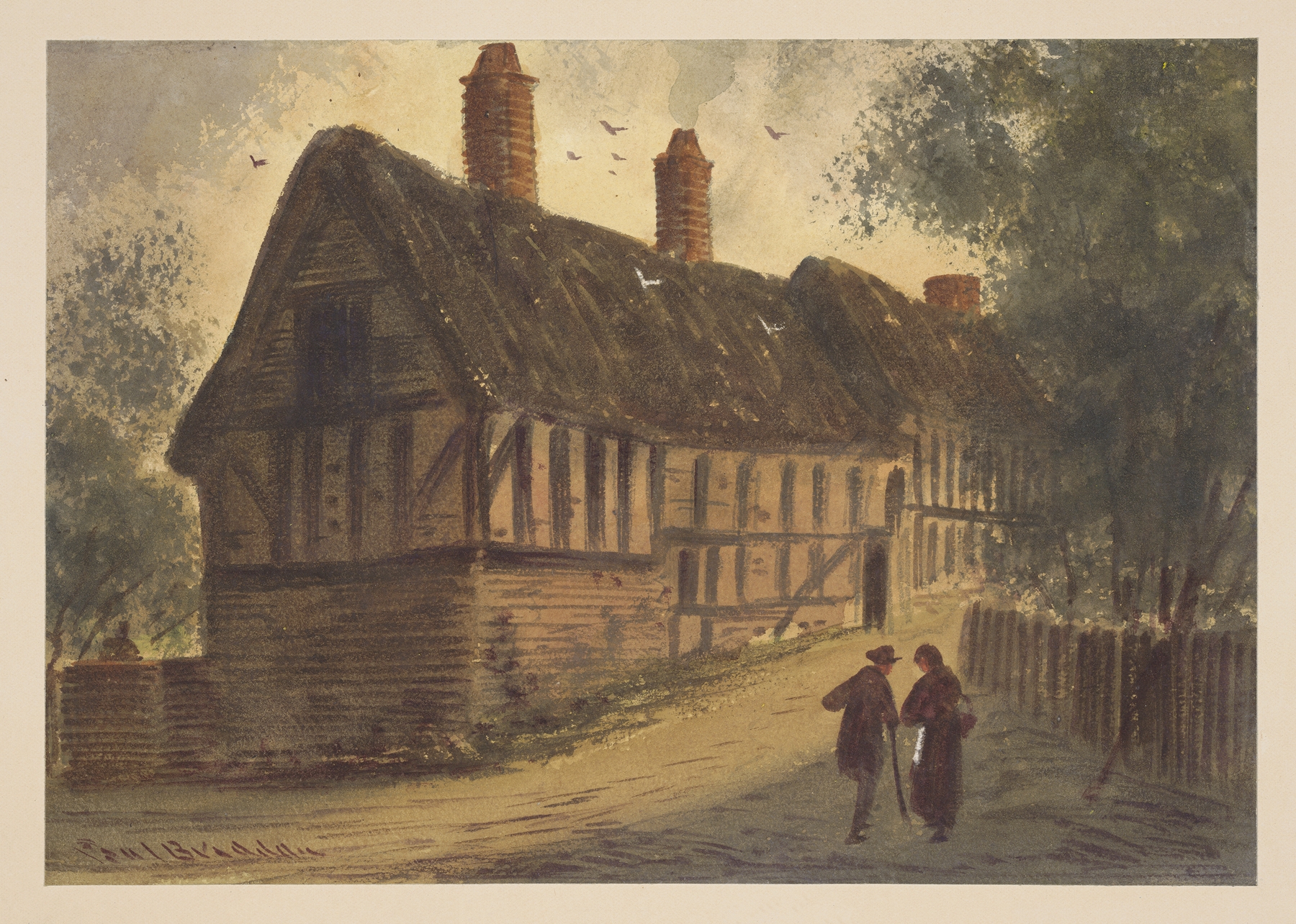
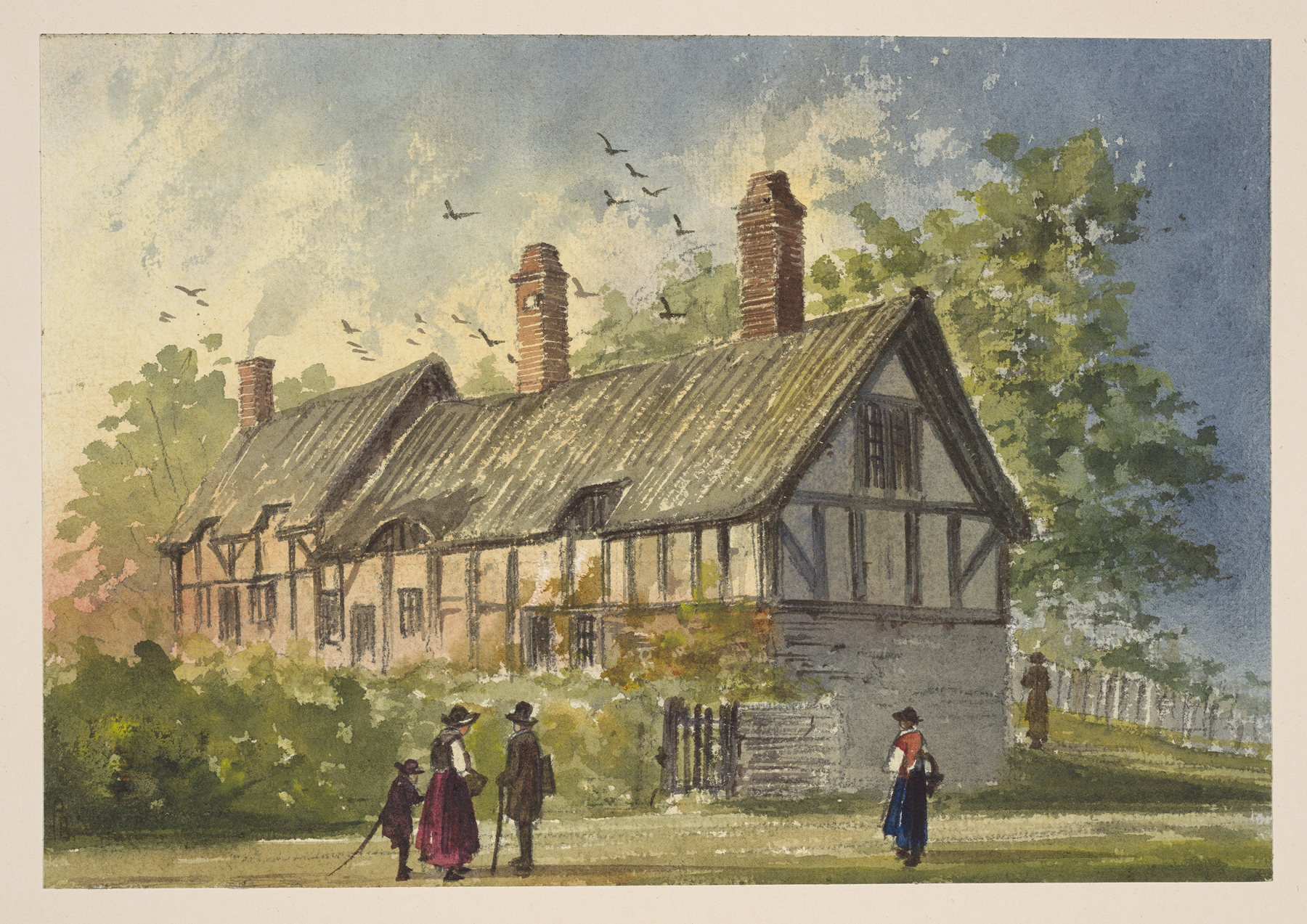
Who listens when art speaks of silence? In the stillness of Haunts of Shakespeare Pl.21, the weight of history envelops the viewer, inviting contemplation and awe. Look to the center, where a spectral figure emerges from the shadows, cloaked in a gossamer veil of twilight. The muted palette softens the edges of reality, blurring the line between the corporeal and the ethereal.
Notice how the delicate brushwork creates an interplay of light and shadow, illuminating the figure’s haunting presence while leaving the surrounding landscape shrouded in mystery. The soft hues speak to a past that lingers, resonating with the echoes of literary genius. As you immerse yourself in the scene, consider the emotional tension between the vibrant life of Shakespeare's words and the somber presence of absence. The ghostly figure may represent the enduring reach of the playwright’s influence, juxtaposed with the inevitable fading of time.
Hidden details—perhaps the flicker of distant stars or the whisper of leaves—evoke a longing for connection, while a tranquil melancholy pervades the air, reminding us of the fragility of existence. In the 19th century, Paul Braddon painted this work amidst a revival of interest in the Romantic era, where artists sought to blend literature with visual expression. This period saw a preoccupation with nostalgia and the supernatural, coinciding with the flourishing of Shakespearean adaptations and studies. Braddon’s art reflects a deep reverence for the literary titan, capturing the emotional resonance of his legacy within the haunting landscapes that inspired his creations.