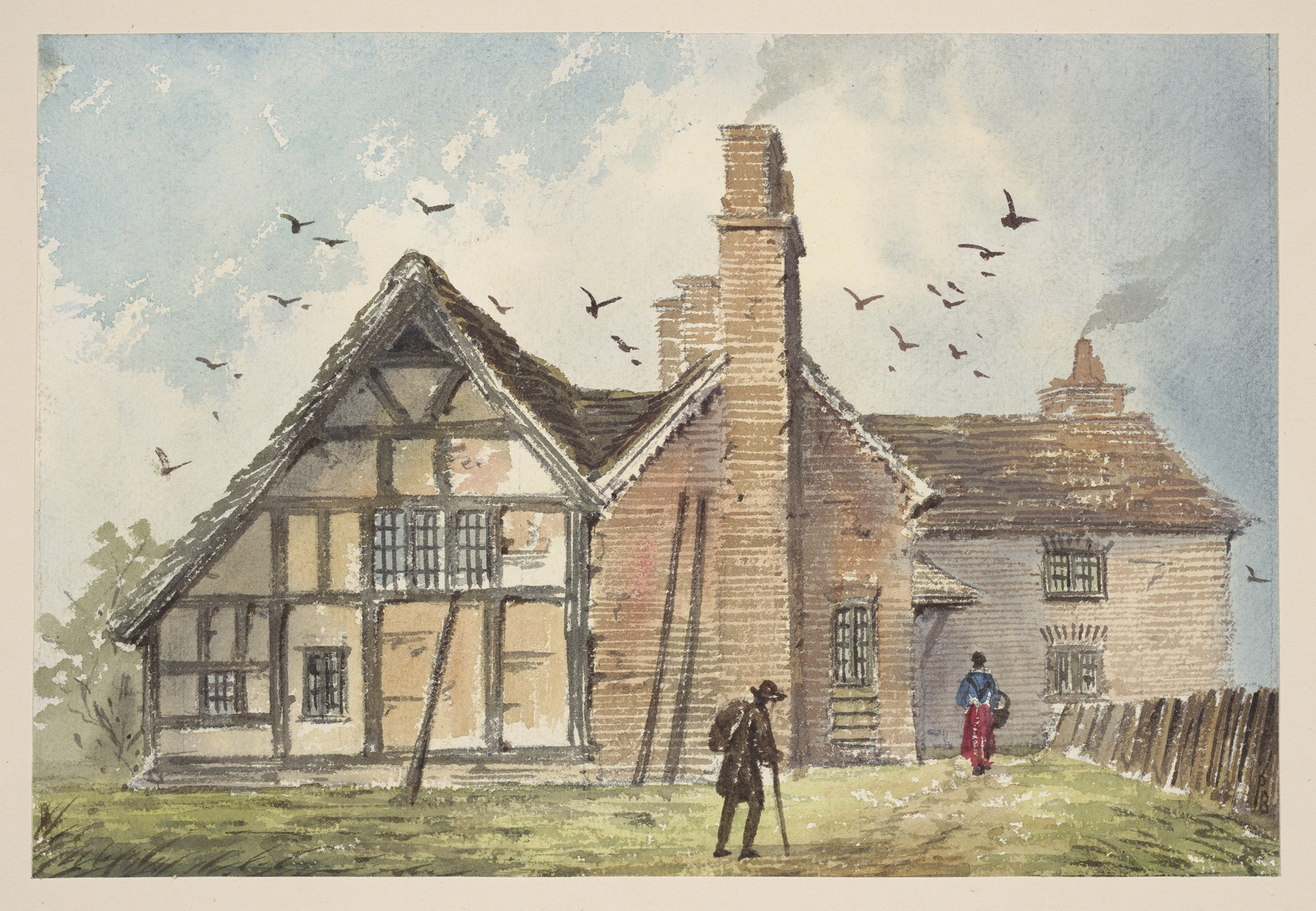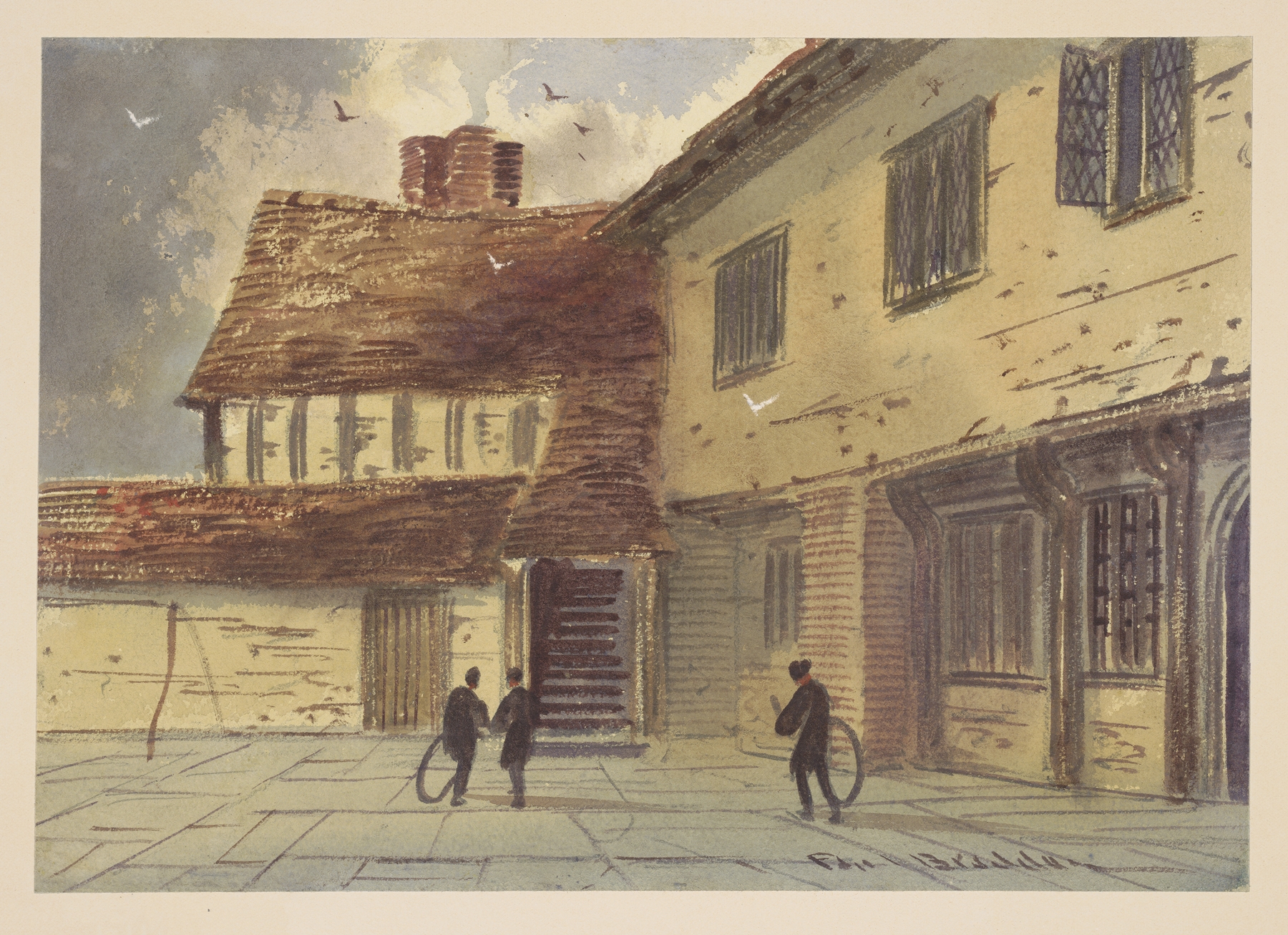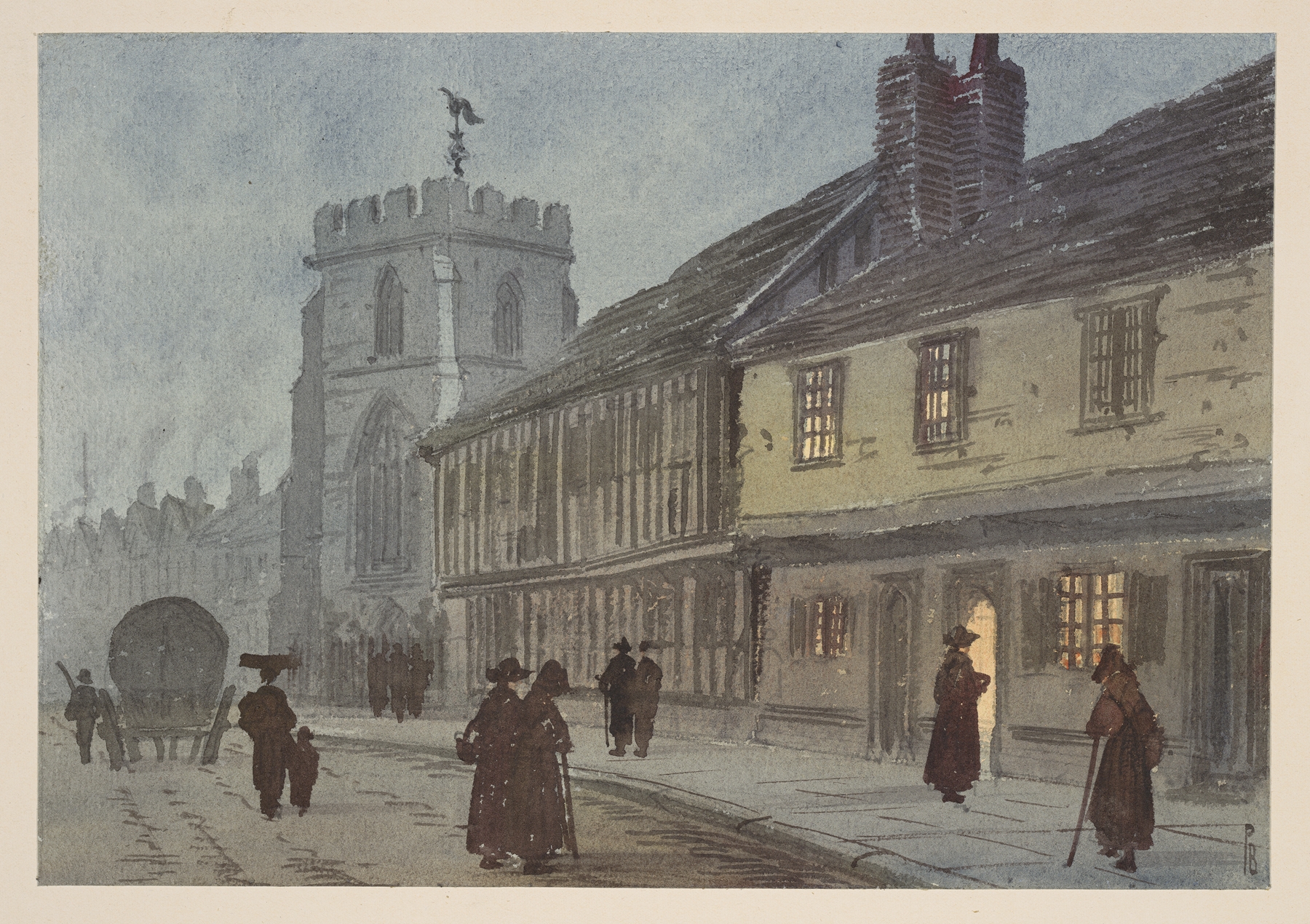
Haunts of Shakespeare Pl.22 — History & Analysis
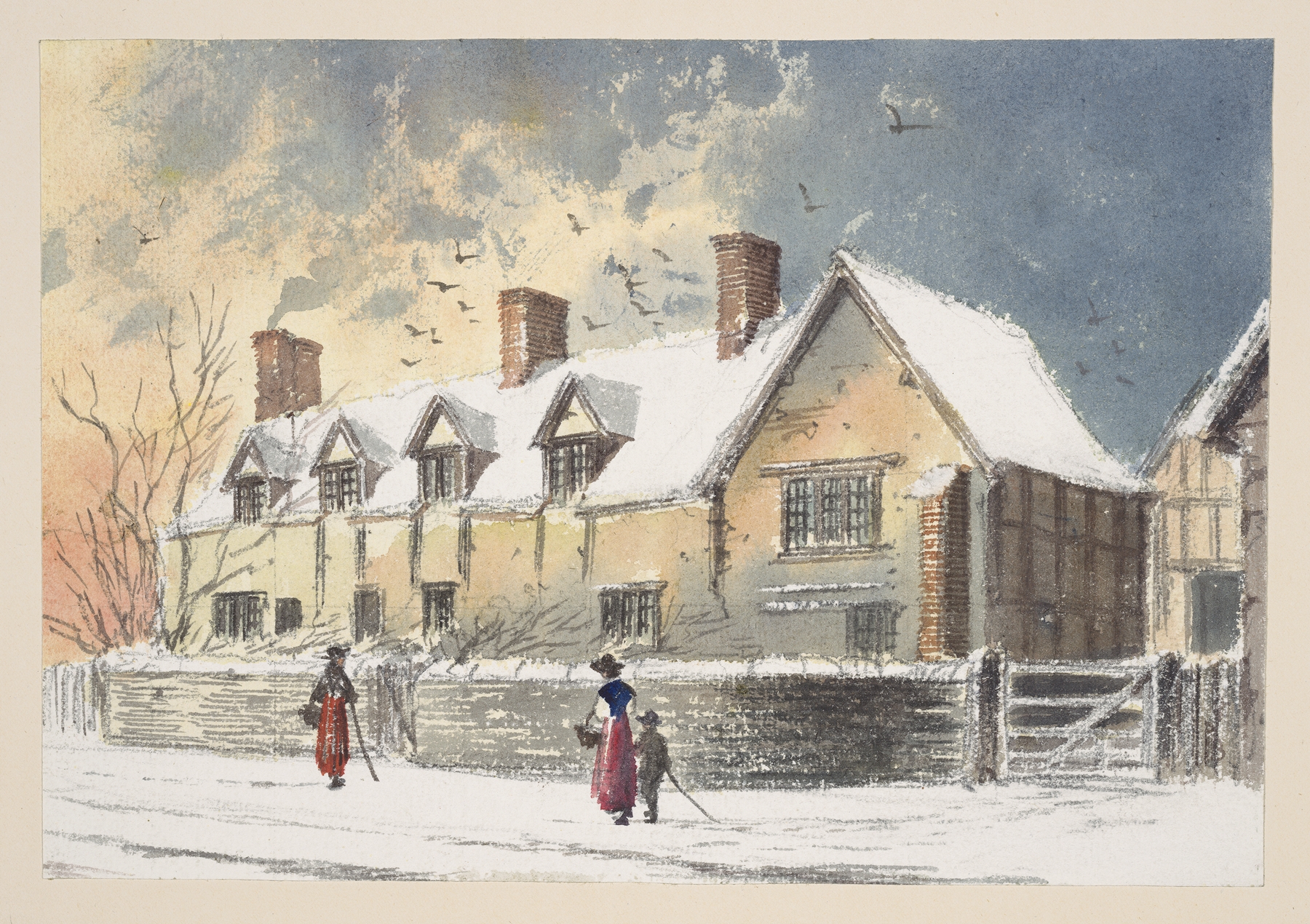
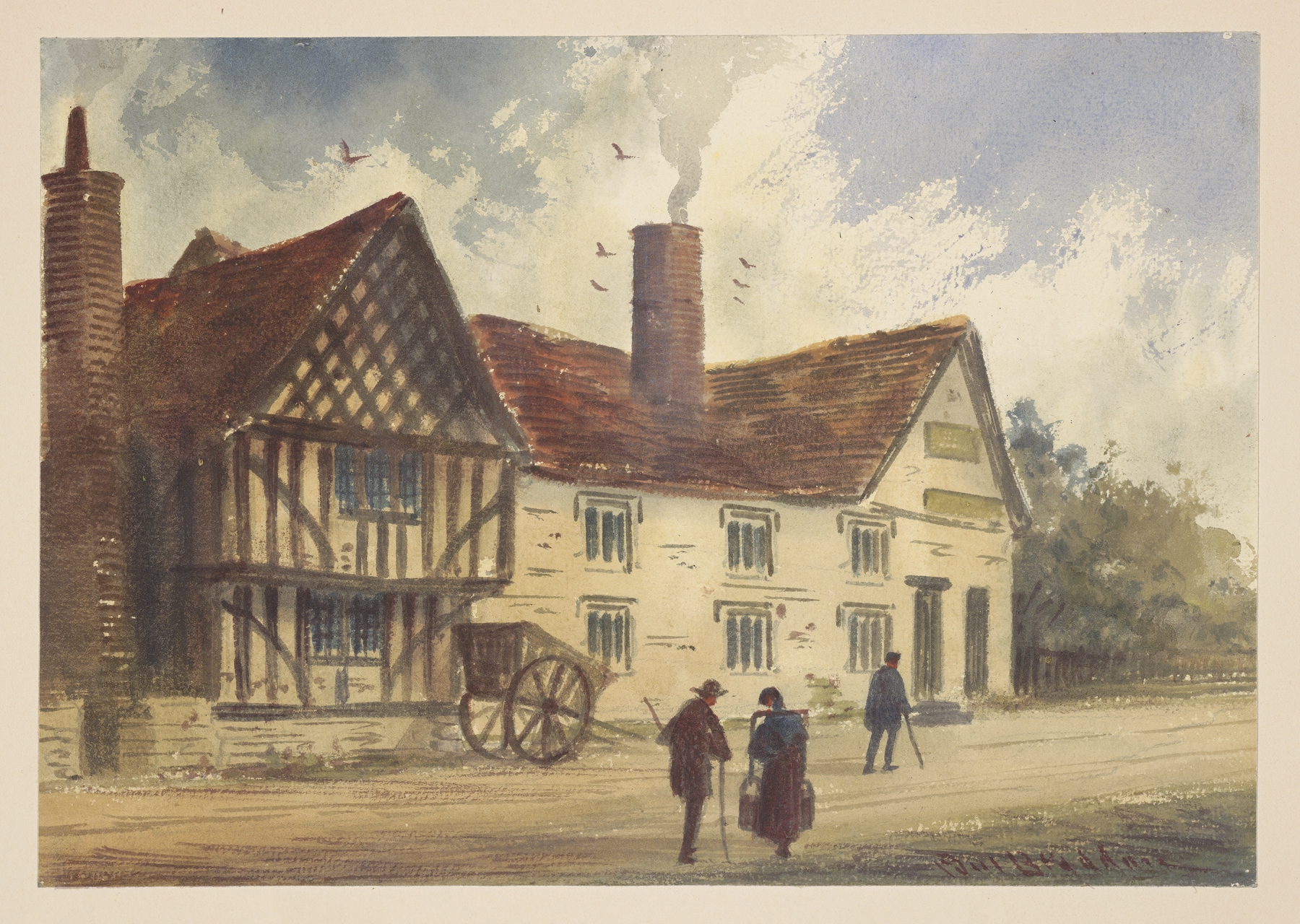
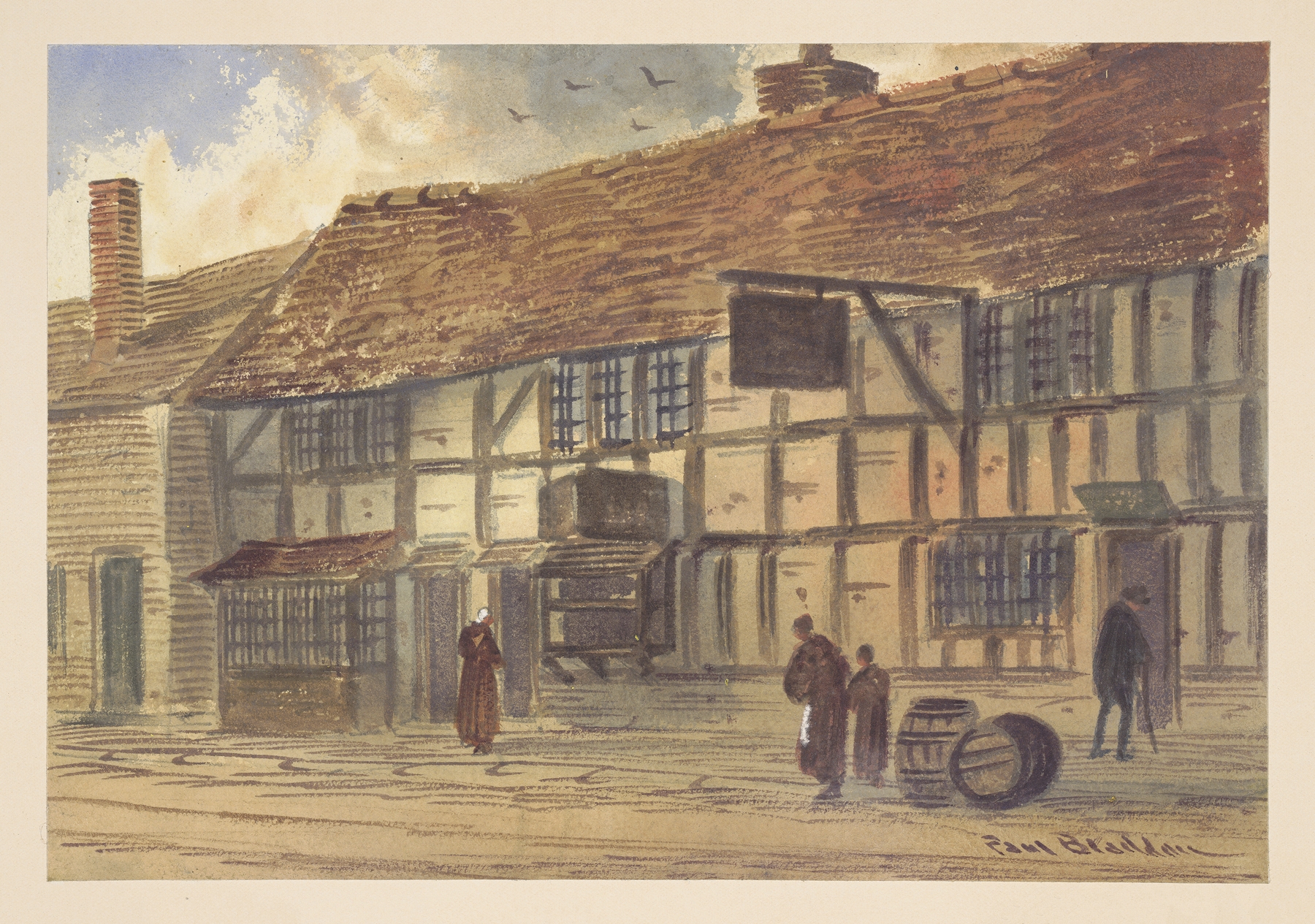
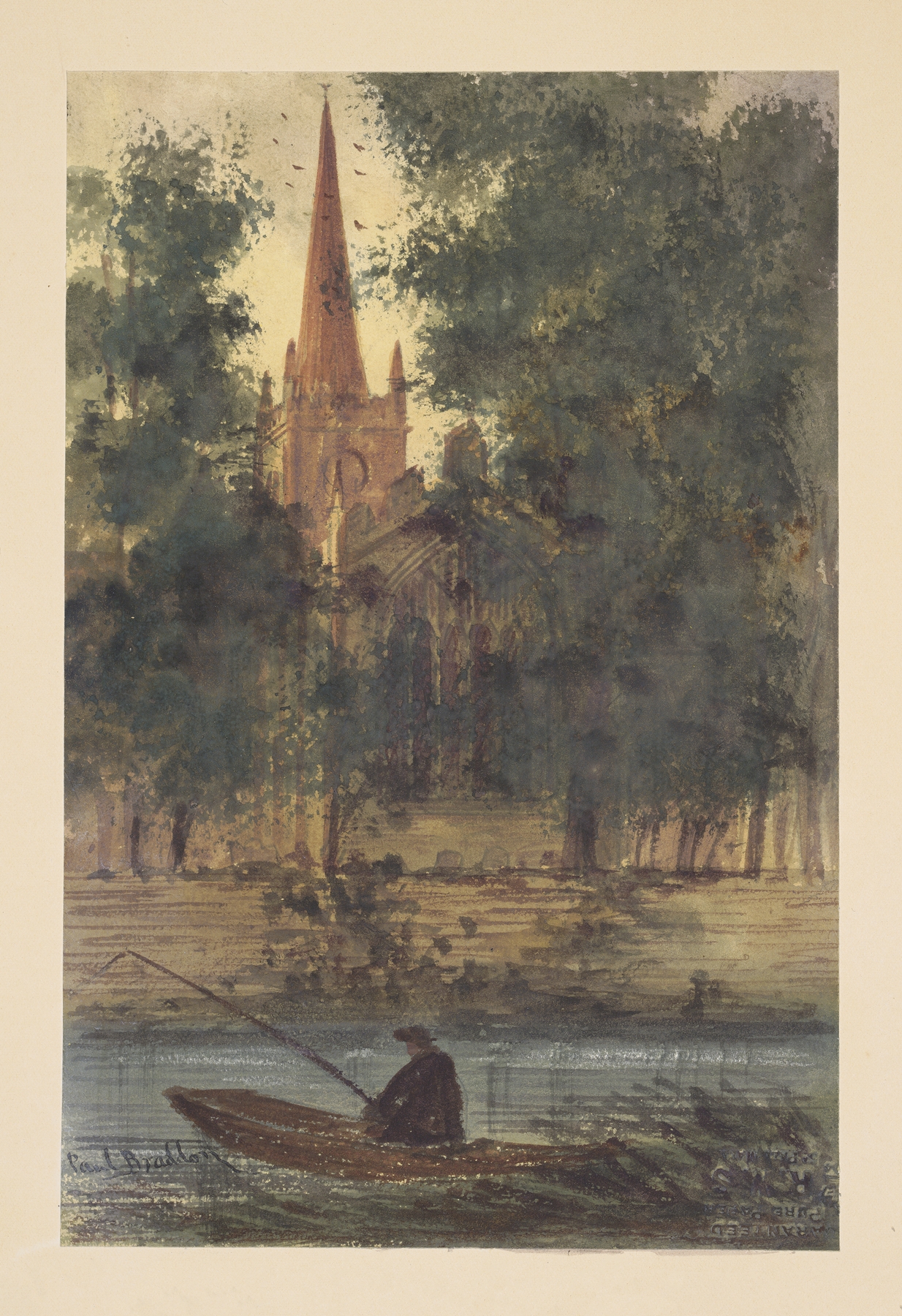
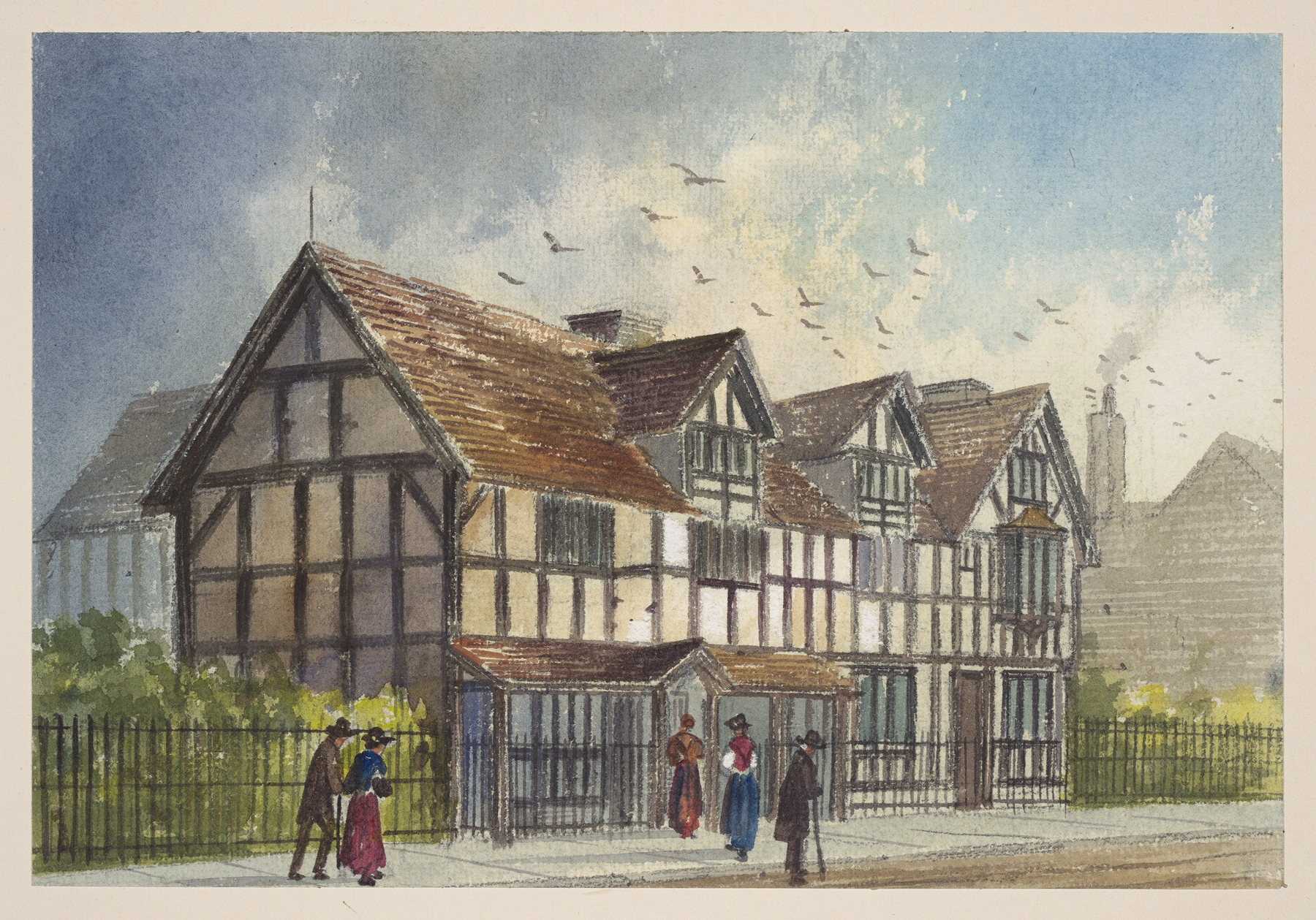
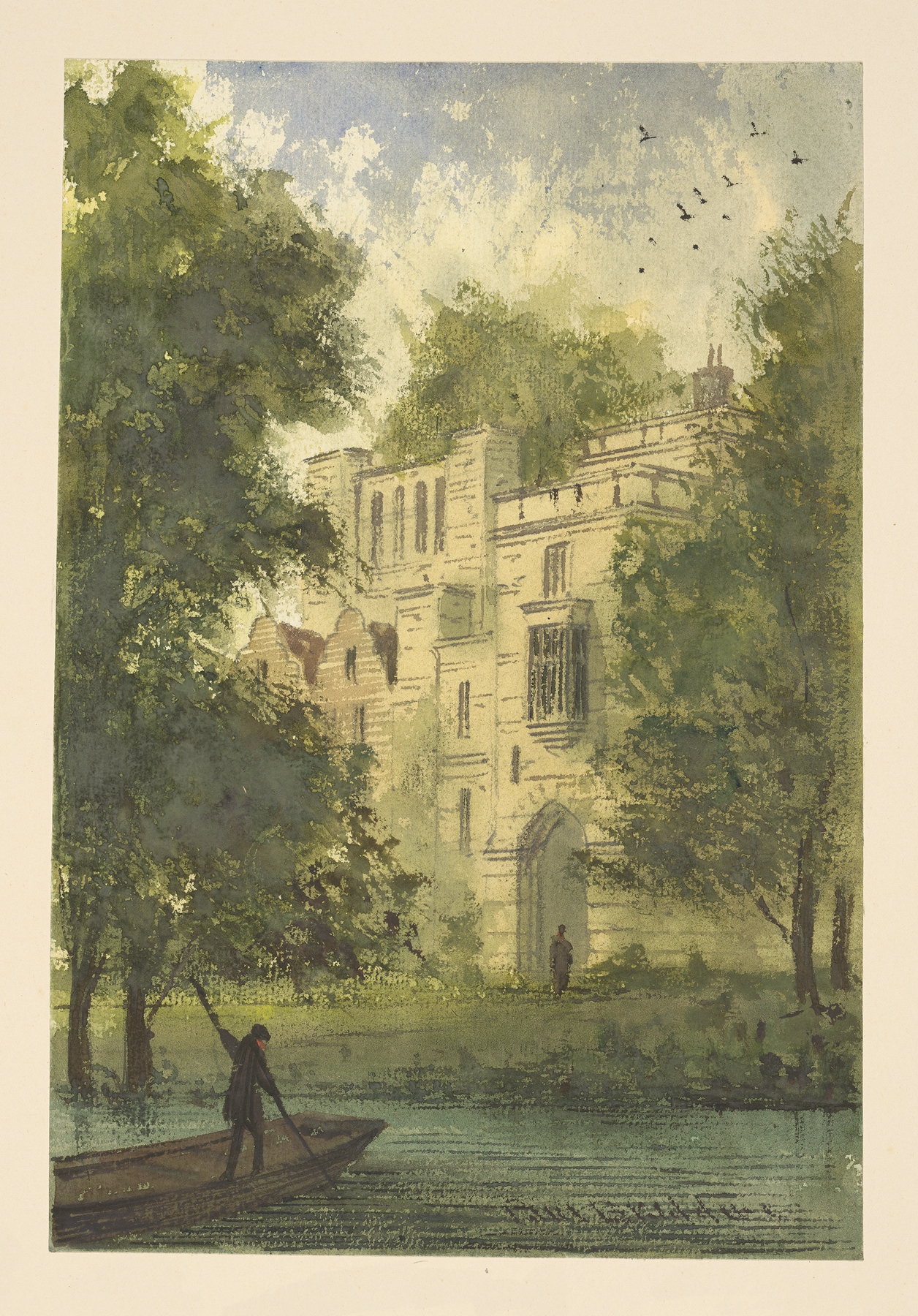
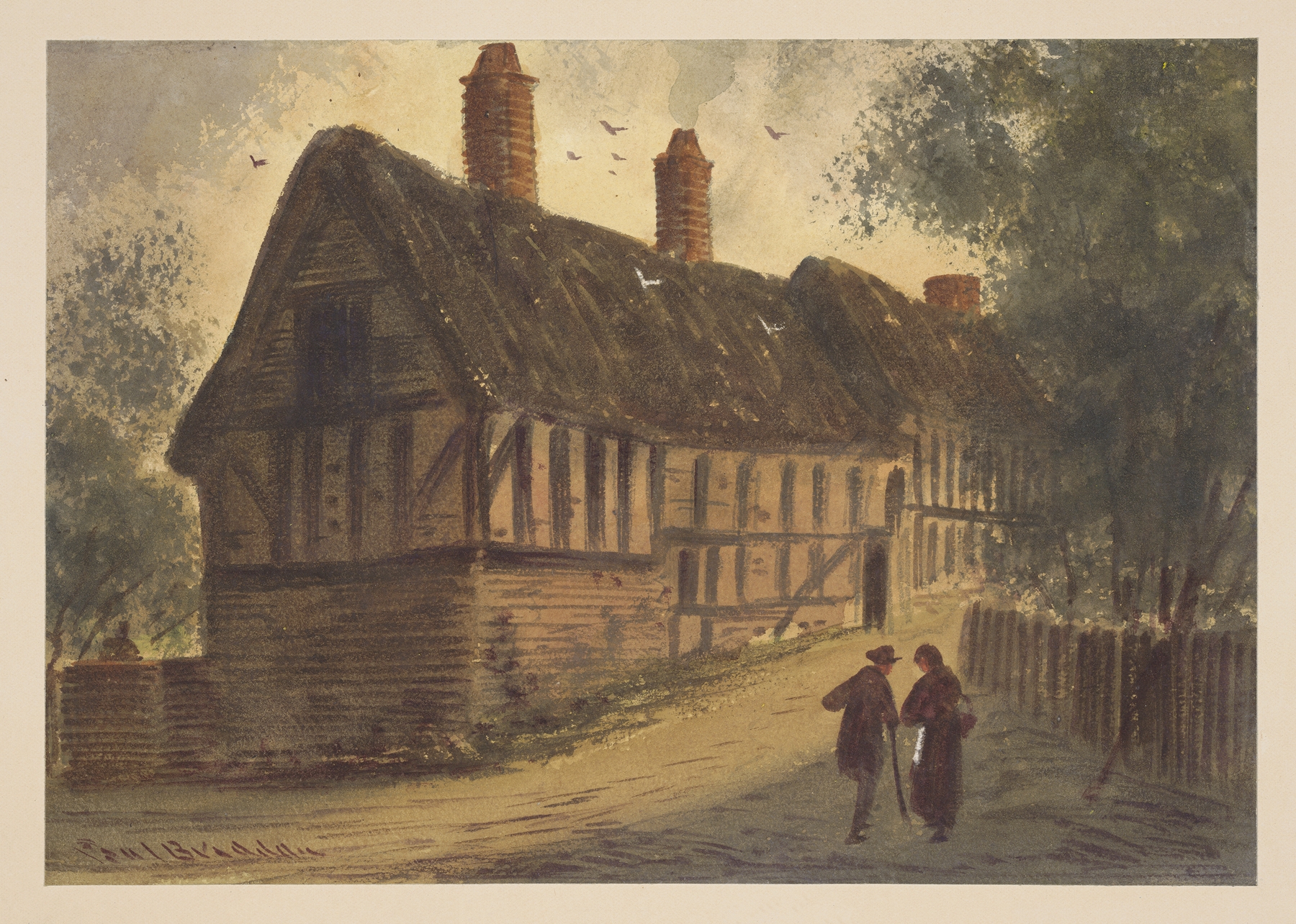
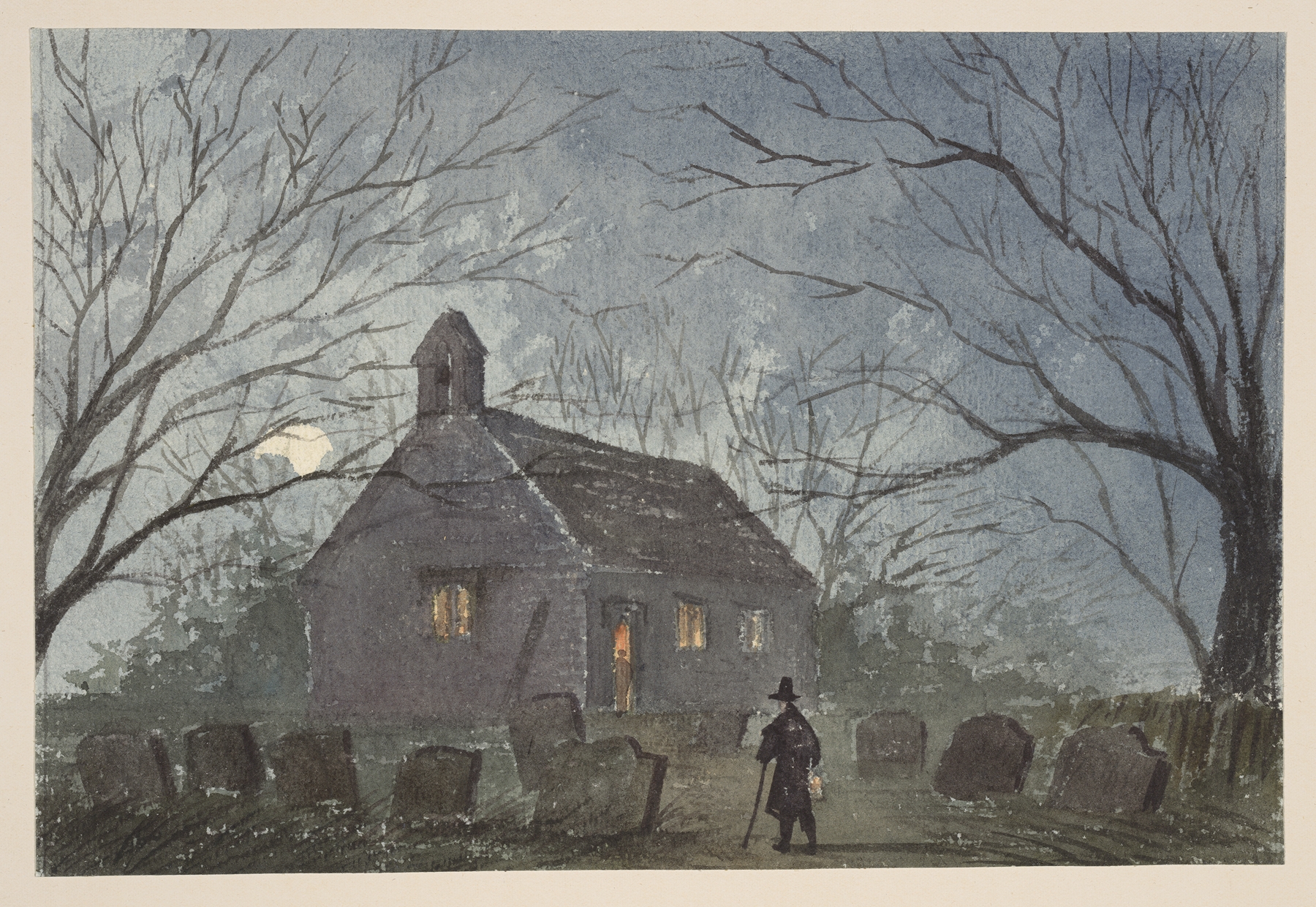
“Art reveals the soul when the world turns away.” In the whispers of decay and the shadows of memory, we find the essence of existence. In this haunting realization, we glimpse the delicate interplay between time and beauty, an exploration of ruins and reverie. Focus first on the intricate detailing that defines the foreground, where the crumbling architecture stands like a forgotten sentinel against the march of time. Notice the deep, rich hues that evoke a sense of nostalgia—earthy browns and muted greens blend seamlessly, suggesting both vibrancy and the inevitable fading of life.
The delicate brushwork reveals texture within the decaying stone, drawing the viewer's eye from the remnants of grandeur to the life that seeks to reclaim it, as nature intertwines with built structures. Hidden within the layers of decay are profound reflections on mortality and the passage of time. The juxtaposition of vibrant flora against desolate ruins evokes a powerful tension, symbolizing the resilience of nature and the fragility of human endeavors. Each detail—the creeping vines, the chipped stone, the play of light and shadow—serves to remind us that beauty endures even in decline, whispering stories of what once was while hinting at what is yet to come.
Braddon painted this piece in the 19th century, a time when the romanticization of nature and the past was gaining momentum in the art world. This period was marked by a growing interest in capturing the ephemeral beauty of ruins, reflecting a societal fascination with history and its ghosts. As he explored these themes, the artist himself was deeply influenced by the picturesque landscapes of Europe, finding inspiration in the interplay between civilization and the encroaching embrace of nature.