Haunts of Shakespeare Pl.25 — History & Analysis
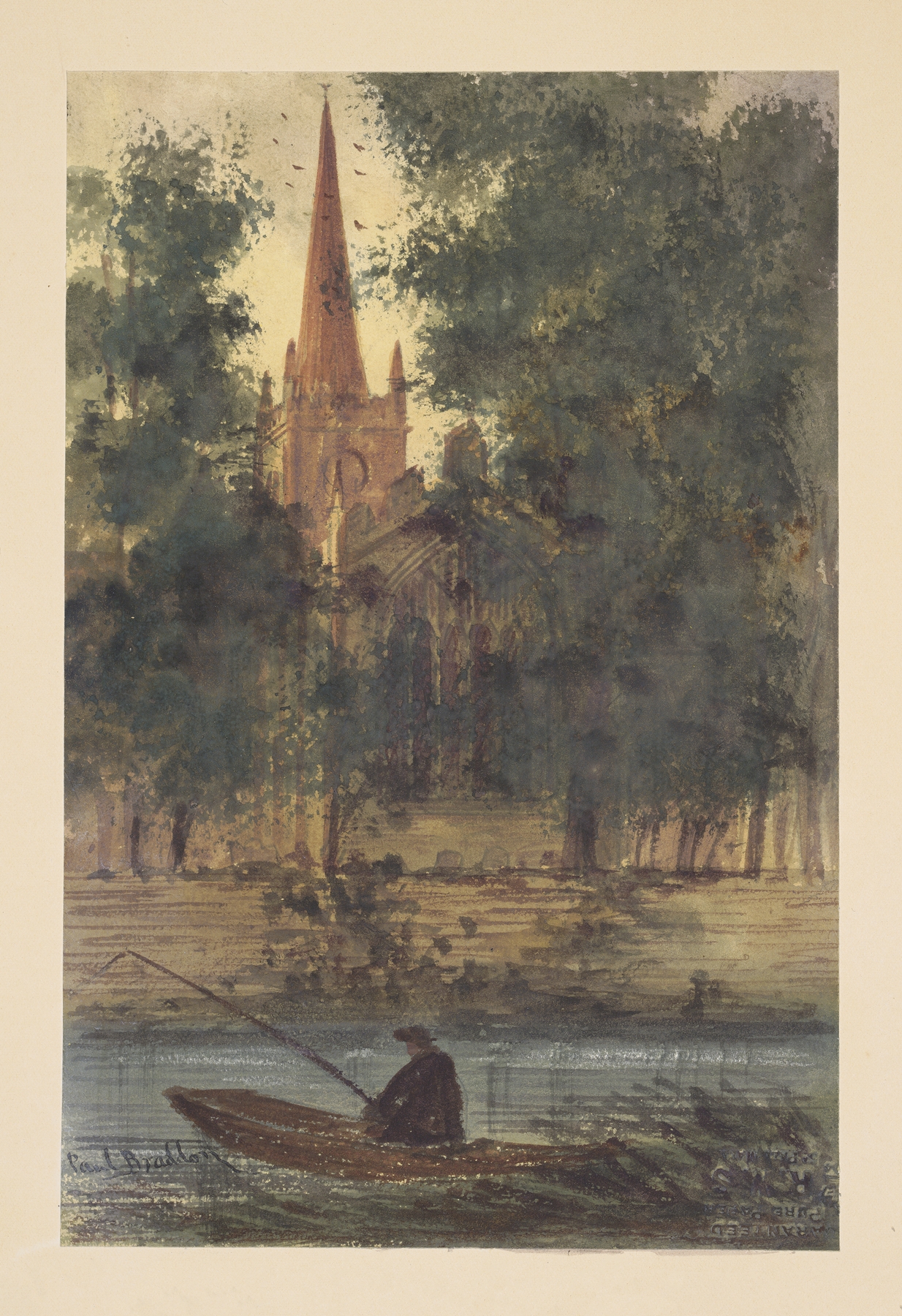
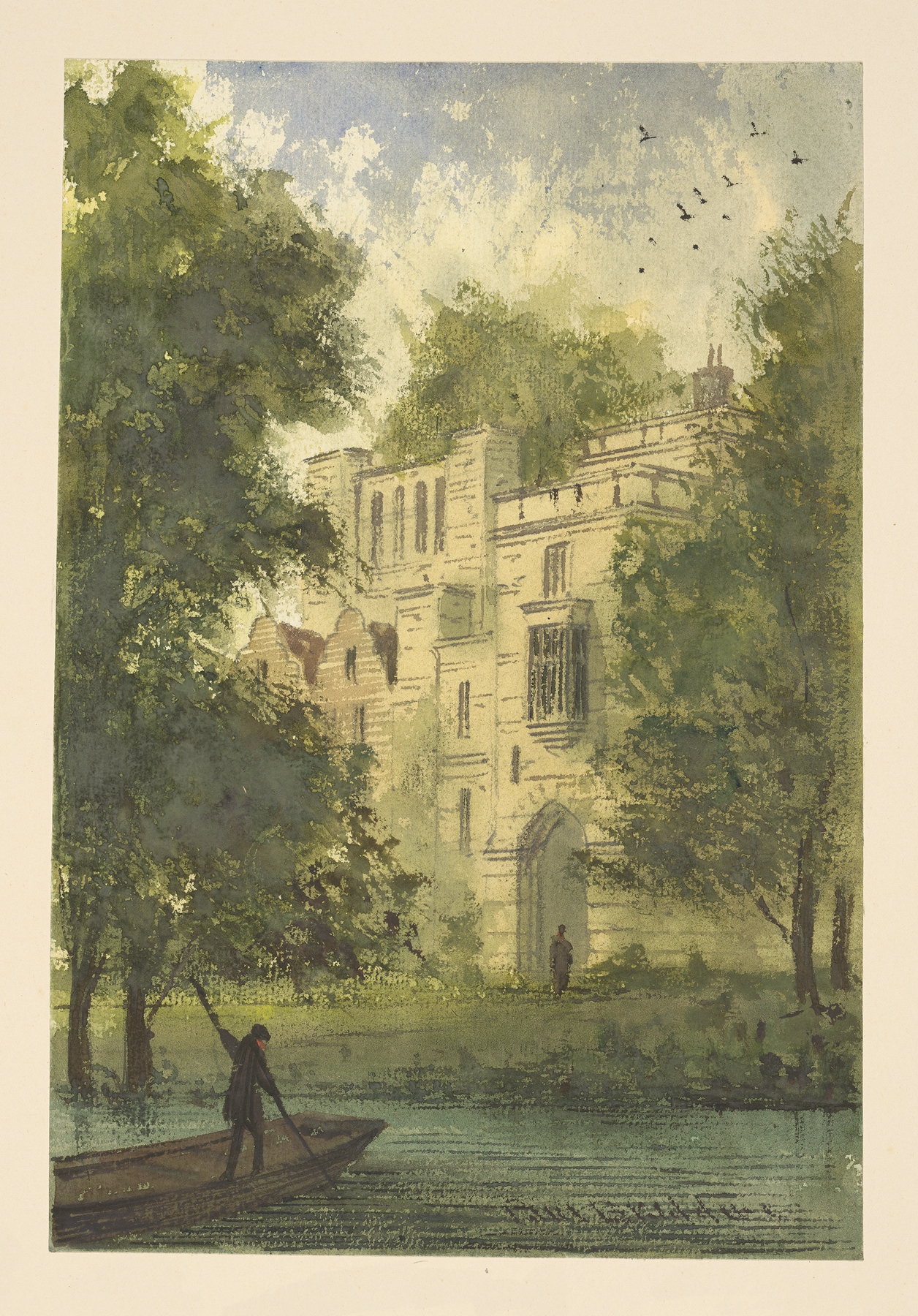
Is this a mirror — or a memory? The delicate interplay between reflection and recollection invites us into a world where reality merges with the ethereal. Look to the left at the soft, shimmering surface of the water, where the shadowy outline of a figure emerges from the depths. The artist employs a muted palette, blending greens and blues, creating an atmosphere that feels both tranquil and melancholic.
Notice how the light dances across the water, illuminating the intricacies of the figure’s form while shrouding it in a veil of mystery. The composition draws the viewer’s eye towards the central figure, inviting contemplation on its identity and purpose within this dreamlike setting. Beneath the surface, deeper meanings unfold. The juxtaposition of the serene environment and the elusive figure evokes a sense of longing and nostalgia, suggesting the remnants of past experiences that linger in our minds.
The water serves as a symbol of memory itself, reflecting both the beauty and the melancholy of what has been lost. Small details, such as the faint ripples spreading outward, represent the ripple effect of our choices, hinting at the interconnectedness of moments and memories. In the 19th century, while creating this piece, the artist found himself immersed in the Romantic movement, reflecting a growing interest in the themes of nature and introspection. Working in England, during a time of artistic transition, he sought to capture the emotional landscapes of the human experience, linking the literary legacy of Shakespeare to a broader exploration of memory and reflection in visual art.