Head of a Philosopher — History & Analysis
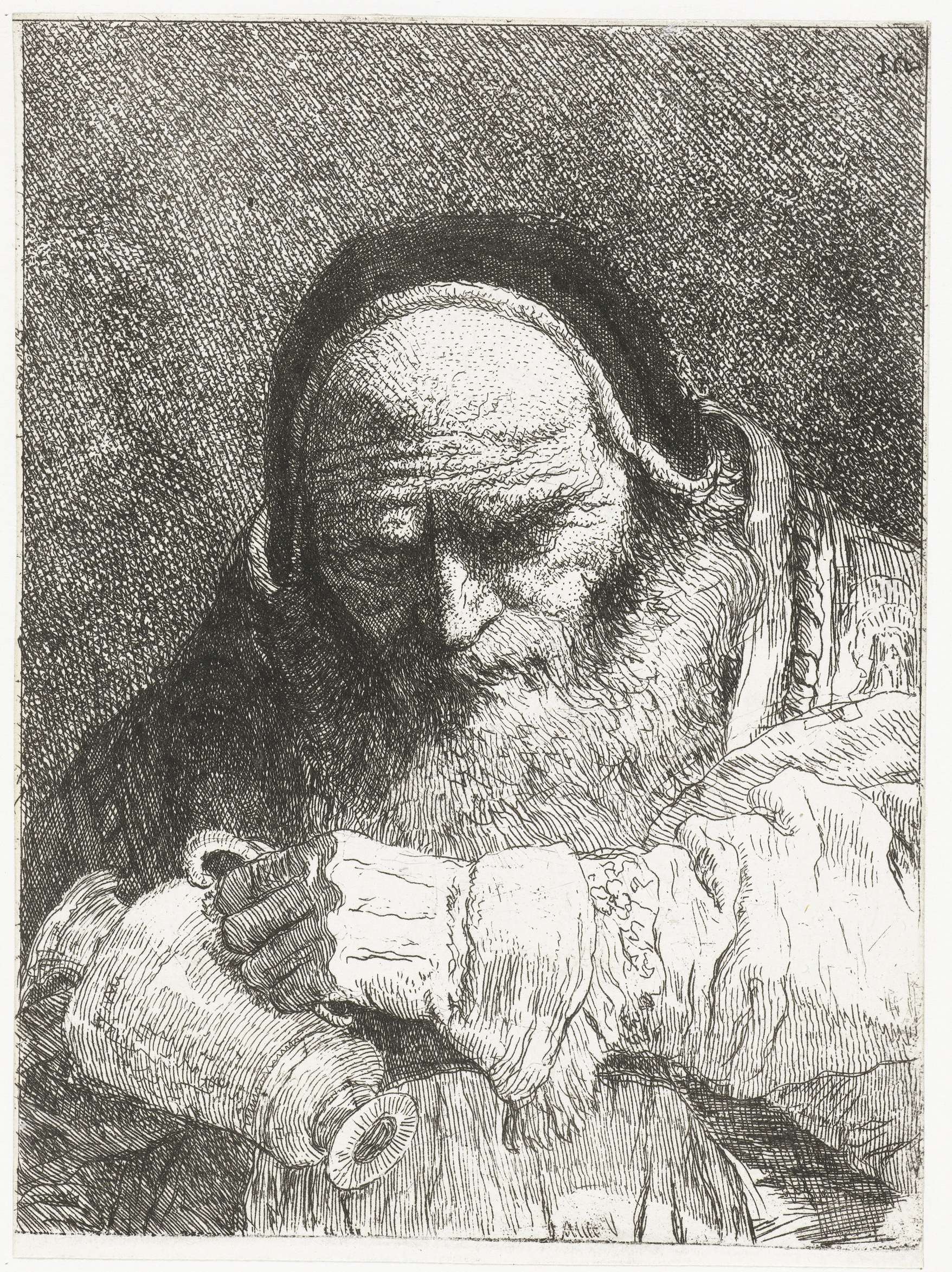
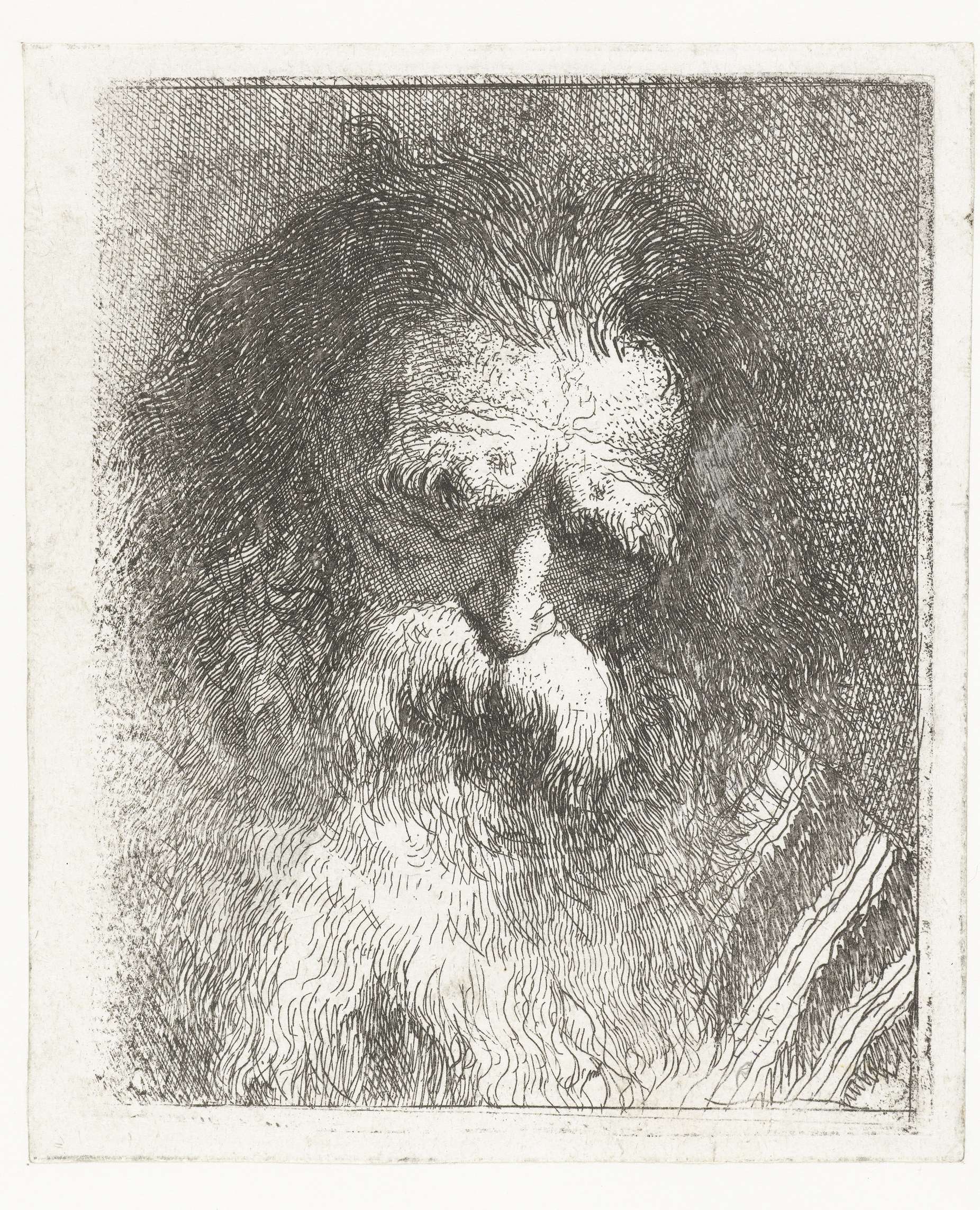
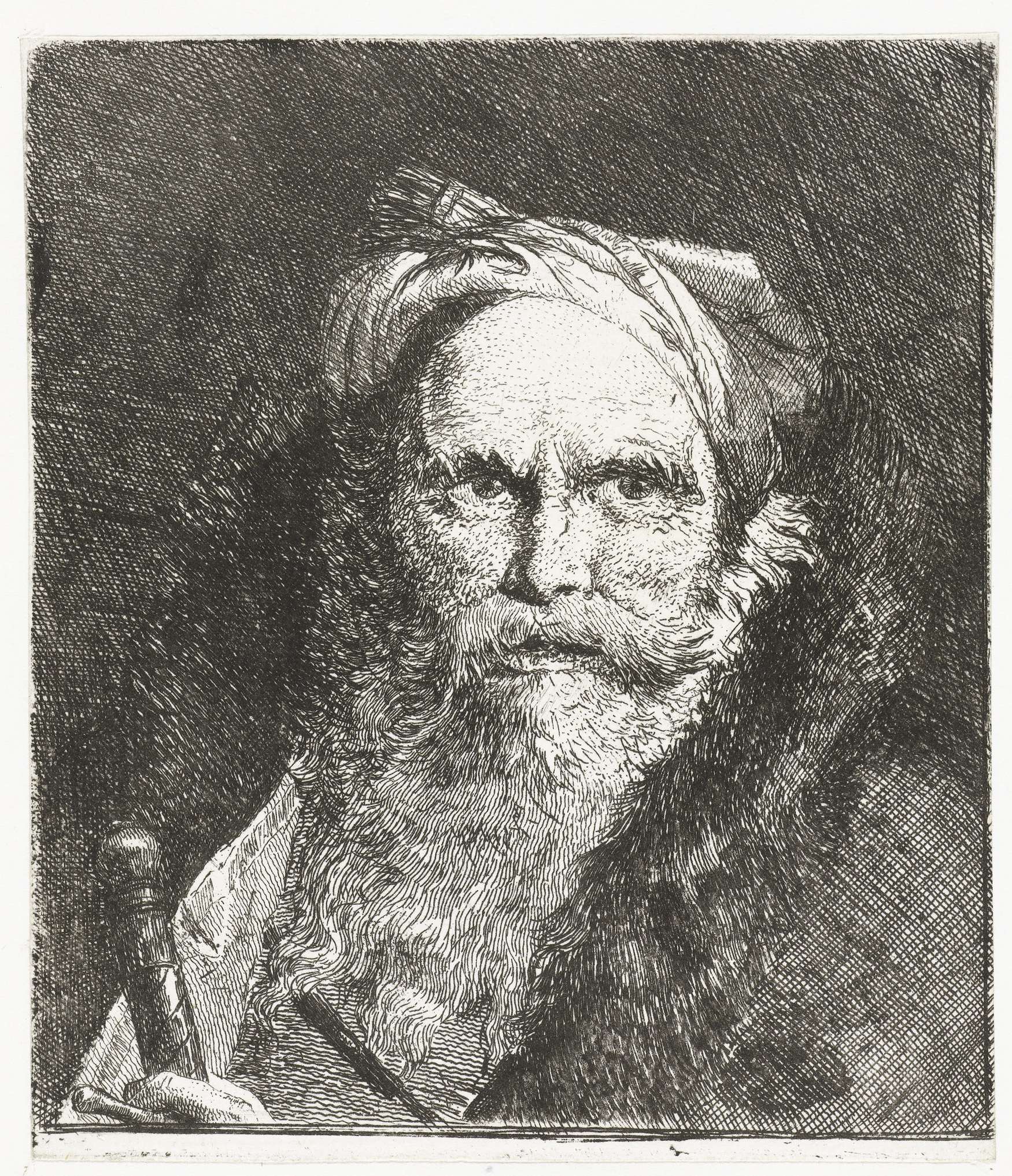
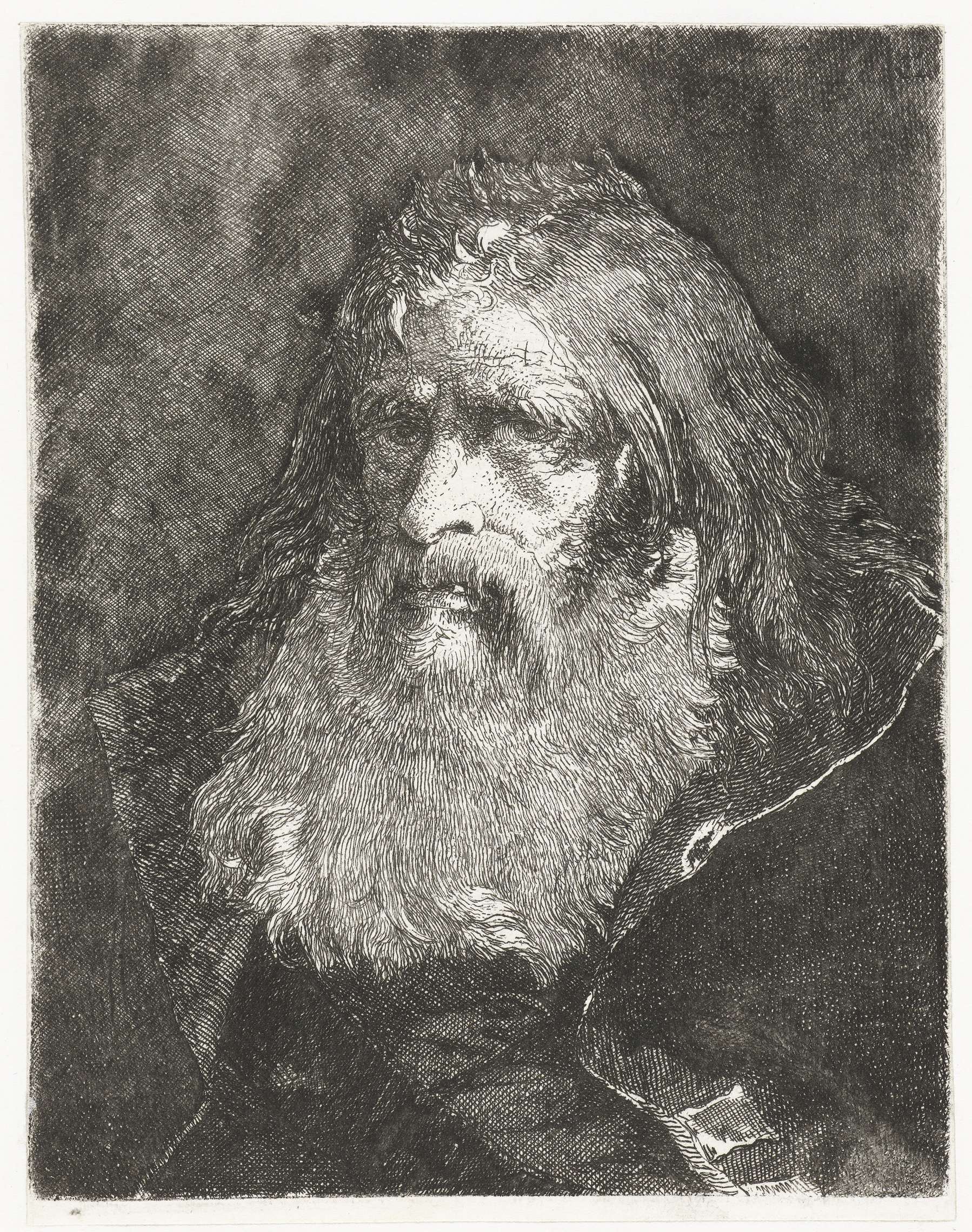
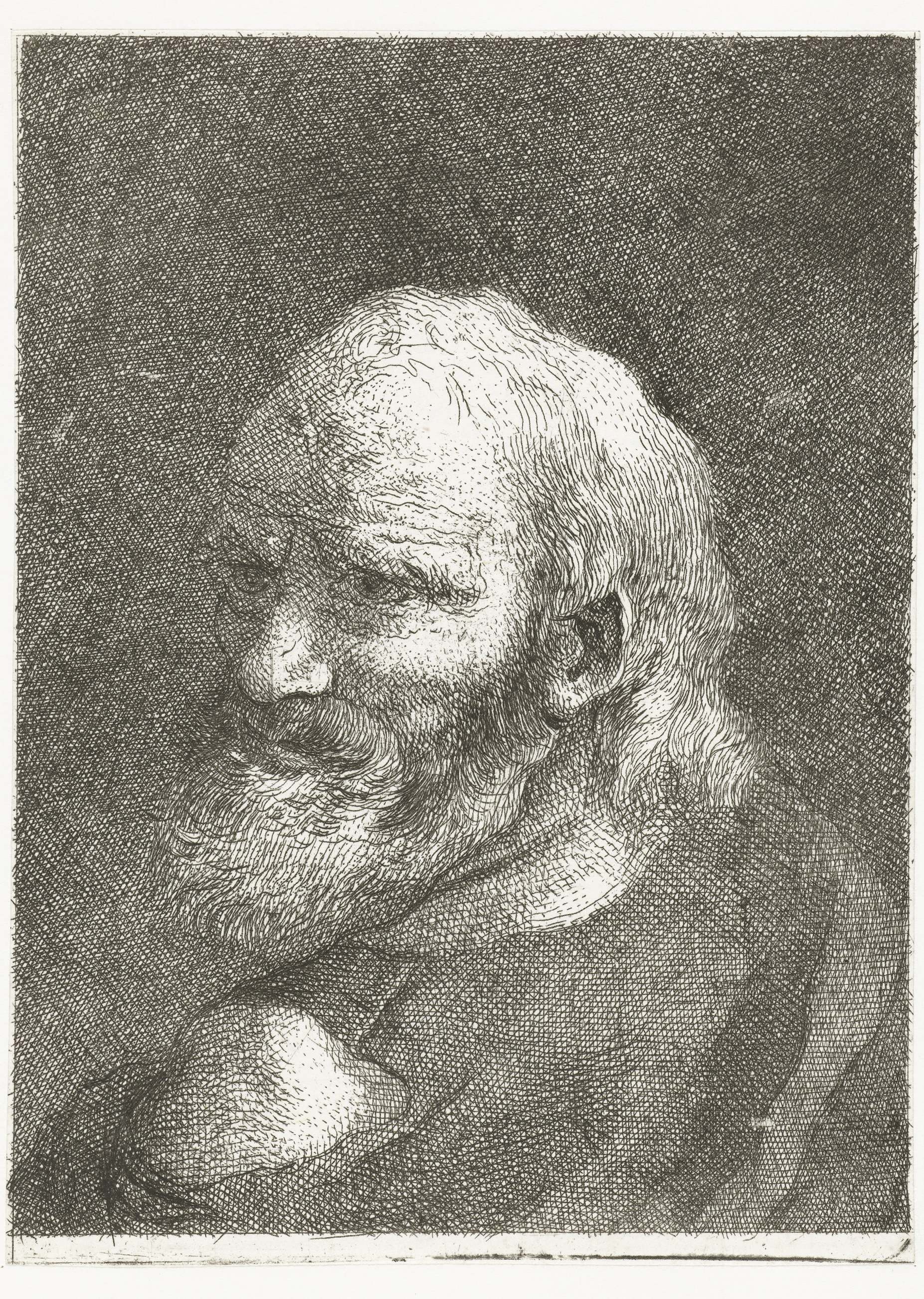
Is this a mirror — or a memory? The essence of faith intertwines with the reflection of thought, inviting the viewer to delve into the depths of the human soul. Look closely at the serene visage occupying the canvas; the philosopher's contemplative gaze seems to reach beyond the frame, engaging each observer with an unspoken question. Notice how Tiepolo employs soft, natural light to illuminate the intricacies of the subject's features, wrapping them in a gentle warmth that exudes both wisdom and vulnerability.
The delicate brushwork in the hair contrasts beautifully with the smoothness of the skin, pulling your focus to the expression that conveys a rich inner world. The subtle juxtaposition of light and shadow reveals profound emotional tensions — a battle between knowledge and doubt, the tangible and the ethereal. The philosopher's slight frown hints at the burden of wisdom, while the softness of his brow suggests an unwavering faith amid uncertainty.
Here, Tiepolo captures a moment where intellectual inquiry meets spiritual reflection, encouraging contemplation on the nature of belief itself. Created during the height of the Enlightenment, this work emerged between 1758 and 1764, a period in which Giovanni Domenico Tiepolo was deeply engaged in his role as a court painter in Venice. The era was marked by a flourishing of philosophical thought, and the artist sought to bridge the divine with human intellect through his art, reflecting the ongoing dialogue between faith and reason in a rapidly changing world.